Red meat has a strong place in many American meals. Steak dinners, burgers, ribs, meatballs, bacon-heavy breakfasts, and barbecue plates all carry comfort, tradition, and serious flavor. The problem starts when red meat moves from an occasional protein choice to a daily habit. Too much red meat can quietly affect your cholesterol, blood pressure, arteries, gut, and long-term disease risk.
This does not mean every bite of beef, pork, lamb, or veal is automatically dangerous. Red meat can provide protein, iron, zinc, selenium, and vitamin B12. Still, eating it too often, especially in processed or fatty forms, can create a pattern your heart may not appreciate. The real danger is not one burger at a cookout. It is the repeated routine of oversized portions, salty processed meats, high-fat cuts, and few heart-friendly foods to balance them out.
It Can Push Your Bad Cholesterol Higher

One of the biggest concerns with eating too much red meat is its saturated fat content. Fatty cuts of beef, lamb, pork, ribs, sausages, and processed meats often contain more saturated fat than fish, beans, lentils, skinless poultry, and many plant-based proteins. When saturated fat becomes a regular part of your diet, it can raise LDL cholesterol, often called “bad” cholesterol. That matters because LDL cholesterol can build up in the walls of arteries over time.
This buildup does not usually announce itself loudly. You may feel perfectly fine as cholesterol levels creep upward. The problem develops slowly, like a pipe narrowing from the inside. As plaque collects in the arteries, blood has less room to flow freely. That can increase the risk of heart disease, chest pain, heart attack, and stroke. This is why red meat and heart health often appear in the same conversation. A juicy steak may feel harmless in the moment, but when high-fat red meat becomes a regular habit, your arteries may be paying the hidden bill.
It Can Raise Blood Pressure Through Hidden Sodium

Fresh red meat naturally contains some sodium, but the real trouble often comes from preparation and processing. Bacon, hot dogs, sausage, deli meats, cured meats, beef sticks, restaurant steaks, barbecue rubs, marinades, and fast-food burgers can be high in sodium. Many people focus on fat and forget salt, but sodium is one of the quietest ways a meat-heavy diet can strain the heart.
Too much sodium causes the body to retain extra fluid. That extra fluid increases the volume of blood circulating through the bloodstream, which can raise blood pressure. Higher blood pressure forces the heart to pump harder than it should. Over time, that pressure can damage blood vessels, weaken the heart, and increase the risk of stroke and heart failure. This is why processed red meat can be more concerning than a small portion of lean, unprocessed meat. The danger is not just the meat itself. It is the salt, curing agents, sauces, and oversized portions that often come with it.
It May Encourage Plaque Buildup in the Arteries
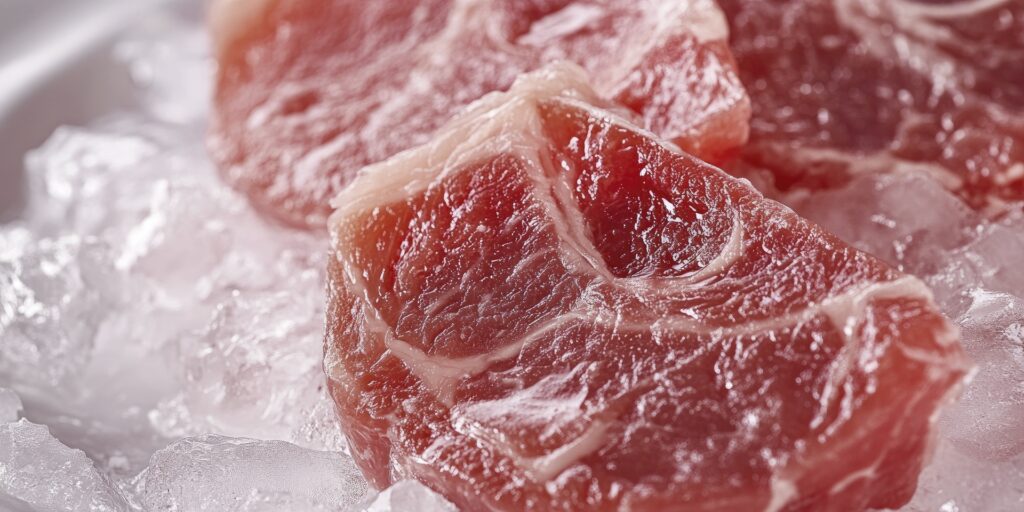
Too much red meat can affect the heart beyond cholesterol and sodium. During digestion, compounds in red meat, especially L-carnitine and choline, can interact with gut bacteria, leading to the production of a substance called TMAO. This compound has been linked to artery hardening, inflammation, and a higher risk of cardiovascular problems. That sounds technical, but the basic idea is simple. What happens in the gut can influence what happens in the heart.
This is where red meat becomes more complicated than “fat equals bad.” Even lean red meat can contain compounds that may affect cardiovascular health when eaten too frequently. The gut microbiome helps process food, but a diet heavy in red meat and low in fiber-rich plant foods may encourage the production of less heart-healthy chemical byproducts. Add in low vegetable intake, fewer whole grains, and limited beans or nuts, and the entire eating pattern becomes less protective. Your heart does not respond to red meat in isolation. It responds to the full plate, the full week, and the full routine.
It Can Crowd Out Foods That Protect the Heart
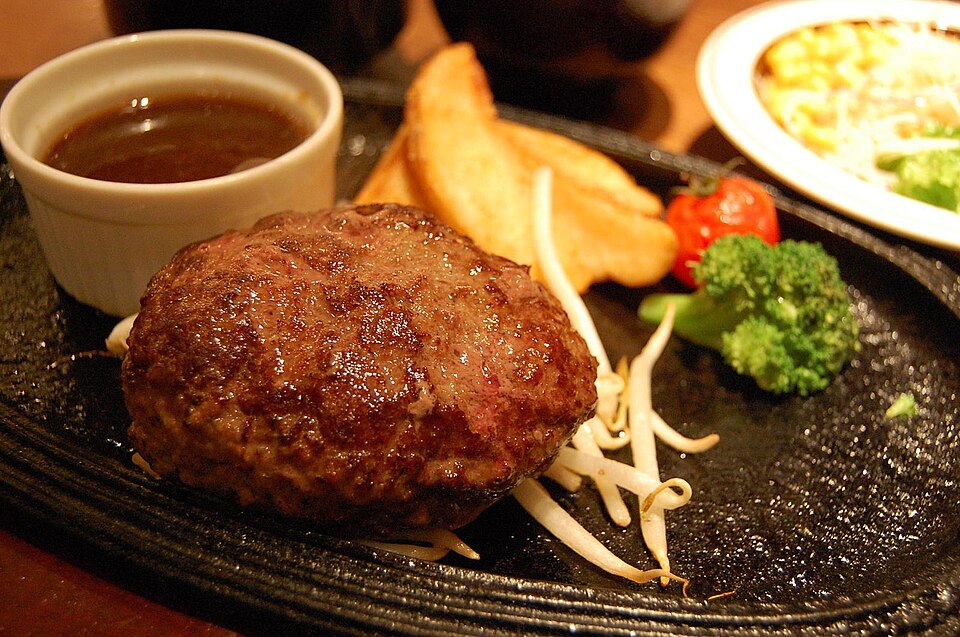
Another hidden risk of eating too much red meat is what it pushes off your plate. A dinner built around a large steak may leave less room for beans, leafy greens, vegetables, oats, berries, nuts, seeds, and whole grains. Those foods bring fiber, antioxidants, potassium, magnesium, and unsaturated fats that support better heart health. Red meat, on the other hand, contains no fiber and does not offer the same antioxidant protection found in plant foods.
This crowding-out effect matters because heart health is not only about avoiding harmful foods. It is also about eating enough protective ones. Fiber can help support healthier cholesterol levels. Potassium-rich foods can support healthier blood pressure. Plant-forward meals can help improve weight control and reduce inflammation. When red meat dominates the plate too often, the diet may become heavier, saltier, lower in fiber, and less colorful. A heart-friendly diet does not need to be bland or meat-free, but it does need balance. A smaller portion of lean meat with beans, vegetables, and whole grains is very different from a double cheeseburger with fries and processed toppings.
It May Increase Long-Term Disease Risk
The heart is the main concern, but too much red meat can affect more than the cardiovascular system. Processed meats have been linked to a higher risk of colorectal cancer, and high intake of red meat has been associated with other long-term health concerns. The cooking method also matters. Grilling, charring, smoking, and frying meat at high heat can create compounds that are less friendly to the body. That means the risk can rise when red meat is processed, heavily salted, smoked, charred, or eaten in large amounts.
This does not mean you need to panic over an occasional steak or burger. The smarter move is to reduce frequency, choose leaner cuts, and treat processed meats as occasional foods rather than everyday staples. Swap some red meat meals for fish, chicken, turkey, lentils, chickpeas, tofu, eggs, or bean-based dishes. Keep portions modest, add more vegetables, and avoid making bacon, sausage, or deli meats your default protein. Your heart does not need perfection. It needs fewer daily hits from saturated fat, sodium, oversized portions, and processed meat.
Conclusion
Red meat becomes a problem when it stops being occasional and starts becoming routine. Too much red meat can raise LDL cholesterol, raise blood pressure, contribute to arterial stress, crowd out protective foods, and increase long-term health risks. The smartest approach is not fear. It is control.
Choose leaner cuts, eat smaller portions, reduce processed meats, and build more meals around fish, poultry, beans, lentils, nuts, whole grains, and vegetables. Your heart works every second of your life. It deserves more than a plate that keeps making its job harder.