Most people know vegetables are healthy, yet many plates still look painfully beige. A little rice, a little bread, a little meat, maybe a sad slice of tomato hiding in the corner. That kind of meal may fill the stomach, but it often leaves the body begging for more color, fiber, minerals, and plant compounds. This is where power vegetables step in.
Power vegetables are not magic foods, and they will not fix a poor lifestyle overnight. Still, they can make everyday meals stronger, more filling, and more useful to the body. The best ones bring fiber, antioxidants, vitamins, minerals, and natural compounds that support heart health, digestion, immunity, energy, and long-term wellness. If your meals feel repetitive, heavy, or low in freshness, these five vegetables deserve a regular place on your plate.
Cabbage
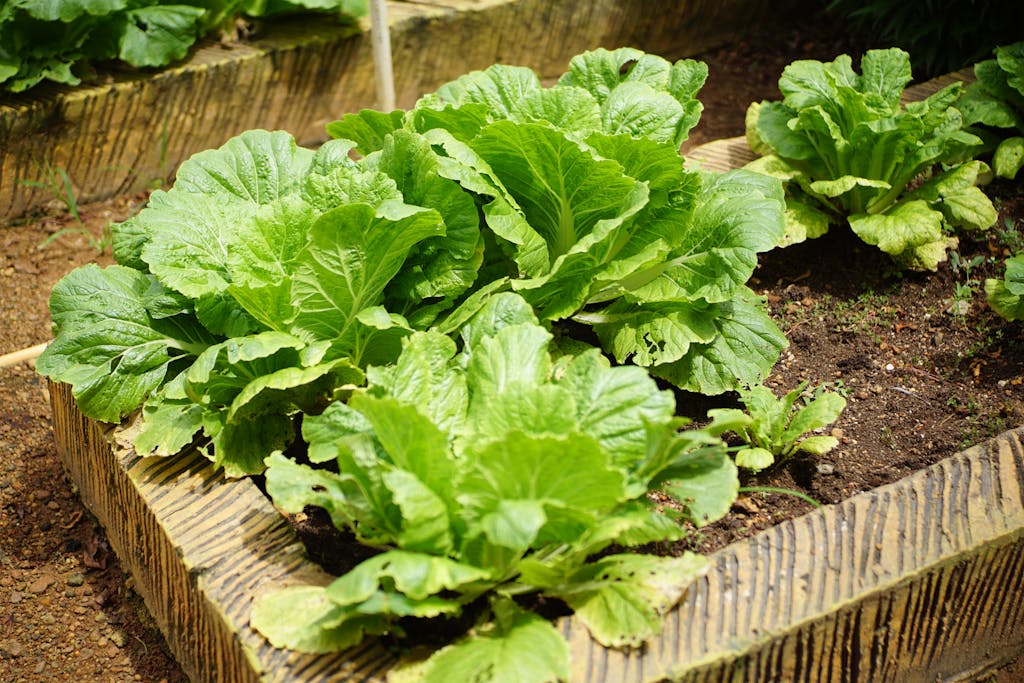
Cabbage does not get the attention it deserves because it looks too ordinary. That is a shame, because it is affordable, versatile, filling, and packed with fiber, antioxidants, vitamin C, and vitamin K. It can support digestion, add bulk to meals, and bring crunch without loading the plate with extra calories. For anyone trying to eat better on a budget, cabbage is one of the smartest vegetables to keep in the kitchen.
Another advantage is that cabbage lasts longer than many leafy greens. You can shred it for slaw, sauté it with onions, add it to soups, roast it in wedges, or use it in wraps and stir-fries. Red cabbage adds beautiful color, green cabbage brings mild sweetness, and fermented cabbage can offer a tangy boost to meals. If your grocery budget feels tight, cabbage gives you a lot of nutrition and volume for very little money.
Broccoli
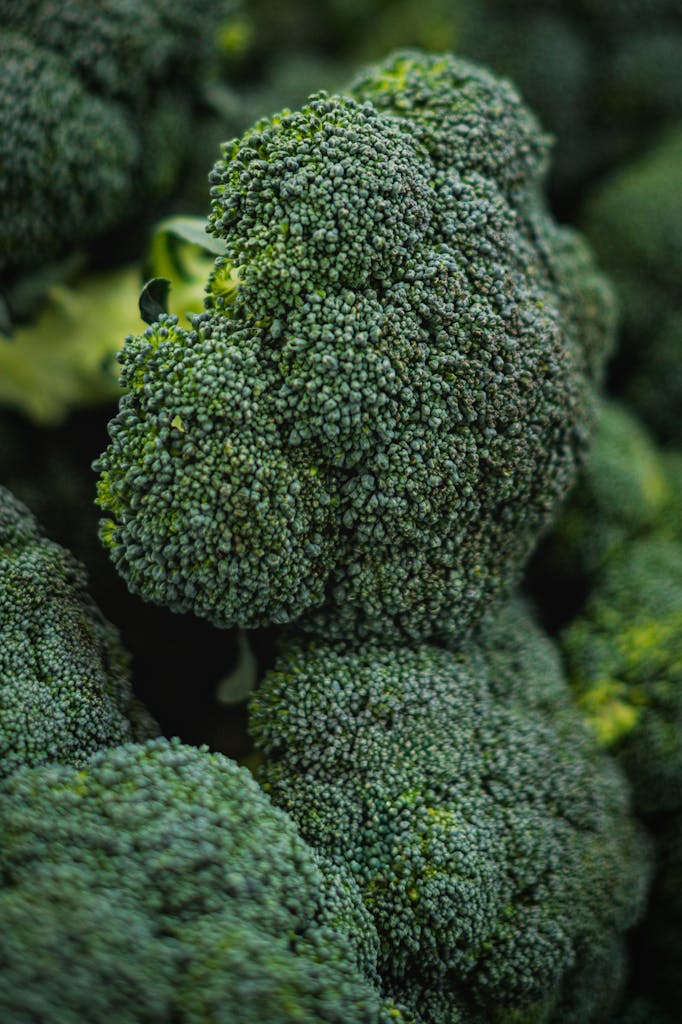
Broccoli is one of those vegetables many people push aside until they realize how much nutrition they are missing out on. It is rich in vitamin C, fiber, potassium, and plant compounds that help support the body’s natural defense systems. Its deep green color is a clue that it offers more than just basic crunch. When cooked well, broccoli can be tender, slightly sweet, and far more satisfying than its childhood reputation suggests.
The big mistake people make with broccoli is overcooking it until it turns limp, gray-green, and bitter. Steam it lightly, roast it with garlic, toss it into stir-fries, or chop it into soups for a cleaner flavor and better texture. Broccoli also works well in pasta bowls, rice dishes, omelets, and sheet-pan dinners. If your meals are too heavy on starch and low on color, broccoli is one of the easiest ways to fix that problem fast.
Spinach
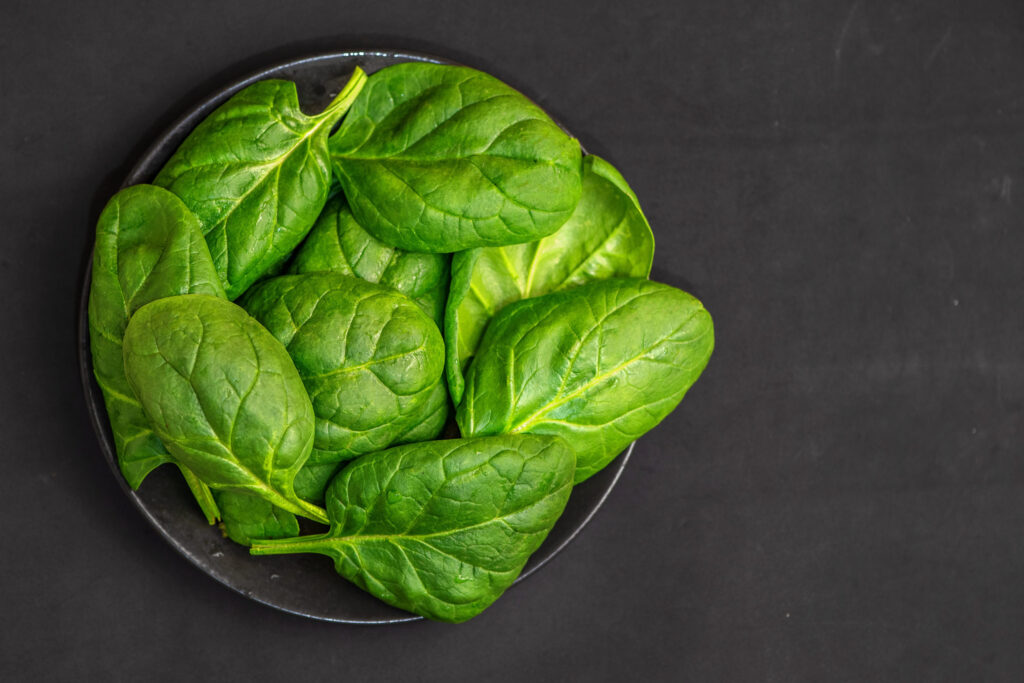
Spinach may look delicate, but it is one of the easiest power vegetables to use every day. It provides fiber, folate, vitamin K, iron, magnesium, and helpful plant pigments that support eye and overall wellness. The best part is that spinach requires little effort. You can eat it raw, wilt it into hot meals, blend it into smoothies, or stir it into sauces without changing the entire dish.
People who say they do not like vegetables often tolerate spinach because it blends quietly into meals. A handful can disappear into scrambled eggs, soups, stews, pasta, rice, beans, or a smoothie with fruit. That makes spinach useful for busy people who want better nutrition without having to cook a separate side dish every time. If your diet feels low in greens, spinach is the easiest starting point because it is quick, mild, and flexible.
Brussels Sprouts
Brussels sprouts have suffered from bad cooking for too long. Boiled until mushy, they can taste harsh and sulfur-like. Roasted properly, they become crisp on the edges, tender inside, and slightly nutty. That difference matters because Brussels sprouts are loaded with fiber, vitamin C, vitamin K, folate, and plant compounds that make them one of the most powerful vegetables in the cruciferous family.
They also help make meals feel fuller without relying on heavy sauces or extra refined carbs. Slice them in half, roast them with olive oil and seasoning, or shred them into salads for a crunchy base. They pair well with lemon, garlic, balsamic vinegar, mustard, onions, nuts, and grilled protein. If you avoid Brussels sprouts because of one bad experience, you may be missing one of the strongest vegetables for upgrading a tired diet.
Sweet Potatoes
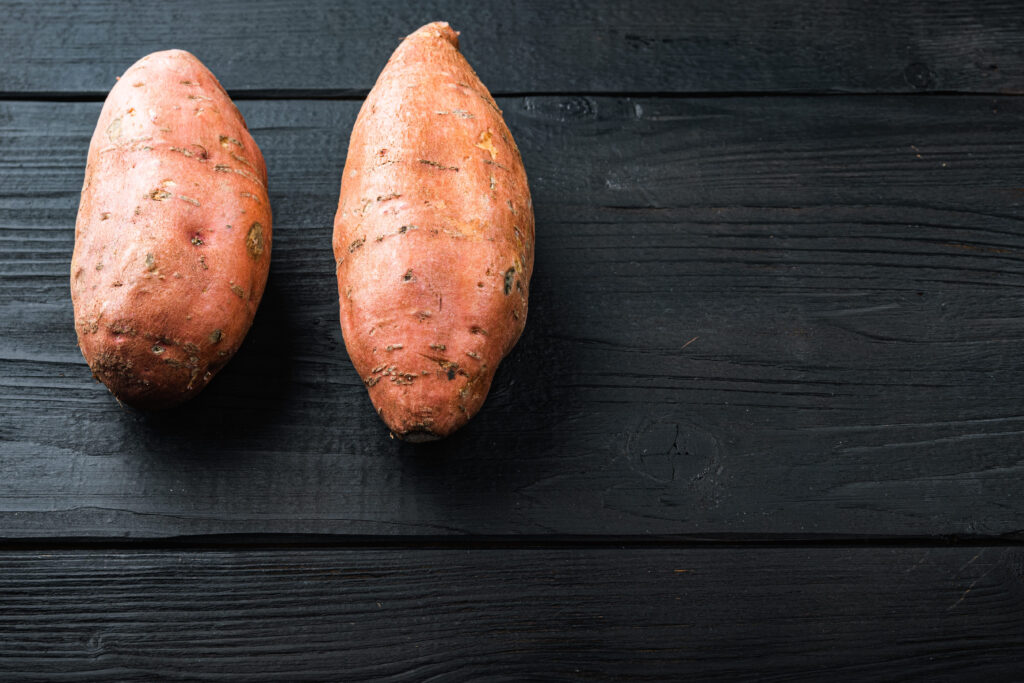
Sweet potatoes prove that healthy vegetables don’t have to be boring. They are naturally sweet, filling, and rich in fiber, vitamin A, vitamin C, potassium, and manganese. Their bright orange color comes from beta-carotene, a plant pigment that the body can convert into vitamin A. That makes sweet potatoes especially useful for people who want comfort food without depending on heavily processed snacks or fried sides.
They also work in many different meals. You can bake them whole, mash them, roast them in cubes, add them to soups, or slice them into wedges. A sweet potato with beans, greens, and a simple sauce can become a full meal instead of just a side dish. If you often crave chips, fries, or sugary snacks, sweet potatoes can offer a warm, satisfying flavor in a more nourishing way.
Conclusion
A stronger diet does not always require expensive powders, complicated meal plans, or trendy wellness rules. Sometimes it starts with adding better vegetables to meals you already eat. Broccoli, spinach, Brussels sprouts, sweet potatoes, and cabbage bring fiber, color, minerals, antioxidants, and satisfying texture to everyday dishes. They help turn plain meals into plates that feel more balanced, more filling, and more nourishing.
The real danger is not that you skip vegetables once in a while. The problem starts when low-fiber, low-color, overly processed meals become your daily pattern. Add one of these power vegetables to lunch or dinner this week, then build from there. Your plate will look better, your meals will feel fuller, and your body will get more of the nutrients it has been missing.