We all want a sparkling home that radiates comfort and care, but what if your cleaning routine is quietly sabotaging the very spaces you love? The truth is, many everyday habits we think are helping are actually causing long-term wear and tear. From overzealous scrubbing to over-wetting surfaces, these sneaky mistakes can chip, dull, and degrade your home over time. Understanding what to avoid can save your floors, appliances, and fixtures from premature damage, and it starts with recognizing the hidden hazards in your own cleaning routine.
Even the most dedicated cleaner can be unaware of the risks. The following ten habits are common, intuitive, and deceptively harmful. By rethinking the way you tackle chores, you can maintain a home that’s genuinely clean, safe, and lasting.
Below are 10 cleaning habits that are secretly ruining your home:
Using Way Too Much Cleaner
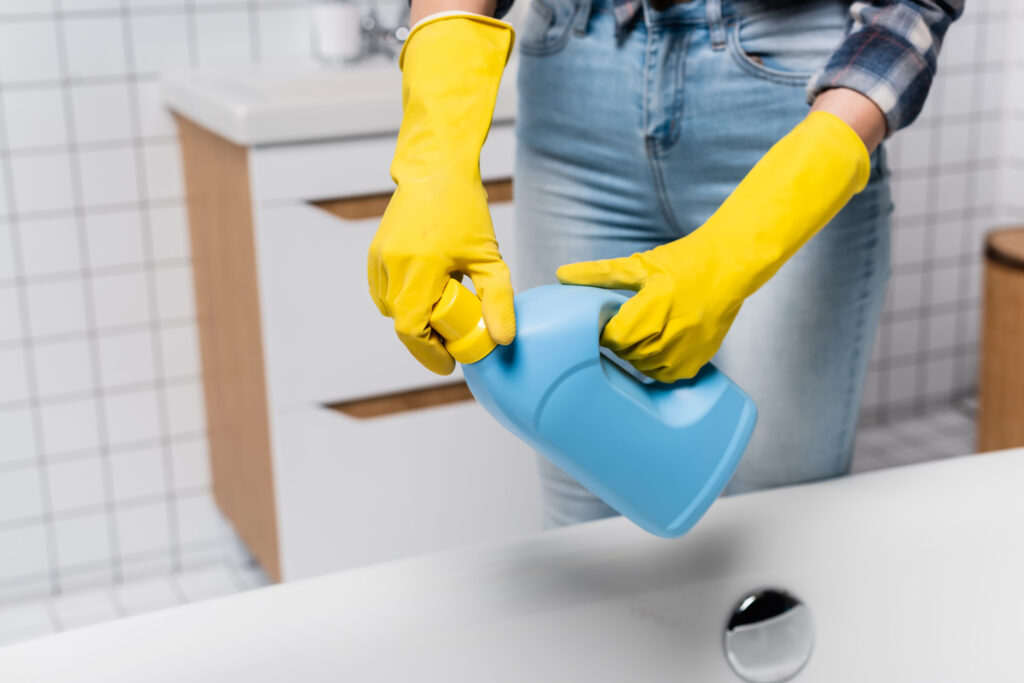
Spraying or pouring extra detergent might make you feel like you’re achieving a deeper clean, but too much product often backfires. Excess cleaner leaves a sticky residue that attracts more dirt, making surfaces appear grimy almost immediately after cleaning. This chemical buildup is particularly damaging to countertops, tiles, and sealed wood surfaces, slowly dulling finishes and undermining your efforts.
Overuse also stresses appliances like dishwashers and washing machines, where concentrated detergent residues can clog mechanisms or leave films on dishes and fabrics. A careful, measured application ensures surfaces are genuinely clean while avoiding chemical overload. Learning the right quantity transforms cleaning from a damaging ritual into a protective practice.
Bashing Surfaces With Harsh Tools
Steel wool, metal scrubbers, and abrasive pads can erase stubborn grime in seconds, but they leave invisible scratches that collect dirt and dull every surface. Even minor abrasions on counters, stovetops, and appliance exteriors accumulate over time, weakening coatings and inviting corrosion or staining. Microdamage might go unnoticed at first, but it compounds, compromising both beauty and durability.
Switching to soft microfiber cloths or non-scratch sponges protects surfaces while still removing debris effectively. This change may feel slower, but it preserves finishes and maintains a polished look longer. Protecting surfaces at the micro level prevents major, irreversible damage later.
Mixing Cleaners Without Thinking
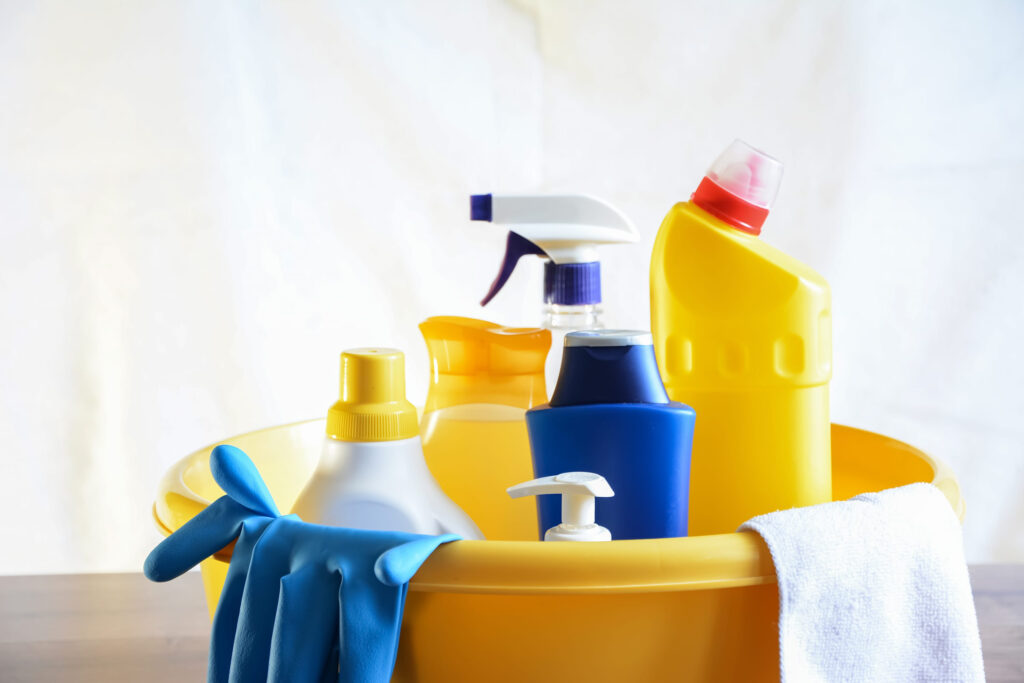
Many people combine products to boost power, believing more chemicals equals cleaner results. This instinct is risky; certain combinations, such as bleach and ammonia, can release toxic gases hazardous to breathe. Even mild mixes can degrade grout, erode sealants, and eat away at protective coatings.
The safest approach is to use one cleaner at a time, thoroughly rinsing surfaces between applications. Reading labels carefully and following the manufacturer’s instructions help avoid hidden chemical reactions. This habit keeps cleaning effective and prevents invisible, cumulative harm to your home.
Soaking Hardwood Floors
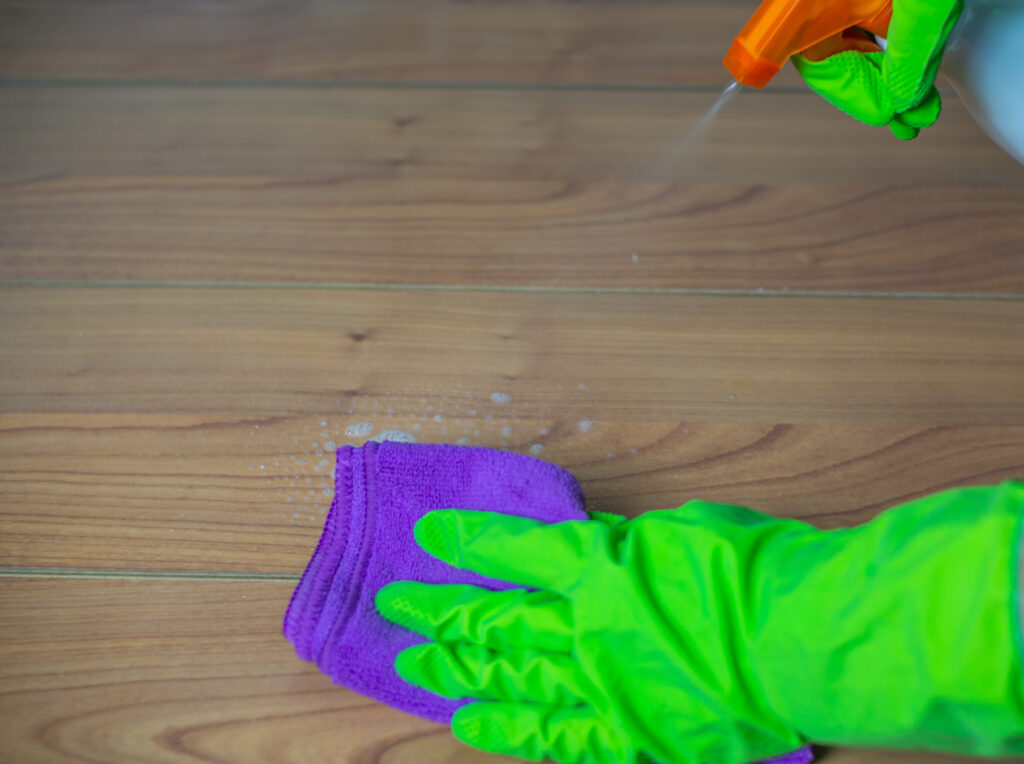
Water and wood are natural enemies, yet soaking floors is a common misstep. Overly wet mopping causes boards to swell, warp, or separate, leaving gaps that invite dirt, mold, and long-term structural issues. Even short periods of excess moisture can compromise the integrity of hardwood finishes.
A lightly damp microfiber mop is all that’s needed to lift dirt without saturating the wood. Combined with quick drying and proper ventilation, this prevents warping while still maintaining cleanliness. Respecting wood’s sensitivity is key to prolonging its life and beauty.
Neglecting Hidden Machine Parts
It’s easy to focus on visible surfaces while ignoring internal components of appliances and systems. Clogged dryer vents, dust-covered refrigerator coils, and uncleaned HVAC filters reduce efficiency and increase the risk of breakdowns or fire. Out-of-sight neglect silently damages machines that keep your home functional and safe.
Routine maintenance, like filter replacements and coil cleaning, preserves energy efficiency and extends appliance lifespan. Simple attention to these hidden elements can prevent costly repairs and maintain optimal performance. True home care requires looking beyond the obvious.
Spraying Electronics Directly
Touchscreens, monitors, and other gadgets attract fingerprints and smudges, prompting many to spray cleaner directly onto the device. This approach risks moisture seeping into ports, buttons, and seams, potentially causing short circuits or corrosion. Surface cleaning quickly turns into expensive damage without careful technique.
Spraying a soft cloth lightly first, then applying it to the electronics, avoids introducing liquids where they don’t belong. Regularly cleaning in this controlled way preserves both function and appearance. Protecting tech is as much about method as it is about frequency.
Using Vinegar on Stone
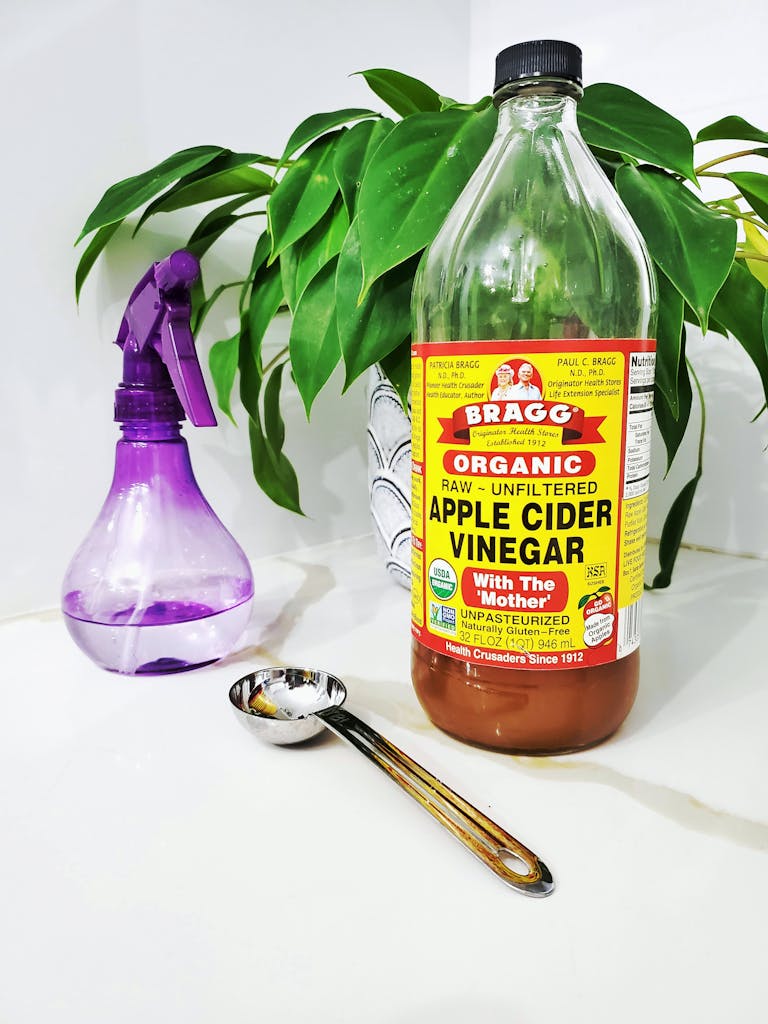
Vinegar is often hailed as a natural cleaning hero, but its acidity can attack natural stone such as marble, limestone, and granite. Acidic cleaners can etch surfaces, dull the shine, and degrade sealants, leaving the stone porous and vulnerable to stains. This seemingly harmless shortcut can ruin expensive countertops and flooring.
The safe solution is pH-neutral stone cleaners specifically formulated for natural stone. Following manufacturer guidance ensures durability while still keeping surfaces clean. Respecting stone’s unique chemistry protects both investment and appearance.
Letting Your Vacuum Suffocate
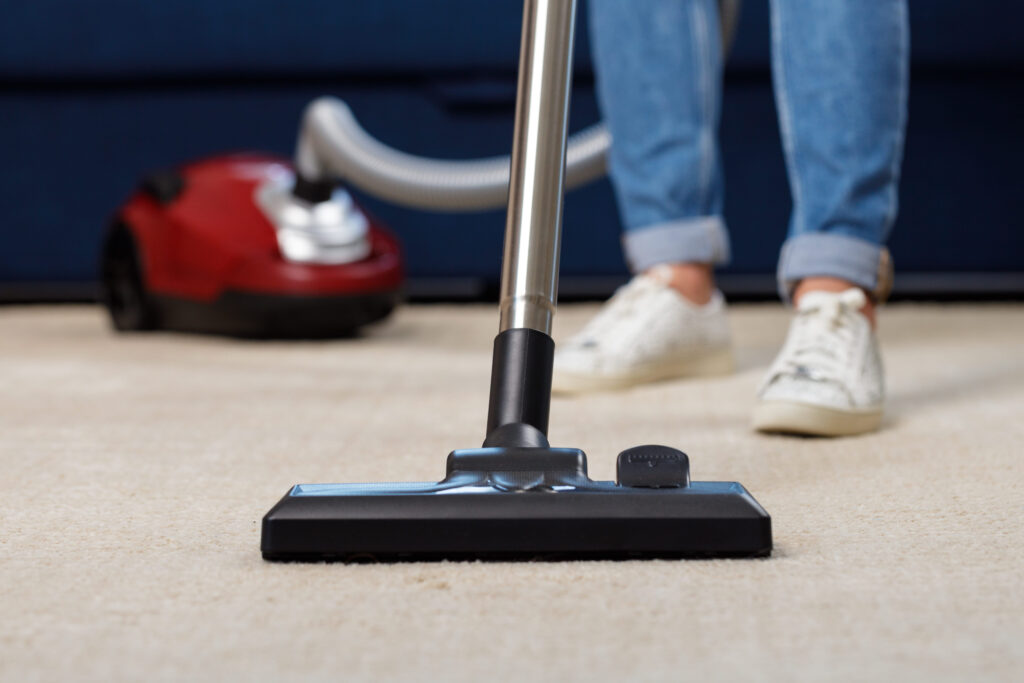
Vacuuming is essential, but ignoring brush rolls and suction paths causes more harm than good. Hair and debris wrapped around brushes reduce airflow, put strain on motors, and can scratch floors if the roll drags rather than rotates. Efficiency drops, and your cleaning efforts can ironically create new wear.
Regularly clearing brushes and emptying bags or canisters keeps vacuums operating at peak performance. Simple maintenance prevents mechanical damage and keeps floors intact. Proper vacuum care supports long-term cleanliness without accidental harm.
Draping Damp Towels on Fixtures
Hanging wet towels over faucets or rails seems harmless, yet trapped moisture accelerates corrosion, spotting, and finish degradation. Metals tarnish, wood warps, and fixtures lose their protective coatings, undermining both aesthetics and function. Small moisture habits accumulate over months into significant damage.
Allowing towels to dry fully on racks and wiping down fixtures ensures longevity. Even minor adjustments in drying routines prevent moisture-related deterioration. These small steps maintain both hygiene and hardware quality.
Skipping Dusting Before Vacuuming
Vacuuming alone, without pre-dusting, redistributes dust back into the air, allowing particles to settle on surfaces and in corners. Dust first, then vacuum, and you remove allergens more effectively while protecting finishes. Otherwise, effort is wasted as grime cycles endlessly through your space.
A simple sequence adjustment dramatically improves indoor air quality and preserves furniture, fixtures, and carpets. A strategic dusting-and-cleaning order makes every pass more productive. Optimizing technique is as important as regularity in protecting your home.
Conclusion
Cleaning is an art, not just a routine. Every tool, product, and technique carries consequences if used thoughtlessly. By adjusting habits with the right amounts, soft tools, proper sequences, and mindful moisture management, you transform daily chores into home-preservation strategies.