People everywhere search for the fountain of youth, but longevity is rarely a matter of luck. It’s a combination of lifestyle, diet, mindset, and environment. Across continents, certain communities have cultivated habits that consistently yield healthier, longer lives. From mindful eating in Okinawa to the crisp, clean air of Iceland, these practices reveal how culture and daily choices influence lifespan.
Olive Oil

In Greece and Italy, olive oil isn’t just a condiment; it’s a lifestyle cornerstone. Rich in monounsaturated fats and polyphenols, it combats oxidative stress and inflammation, reducing the risk of heart disease. Studies show that populations following a Mediterranean diet, which includes olive oil as a staple, exhibit lower rates of cardiovascular events and greater longevity.
Beyond cooking, olive oil supports metabolic health and cognitive function. Regular consumption may improve insulin sensitivity and reduce the progression of neurodegenerative conditions. Its versatility allows it to be integrated into salads, cooking, and even skincare routines, making it an effortless, health-promoting habit.
Ikigai
The concept of Ikigai combines passion, mission, vocation, and profession into a singular sense of purpose. Japanese studies, particularly among residents of Okinawa, suggest that having a clear reason to wake up each morning is strongly associated with longer life expectancy.
Ikigai encourages alignment between what you love, what you’re good at, what the world needs, and what you can earn from. This alignment reduces stress, promotes mental resilience, and fosters social engagement, all of which are key predictors of longevity.
Red Wine in Moderation
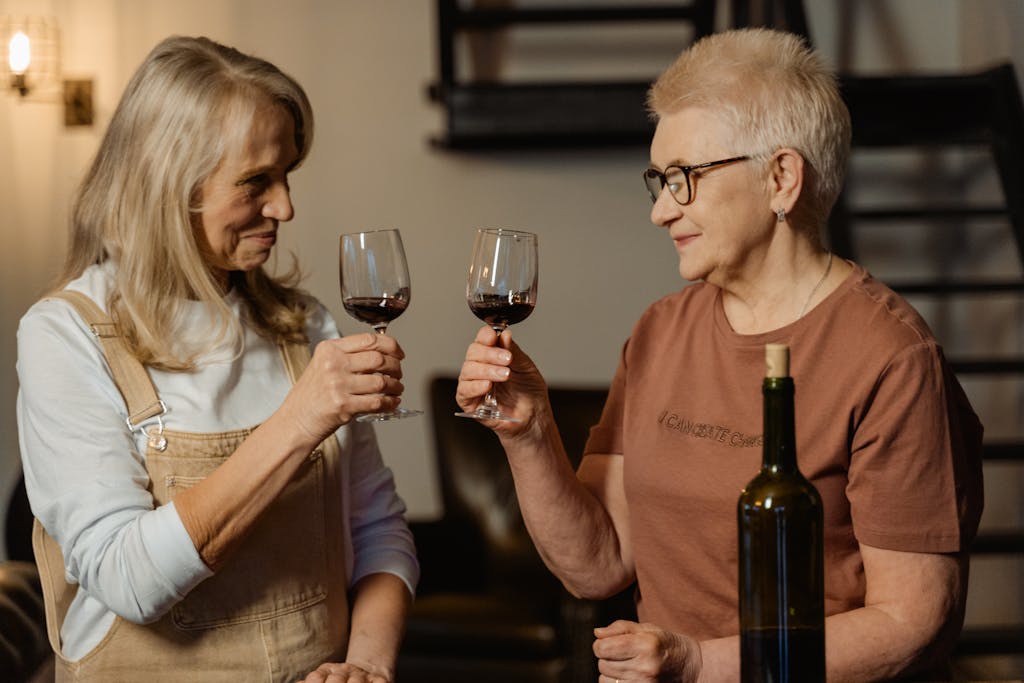
In France, Italy, and Spain, moderate red wine consumption accompanies meals and social interaction, not indulgence. Red wine contains resveratrol and flavonoids that support cardiovascular health and reduce inflammation. Epidemiological studies suggest that moderate drinkers often have improved heart function and a lower incidence of coronary artery disease.
Importantly, these countries integrate wine with balanced diets and regular activity. Longevity here appears tied not only to antioxidants but also to the rituals of sharing meals, slowing down, and fostering social bonds.
Hara Hachi Bu
Okinawans practice Hara Hachi Bu, stopping meals when approximately 80% full. This form of caloric moderation reduces metabolic strain, supports healthy weight maintenance, and lowers risks of diabetes and heart disease.
Mindful eating, as demonstrated by Hara Hachi Bu, emphasizes portion control without starvation. By listening to satiety signals, individuals avoid overeating, supporting digestive efficiency and longevity.
Ayurveda
Rooted in India, Ayurveda emphasizes daily routines tailored to each individual’s dosha. Practices include dietary guidelines, herbal supplementation with turmeric or ashwagandha, oil pulling for oral health, and structured sleep patterns.
Ayurveda promotes equilibrium of mind, body, and spirit. Evidence suggests that following Ayurvedic principles can support immune function, reduce stress, and improve metabolic health, contributing to a longer, more resilient life.
Sauna Rituals
Finnish sauna culture exemplifies the benefits of heat exposure. Regular sauna sessions improve cardiovascular function, enhance circulation, and reduce blood pressure. Finnish longitudinal studies indicate frequent sauna use correlates with lower all-cause mortality.
Saunas also provide stress relief, social bonding, and relaxation. The combination of physical benefits and mental rejuvenation reinforces the holistic impact of this simple yet powerful practice.
Siesta

Spain’s siesta tradition mitigates afternoon fatigue and improves cognitive performance. Short naps have been shown to lower stress hormones, improve memory consolidation, and support cardiovascular health.
Communities that embrace rest as part of their daily routine demonstrate lower rates of heart disease and greater overall well-being. Strategic rest, even for 20–30 minutes, acts as a protective factor against the health impacts of chronic stress.
Pura Vida
Costa Ricans embrace Pura Vida, a mindset celebrating simplicity, community, and optimism. High life satisfaction and strong social networks contribute to psychological resilience and reduced stress, which are essential for longevity.
The combination of active lifestyles, plant-rich diets, and a positive outlook supports both mental and physical health. Pura Vida underscores the role of happiness and social cohesion as critical determinants of longevity.
Chinese Tea Culture
In China, tea drinking is both ceremonial and daily. Oolong, pu-erh, and green teas contain catechins and polyphenols that support cardiovascular health, aid weight management, and provide antioxidant protection.
The mindfulness inherent in tea rituals promotes calm, reduces stress, and encourages a slower, more intentional way of living. Regular tea consumption, coupled with ritualized mindfulness, provides a dual pathway to improved longevity.
Icelandic Clean Living

Icelanders benefit from some of the cleanest air in the world, low pollution levels, and abundant outdoor activities. Regular exposure to pristine natural environments supports respiratory health, reduces stress, and encourages physical exercise.
Community integration and strong social support further enhance mental well-being. Combined, environmental quality, activity levels, and social cohesion create a framework conducive to longer, healthier lives.
Conclusion
Longevity emerges from an interplay of diet, mindfulness, purpose, environment, and social connection. Integrating elements like mindful eating, purposeful living, moderate antioxidant intake, structured rest, and environmental wellness can collectively extend both lifespan and healthspan.
Which of these global practices could you integrate into your daily life to build a longer, healthier future?