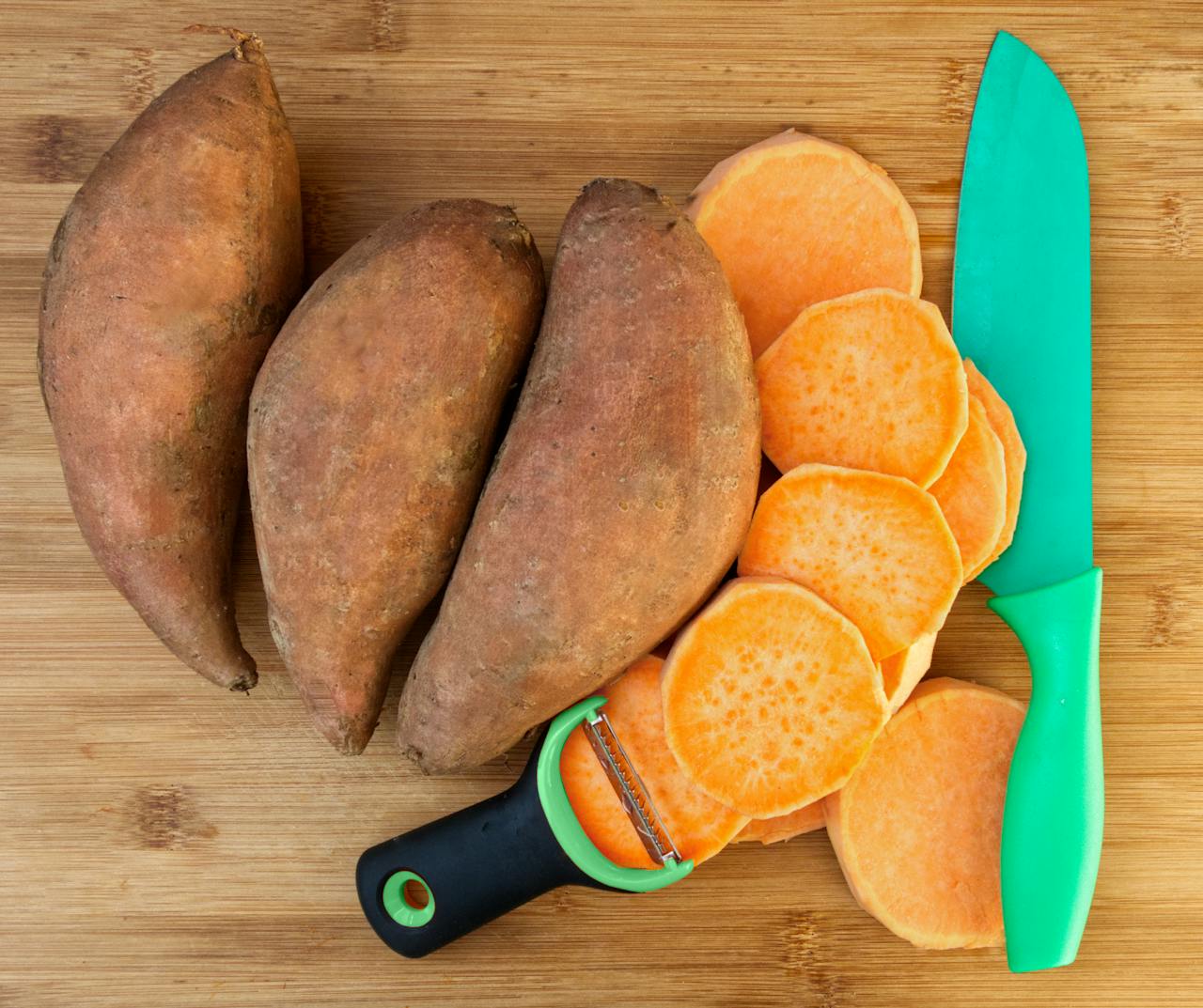
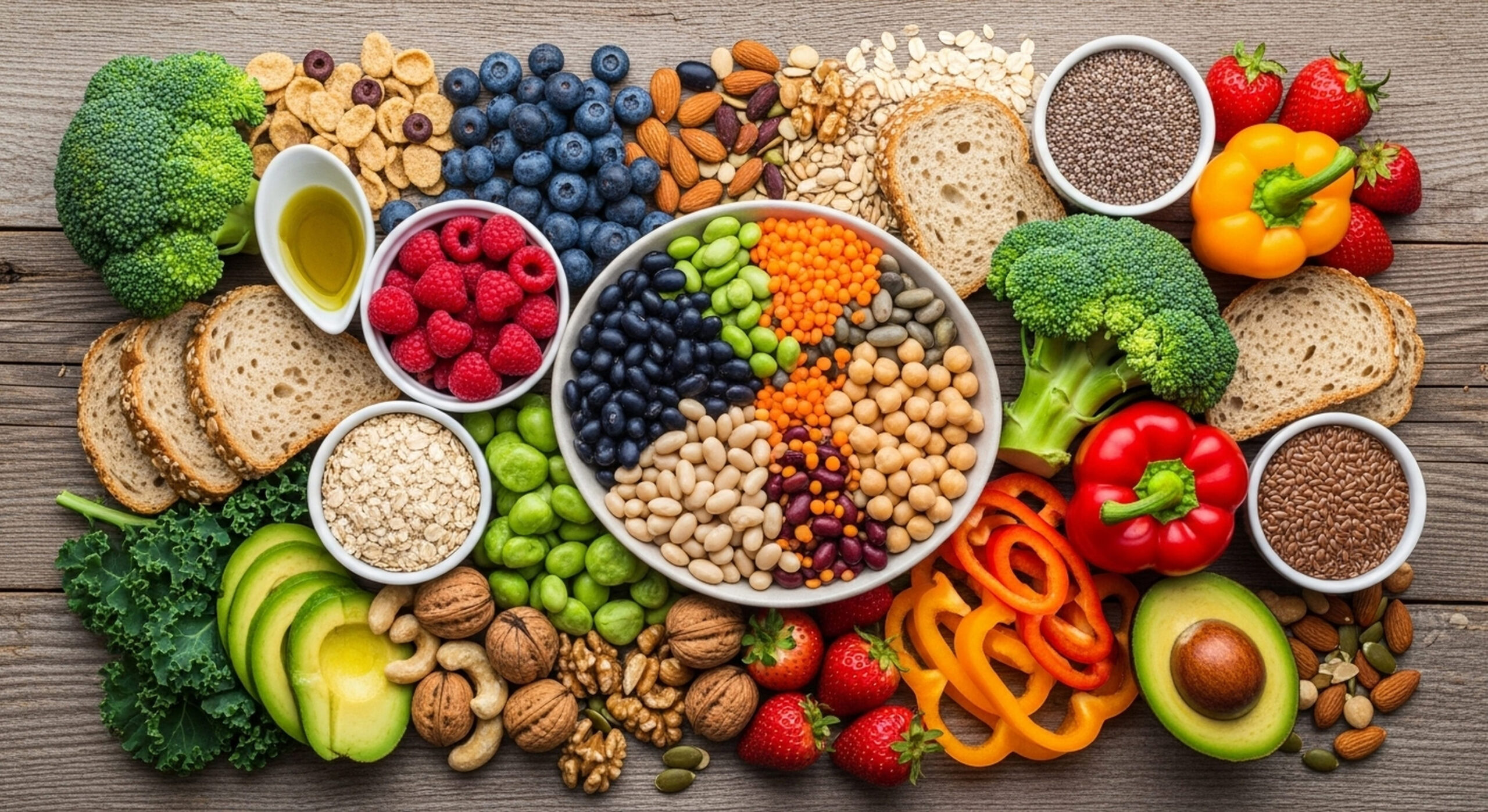
Your kitchen counter is the heart of daily activity, a space where ingredients are prepped, meals are plated, and snacks are within easy reach. But not everything belongs on this prime real estate. Leaving certain foods at room temperature can compromise freshness, flavor, and, most importantly, safety. Experts emphasize that improper storage of perishable or moisture-rich foods can accelerate spoilage, promote bacterial growth, and increase health risks, even if the food still looks appealing.
Below is an expanded, detailed guide on 15 foods you should never leave on your kitchen counter, with insights into why each item requires special care:
Eggs
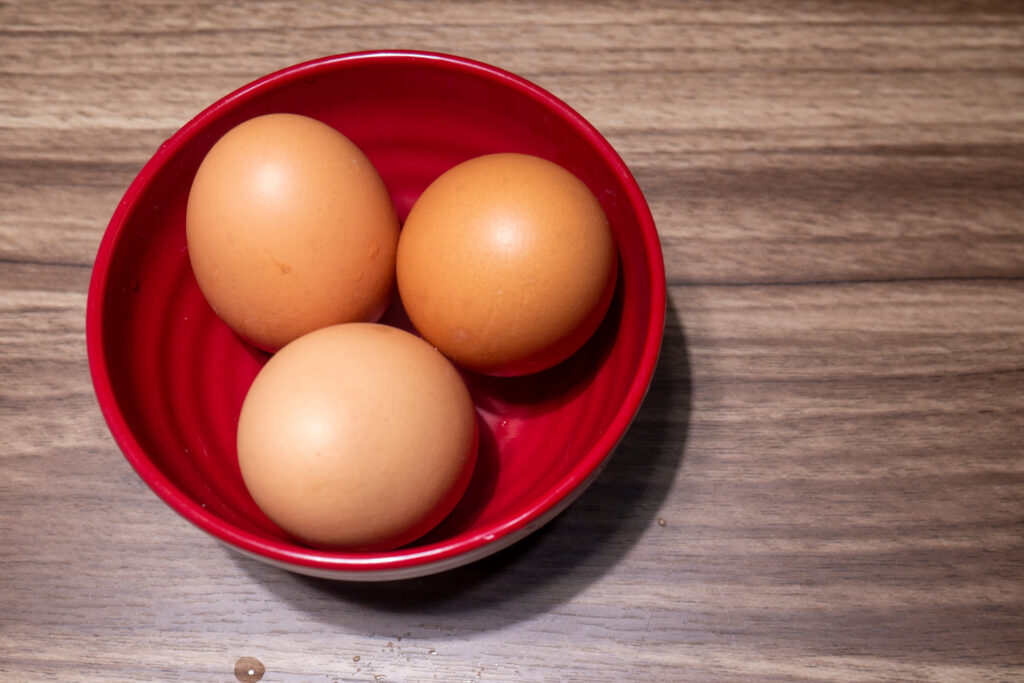
In the United States, commercially sold eggs are washed and stripped of their natural protective coating, making them highly susceptible to Salmonella contamination if left unrefrigerated. Storing eggs at room temperature encourages bacterial growth, which can multiply quickly, reducing both safety and shelf life. Eggs left out for even a few hours can reach unsafe temperatures, and subtle cracks or imperfections in the shell make them even more vulnerable.
Refrigeration not only preserves their freshness but also maintains the structural integrity of the whites and yolks, ensuring that eggs perform as expected in baking, frying, or boiling.
Asparagus
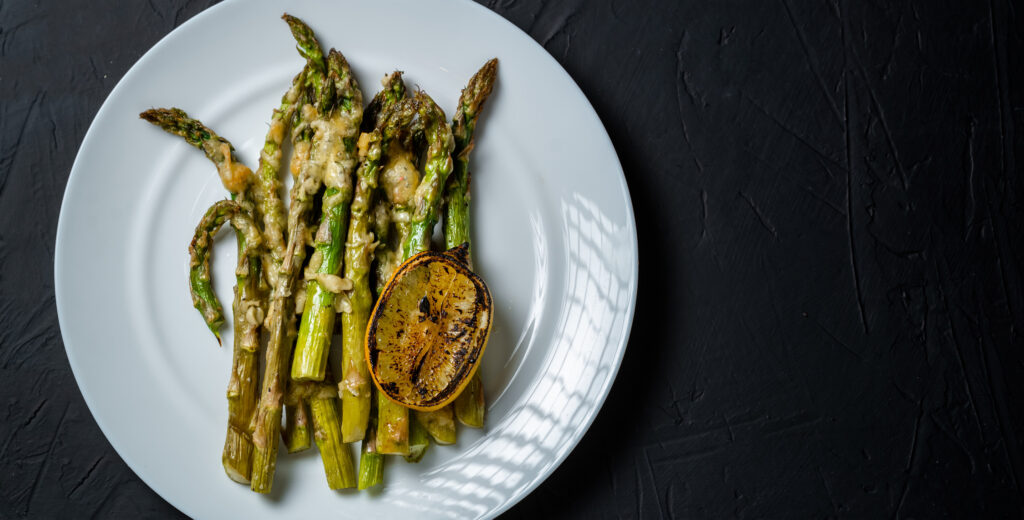
Asparagus is a nutrient-dense, water-rich vegetable that rapidly loses quality at room temperature. When left out, the stalks begin to wilt, dry, and become rubbery, and the vibrant green color fades, signaling a loss in flavor and visual appeal. Nutrient degradation also occurs, particularly in vitamins C and K, which diminish quickly when exposed to heat and air.
Refrigeration slows water loss and maintains the stalks’ crispness, making them suitable for steaming, roasting, or eating raw. Even storing the asparagus upright in a glass of water in the fridge can help preserve freshness and flavor for several days.
Bell Peppers
Bell peppers are highly sensitive to ambient temperature. Left on the counter, they lose moisture, shrivel, and develop a less appealing appearance. Over time, the flesh softens, diminishing the crisp texture prized in salads, stir-fries, or raw snacking. In addition, heat exposure accelerates the breakdown of vitamin C and other antioxidants, reducing the nutritional value of the peppers.
Refrigerating bell peppers in a crisper drawer helps maintain their texture and bright, colorful skin, keeping them flavorful and ready to eat longer.
Berries
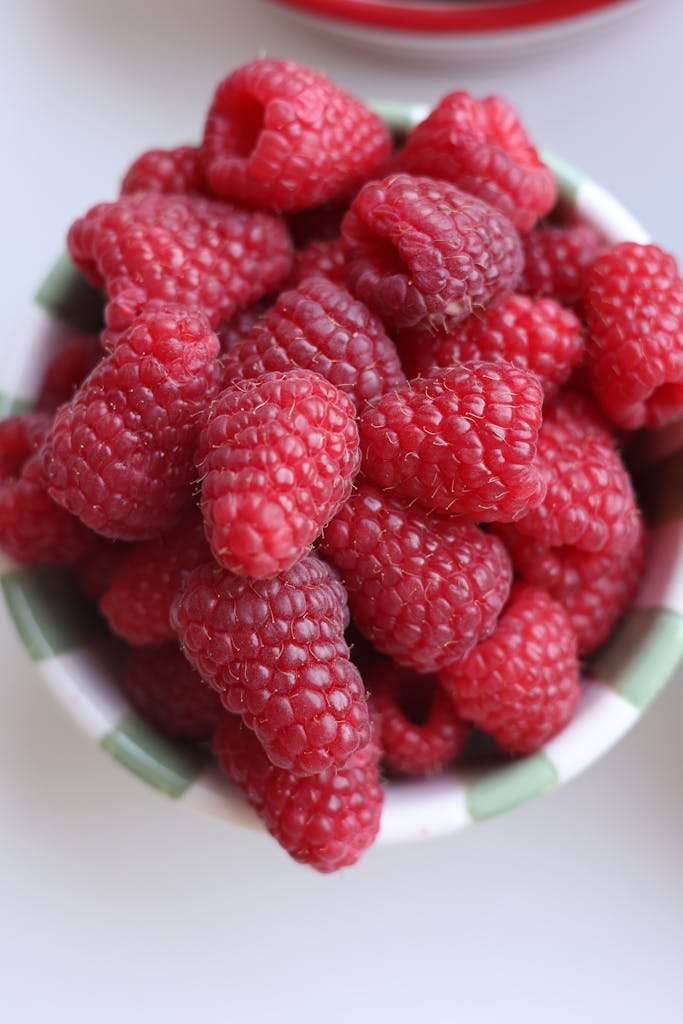
Berries, including strawberries, blueberries, raspberries, and blackberries, are extremely delicate due to their thin skin and high sugar content. Room temperature accelerates bacterial and mold growth, often within a day, especially if the berries are not fully dry.
Refrigeration slows the growth of pathogens, extends freshness, and preserves the fruit’s natural sweetness, tartness, and firmness. Proper storage in ventilated containers in the fridge also minimizes moisture buildup, preventing premature spoilage and reducing waste.
Potatoes

While potatoes should not be exposed to direct sunlight, leaving them on a warm kitchen counter causes them to sprout more quickly and produce solanine, a bitter, potentially toxic compound. Warm temperatures accelerate moisture loss, which can result in wrinkled skin and a shriveled texture, making potatoes less suitable for cooking.
Proper storage in a cool, dark, well-ventilated space, such as a pantry or cupboard, helps maintain firmness, flavor, and nutritional quality for longer periods. Avoid storing potatoes in plastic bags, as they trap moisture and promote rot.
Cucumbers
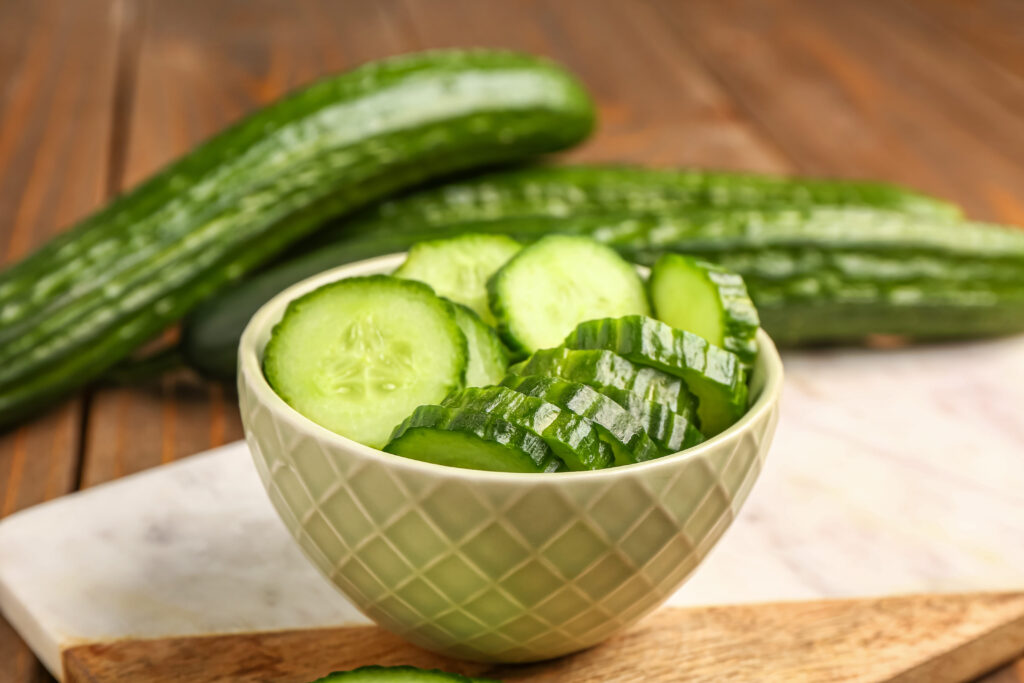
Cucumbers are 95% water, making them highly vulnerable to dehydration. Left at room temperature, they quickly lose moisture, becoming soft, limp, and less palatable. Prolonged exposure to heat can also diminish their crispness and reduce vitamin content, including vitamin K and antioxidants.
Refrigeration helps maintain hydration and preserves the firm texture necessary for fresh salads, sandwiches, and snacking. Wrapping cucumbers loosely in a paper towel before refrigerating can further extend shelf life by absorbing excess moisture and preventing mold growth.
Mayonnaise and Certain Condiments

Mayonnaise, especially egg-based varieties, is a breeding ground for bacteria if left unrefrigerated after opening. Exposure to room temperature accelerates spoilage and may alter taste and consistency. Other condiments containing dairy, eggs, or high-moisture ingredients, such as salad dressings or certain sauces, are similarly vulnerable.
Keeping these items refrigerated not only ensures safety but also preserves their intended flavor and texture, maintaining quality for sandwiches, dips, and dressings.
Pre-Cut or Sliced Produce
Once fruits and vegetables are cut, their protective skins are removed, exposing internal tissues to air and bacteria. Room temperature storage encourages rapid bacterial growth, especially on melons, pineapple, leafy greens, and other moist produce. Spoilage occurs more quickly, with signs including softening, discoloration, and an off smell. Refrigerating pre-cut produce immediately in airtight containers keeps it safe, maintains nutrients, and ensures it remains crisp and ready to eat.
Cooked Rice and Leftovers
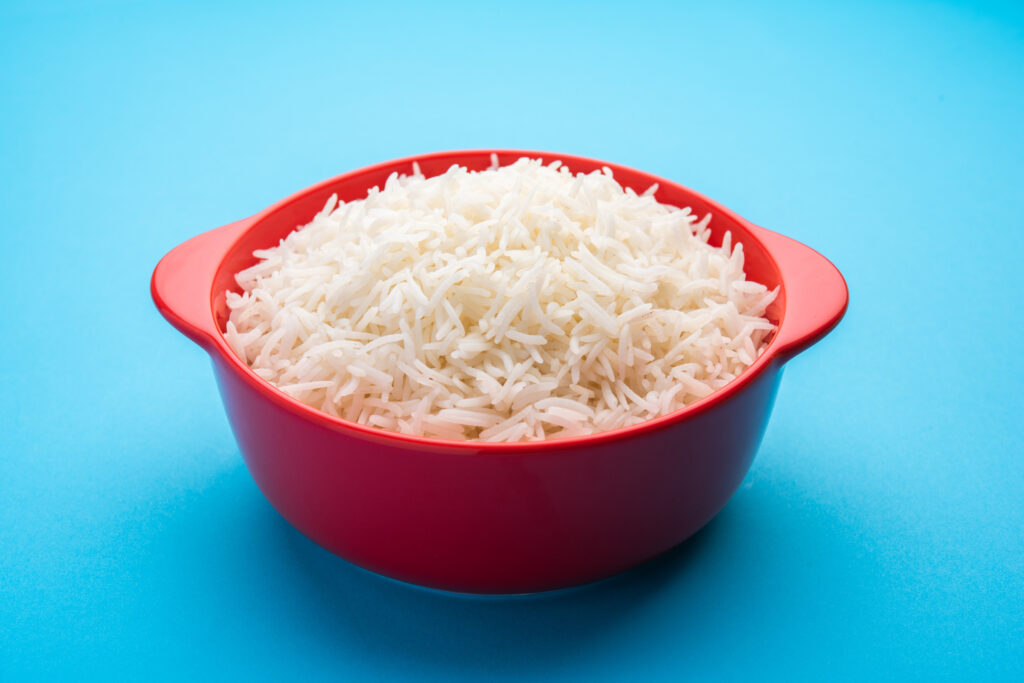
Cooked rice and other grains are susceptible to Bacillus cereus, a spore-forming bacterium that can survive cooking and multiply if rice is left at room temperature. Leftovers, including pasta, meats, and casseroles, enter the bacterial “danger zone” when kept out for more than two hours.
Refrigeration slows bacterial growth, preserves flavor, and maintains safe moisture levels. Proper cooling before refrigeration, ideally in shallow containers, helps avoid condensation and ensures leftovers remain safe to consume.
Bread with Moisture-Rich Fillings
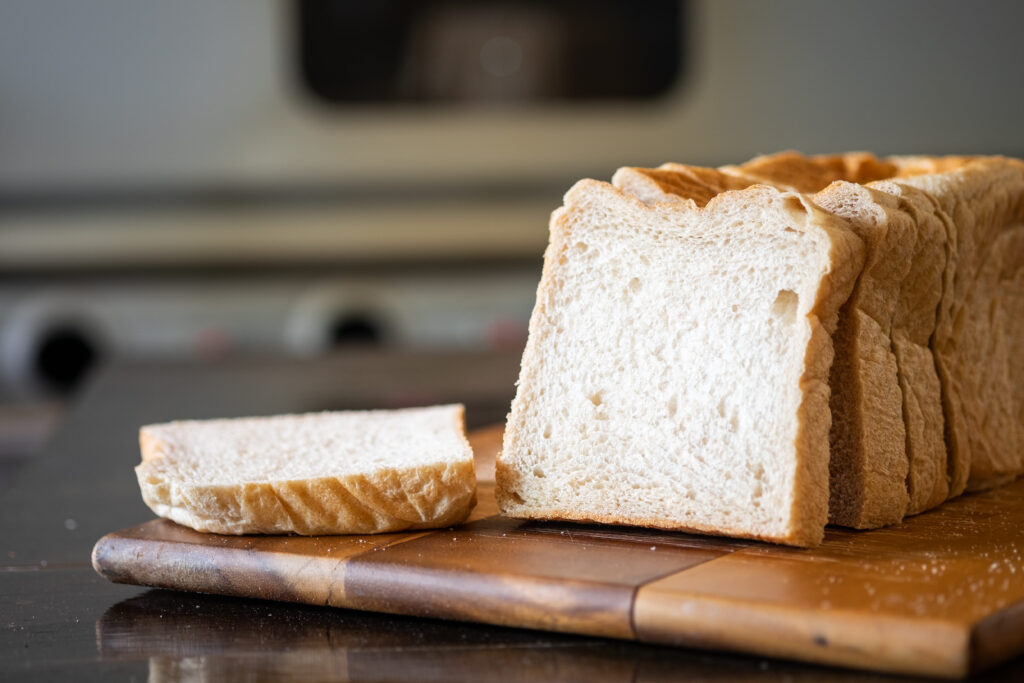
Bread is generally shelf-stable, but varieties containing eggs, dairy, cream, or fruit fillings are highly perishable. These ingredients foster bacterial growth and mold development when left at room temperature. Even plain bread in humid conditions may develop mold faster than expected.
Refrigeration or freezing slows microbial growth, preserves flavor, and prevents waste, especially for bakery-fresh or artisanal breads that lack preservatives.
Natural Nut Butters
Natural nut butters, made from just nuts and oil, oxidize quickly at room temperature. Heat exposure accelerates rancidity, leading to an unpleasant flavor and reduced levels of healthy fats and nutrients. Refrigeration maintains freshness, prevents separation, and extends shelf life while keeping the creamy texture intact for spreading or baking.
Baked Goods with Dairy or Egg
Cakes, pastries, custards, and other dairy- or egg-containing desserts should never be left unrefrigerated for long periods. These foods rapidly enter the bacterial “danger zone,” increasing the risk of foodborne illness. Refrigeration preserves texture, prevents spoilage, and maintains visual appeal.
Even brief exposure at room temperature can compromise both taste and safety.
Soft Cheeses
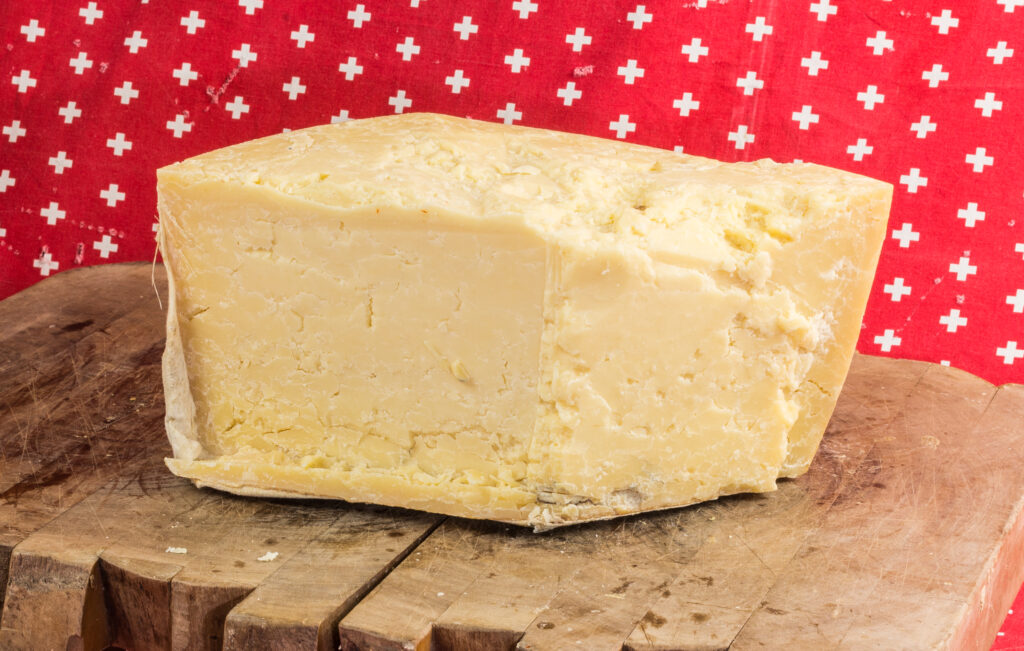
Hubertl, CC BY-SA 4.0, via Wikimedia Commons
Soft cheeses like Brie, Camembert, and fresh mozzarella are high in moisture, making them prone to rapid bacterial growth if left out. Exposure to warmth accelerates spoilage, diminishes flavor, and increases mold formation.
Refrigeration is critical to maintain safety, texture, and optimal taste, ensuring these cheeses remain creamy and enjoyable.
Fresh Herbs

Basil, cilantro, parsley, and other fresh herbs are highly sensitive to temperature. Left on the counter, they wilt quickly, lose flavor, and dry out.
Refrigerating herbs, ideally wrapped in a damp paper towel or stored in a glass of water, prolongs freshness and preserves their essential oils, which contribute to aroma and taste.
Shellfish and Seafood
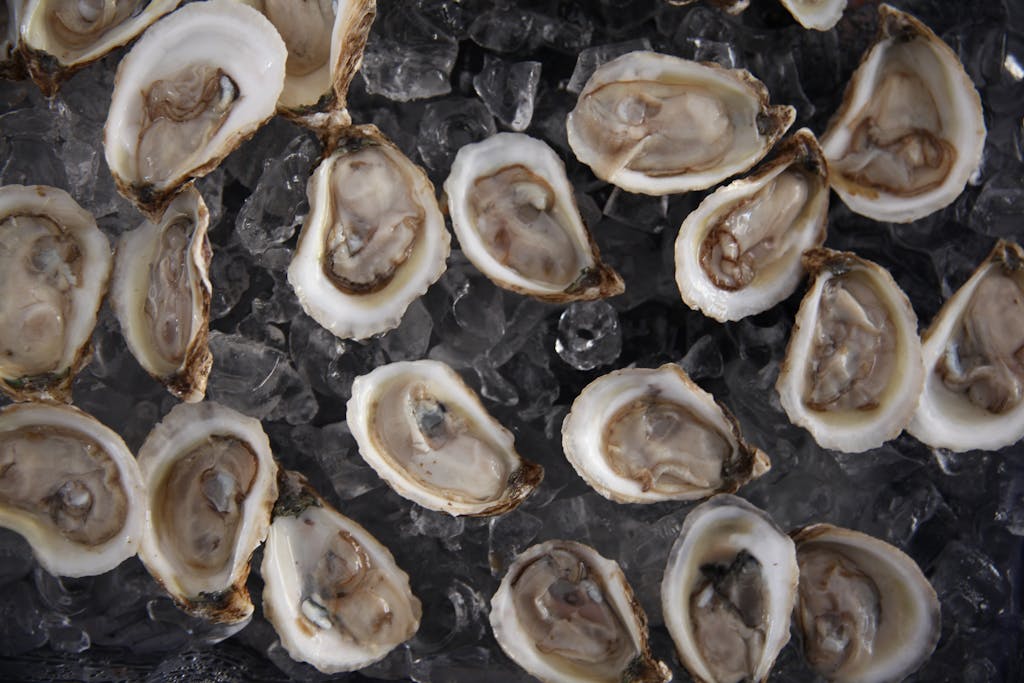
Raw shrimp, fish, oysters, and other seafood should never be kept at room temperature. Warm conditions accelerate bacterial growth, making them unsafe to consume. Ice-packed refrigeration preserves freshness, slows microbial multiplication, and maintains both flavor and texture.
Proper seafood storage is critical to prevent foodborne illness and ensure optimal culinary results.
Conclusion
The kitchen counter may feel convenient, but it is not a substitute for proper food storage. Leaving these 15 foods at room temperature accelerates spoilage, encourages bacterial growth, and can compromise both flavor and health. Understanding which items require refrigeration or controlled storage ensures your kitchen remains safe, your ingredients stay fresh, and your meals taste their best.