Your home should be a sanctuary, clean, safe, and organized, but all too often, we clutter it with things that do more harm than good. Professional organizers, interior designers, and home safety experts agree that certain items should never be tucked away in closets, garages, basements, or attics because they can cause damage, pose health risks, invite pest infestations, or even pose safety hazards. Understanding what shouldn’t be stored and why can help you create a home that feels spacious, secure, and well‑managed.
Below are 10 things you should never store in your home and why:
Hazardous and Chemical Products
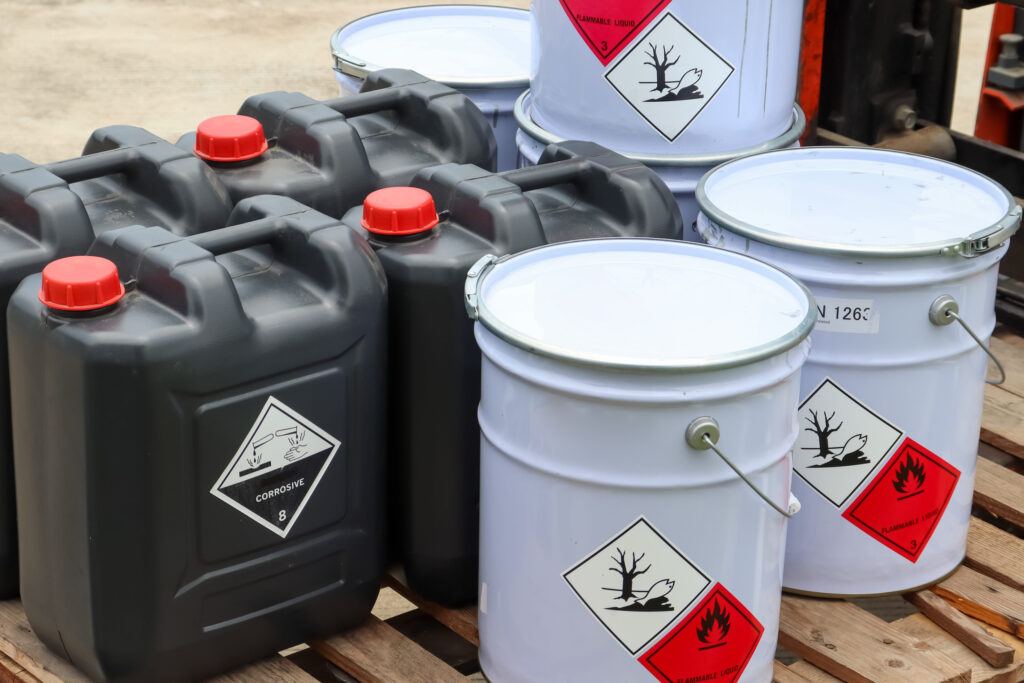
Cleaning supplies, solvents, paints, insecticides, and flammable liquids may feel like common household items, but storing them in random corners of your home, especially in living spaces, can be dangerous. These substances often emit volatile fumes that are unhealthy to breathe in enclosed spaces, and trace chemicals can settle on fabrics or food surfaces.
Flammable liquids and aerosols pose a fire risk when stored near heat sources or electrical equipment. Pressure‑filled containers, such as propane tanks, lighter fluid, and paint cans, may explode or leak if exposed to heat or rough handling. Hazardous materials belong in approved outdoor storage areas, lockable cabinets designed for chemical storage, or, even better, safely disposed of at local hazardous waste facilities if they’re no longer needed.
Expired Food and Perishable Items
It may seem harmless to tuck an extra box of cereal or a forgotten jar of sauce into a pantry corner, but storing expired or perishable food inside your house is risky for several reasons:
Pests and rodents are immediately drawn to food odors and residues, even when the packaging appears sealed. This can lead to ants, cockroaches, and mice invading not only the storage area but also other parts of your home. Perishable foods, even canned goods with long shelf lives, can deteriorate over time, developing mold or bacteria without you noticing until it’s too late.
Food clutter takes up valuable space that could be used for items that actually need long-term storage. For best practice, consume or rotate pantry items regularly, honestly assess what you won’t use, and donate unopened food that’s still safe to charities or food banks rather than letting it sit and attract pests.
Important Documents and Keepsakes in Uncontrolled Spaces
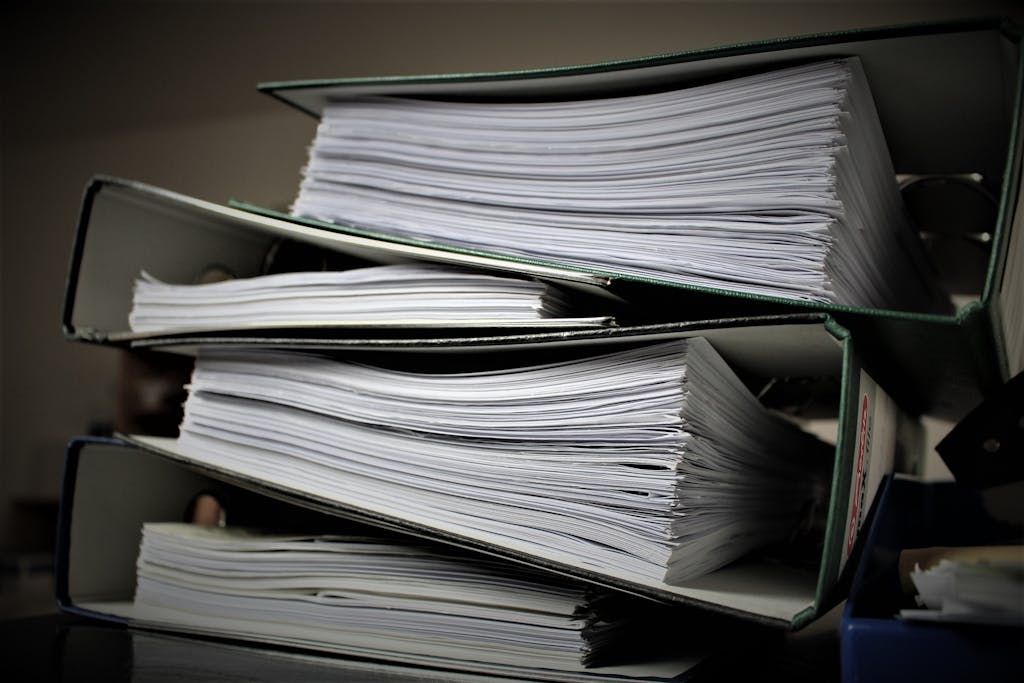
Old papers, passports, family photos, birth certificates, and other irreplaceable documents often end up shoved into basements, attics, or storage closets with good intentions. But these areas are typically subject to temperature fluctuations, humidity, and pests that can irreversibly damage valuable items.
Heat can cause photos to fade and curl; humidity can cause paper to stick together or develop mildew. Insects and rodents are attracted to paper and fabric, chewing through documents and leaving behind droppings. Once sentimental items become warped or moldy, restoration is often impossible.
Important papers and keepsakes should be kept in climate‑controlled, secure areas of the home, such as a fire‑ and water‑proof safe or a designated drawer away from dampness and direct sunlight.
Wet or Damp Items
It’s tempting to toss that damp jacket, wet blanket, or recently washed cushion into a closet or basement until it dries, but don’t do it. Water and moisture are silent destroyers. Even minor dampness invites mold and mildew growth, which spreads quickly and can damage not just the damp item but everything around it.
Musty smells can become entrenched in fabrics, and once mildew takes hold, deodorizing and cleaning become major chores. Basements and closets often lack adequate airflow, which can amplify moisture problems rather than resolve them. Always allow items to dry completely in well‑ventilated areas before storing them and use moisture absorbers or silica gel packs in storage zones prone to humidity.
Excess Plastic Grocery Bags and Single‑Use Containers

What seems like a harmless collection of bags quickly becomes clutter that eats up valuable space and creates visual chaos. But beyond aesthetics, plastic bags and single‑use containers cause deeper issues; They trap dust and odors, making the area feel grimy and harder to clean.
Bags provide nesting material for pests like rodents and insects, which then spread to other household storage areas. Excess plastic adds to long‑term environmental waste if it isn’t recycled or repurposed wisely.
Streamline your home by keeping a small, curated supply of reusable bags in one designated spot and recycling or discarding excess.
Broken or Irreparable Electronics
Old phones, outdated tech, and broken appliances often collect in closets because we think we’ll fix them someday. But such electronic clutter often remains untouched and ultimately degrades over time due to battery leaks or component corrosion.
Takes up space that could be used for items with real value, and creates tangled wires and visual chaos, making storage more difficult. Donate working tech and responsibly recycle broken devices. Electronics recycling programs keep harmful materials out of the landfill and reduce your home’s clutter footprint.
Excessive Seasonal Decorations Without Organization
Holiday decor, lights, and seasonal props are joyful when the time is right but leaving them piled in closets or basements year‑round invites chaos. Unsorted decorations become tangled, damaged, and harder to use next season. Bulky decor crowds out everyday essentials, making it harder to reach the items you need.
Disorganization increases the risk of breakage of delicate ornaments. Invest in clear bins, labeled storage, and dedicated seasonal shelving so your home stays orderly year‑round while keeping seasonal treasures intact.
Furniture and Items That Attract Pests
Old furniture, clutter piles, and items stored without cleaning can attract rodents and insects. Organic materials like fabric, wood, and cardboard become an irresistible nesting shelter for pests. Once pests settle in, they don’t just affect the stored item; they can spread throughout your home, gnawing on wires, textiles, and even food packages.
Keeping items clean, sealed, or properly rotated reduces this risk dramatically.
Large Volumes of Paper, Magazines, or Cardboard Boxes
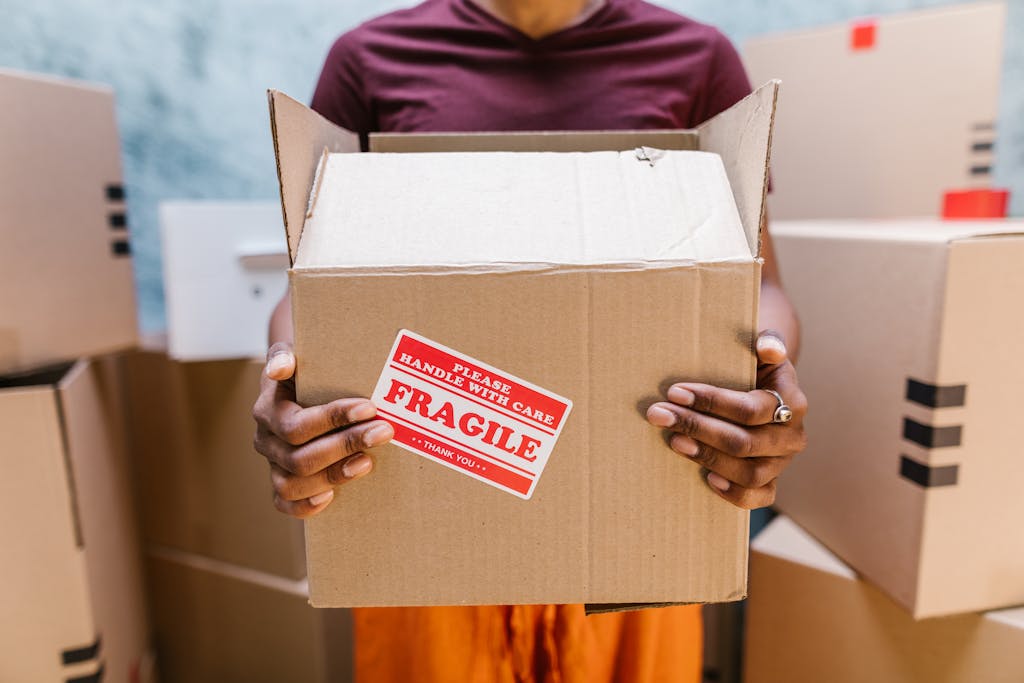
Piles of paper or stacks of cardboard in closets, attics, or basements are more than clutter; they’re invitations for pests, mold, and moisture damage. Paper absorbs humidity quickly, turning brittle or moldy. Cardboard boxes collapse, trapping dust and odors that spread to surrounding spaces.
Large piles obscure airflow, creating ideal conditions for mildew. Recycle or digitize what you don’t need, and store only important files in tidy, labeled folders or boxes.
Illegal or Restricted Items
Some items should never be hidden away in your home for legal and safety reasons, including banned substances, illegal goods, and anything that could pose liability or ethical issues. Even if stored “out of sight,” such materials can bring legal trouble, safety hazards, and unwanted consequences.
Always adhere to local laws and guidelines when assessing what belongs in your home and what does not.
The Hidden Penalty of Poor Storage Choices
Cluttering your home with the wrong items isn’t just about a lack of space; it harms your living environment. Items that attract pests, promote mold, leak hazardous chemicals, or break down over time degrade not just the belongings themselves, but the quality of your home environment.
A thoughtful declutter results in improved safety, cleaner air, easier maintenance, and increased peace of mind.
Conclusion
A functional home doesn’t store everything; it stores what matters and stores it well. By identifying what does not belong in your home and removing or relocating those items, you’ll create a space that’s safer, more organized, and truly restful.