Wellness is supposed to make life feel lighter, calmer, and more manageable. Yet many popular wellness trends now come wrapped in pressure, tracking, rules, comparison, and a quiet fear that we are never doing enough for our bodies. We count sleep scores, chase perfect morning routines, copy cold-plunge videos, restrict meals, buy detox products, and turn self-care into another performance checklist.
The problem is not wellness itself. Movement, rest, nutrition, mindfulness, and social connection can genuinely support health. The problem begins when healthy habits become rigid, expensive, obsessive, or driven by anxiety. Stress is already high for many adults, and the American Psychological Association’s recent Stress in America report shows that uncertainty, misinformation, money worries, and social disconnection continue to weigh heavily on people’s mental health.
Sleep Tracking Can Increase Stress
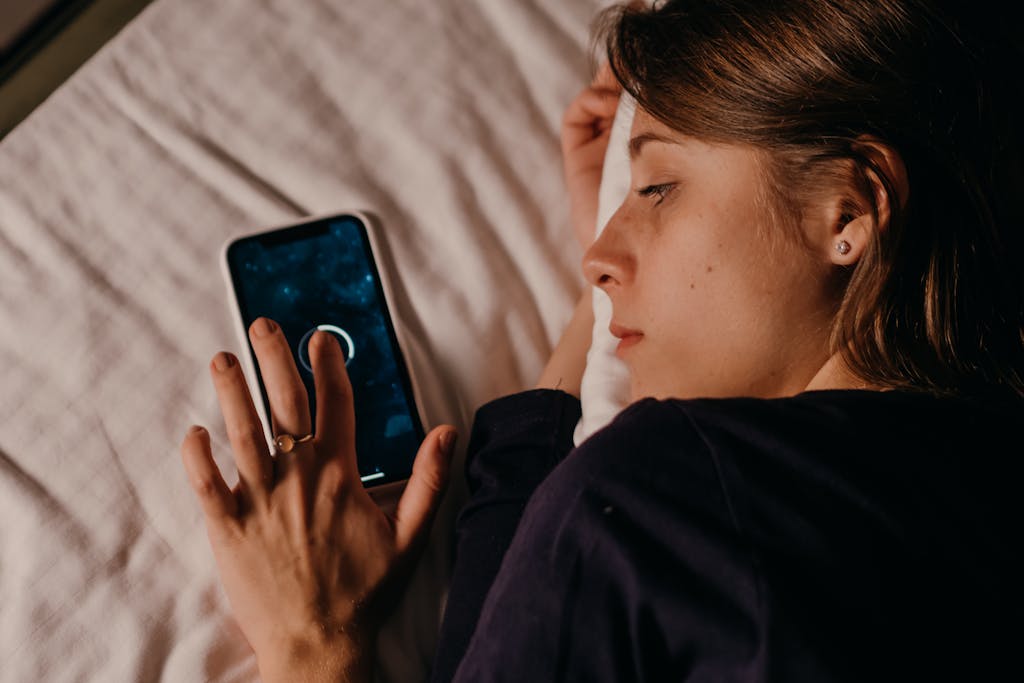
Sleep trackers can help us notice patterns, but they can also make bedtime feel like an exam. We go to bed hoping for a high score, wake up disappointed by a number, then spend the day worrying about what went wrong. That turns rest into pressure, and pressure is one of the fastest ways to make sleep harder.
Researchers have described orthosomnia as an obsessive pursuit of perfect sleep driven by sleep-tracker data. The issue is not the device alone. The issue is the anxious relationship we build with the device when we trust the score more than our own body.
A low sleep score can make someone feel tired before the day even begins. A wearable may label a night as poor even after the person feels refreshed. This mismatch creates unnecessary self-monitoring, especially for people already prone to insomnia or health anxiety.
We can make sleep tracking healthier by using it as a loose guide rather than a nightly judgment. The goal should be a calmer routine, a consistent bedtime, less screen stimulation, and enough total rest. Once the tracker becomes the reason we feel stressed, it has ceased to serve its purpose.
Cold Plunges Can Be Stressful
Cold plunges have become one of the loudest wellness trends online. They promise discipline, energy, mental toughness, and faster recovery. For some people, short cold exposure may feel refreshing. For others, it can trigger the body’s stress response so sharply that it creates the opposite of calm.
Cold water can cause a sudden rise in breathing, heart rate, and blood pressure. The American Heart Association warns that this cold-shock response can strain the heart and become dangerous, especially for people with heart conditions, high blood pressure, or poor cold tolerance.
We should treat cold plunging as a powerful physical stressor, not a casual self-care trick. A body already dealing with poor sleep, caffeine overload, anxiety, or burnout may not need another extreme challenge before breakfast. It may need warmth, hydration, gentle movement, and a slower start to the morning.
Cold exposure can also become competitive. People push longer sessions, colder water, and more dramatic routines to prove discipline. That mindset can turn wellness into punishment. We gain more from respecting the nervous system than from shocking it for social media approval.
Detox Cleanses Can Cause Anxiety

Detox teas, juice cleanses, colon cleanses, and supplement kits often sell a simple message: the body is dirty, and a product can clean it. That message sounds healthy on the surface, but it can quietly increase stress around food, digestion, weight, and normal body functions.
The National Center for Complementary and Integrative Health states that there is no compelling research supporting detox diets for weight management or toxin removal. It also notes that juice and detox diets may lead to short-term weight loss due to very low-calorie intake, followed by weight regain when normal eating resumes.
That cycle can leave people feeling like they failed, even though the method was never sustainable. Hunger, headaches, irritability, and low energy can also make daily life harder. A person may begin a cleanse to feel lighter and end up more anxious, distracted, and emotionally drained.
We do not need to fear food to support the body. The liver, kidneys, digestive system, lungs, and skin already help the body process waste. A steadier approach includes fiber-rich meals, enough protein, water, sleep, and regular movement. Wellness should reduce fear of the body, not sell it back to us in a bottle.
Mindfulness Can Be Overwhelming
Mindfulness is often presented as harmless for everyone, but that is too simple. Many people benefit from breathing exercises, meditation, prayer, quiet reflection, or gentle awareness. Still, some people experience discomfort, anxiety, sadness, or intrusive thoughts when they sit quietly with their mind for long periods.
NCCIH notes that a 2020 review of 83 studies found negative experiences related to meditation in many studies, with about 8 percent of participants reporting a negative effect. The most commonly reported negative effects included anxiety and depression.
This does not mean mindfulness is bad. It means we need to stop treating it as a universal cure. Someone dealing with trauma, panic, grief, or severe stress may need guided support instead of being told to “just meditate.” Silence can feel peaceful to one person and overwhelming to another.
We can make mindfulness safer by keeping it flexible. Walking outside, washing dishes slowly, stretching, listening to calming music, journaling, or praying can all create mindful moments. The best practice is one that helps us feel more grounded, not one that makes us feel guilty for failing to relax correctly.
Fitness Tracking Can Increase Pressure
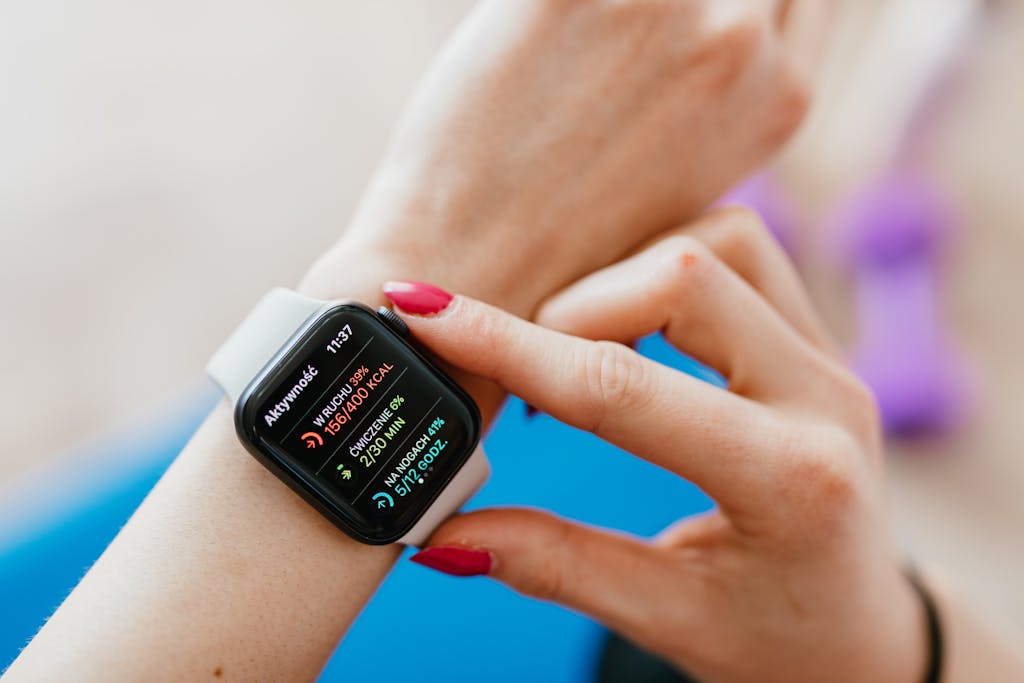
Fitness watches can motivate healthy movement, but they can also make the body feel like a machine that must be constantly monitored. Steps, calories, heart rate zones, standing hours, recovery scores, and activity rings create a stream of data that can easily become another source of pressure.
Research on wearable fitness trackers has found that activity data can shape how people think about their own movement and adequacy. When the numbers suggest we are not doing enough, we may feel discouraged, even if we were active in ways the device failed to capture.
This matters because movement should build confidence. A walk with a friend, house cleaning, gardening, stretching, dancing, or playing with children still counts, even when a tracker does not celebrate it with a badge. When wellness depends on external validation, we risk losing trust in our own physical experience.
We can use fitness data wisely by analyzing trends rather than obsessing over daily perfection. Some days need intensity. Some days need recovery. A healthy routine should make us stronger and steadier, not ashamed because a ring did not close.
Fasting Can Create Stress
Intermittent fasting can work for some adults, especially when it fits their medical needs, schedule, and eating style. Yet it can also become stressful when people force long fasting windows, skip meals despite being hungry, drink coffee to suppress their appetite, or feel guilty about eating at a normal time.
Recent research on intermittent fasting and mental health remains mixed, with effects varying by fasting type, study design, and individual context. A 2026 review on nutritional timing and stress biology noted that findings can be heterogeneous and sometimes contradictory.
That mixed picture matters. A person who feels calm, energized, and medically supported during a fasting plan may respond differently from someone who becomes irritable, anxious, lightheaded, or obsessive about meal timing. Wellness trends often ignore these personal differences because rigid rules are easier to sell.
We should measure eating patterns by how they affect energy, mood, health markers, social life, and consistency. If fasting turns meals into a daily battle, it may not be the right tool. A balanced eating routine should support the nervous system, not keep it on edge.
Social Media Wellness Can Increase Comparison
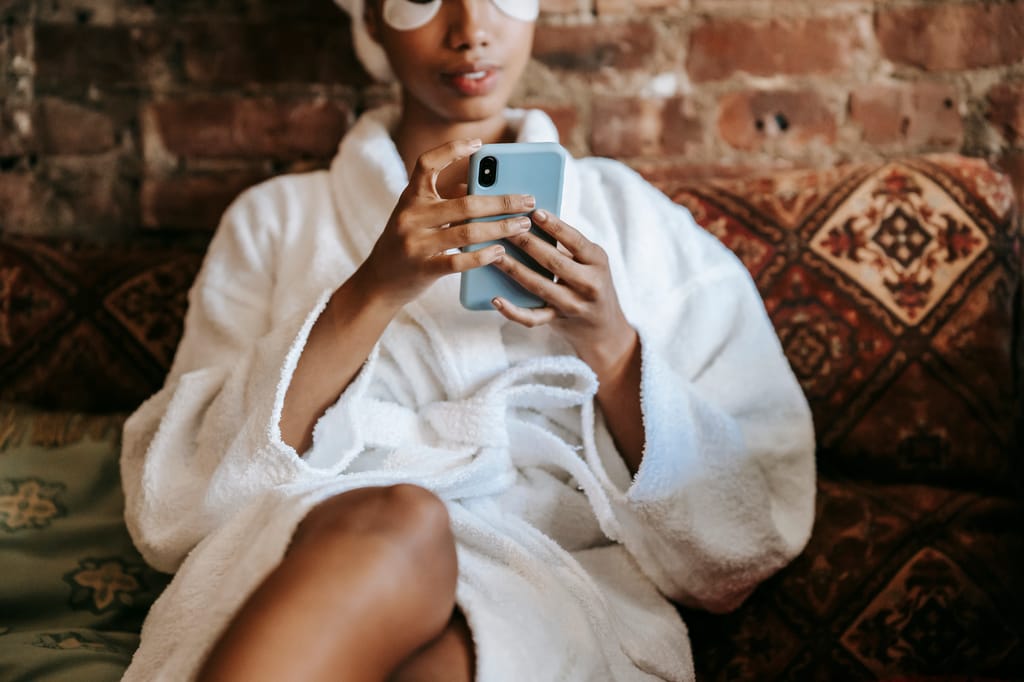
Wellness content can inspire people, but it can also leave them feeling constantly behind. Someone opens their phone for a quick break and sees perfect meals, flawless skin, expensive supplements, sculpted bodies, five-step morning routines, luxury gym sets, and calm-looking people filming slow-motion self-care. The message lands fast: we are not doing enough.
Social media can affect body image and psychological well-being, especially on platforms that reward edited, idealized, and highly visual content. A 2024 narrative review examined how body image, social media influence, physical measurements, and psychological well-being interact across different groups.
This trend is stressful because it disguises comparison as motivation. We may think we are learning healthy habits, but we are also absorbing beauty standards, spending pressure, supplement marketing, and unrealistic daily routines. A person with a full-time job, family responsibilities, money worries, or health limitations may feel like wellness is only available to people with endless time and income.
We can protect our peace by cleaning up our feeds. Follow professionals who explain nuance. Mute creators who make health feel like shame. Choose content that supports real life, not content that turns ordinary bodies and ordinary routines into problems.
Conclusion
The wellness industry often sells control, but real well-being requires balance. Sleep tracking, cold plunges, detox cleanses, mindfulness, fitness data, fasting, and influencer routines can all become stressful when they push us toward obsession, comparison, or fear. The goal is not to abandon health. The goal is to choose habits that leave us calmer, stronger, and more present.
We should keep the parts of wellness that genuinely help, and let go of the parts that make everyday life feel heavier. A healthy routine should not feel like another demanding job. It should feel like support.