Flying can make even simple behavior feel bigger than it is. A loud video on the phone, a careless seat recline, or one oversized bag in the wrong place can turn a normal trip into a cabin-wide irritation. Nobody boards a plane hoping to become the passenger everyone remembers for the wrong reason.
Airplanes are tight little worlds in the sky. People are tired, anxious, hungry, delayed, excited, or quietly counting the minutes until landing. That is why good airplane manners matter so much.
These eight flying mistakes may seem small, but they can make a trip worse for everyone around you.
Recline Without Looking Back

Reclining without checking behind can cause discomfort. A considerate, slow recline shows respect and helps avoid unintentional annoyance during the flight.
The worst thing you can do is slam your seat backward without checking. A slow, considerate recline shows respect for the person behind you, helping them feel comfortable and less annoyed during the flight.
Hog The Overhead Bin
Overhead bin space can turn calm passengers into silent enemies. Everyone wants their bag nearby, but the cabin only has so much room. The problem starts when one traveler treats the bin like a private storage locker, stuffing in a roller bag, backpack, jacket, shopping bag, and random extras that could easily fit under the seat.
Being mindful of shared space helps everyone feel cooperative and reduces frustration during boarding and deplaning.
This behavior causes delays as passengers behind lose space and boardings slow.
Sharing overhead bin space kindly fosters cooperation and speeds up the process for all.
Be Rude To Flight Attendants And Passengers
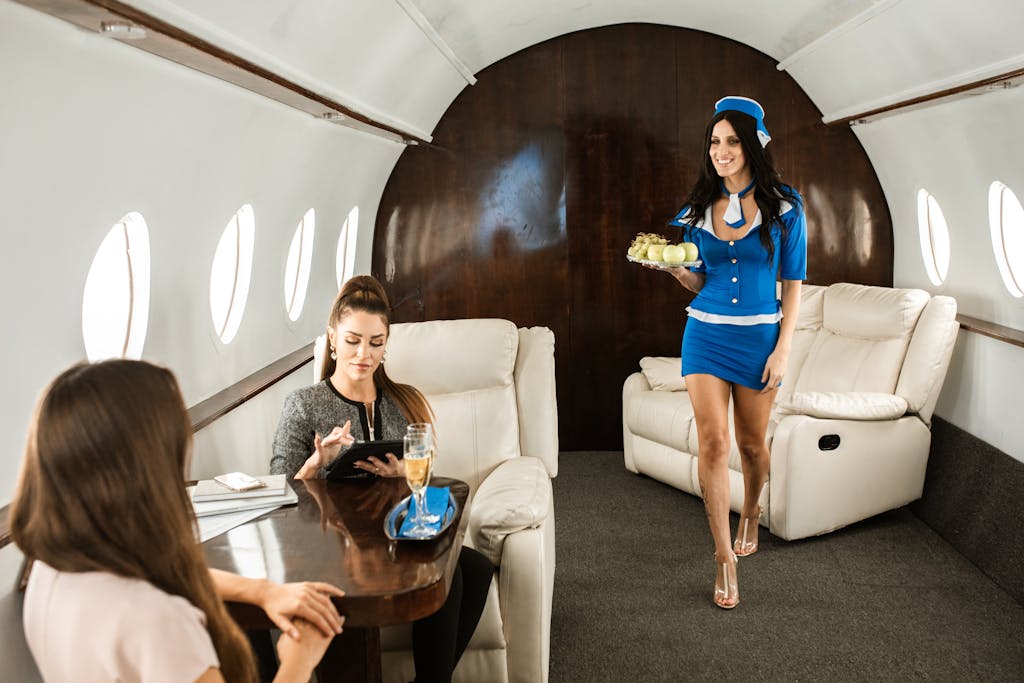
Travel stress can make people short-tempered. Delays happen, seats feel cramped, luggage gets misplaced, babies cry, and connections become uncertain. Still, none of that gives anyone the right to snap at flight attendants or mistreat fellow passengers. A plane is too small for big attitudes.
Rudeness spreads quickly in a cabin. One sharp comment can shift the mood around several rows. On the other hand, patience can also spread. Saying please, thank you, excuse me, and sorry when needed makes the whole experience softer.
Flight attendants are not servants, and passengers are not obstacles. Everyone is just trying to get somewhere.
Play Videos Without Headphones
Few things ruin cabin peace faster than someone playing phone audio out loud. It might be a comedy clip, a child’s cartoon, a game, a voice note, or a movie scene, but to everyone else, it is just noise they did not choose.
Airplanes already come with engine hum, announcements, crying babies, seatbelt chimes, and the rattle of carts. Adding personal entertainment to that mix is a quick way to irritate nearby passengers.
Headphones are not optional in shared spaces. They are basic respect. If you forgot them, choose a quiet activity instead. Read, sleep, edit photos, write notes, or stare dramatically out the window like you are in a thoughtful movie scene.
Nobody expects a silent monastery in the sky, but they do expect not to hear another passenger’s entire TikTok feed before landing.
Bring Strong-Smelling Food
Food smells travel differently on planes. The cabin is enclosed, the air is recycled, and people are sitting close together with nowhere to escape. What smells delicious to you at the gate can become overwhelming to the person sitting inches away from your elbow.
Fish, boiled eggs, garlic-heavy meals, strong cheeses, saucy leftovers, and powerful snacks can turn one passenger’s lunch into everyone else’s endurance test.
This does not mean you cannot eat on a plane. It means you should choose food that fits the setting. Mild snacks, sandwiches, fruit, crackers, or simple meals are usually safer choices. A plane is not the best place to open something that announces itself across five rows.
Good travelers pack food that keeps them comfortable without making strangers suffer through every bite.
Ignore The Crew’s Instructions
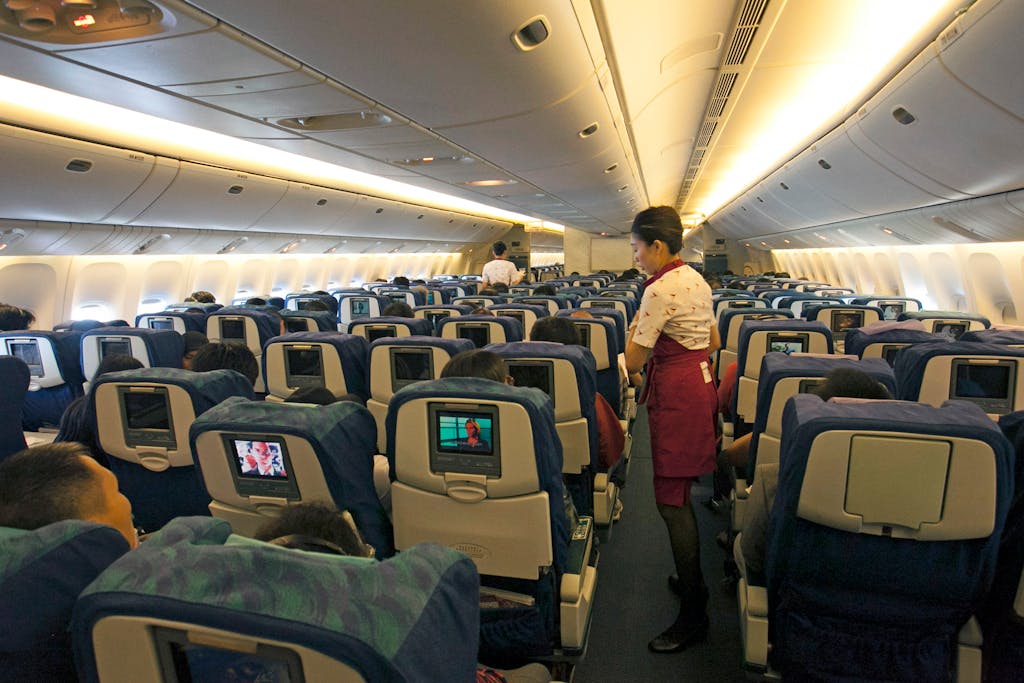
Flight attendants are trained to maintain a safe, calm, and organized cabin. When they ask you to buckle your seatbelt, raise your tray table, or move your seat upright, they are not just making a personal request.
They are ensuring everyone’s safety and comfort, which helps passengers feel secure and cared for.
Ignoring crew instructions can delay boarding, cause takeoff issues, and create tension. Listening promptly ensures safety and smooth travel, making the journey better for everyone.
Rush The Aisle After Landing
The second a plane lands, some passengers act as if the aisle has become a finish line. They jump up, grab bags, block the walkway, and stand hunched under the bins while the doors are still closed. Most of the time, they do not get off any faster. They make the cabin feel crowded, tense, and impatient.
Unless you have a tight connection or a real emergency, wait your turn. Let the rows ahead of you move first. Give people space to gather their things without elbows, backpacks, and rolling suitcases pressing into them.
A calm exit makes the end of the flight easier for everyone. Rushing only turns the final minutes into a small airport circus.
Take Off Your Shoes Carelessly
Long flights can make feet swell, ache, and beg for freedom. That is understandable. What is not understandable is treating the cabin like your bedroom. Shoes off, bare feet out, toes on the wall, feet on the armrest, or socks wandering into another person’s space can turn a normal comfort move into a social crime.
If you must loosen your shoes on a long flight, do so discreetly and considerately. Keep your socks on, keep your feet on the floor, and never walk into the restroom without shoes. Airplane floors are not as clean as they appear, and cabin hygiene matters when people are confined to close quarters.
Comfort is fine. Making your feet part of someone else’s flight experience is not.
Conclusion
Flying is easier when people remember that a plane is a shared space. You are sharing air, sound, armrests, storage, patience, and a few hours of limited personal freedom with strangers who may be just as tired as you are. The smallest choices can either make that space feel bearable or turn it into a flying headache.
The best passengers are not perfect. They are simply aware. They listen to the crew, respect shared space, keep noise low, avoid strong smells, and move with a little patience. That kind of traveler may never get applause, but they make every flight better without saying much at all.