Think twice before tossing these foods in the fridge. Cold temperatures can ruin their texture, stall ripening, and zap their natural flavor. Many of us store items in the fridge out of habit or to extend shelf life, but that convenience often comes at the cost of taste. Here’s a guide to keeping your pantry perfectly balanced and your meals bursting with flavor.
Tomatoes

Refrigeration turns tomatoes mealy and dull. Chilling halts the natural ripening process and breaks down delicate cell walls, leaving the flesh soft and flavorless. Experts recommend storing tomatoes at room temperature, away from direct sunlight, to allow them to fully ripen and retain their natural sweetness. Many people refrigerate them to delay spoiling, not realizing it sacrifices the taste they love. For optimal flavor, keep tomatoes on the counter and only refrigerate fully ripe tomatoes if you cannot consume them within a couple of days.
Bread
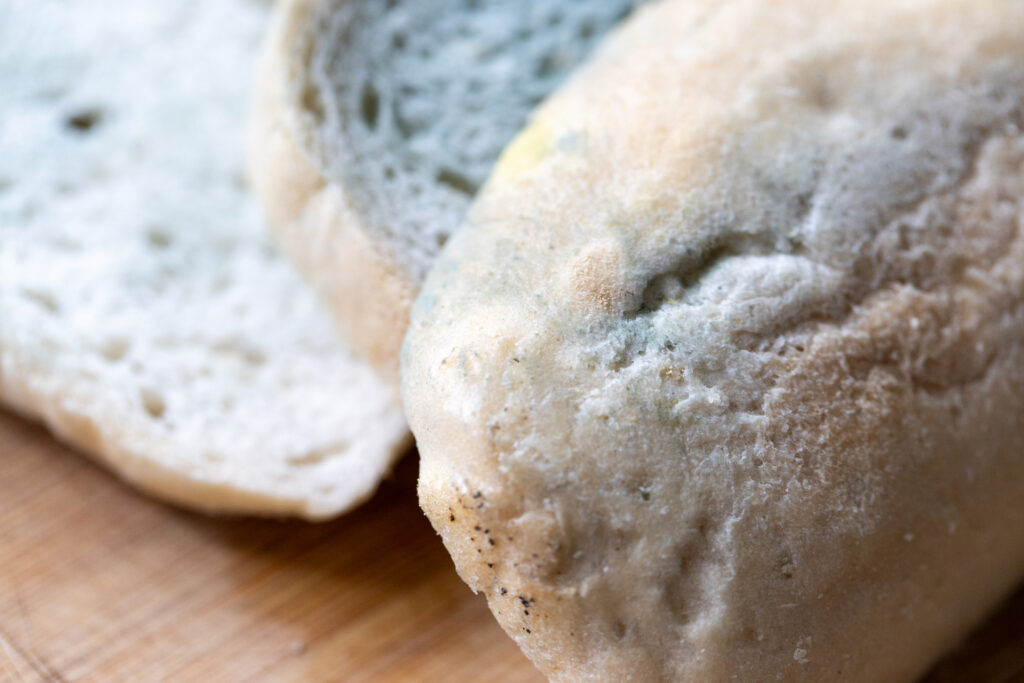
Cold accelerates starch crystallization in bread, making it dry and crumbly. Instead, keep loaves in a breadbox or an airtight container at room temperature to preserve softness and flavor. Freezing is a better long-term option, as it locks in freshness without the hardening effect. People often refrigerate bread to prevent mold, unaware that proper pantry storage works just as well.
Potatoes
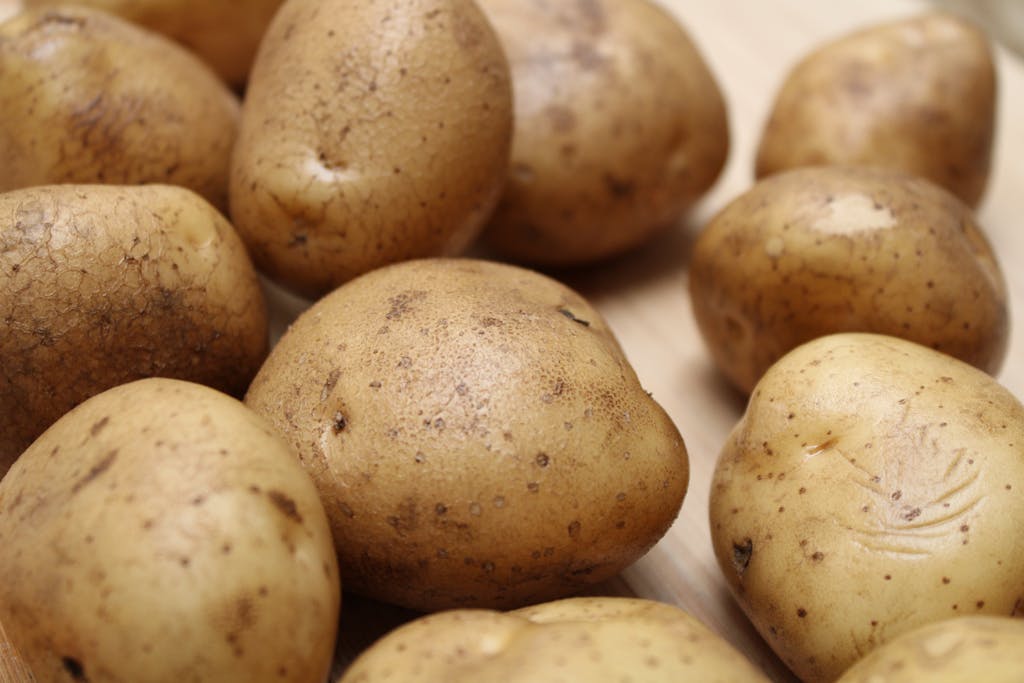
Refrigerating potatoes converts their starches into sugar, which can produce a gritty texture and off-flavors when cooked. Cold storage can also cause dark spots and uneven cooking. Store potatoes in a cool, dark, ventilated pantry to prevent sprouting without affecting taste. Many believe refrigeration prevents sprouting, but the fridge actually worsens texture.
Honey
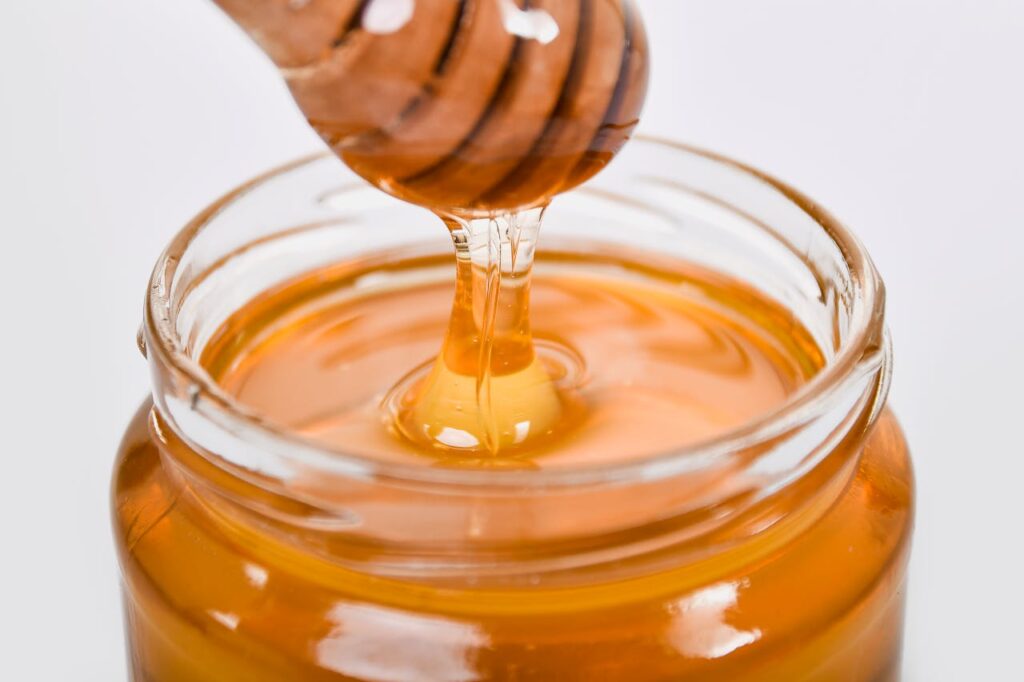
Honey naturally resists spoilage, so refrigeration is unnecessary. Cold temperatures cause crystallization, making honey grainy and difficult to spread. Room temperature storage keeps honey smooth, aromatic, and easy to drizzle. Many people refrigerate honey to extend shelf life, unaware that it is already self-preserving.
Onions
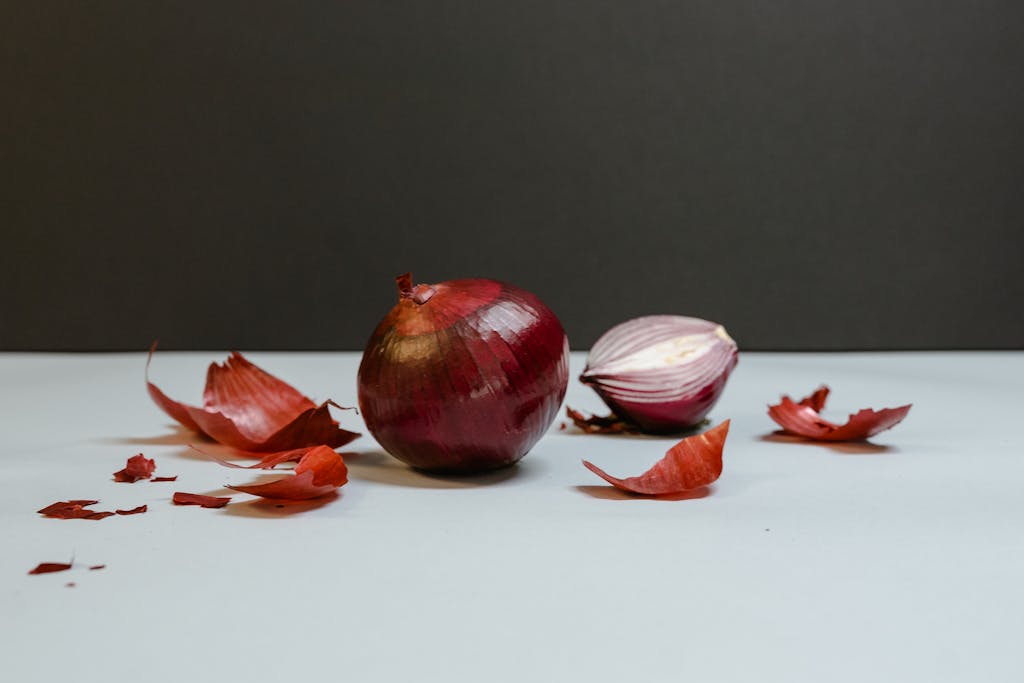
Moisture in the fridge encourages mold and softening in onions. Cold dulls their crispness and reduces pungency, altering their flavor in cooking. The best approach is to store onions in a dry, ventilated area separate from potatoes, as they release gases that can accelerate decay. Many refrigerate onions with other vegetables for convenience, unknowingly shortening their shelf life.
Garlic

Cold storage can trigger garlic to sprout, turn bitter, or even develop mold. Refrigeration introduces moisture that ruins texture and flavor. Keep garlic in a cool, dark cupboard to preserve its pungency and shelf life. People often refrigerate garlic for convenience, not realizing it is best left at room temperature.
Coffee
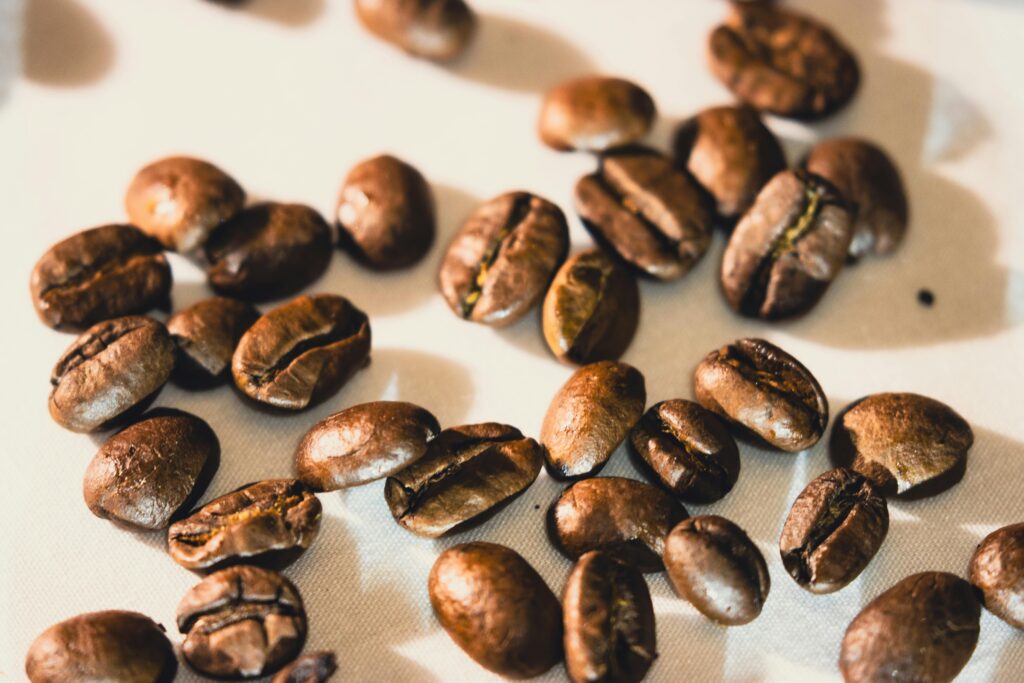
Coffee beans are highly hygroscopic, absorbing moisture and odors from the fridge, which ruins flavor. Refrigeration slows the degassing of freshly roasted beans, affecting aroma. Store coffee in an airtight container at room temperature, away from sunlight, for peak freshness. Many people refrigerate to prolong life, not realizing it can compromise taste.
Certain Condiments
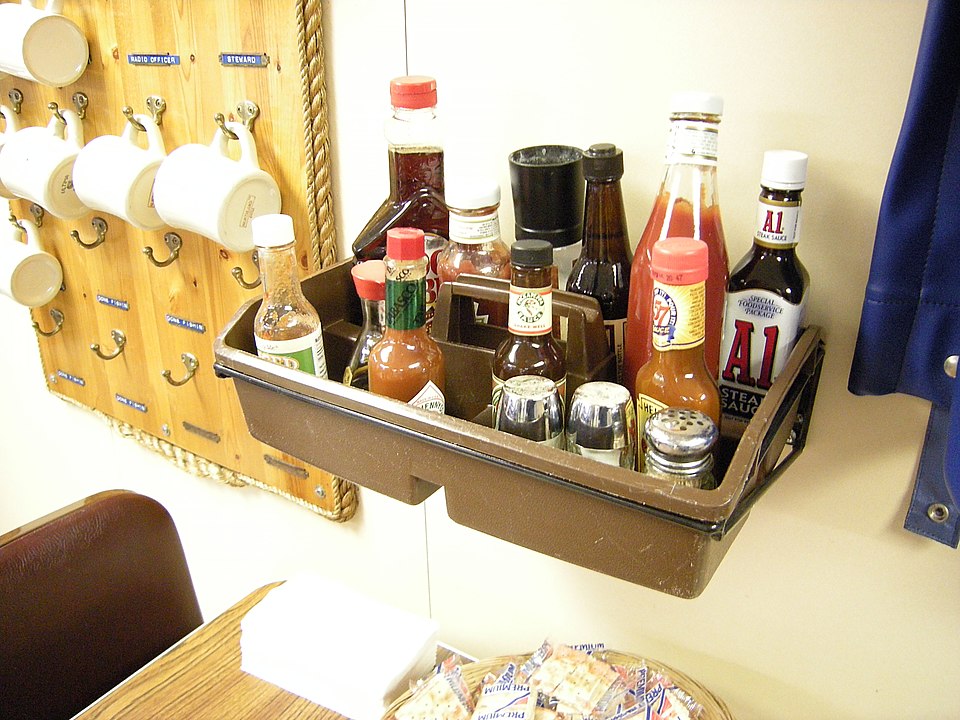
Condiments like olive oil, mustard, and ketchup can thicken, separate, or develop off-flavors when chilled. Cold temperatures can disrupt emulsified sauces, altering taste and texture. Keep these items at room temperature in a cool, dark pantry for optimal flavor. People refrigerate them to prolong freshness, not realizing most condiments are shelf-stable.
Onions and Garlic Together
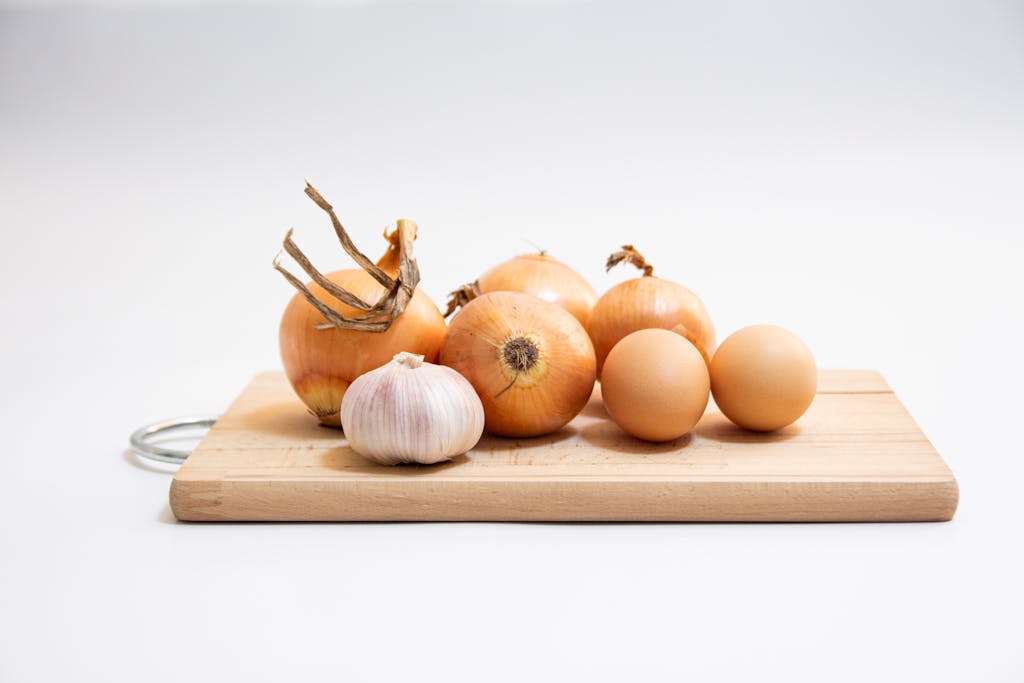
It’s worth noting that both onions and garlic benefit from room temperature storage. Cold, moist conditions accelerate spoilage and diminish pungency. Keep them separate from each other and from potatoes to maximize shelf life and flavor. Many store them together in the fridge, unknowingly promoting decay.
Key takeaway: Refrigeration is not always your friend. Room-temperature, dry, and well-ventilated storage keeps many everyday foods fresher, tastier, and more enjoyable. Next time you reach for the fridge, think about whether cold really helps or hurts your food.