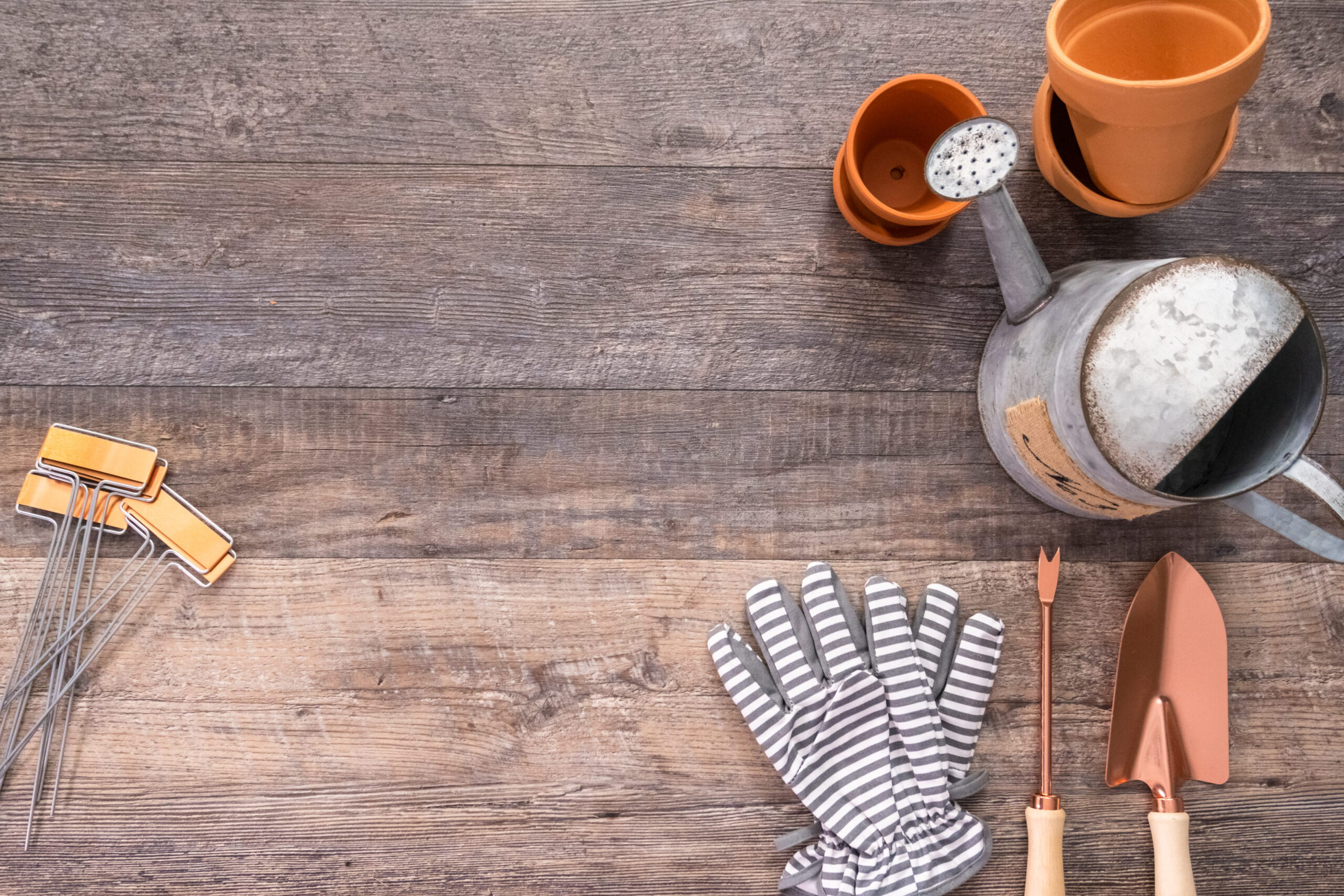
Annual plants can make a garden look alive in a hurry, but choosing the wrong type can turn that same garden into a tired patch of fading color. These plants usually grow, flower, produce seeds, and finish their life cycle in one growing season, which means they reward quick action but punish poor planning.
The good news is that annuals come in many useful types. Some bring color, some fill empty pots, some feed pollinators, and others give you herbs or vegetables you can harvest before the season ends.
Cool Season Annuals
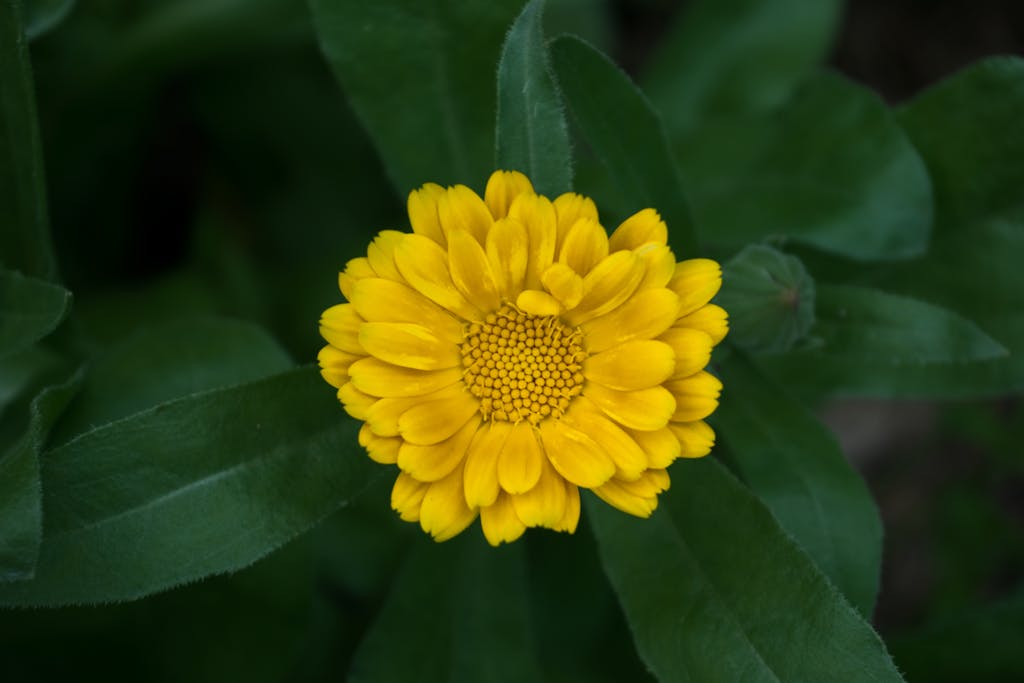
Cool-season annuals are the plants that save your garden when the weather still feels too chilly for summer flowers. They grow best in spring or fall, when temperatures are mild, and the soil is not blazing hot. If you plant them at the wrong time, they can fade quickly once summer heat arrives.
Good examples include pansies, violas, snapdragons, calendula, sweet alyssum, and stock. These plants are perfect for borders, front walkways, and early container displays because they add color before many summer plants come into bloom.
Warm Season Annuals
Warm-season annuals are the bold, sun-loving plants people often picture when they imagine a cheerful summer garden. They need warmth to grow well, so planting them too early can lead to weak roots, slow growth, or total failure. Once the soil warms up, they usually take off with strong color and steady blooms.
Examples include marigolds, zinnias, petunias, cosmos, sunflowers, celosia, and vinca. These plants work beautifully in sunny beds, patio containers, and open spaces where they can soak up long hours of light.
Half Hardy Annuals
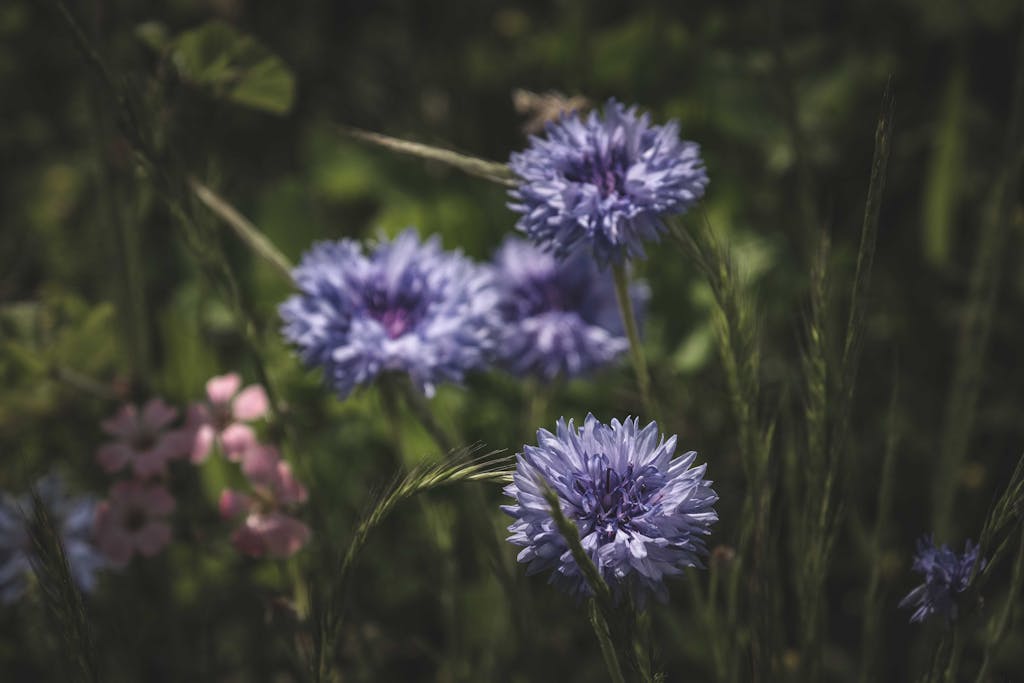
Half-hardy annuals sit in the middle between cool-season and warm-season plants. They can handle a little cool weather, but they may suffer if frost gets too harsh. Gardeners love them because they offer flexibility, especially in places where the seasons shift quickly.
Examples include strawflowers, bells of Ireland, nicotiana, larkspur, clarkia, and cornflowers. These plants often add texture, height, and unusual shapes, helping a garden look less flat and predictable.
Bedding Annuals
Bedding annuals are the classic plants used to fill garden beds with steady, reliable color. They are often planted in groups because one lonely plant may look weak, but a mass planting can create a full, polished display. The mistake many gardeners make is buying random colors without thinking about how they will look together.
Examples include begonias, impatiens, salvia, coleus, dusty miller, and marigolds. These plants are useful for front yards, public gardens, borders, and any space that needs quick color without waiting years for shrubs or perennials to mature.
Container Annuals
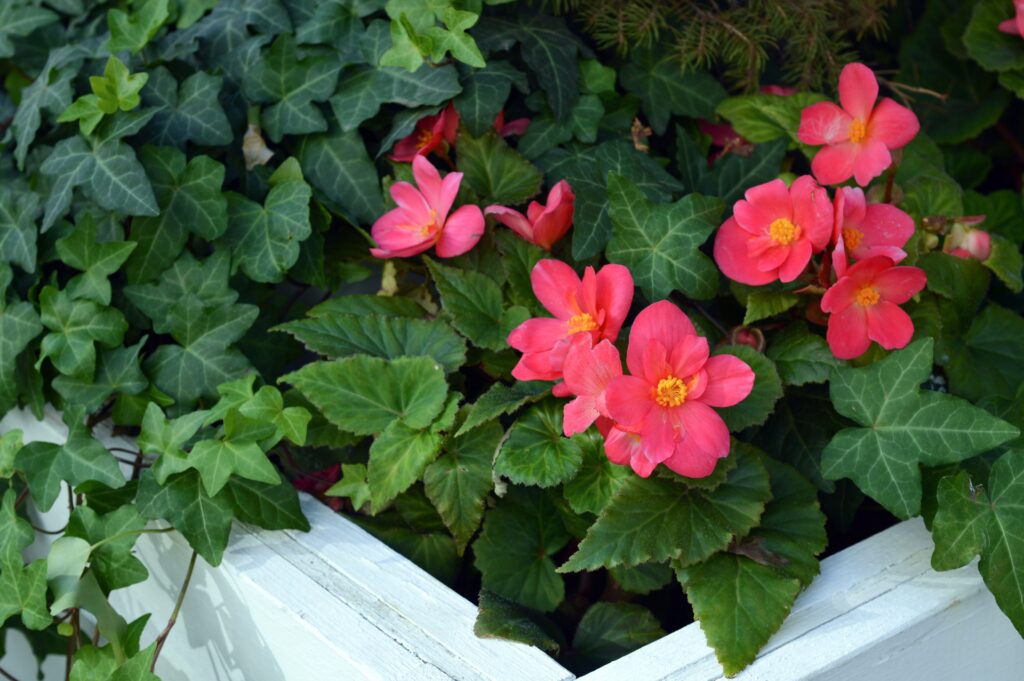
Container annuals are great for patios, balconies, porches, and small spaces where garden beds are limited. They can look stunning, but they also dry out faster than plants in the ground. That means they need more regular watering, a better potting mix, and adequate drainage to prevent root rot.
Examples include petunias, geraniums, calibrachoa, begonias, impatiens, lantana, and coleus. These plants can turn a plain porch into a colorful outdoor room, especially when you mix upright plants with trailing varieties.
Trailing Annuals
Trailing annuals are the spillover plants that soften the edges of baskets, pots, window boxes, and raised planters. Without them, containers can look stiff and unfinished. Their job is to fall gently over the sides, making the whole arrangement feel fuller.
Examples include sweet potato vine, trailing lobelia, bacopa, nasturtium, ivy leaf geranium, and calibrachoa. These plants pair well with taller flowers because they add movement and make containers look lush rather than cramped.
Climbing Annuals
Climbing annuals are perfect when your garden needs height, but you do not want to wait years for a vine to mature. They can cover fences, trellises, arches, and bare walls in one season. The biggest mistake is planting them without support, then wondering why they tangle across the ground.
Examples include morning glory, black-eyed Susan vine, sweet peas, hyacinth bean vine, moonflower, and climbing nasturtium. These annuals help create privacy, shade, and vertical interest without taking up too much ground space.
Edible Herb Annuals
Edible herb annuals bring beauty and usefulness into the same garden space. They are perfect for people who want plants that look good and also end up in the kitchen. The danger is letting them flower too early, because some herbs can lose flavor or become less productive once they go to seed.
Examples include basil, cilantro, dill, parsley, chervil, and summer savory. Basil works well in sunny containers, cilantro prefers cooler weather, and dill adds height with delicate leaves and yellow flower heads.
Vegetable Annuals
Vegetable annuals are some of the most rewarding plants because they give you food within a single growing season. They need good soil, regular watering, and enough sunlight to produce well. If you crowd them too closely, you may get fewer fruits or weaker harvests.
Examples include tomatoes, peppers, cucumbers, beans, peas, lettuce, radishes, corn, and squash. These plants are ideal for raised beds, backyard gardens, and even large containers when you choose compact varieties.
Pollinator Annuals
Pollinator annuals help bring bees, butterflies, and other helpful insects into the garden. A garden with no pollinator plants can look pretty but still feel strangely lifeless. These annuals add motion, color, and ecological value, especially when planted in clusters.
Examples include zinnias, cosmos, sunflowers, marigolds, cleome, alyssum, borage, and calendula. They work best when you mix bloom shapes and colors, giving pollinators more reasons to visit throughout the season.
Conclusion
Annual plants are not just quick color fillers. They are problem solvers for dull corners, empty pots, bare borders, short growing seasons, and gardens that need a quick personality boost. The mistake is treating all annuals the same, because a cool-season pansy, a heat-loving zinnia, a trailing bacopa, and a tomato plant all serve different jobs.
A stronger garden begins with choosing the right type for the right space. When you match annuals to your weather, sunlight, containers, soil, and purpose, they stop being temporary decorations and start becoming the easiest way to make a garden feel alive.