Fitness should make you stronger, healthier, and more energized. Yet, countless people unknowingly sabotage themselves by following workout myths that sound convincing but are completely misleading.
From believing that sweating more means burning more fat to thinking that soreness proves progress, these misconceptions quietly derail results and leave many frustrated despite consistent effort.
Understanding the truth about common myths can help you create workouts that produce real results and keep you motivated.
Missing a Week Isn’t Failure
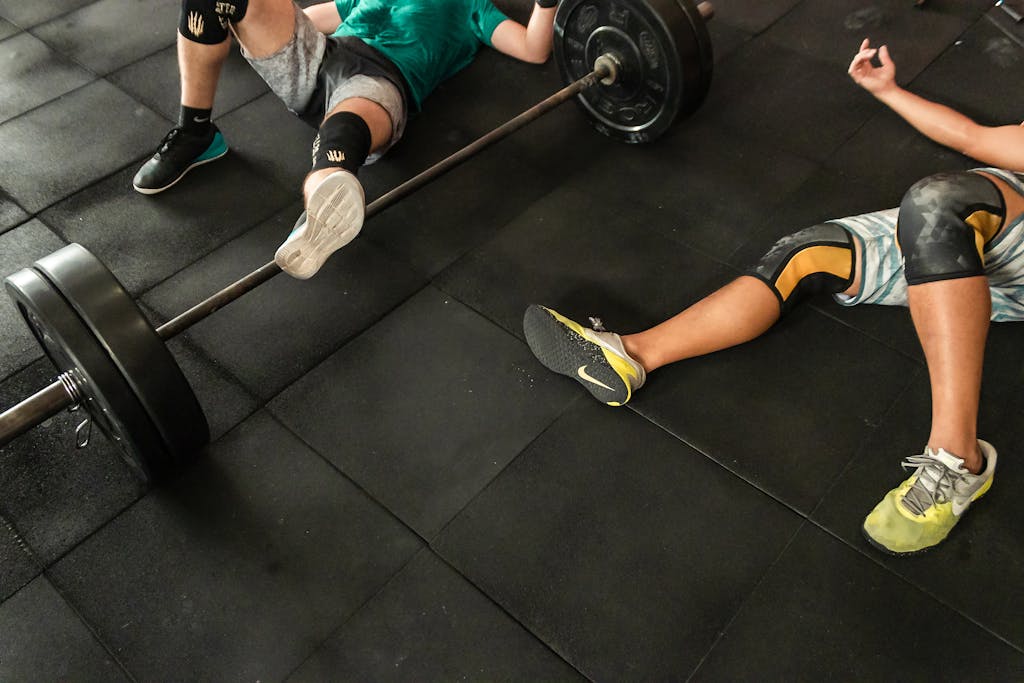
Life is unpredictable. Travel, work deadlines, family obligations, or illness can temporarily interrupt your routine. Missing a few workouts does not erase prior progress or make you a failure.
The real problem is the all-or-nothing mindset, which turns small breaks into discouragement, preventing people from returning to consistent activity.
Restarting gently and rebuilding momentum after a break is far more effective for long-term success than punishing yourself for every missed day. Fitness is a lifelong journey, not a perfection contest.
Crunches Won’t Erase Belly Fat
The idea that you can target fat loss by doing endless sit-ups or planks is one of the most persistent fitness myths. Spot reduction does not exist—your body decides where it loses fat, and it rarely prioritizes problem areas like the belly.
Crunches and core exercises strengthen the underlying muscles but do not directly burn the fat above them.
That said, core workouts are far from useless. A strong core supports balance, improves posture, and reduces the risk of back injuries, making daily movement easier and safer.
While the scale or waistline may not show immediate changes, regular core training improves stability and function, setting the stage for long-term fat loss when combined with overall activity and nutrition.
Pain Isn’t Proof of Progress

The old mantra “no pain, no gain” has misled countless fitness enthusiasts into believing that pain equals success. While effort and challenge are important, sharp or joint pain is a clear warning sign that something is wrong. Ignoring these signals can lead to injuries, setbacks, and long-term damage that derail your fitness journey.
Mild soreness after trying a new exercise is normal and indicates the muscles are adapting to stress. Effective workouts challenge your body without causing harm and provide enough recovery time for muscles to rebuild stronger.
Understanding the difference between productive fatigue and harmful pain is critical for long-term results.
Cardio Alone Won’t Make You Lose Weight
Running miles on a treadmill or cycling for hours might seem like the ultimate weight loss strategy, but relying on cardio alone is a trap. Fat loss does not come solely from burning calories through cardio; it also depends on strength training, everyday movement, proper nutrition, stress management, and sufficient recovery.
Ignoring these factors can leave you exhausted, frustrated, and seeing little change in body composition.
Strength training is not just about building muscle for appearance—it fundamentally changes how your body uses energy. Lean muscle mass increases metabolism, improves posture, and enhances overall strength, making even everyday tasks easier.
Combining cardiovascular exercise with resistance training creates a balanced routine that promotes sustainable weight loss and functional fitness, rather than relying on a single approach that may leave you stuck in a rut.
Sweat Doesn’t Equal Success

Many people assume that dripping sweat is proof of a hard and effective workout. Sweat, however, is your body’s cooling system, not a measure of calories burned or fat lost. Factors such as temperature, humidity, genetics, and even clothing play a significant role in how much you sweat during exercise.
The most important indicators of progress are increased stamina, improved strength, better endurance, and enhanced form, not how soaked your shirt is at the end of a session.
A slower strength session in a cool environment can actually be more productive than an intense sweat session in a hot studio. Sweat may feel satisfying, but it is not the ultimate measure of effort or results.
You Don’t Have to Work Out Every Day
Many believe that skipping a day or two will erase all progress, but rest is an essential part of training. Muscles grow and adapt during recovery periods, not during workouts. Overtraining can lead to fatigue, reduced performance, and even injury.
A realistic approach is far more effective than daily exhaustion. Three to four focused sessions per week, complemented by light daily movement such as walking, stretching, or gentle cycling, provide sufficient stimulus for progress.
Fitness should enhance life, not dominate it, and strategic rest ensures the body can perform at its best over time.
Hours in the Gym Aren’t Required
The misconception that effective fitness requires long, grueling gym sessions often discourages people from even starting. The reality is that short, structured workouts can be highly effective, particularly when performed consistently.
Even a brisk walk, a focused bodyweight circuit, or a 20-minute strength session can contribute meaningfully to fitness goals.
Spending hours in the gym can also increase the risk of burnout and inconsistency. The most successful workouts are realistic, repeatable, and easy to fit into a busy schedule.
The goal is progress through sustainable routines rather than punishing endurance marathons that you dread.
Lifting Weights Won’t Make You Bulky

The myth that lifting weights automatically leads to bulk keeps many people, especially women, from engaging in resistance training. Building substantial muscle requires specific training protocols, targeted nutrition, and time.
For the average person, lifting a few times per week results in improved strength, a firmer physique, and better overall fitness, not instant bulk.
Strength training strengthens bones, supports joint health, and maintains metabolism, especially important as the body ages.
It enhances physical function, making daily activities like climbing stairs, carrying groceries, or even standing for long periods easier and safer. Developing strength is about capability, resilience, and long-term health, not about a dramatic overnight change in size.