Morning should feel like a fresh start, not a warning sign from your body. But after 40, some aches and stiff joints may mean more than just sleeping in a bad position. Arthritis often presents as joint pain, stiffness, swelling, and difficulty moving, and these signs can affect daily life if left untreated.
A little stiffness can happen to anyone. But when pain keeps returning, lasts longer, or makes simple tasks harder, your body may be asking for attention. These morning arthritis symptoms are worth noticing early.
Morning Stiffness That Lasts Too Long
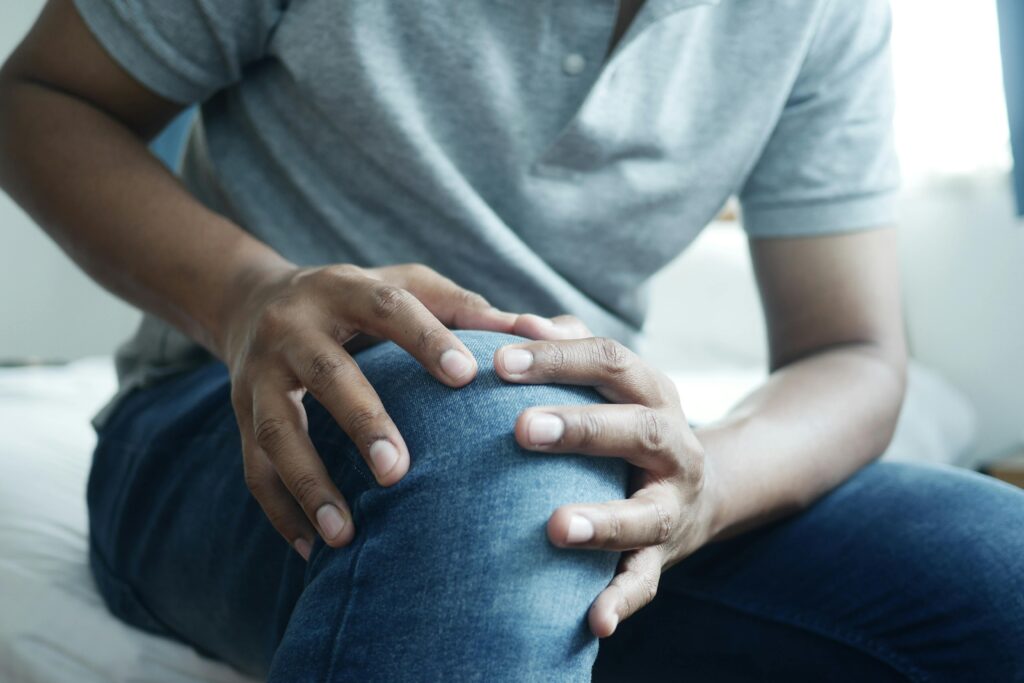
Waking up stiff once in a while may not be a big problem. But stiffness that persists long after you get out of bed can be a warning sign. It may mean your joints are inflamed and need medical attention.
This can make simple things feel harder, like walking to the bathroom, opening a door, or bending your knees. If your body feels locked up most mornings, do not just blame age. Morning stiffness is one of the signs doctors often associate with arthritis. (Do I Have Arthritis?, n.d.)
Joint Pain Before You Start Moving
Pain that greets you before your day even starts can feel scary. Your knees, hands, hips, back, or feet may ache before you do anything hard. That pain may point to arthritis, especially when it keeps coming back.
Some people ignore it because the pain improves later in the day. But repeated morning pain still matters. Your joints may be struggling overnight and warning you as soon as you wake up.
Swollen Fingers or Knees
Swelling is one of the clearest signs that something may be wrong in a joint. Your fingers may look puffy, your knees may feel full, or your hands may feel tight. Arthritis can cause swelling and tenderness in one or more joints.
Swelling can make rings feel tighter, or stairs feel harder. It can also make joints feel heavy or weak. If swelling often appears in the morning, it warrants attention.
Trouble appears Gripping Things
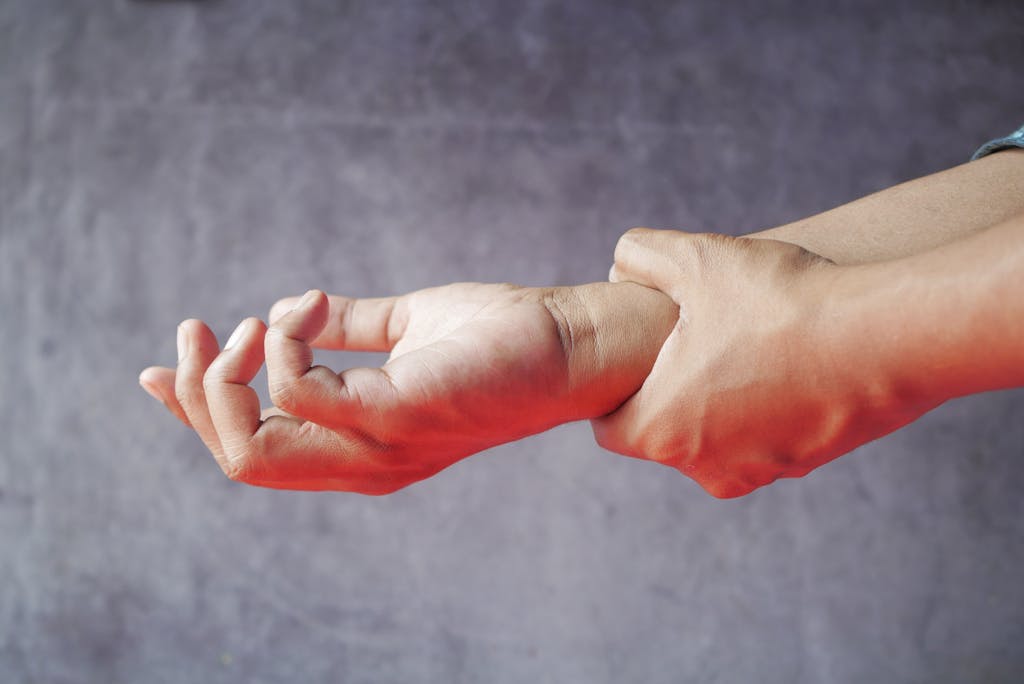
If you struggle to hold a toothbrush, coffee cup, phone, or door handle in the morning, do not brush it off too quickly. Arthritis can affect the hands and fingers, making grip weaker.
Losing grip strength can change your whole morning routine. Small tasks may start feeling slow and frustrating. When your hands stop working the way they used to, it may be time to speak with a doctor.
Pain That Shows Up on Both Sides
Pain in one knee or one hand can happen for many reasons. But pain or stiffness on both sides of the body can be more concerning. Rheumatoid arthritis often affects the same joints on both sides, such as both hands or both knees.
This does not mean every two-sided pain is rheumatoid arthritis. But it is a pattern worth watching. If both sides hurt often, especially in the morning, your body may be showing an early clue.
Warm or Tender Joints
A joint that feels warm, sore, or tender to the touch may be inflamed. This can happen in different types of arthritis. You may notice it when you press your fingers, knees, wrists, or ankles.
Tender joints can make you move less, which may worsen stiffness. A warm or painful joint should not be ignored if it keeps returning. Your body may be warning you that the joint needs care.
Morning Fatigue With Joint Pain
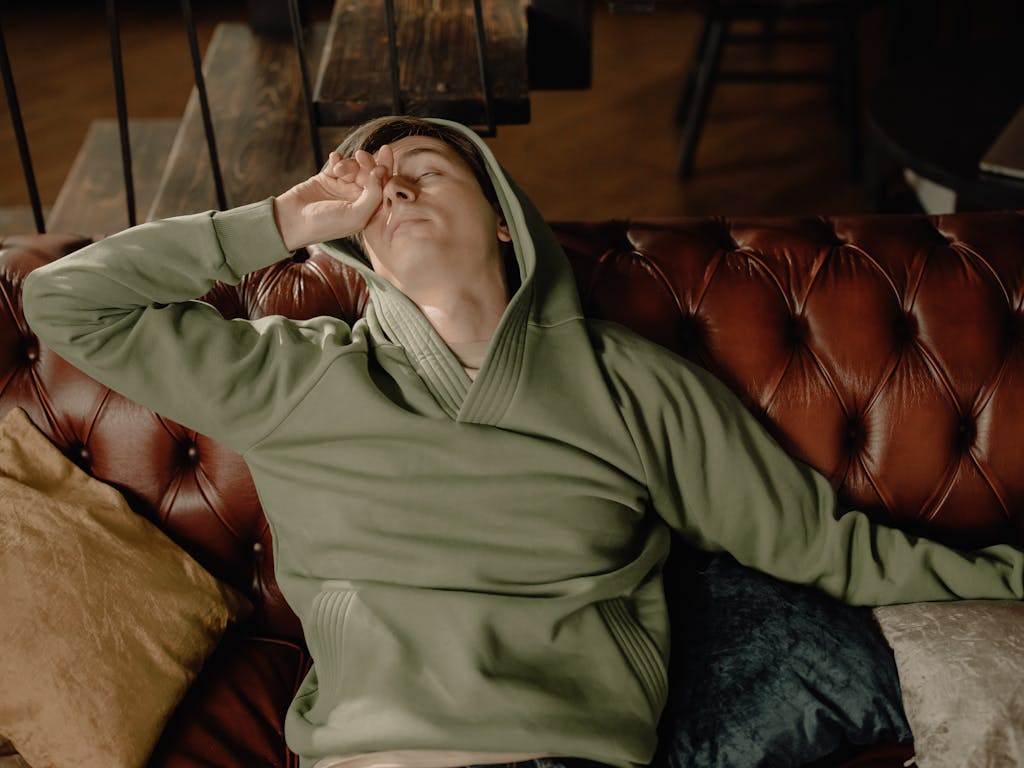
Feeling tired in the morning can come from poor sleep, stress, or a busy life. But when deep tiredness is accompanied by joint pain, stiffness, or swelling, it may be more than just normal fatigue. Some forms of arthritis can affect the whole body, not just the joints.
This kind of tiredness can make mornings feel heavy before the day begins. You may feel like you slept, but still have no energy. If fatigue and joint pain keep showing up together, it is worth getting checked.
Conclusion
Arthritis does not always arrive loudly. Sometimes it starts with stiff hands, sore knees, swollen joints, or tired mornings that keep repeating. After 40, these signs should not be ignored, especially when they affect walking, gripping, dressing, or doing daily tasks.
The goal is not to panic. The goal is to pay attention early. If morning symptoms keep recurring, speak with a healthcare professional to protect your joints and your quality of life.