12 Car Wash Mistakes We Should Stop Making Before They Damage the Car
A clean car can make us feel like we have our life together, even when the back seat is still hiding old receipts, water bottles, and one mysterious French fry from last month. But washing a car is not as simple as rolling into the nearest automatic bay, tapping a screen, and hoping the machine treats the paint with kindness. A rushed or careless wash can turn a basic cleaning job into scratches, broken mirrors, cloudy trim, water spots, loose seals, and avoidable repair bills.
The problem is that many car wash mistakes look harmless at the moment. We skip the inspection, trust a dirty brush, forget the mirrors, choose the wrong wash package, or leave without checking for damage. Then we act surprised when the paint looks dull, the windshield chip spreads, or a piece of trim starts flapping on the highway. If we want a car that stays clean without quietly losing value, we need to treat every wash like basic vehicle care, not a quick cosmetic errand.
We Scrub Before Rinsing the Dirt Off
One of the fastest ways to scratch a car is to start scrubbing before loose dirt, sand, and road grit have been rinsed away. That grit does not disappear because we are using soap. It gets dragged across the paint like tiny sandpaper, especially on the lower doors, bumpers, wheel arches, and rocker panels where grime collects heavily. We may think we are cleaning harder, but we are really grinding dirt into the clear coat.
A proper wash should begin with a full rinse from top to bottom. We should let the water soften and remove surface dirt before any brush, mitt, cloth, or sponge touches the vehicle. The lower parts of the car need extra attention because they collect the harshest debris from wet roads, parking lots, mud, and winter salt. If the car is visibly dirty, we should never jump straight into scrubbing just to save a minute.
We Trust the Car Wash Brush Without Cleaning It First
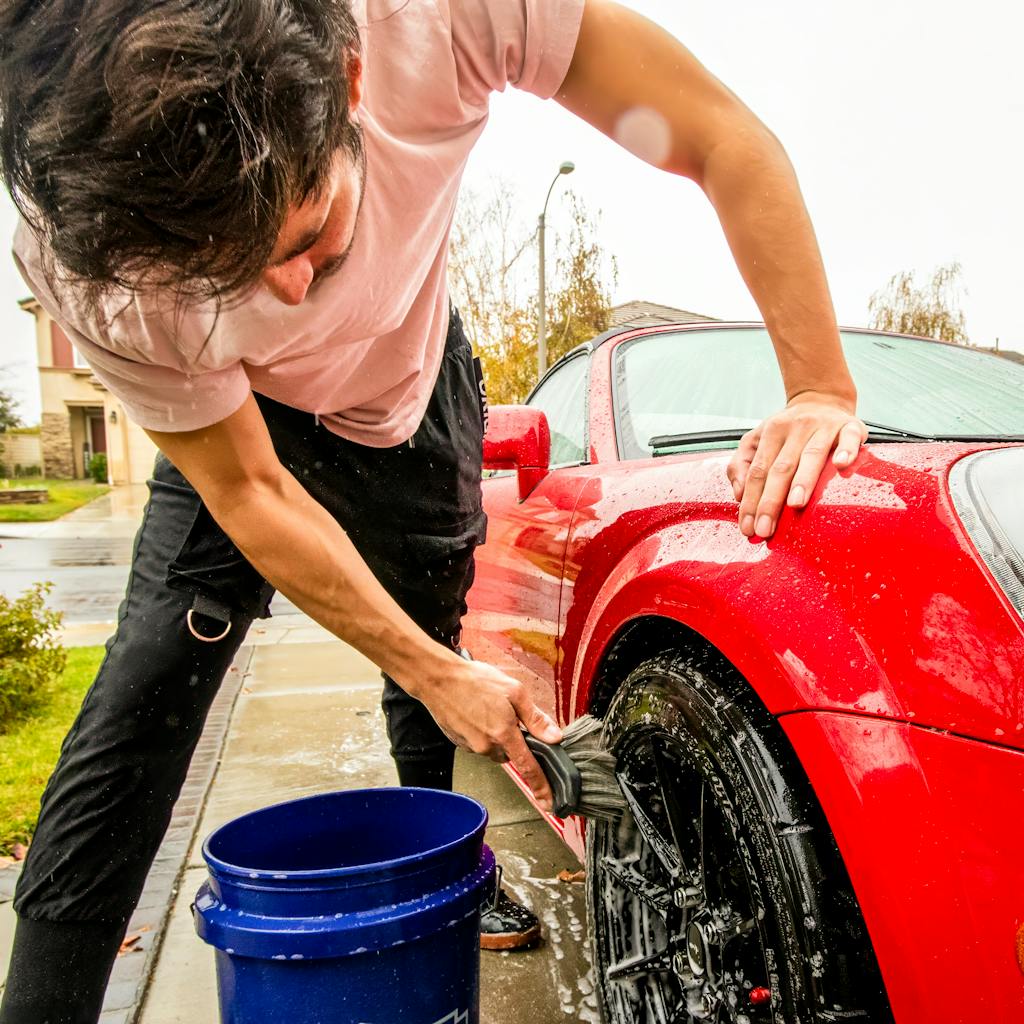
The self-service brush looks convenient, but it is one of the biggest risks at a public car wash. We do not know who used it before us, what kind of mud was on their truck, or if the bristles picked up gravel from the floor. A brush that looks harmless can carry old grit, grease, brake dust, and sharp particles. Once we press it against the paint, all of that mess can create fine scratches that show up later in direct sunlight.
Before using any shared brush, we should rinse it thoroughly with the pressure sprayer. Even better, we should avoid using the public brush on painted surfaces and use it only for tires, rubber mats, or heavily soiled non-painted areas. Bringing a clean microfiber wash mitt is a smarter move for anyone who cares about paint condition. The goal is not just to remove dirt. The goal is to remove dirt without adding new damage.
We Leave Side Mirrors, Antennas, and Accessories Exposed
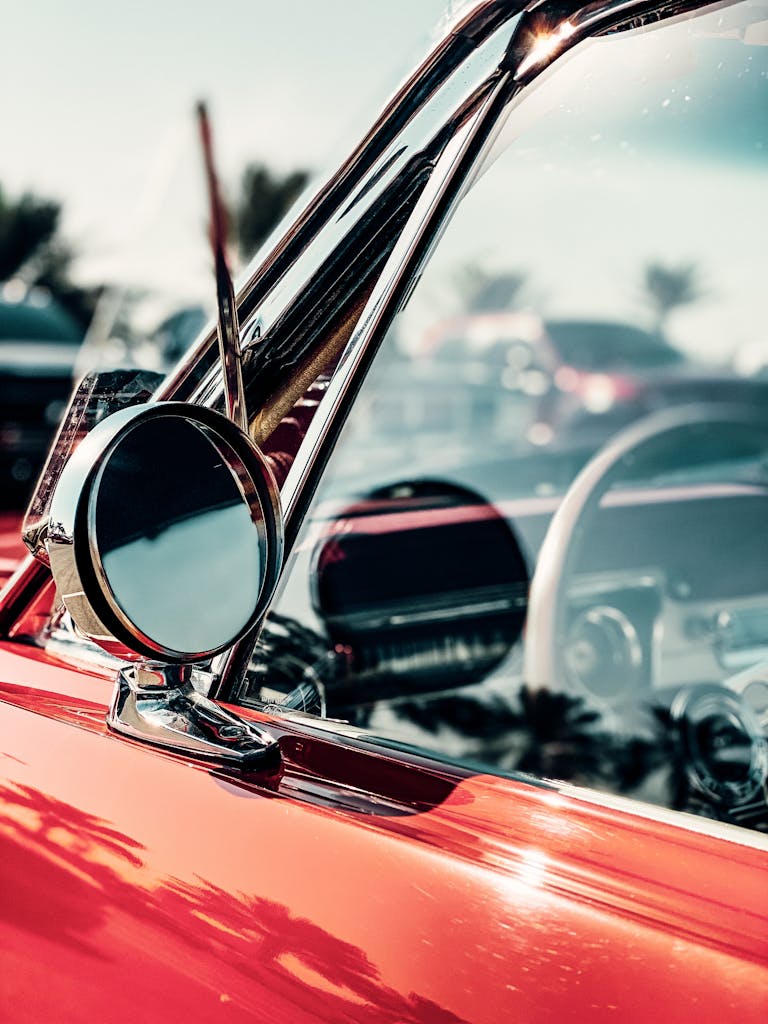
Automatic car washes are built to clean many vehicle shapes, but they are not gentle with every loose or extended part. Side mirrors, antennas, roof racks, bug deflectors, license plate frames, bike mounts, and aftermarket accessories can catch on cloth strips, brushes, blowers, or guide rails. Once that happens, the wash can turn a cheap cleaning stop into a repair job. A snapped mirror or bent antenna is not a small inconvenience when replacement parts and labor are involved.
Before entering the bay, we should fold the side mirrors, retract the antenna if the car has one, and remove anything attached to the roof or rear of the vehicle. We should also check that the fuel door, charging port door, windows, sunroof, and trunk are fully closed. This simple pause can prevent water intrusion and mechanical damage. A car wash is not the place to trust luck with fragile exterior parts.
We Misalign the Tires in Automatic Wash Tracks
If we enter at a bad angle or fail to position the tires correctly, the car can scrape, jerk, or sit awkwardly against the guide rails. That can lead to scuffed wheels, scraped tires, damaged rocker panels, or contact with equipment. The mistake often happens because we rush, panic, or assume the machine will correct the vehicle for us.
We should enter slowly, watch the floor guides, and follow the lights or employee signals carefully. If something feels wrong, we should stop and ask for help rather than force the car forward. Larger vehicles, low-profile cars, wide tires, modified suspension, and luxury wheels need extra caution. A clean exterior is not worth a scraped rim or damaged underbody panel.
We Shift Out of Neutral Too Early
Automatic conveyor washes usually require the car to stay in neutral until the system tells us to drive away. Shifting too early can disrupt the timing of the wash and create a sudden movement inside a narrow space. The vehicle may lurch, roll, or interfere with the equipment behind it. This mistake can also pose a safety risk to employees, nearby drivers, and the car behind us.
We should keep both hands calm, follow the posted instructions, and wait for the exit signal before shifting into drive. Modern cars with automatic braking, rain-sensing wipers, parking sensors, and driver-assistance systems may need special settings before entering some washes. We should know how to turn off automatic wipers, disable auto hold if required, and keep the car in the correct mode. A car wash is a controlled process, and we should not improvise halfway through it.
We Take a Damaged Vehicle Through the Wash
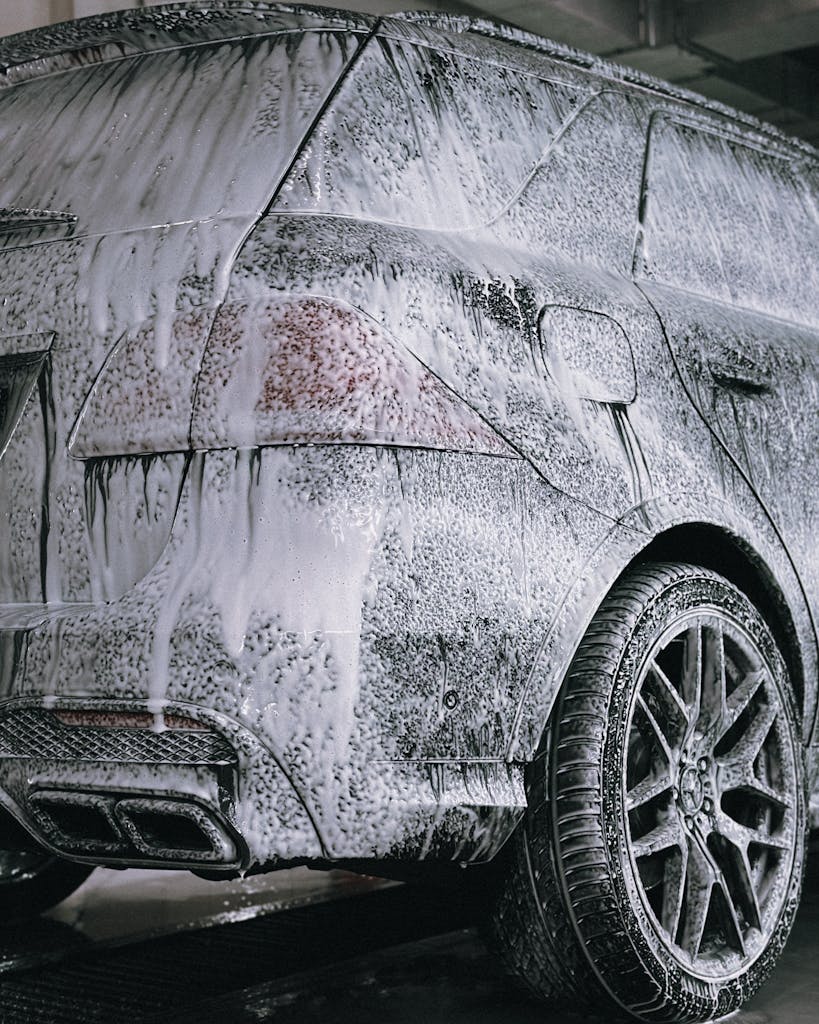
A car wash can worsen existing damage. A cracked windshield, loose trim, peeling paint, broken mirror, dangling bumper, damaged wiper, rust bubble, or weak seal can fail under pressure from water, air dryers, brushes, and moving cloth. The car may enter with a small problem and leave with a larger one. That is why washing a damaged vehicle without checking it first is a bad gamble.
Before using an automatic wash, we should inspect the windshield, lights, mirrors, door seals, trim pieces, bumpers, wipers, roof molding, and license plate brackets. If anything is loose, cracked, or barely attached, a hand wash is usually safer until repairs are made. Pressure and spinning equipment do not care that a part was already weak. They simply expose the weakness faster.
We Choose the Cheapest Wash Without Thinking About the Car’s Needs
A basic wash may be fine for light dust, but it may not be enough for heavy road film, salt, bugs, bird droppings, tree sap, or brake dust. Choosing the cheapest option every time can leave corrosive grime behind, especially underneath the vehicle and around the wheels. Road salt and dirty slush can sit in hidden areas where rust likes to start. A shiny hood does not mean the car is truly clean.
We should match the wash to the vehicle’s condition. After winter driving, coastal driving, muddy roads, or long highway trips, an undercarriage rinse can be worth the extra cost. If the car has bug splatter or bird droppings, we should remove them quickly because they can damage the finish if left too long. The cheapest wash isn’t always the smartest when the goal is long-term protection.
We Use High Pressure Too Close to Paint, Sensors, and Trim
Pressure sprayers are useful, but they can become risky when used too close to the vehicle. A narrow blast of water aimed directly at chipped paint, rubber seals, parking sensors, cameras, decals, old trim, or wheel weights can loosen or damage parts. We may feel like we are blasting dirt away, but too much force in the wrong spot can create new problems. This is especially true around older paint, repaired panels, and aftermarket wraps.
We should keep the pressure wand at a safe distance and avoid spraying directly into panel gaps, door seals, camera housings, electrical connectors, and damaged areas. The water stream should lift dirt, not attack the car. Extra caution is needed around side cameras, backup cameras, parking sensors, and radar covers, as modern vehicles rely on these parts for safety systems. Clean is good. Careless force is not.
We let the soap dry on the Paint.
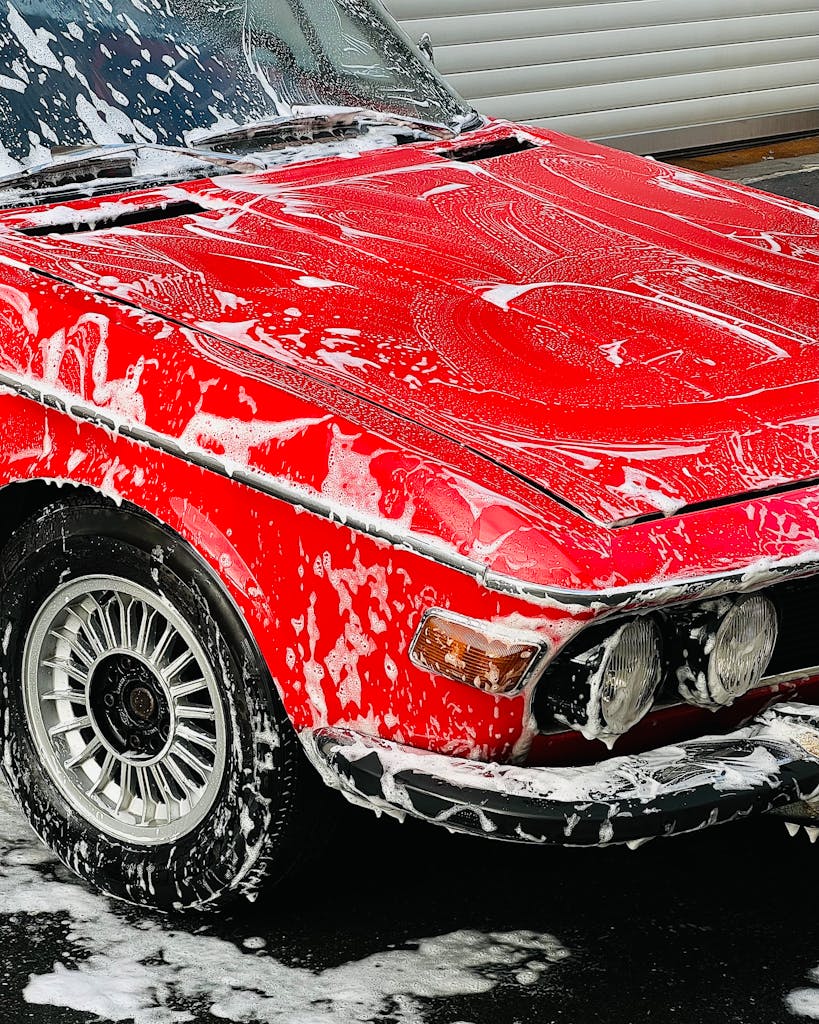
At a self-service wash, running out of time or quarters while the car is covered in soap is more than annoying. Dried soap can leave streaks, residue, and cloudy patches on paint, glass, and trim. On a hot day, soap dries faster and becomes harder to rinse clean. The result is a car that technically got washed but looks worse in sunlight.
We should bring more payment than we think we need and work in a steady, orderly manner. Rinse first, apply soap, clean carefully, and rinse fully before anything dries. If the sun is strong or the paint is hot, we should wash in smaller sections or choose a shaded bay. A wash should remove residue, not bake it into the surface.
We Ignore the Wheels Until the End
Wheels are often the dirtiest part of the car because they collect brake dust, road grime, tar, and salt. If we clean the wheels carelessly after washing the paint, dirty spray can splash back onto clean panels. Brake dust can also be stubborn and corrosive, especially if it sits for too long. A car can look freshly washed at eye level and still have neglected wheels that make the whole job look unfinished.
We should treat wheels as a separate cleaning zone. They need their own brush, mitt, or towel, not the same tool used on paint. The lower body panels also deserve a dedicated rinse, as they collect grime from the tires. Once we separate wheel cleaning from paint cleaning, we reduce the chance of dragging harsh particles across the finish.
We Skip Drying and Then Blame the Wash for Water Spots
Leaving a car to air dry may seem harmless, but minerals in water can leave spots on paint, glass, chrome, and mirrors. Dark-colored vehicles show this problem quickly, especially under direct sunlight. Automatic blowers help, but they often miss mirrors, grilles, license plate areas, door handles, fuel doors, and trim edges. Those hidden drops run down later, creating streaks.
We should dry the car with clean microfiber towels after the wash, especially around mirrors, windows, lights, and door jambs. Even with a full-service wash, we should still do a quick final check before driving away. Water trapped behind mirrors and badges can drip onto freshly painted surfaces within minutes. A few extra wipes can make the difference between a clean finish and a spotted one.
We Leave Without Inspecting the Vehicle
One of the worst car wash mistakes happens after the wash is finished. We drive away without checking the car. If a mirror is loose, a wiper is bent, a trim piece is missing, or a scratch appears, we need to notice it immediately. Coming back days later makes it harder to prove and fix the situation.
We should park safely after exiting and walk around the vehicle. We need to check the mirrors, windshield, wheels, lights, bumpers, trim, roof, antenna, and license plates. If something looks wrong, we should take photos, notify the attendant, and document the issue before leaving the property. A quick inspection protects us from arguments later.
We Assume Every Car Wash Is Safe for Every Vehicle
Not every car wash is right for every car. A tall SUV with a roof rack, a low sports car, a freshly painted vehicle, a wrapped car, an older vehicle with brittle trim, or a truck with aftermarket accessories may need special care. Automatic washes are convenient, but convenience does not mean universal compatibility. Some vehicles are better suited to touchless washes, hand washing, or professional detailing.
We should read posted warnings, know the vehicle’s height and width, and assess the exterior condition before choosing a wash. If the car has ceramic coating, paint protection film, vinyl wrap, matte paint, or custom accessories, we should follow the care instructions for those materials. The wrong wash method can dull, stain, lift, or scratch surfaces that need gentler treatment. A smart wash begins before the water starts.
We Scrub Before Rinsing the Dirt Off
One of the fastest ways to scratch a car is to start scrubbing before loose dirt, sand, and road grit have been rinsed away. That grit does not disappear because we are using soap. It gets dragged across the paint like tiny sandpaper, especially on the lower doors, bumpers, wheel arches, and rocker panels where grime collects heavily. We may think we are cleaning harder, but we are really grinding dirt into the clear coat.
A proper wash should begin with a full rinse from top to bottom. We should let the water soften and remove surface dirt before any brush, mitt, cloth, or sponge touches the vehicle. The lower parts of the car need extra attention because they collect the harshest debris from wet roads, parking lots, mud, and winter salt. If the car is visibly dirty, we should never jump straight into scrubbing just to save a minute.
We Trust the Car Wash Brush Without Cleaning It First
The self-service brush looks convenient, but it is one of the biggest risks at a public car wash. We do not know who used it before us, what kind of mud was on their truck, or if the bristles picked up gravel from the floor. A brush that looks harmless can carry old grit, grease, brake dust, and sharp particles. Once we press it against the paint, all of that mess can create fine scratches that show up later in direct sunlight.
Before using any shared brush, we should rinse it thoroughly with the pressure sprayer. Even better, we should avoid using the public brush on painted surfaces and use it only for tires, rubber mats, or heavily soiled non-painted areas. Bringing a clean microfiber wash mitt is a smarter move for anyone who cares about paint condition. The goal is not just to remove dirt. The goal is to remove dirt without adding new damage.
We Leave Side Mirrors, Antennas, and Accessories Exposed
Automatic car washes are built to clean many vehicle shapes, but they are not gentle with every loose or extended part. Side mirrors, antennas, roof racks, bug deflectors, license plate frames, bike mounts, and aftermarket accessories can catch on cloth strips, brushes, blowers, or guide rails. Once that happens, the wash can turn a cheap cleaning stop into a repair job. A snapped mirror or bent antenna is not a small inconvenience when replacement parts and labor are involved.
Before entering the bay, we should fold the side mirrors, retract the antenna if the car has one, and remove anything attached to the roof or rear of the vehicle. We should also check that the fuel door, charging port door, windows, sunroof, and trunk are fully closed. This simple pause can prevent water intrusion and mechanical damage. A car wash is not the place to trust luck with fragile exterior parts.
We Misalign the Tires in Automatic Wash Tracks
If we enter at a bad angle or fail to position the tires correctly, the car can scrape, jerk, or sit awkwardly against the guide rails. That can lead to scuffed wheels, scraped tires, damaged rocker panels, or contact with equipment. The mistake often happens because we rush, panic, or assume the machine will correct the vehicle for us.
We should enter slowly, watch the floor guides, and follow the lights or employee signals carefully. If something feels wrong, we should stop and ask for help rather than force the car forward. Larger vehicles, low-profile cars, wide tires, modified suspension, and luxury wheels need extra caution. A clean exterior is not worth a scraped rim or damaged underbody panel.
We Shift Out of Neutral Too Early
Automatic conveyor washes usually require the car to stay in neutral until the system tells us to drive away. Shifting too early can disrupt the timing of the wash and create a sudden movement inside a narrow space. The vehicle may lurch, roll, or interfere with the equipment behind it. This mistake can also pose a safety risk to employees, nearby drivers, and the car behind us.
We should keep both hands calm, follow the posted instructions, and wait for the exit signal before shifting into drive. Modern cars with automatic braking, rain-sensing wipers, parking sensors, and driver-assistance systems may need special settings before entering some washes. We should know how to turn off automatic wipers, disable auto hold if required, and keep the car in the correct mode. A car wash is a controlled process, and we should not improvise halfway through it.
We Take a Damaged Vehicle Through the Wash
A car wash can worsen existing damage. A cracked windshield, loose trim, peeling paint, broken mirror, dangling bumper, damaged wiper, rust bubble, or weak seal can fail under pressure from water, air dryers, brushes, and moving cloth. The car may enter with a small problem and leave with a larger one. That is why washing a damaged vehicle without checking it first is a bad gamble.
Before using an automatic wash, we should inspect the windshield, lights, mirrors, door seals, trim pieces, bumpers, wipers, roof molding, and license plate brackets. If anything is loose, cracked, or barely attached, a hand wash is usually safer until repairs are made. Pressure and spinning equipment do not care that a part was already weak. They simply expose the weakness faster.
We Choose the Cheapest Wash Without Thinking About the Car’s Needs
A basic wash may be fine for light dust, but it may not be enough for heavy road film, salt, bugs, bird droppings, tree sap, or brake dust. Choosing the cheapest option every time can leave corrosive grime behind, especially underneath the vehicle and around the wheels. Road salt and dirty slush can sit in hidden areas where rust likes to start. A shiny hood does not mean the car is truly clean.
We should match the wash to the vehicle’s condition. After winter driving, coastal driving, muddy roads, or long highway trips, an undercarriage rinse can be worth the extra cost. If the car has bug splatter or bird droppings, we should remove them quickly because they can damage the finish if left too long. The cheapest wash isn’t always the smartest when the goal is long-term protection.
We Use High Pressure Too Close to Paint, Sensors, and Trim
Pressure sprayers are useful, but they can become risky when used too close to the vehicle. A narrow blast of water aimed directly at chipped paint, rubber seals, parking sensors, cameras, decals, old trim, or wheel weights can loosen or damage parts. We may feel like we are blasting dirt away, but too much force in the wrong spot can create new problems. This is especially true around older paint, repaired panels, and aftermarket wraps.
We should keep the pressure wand at a safe distance and avoid spraying directly into panel gaps, door seals, camera housings, electrical connectors, and damaged areas. The water stream should lift dirt, not attack the car. Extra caution is needed around side cameras, backup cameras, parking sensors, and radar covers, as modern vehicles rely on these parts for safety systems. Clean is good. Careless force is not.
We let the soap dry on the Paint.
At a self-service wash, running out of time or quarters while the car is covered in soap is more than annoying. Dried soap can leave streaks, residue, and cloudy patches on paint, glass, and trim. On a hot day, soap dries faster and becomes harder to rinse clean. The result is a car that technically got washed but looks worse in sunlight.
We should bring more payment than we think we need and work in a steady, orderly manner. Rinse first, apply soap, clean carefully, and rinse fully before anything dries. If the sun is strong or the paint is hot, we should wash in smaller sections or choose a shaded bay. A wash should remove residue, not bake it into the surface.
We Ignore the Wheels Until the End
Wheels are often the dirtiest part of the car because they collect brake dust, road grime, tar, and salt. If we clean the wheels carelessly after washing the paint, dirty spray can splash back onto clean panels. Brake dust can also be stubborn and corrosive, especially if it sits for too long. A car can look freshly washed at eye level and still have neglected wheels that make the whole job look unfinished.
We should treat wheels as a separate cleaning zone. They need their own brush, mitt, or towel, not the same tool used on paint. The lower body panels also deserve a dedicated rinse, as they collect grime from the tires. Once we separate wheel cleaning from paint cleaning, we reduce the chance of dragging harsh particles across the finish.
We Skip Drying and Then Blame the Wash for Water Spots
Leaving a car to air dry may seem harmless, but minerals in water can leave spots on paint, glass, chrome, and mirrors. Dark-colored vehicles show this problem quickly, especially under direct sunlight. Automatic blowers help, but they often miss mirrors, grilles, license plate areas, door handles, fuel doors, and trim edges. Those hidden drops run down later, creating streaks.
We should dry the car with clean microfiber towels after the wash, especially around mirrors, windows, lights, and door jambs. Even with a full-service wash, we should still do a quick final check before driving away. Water trapped behind mirrors and badges can drip onto freshly painted surfaces within minutes. A few extra wipes can make the difference between a clean finish and a spotted one.
We Leave Without Inspecting the Vehicle
One of the worst car wash mistakes happens after the wash is finished. We drive away without checking the car. If a mirror is loose, a wiper is bent, a trim piece is missing, or a scratch appears, we need to notice it immediately. Coming back days later makes it harder to prove and fix the situation.
We should park safely after exiting and walk around the vehicle. We need to check the mirrors, windshield, wheels, lights, bumpers, trim, roof, antenna, and license plates. If something looks wrong, we should take photos, notify the attendant, and document the issue before leaving the property. A quick inspection protects us from arguments later.
We Assume Every Car Wash Is Safe for Every Vehicle
Not every car wash is right for every car. A tall SUV with a roof rack, a low sports car, a freshly painted vehicle, a wrapped car, an older vehicle with brittle trim, or a truck with aftermarket accessories may need special care. Automatic washes are convenient, but convenience does not mean universal compatibility. Some vehicles are better suited to touchless washes, hand washing, or professional detailing.
We should read posted warnings, know the vehicle’s height and width, and assess the exterior condition before choosing a wash. If the car has ceramic coating, paint protection film, vinyl wrap, matte paint, or custom accessories, we should follow the care instructions for those materials. The wrong wash method can dull, stain, lift, or scratch surfaces that need gentler treatment. A smart wash begins before the water starts.
We Scrub Before Rinsing the Dirt Off
One of the fastest ways to scratch a car is to start scrubbing before loose dirt, sand, and road grit have been rinsed away. That grit does not disappear because we are using soap. It gets dragged across the paint like tiny sandpaper, especially on the lower doors, bumpers, wheel arches, and rocker panels where grime collects heavily. We may think we are cleaning harder, but we are really grinding dirt into the clear coat.
A proper wash should begin with a full rinse from top to bottom. We should let the water soften and remove surface dirt before any brush, mitt, cloth, or sponge touches the vehicle. The lower parts of the car need extra attention because they collect the harshest debris from wet roads, parking lots, mud, and winter salt. If the car is visibly dirty, we should never jump straight into scrubbing just to save a minute.
We Trust the Car Wash Brush Without Cleaning It First
The self-service brush looks convenient, but it is one of the biggest risks at a public car wash. We do not know who used it before us, what kind of mud was on their truck, or if the bristles picked up gravel from the floor. A brush that looks harmless can carry old grit, grease, brake dust, and sharp particles. Once we press it against the paint, all of that mess can create fine scratches that show up later in direct sunlight.
Before using any shared brush, we should rinse it thoroughly with the pressure sprayer. Even better, we should avoid using the public brush on painted surfaces and use it only for tires, rubber mats, or heavily soiled non-painted areas. Bringing a clean microfiber wash mitt is a smarter move for anyone who cares about paint condition. The goal is not just to remove dirt. The goal is to remove dirt without adding new damage.
We Leave Side Mirrors, Antennas, and Accessories Exposed
Automatic car washes are built to clean many vehicle shapes, but they are not gentle with every loose or extended part. Side mirrors, antennas, roof racks, bug deflectors, license plate frames, bike mounts, and aftermarket accessories can catch on cloth strips, brushes, blowers, or guide rails. Once that happens, the wash can turn a cheap cleaning stop into a repair job. A snapped mirror or bent antenna is not a small inconvenience when replacement parts and labor are involved.
Before entering the bay, we should fold the side mirrors, retract the antenna if the car has one, and remove anything attached to the roof or rear of the vehicle. We should also check that the fuel door, charging port door, windows, sunroof, and trunk are fully closed. This simple pause can prevent water intrusion and mechanical damage. A car wash is not the place to trust luck with fragile exterior parts.
We Misalign the Tires in Automatic Wash Tracks
If we enter at a bad angle or fail to position the tires correctly, the car can scrape, jerk, or sit awkwardly against the guide rails. That can lead to scuffed wheels, scraped tires, damaged rocker panels, or contact with equipment. The mistake often happens because we rush, panic, or assume the machine will correct the vehicle for us.
We should enter slowly, watch the floor guides, and follow the lights or employee signals carefully. If something feels wrong, we should stop and ask for help rather than force the car forward. Larger vehicles, low-profile cars, wide tires, modified suspension, and luxury wheels need extra caution. A clean exterior is not worth a scraped rim or damaged underbody panel.
We Shift Out of Neutral Too Early
Automatic conveyor washes usually require the car to stay in neutral until the system tells us to drive away. Shifting too early can disrupt the timing of the wash and create a sudden movement inside a narrow space. The vehicle may lurch, roll, or interfere with the equipment behind it. This mistake can also pose a safety risk to employees, nearby drivers, and the car behind us.
We should keep both hands calm, follow the posted instructions, and wait for the exit signal before shifting into drive. Modern cars with automatic braking, rain-sensing wipers, parking sensors, and driver-assistance systems may need special settings before entering some washes. We should know how to turn off automatic wipers, disable auto hold if required, and keep the car in the correct mode. A car wash is a controlled process, and we should not improvise halfway through it.
We Take a Damaged Vehicle Through the Wash
A car wash can worsen existing damage. A cracked windshield, loose trim, peeling paint, broken mirror, dangling bumper, damaged wiper, rust bubble, or weak seal can fail under pressure from water, air dryers, brushes, and moving cloth. The car may enter with a small problem and leave with a larger one. That is why washing a damaged vehicle without checking it first is a bad gamble.
Before using an automatic wash, we should inspect the windshield, lights, mirrors, door seals, trim pieces, bumpers, wipers, roof molding, and license plate brackets. If anything is loose, cracked, or barely attached, a hand wash is usually safer until repairs are made. Pressure and spinning equipment do not care that a part was already weak. They simply expose the weakness faster.
We Choose the Cheapest Wash Without Thinking About the Car’s Needs
A basic wash may be fine for light dust, but it may not be enough for heavy road film, salt, bugs, bird droppings, tree sap, or brake dust. Choosing the cheapest option every time can leave corrosive grime behind, especially underneath the vehicle and around the wheels. Road salt and dirty slush can sit in hidden areas where rust likes to start. A shiny hood does not mean the car is truly clean.
We should match the wash to the vehicle’s condition. After winter driving, coastal driving, muddy roads, or long highway trips, an undercarriage rinse can be worth the extra cost. If the car has bug splatter or bird droppings, we should remove them quickly because they can damage the finish if left too long. The cheapest wash isn’t always the smartest when the goal is long-term protection.
We Use High Pressure Too Close to Paint, Sensors, and Trim
Pressure sprayers are useful, but they can become risky when used too close to the vehicle. A narrow blast of water aimed directly at chipped paint, rubber seals, parking sensors, cameras, decals, old trim, or wheel weights can loosen or damage parts. We may feel like we are blasting dirt away, but too much force in the wrong spot can create new problems. This is especially true around older paint, repaired panels, and aftermarket wraps.
We should keep the pressure wand at a safe distance and avoid spraying directly into panel gaps, door seals, camera housings, electrical connectors, and damaged areas. The water stream should lift dirt, not attack the car. Extra caution is needed around side cameras, backup cameras, parking sensors, and radar covers, as modern vehicles rely on these parts for safety systems. Clean is good. Careless force is not.
We let the soap dry on the Paint.
At a self-service wash, running out of time or quarters while the car is covered in soap is more than annoying. Dried soap can leave streaks, residue, and cloudy patches on paint, glass, and trim. On a hot day, soap dries faster and becomes harder to rinse clean. The result is a car that technically got washed but looks worse in sunlight.
We should bring more payment than we think we need and work in a steady, orderly manner. Rinse first, apply soap, clean carefully, and rinse fully before anything dries. If the sun is strong or the paint is hot, we should wash in smaller sections or choose a shaded bay. A wash should remove residue, not bake it into the surface.
We Ignore the Wheels Until the End
Wheels are often the dirtiest part of the car because they collect brake dust, road grime, tar, and salt. If we clean the wheels carelessly after washing the paint, dirty spray can splash back onto clean panels. Brake dust can also be stubborn and corrosive, especially if it sits for too long. A car can look freshly washed at eye level and still have neglected wheels that make the whole job look unfinished.
We should treat wheels as a separate cleaning zone. They need their own brush, mitt, or towel, not the same tool used on paint. The lower body panels also deserve a dedicated rinse, as they collect grime from the tires. Once we separate wheel cleaning from paint cleaning, we reduce the chance of dragging harsh particles across the finish.
We Skip Drying and Then Blame the Wash for Water Spots
Leaving a car to air dry may seem harmless, but minerals in water can leave spots on paint, glass, chrome, and mirrors. Dark-colored vehicles show this problem quickly, especially under direct sunlight. Automatic blowers help, but they often miss mirrors, grilles, license plate areas, door handles, fuel doors, and trim edges. Those hidden drops run down later, creating streaks.
We should dry the car with clean microfiber towels after the wash, especially around mirrors, windows, lights, and door jambs. Even with a full-service wash, we should still do a quick final check before driving away. Water trapped behind mirrors and badges can drip onto freshly painted surfaces within minutes. A few extra wipes can make the difference between a clean finish and a spotted one.
We Leave Without Inspecting the Vehicle
One of the worst car wash mistakes happens after the wash is finished. We drive away without checking the car. If a mirror is loose, a wiper is bent, a trim piece is missing, or a scratch appears, we need to notice it immediately. Coming back days later makes it harder to prove and fix the situation.
We should park safely after exiting and walk around the vehicle. We need to check the mirrors, windshield, wheels, lights, bumpers, trim, roof, antenna, and license plates. If something looks wrong, we should take photos, notify the attendant, and document the issue before leaving the property. A quick inspection protects us from arguments later.
We Assume Every Car Wash Is Safe for Every Vehicle
Not every car wash is right for every car. A tall SUV with a roof rack, a low sports car, a freshly painted vehicle, a wrapped car, an older vehicle with brittle trim, or a truck with aftermarket accessories may need special care. Automatic washes are convenient, but convenience does not mean universal compatibility. Some vehicles are better suited to touchless washes, hand washing, or professional detailing.
We should read posted warnings, know the vehicle’s height and width, and assess the exterior condition before choosing a wash. If the car has ceramic coating, paint protection film, vinyl wrap, matte paint, or custom accessories, we should follow the care instructions for those materials. The wrong wash method can dull, stain, lift, or scratch surfaces that need gentler treatment. A smart wash begins before the water starts.
Conclusion
A car wash should protect the vehicle, not quietly punish it. The biggest mistakes usually come from rushing, trusting shared equipment, ignoring visible damage, and treating every wash bay like it works the same way. When we rinse first, clean tools before use, fold mirrors, align properly, dry carefully, and inspect the car before leaving, we reduce the chance of scratches, broken parts, water spots, and unnecessary repair bills.
The smartest car owners do not just wash their vehicles more often. They wash them with better judgment. A clean car should leave the wash looking sharper, safer, and better cared for than it did before entering. So the next time we pull into a car wash, the real question is simple: are we cleaning the car, or are we accidentally causing damage?