Minneapolis is gearing up for the 2026 summer season with a safety plan that promises order and vigilance. However, a closer look reveals several public red flags that could undermine the plan’s effectiveness. As city officials roll out strategies to protect residents and visitors during high-traffic events, these warning signs suggest that the plan may fall short on critical fronts. We examine the five most concerning issues, highlighting their potential impact on public safety, community trust, and city operations.
The city has committed to a mix of increased patrols, technology-driven monitoring, and community engagement programs. Despite these efforts, gaps in logistics, transparency, and enforcement raise serious questions. Residents and event-goers should be aware of these red flags to understand the risks and limitations embedded in the current summer safety blueprint.
Inconsistent Deployment Of Law Enforcement Personnel

The 2026 safety plan allocates officers to key public areas and major events, but staffing patterns suggest a high likelihood of uneven coverage. Certain neighborhoods and high-traffic venues are slated for intensive patrols, whereas other areas may experience minimal oversight. This uneven allocation creates zones where incidents can escalate unchecked, particularly in areas with known safety challenges or high pedestrian activity.
City planners are relying on predictive data and historical crime statistics to guide patrol routes. However, the gap between scheduled presence and actual real-time coverage can leave blind spots. Large crowds at summer festivals, parks, and sporting events may overwhelm available officers, reducing response times. The uneven law enforcement footprint increases the risk of property crime, assault, and disorderly conduct in under-patrolled areas, compromising overall public safety.
Insufficient Planning For Large-Scale Emergency Scenarios
The Minneapolis 2026 summer plan identifies procedures for minor disturbances and localized incidents. However, it lacks comprehensive protocols for large-scale emergencies such as mass gatherings, extreme weather events, or coordinated threats. Evacuation routes, crowd control measures, and inter-agency coordination appear underdeveloped, leaving critical vulnerabilities.
Historical incidents in comparable cities illustrate the consequences of incomplete contingency planning. Overcrowding, delayed emergency response, and confusion among attendees can magnify risks. Without robust scenario testing and inter-agency drills, the city may struggle to respond effectively to multi-site emergencies. Residents and visitors could experience delayed medical aid, mismanaged evacuations, or chaotic dispersal in high-density areas, compounding the hazards of the summer season.
Overreliance On Surveillance Technology
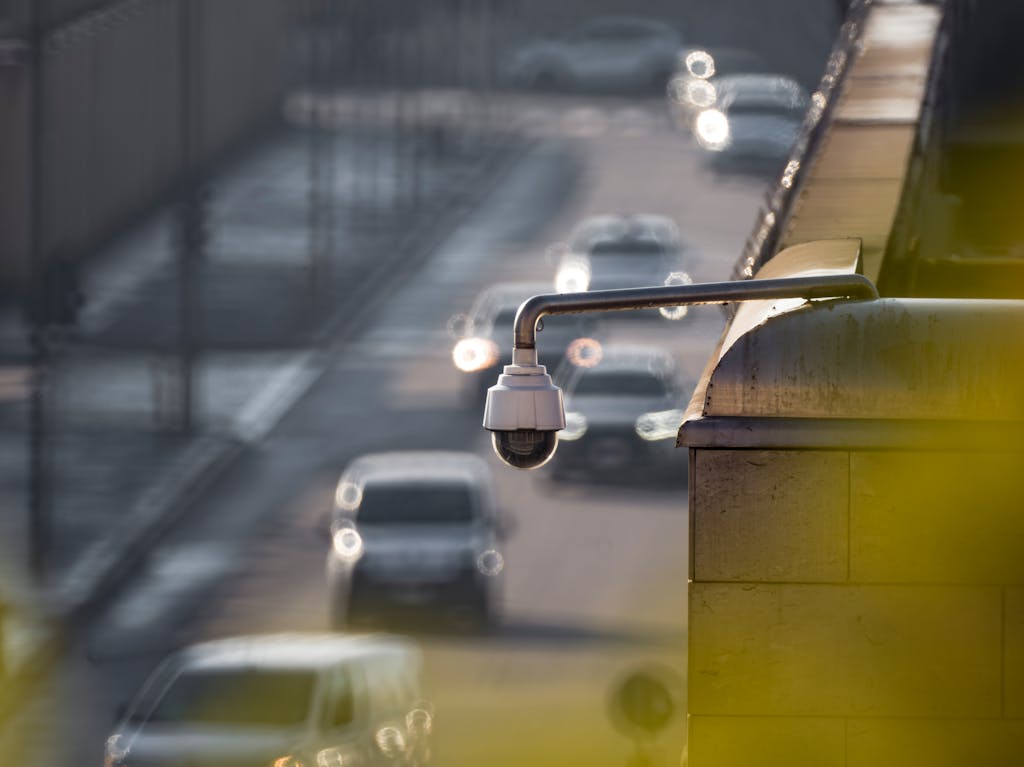
The plan emphasizes the use of advanced surveillance systems, including high-definition cameras, automated license plate readers, and AI-driven threat detection. While technology can supplement human oversight, heavy reliance on devices poses a red flag. Surveillance cannot replace officers’ judgment in nuanced situations such as crowd de-escalation, mental health crises, or spontaneous emergencies.
Furthermore, technological limitations may lead to false positives, delayed alerts, or misinterpretations of activity patterns. Residents have expressed concerns over privacy and data management, questioning how footage is stored, accessed, and shared. Overdependence on digital monitoring risks creating a false sense of security, leaving gaps in on-the-ground engagement where human presence is essential to prevent incidents.
Limited Community Engagement And Preventive Programs
While the plan mentions partnerships with local organizations and volunteer programs, the scope of community involvement is limited. Engagement programs that educate residents about safety protocols, self-protection measures, and reporting procedures are underfunded and implemented only sparsely.
Preventive initiatives such as neighborhood watch programs, youth outreach, and public safety workshops are essential for fostering a proactive environment. Without meaningful engagement, the safety plan relies heavily on reactive measures rather than addressing the root causes of crime and disorder. This approach risks alienating the community, undermining public cooperation, and reducing the effectiveness of interventions during events that draw large crowds or transient populations.
Lack Of Transparent Communication Strategies
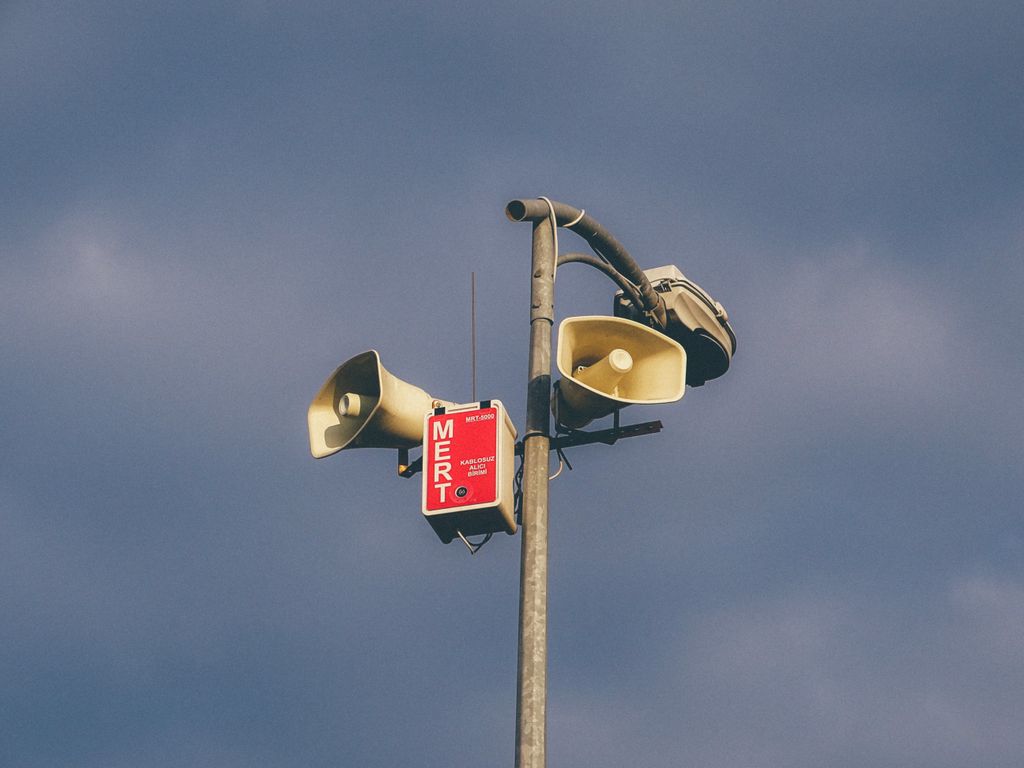
The safety plan outlines several communication channels for public advisories and emergency alerts. Despite this, strategic clarity and accessibility remain inconsistent. Instructions for residents and visitors on how to report incidents, navigate road closures, or access emergency services are fragmented across multiple platforms, leading to confusion.
A crucial concern is the plan’s reliance on mobile notifications and social media updates. Not all residents have consistent access to these platforms, and language barriers may further reduce effectiveness. The absence of a centralized, transparent communication hub diminishes public confidence and can delay responses during crises. Community members may feel uninformed or disconnected, eroding trust in the city authorities’ ability to maintain safety during peak summer activities.
Conclusion
The Minneapolis 2026 Summer Safety Plan contains elements that signal commitment to public welfare, but the five red flags outlined above indicate that execution may falter under real-world conditions. Inconsistent law enforcement coverage, overreliance on surveillance technology, fragmented communication, limited emergency preparedness, and weak community engagement collectively expose vulnerabilities.
City officials must address these areas to prevent incidents that could harm residents, visitors, and the city’s reputation. Transparent deployment of resources, investment in human oversight, comprehensive emergency drills, and stronger community partnerships are necessary to bridge the gap between plan and practice. Minneapolis’ summer events carry cultural, economic, and social significance, and the safety plan must reflect the scale of responsibility involved. The public should remain informed, vigilant, and engaged as authorities work to strengthen these critical systems for a secure summer season.