Watermelon seems like the easiest fruit to pick in the store. Big, round, shiny, and promising juicy sweetness, it practically screams “summer treat.” But one wrong choice can leave you with a melon that tastes flat, watery, or just disappointing.
Suddenly, your picnic plans or backyard snack fantasies turn into staring at a bland, overgrown cucumber.
The truth is that watermelons hide their secrets beneath that glossy green exterior. While the fruit may look perfect, every melon carries clues about ripeness, flavor, and juiciness.
Ignoring those hints is how shoppers end up with fruit that underdelivers. The key to a great watermelon is to slow down, pay attention, and avoid these common mistakes.
Ignoring the Field Spot
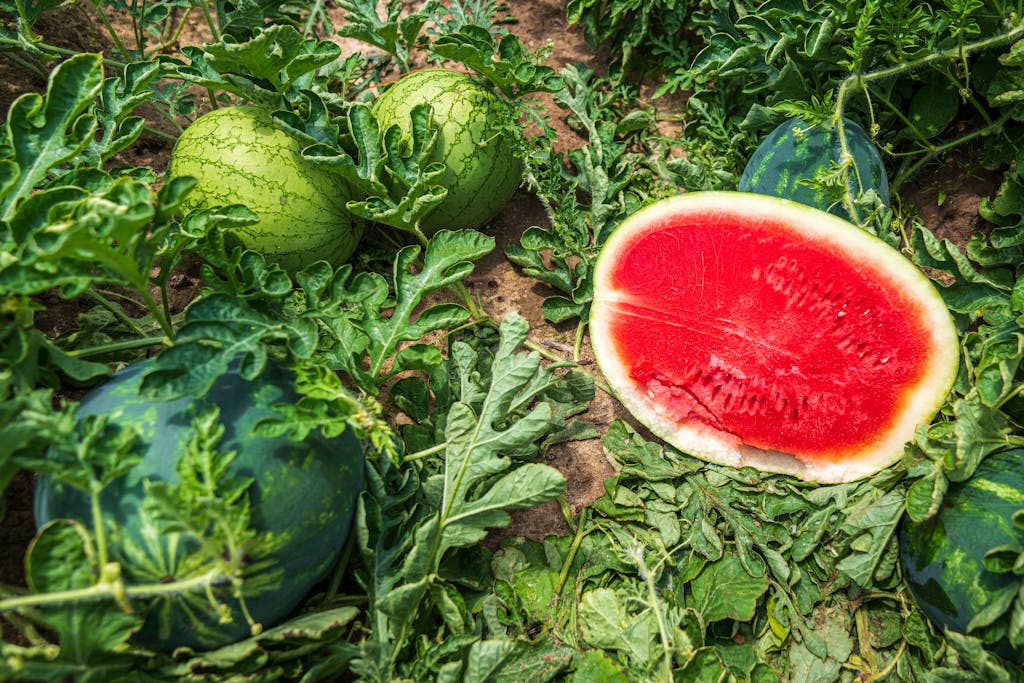
One of the most reliable signs of ripeness is the field spot, the pale patch where the watermelon rested on the ground. Recognizing this can boost your confidence in choosing a sweet, ripe melon, making your shopping experience more satisfying.
Skipping this check is like buying a perfume without smelling it first. That creamy patch isn’t just cosmetic; it’s a window into how the fruit matured. Learning to spot this subtle clue can save you from the disappointment of a melon that looks perfect but tastes underwhelming.
Choosing the Lightest Melon
Weight matters. A watermelon should feel heavy for its size, giving you confidence that it’s dense and juicy inside. Trusting your sense of heft can help you pick a melon that will deliver the hydration and sweetness you expect.
This is one place where shoppers often rely on size instead of heft. Don’t automatically grab the biggest melon on display, compare similar-sized fruits, and trust your hands. The right melon will surprise you with how heavy it feels, indicating a juicy, flavorful interior.
Trusting a Shiny Rind
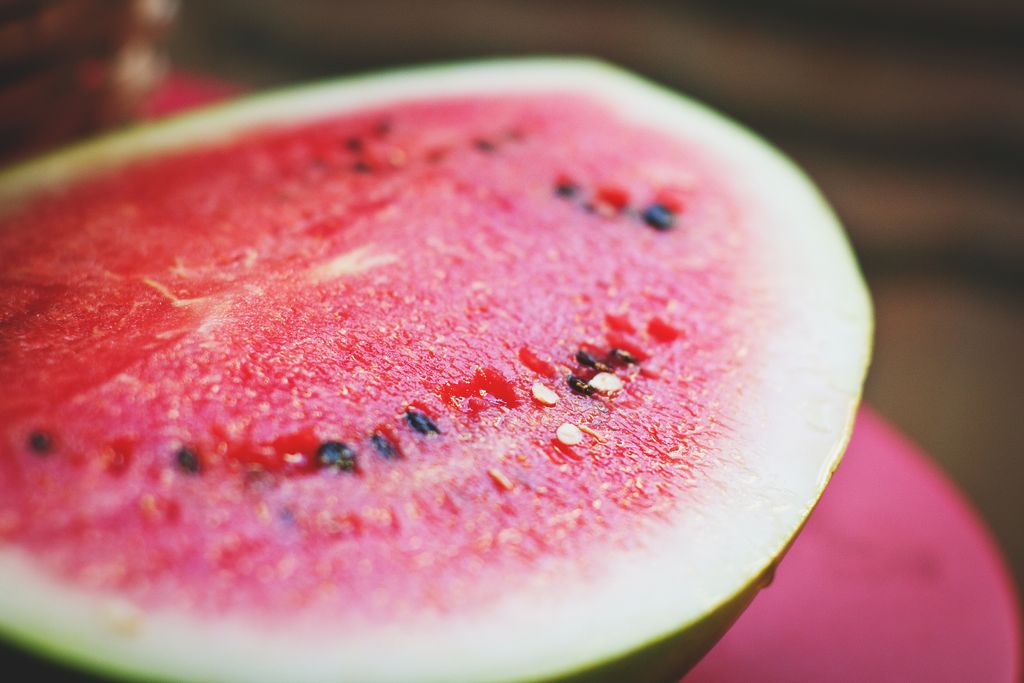
A perfectly shiny, flawless rind might seem appealing, but looking beyond the shine can help you find a more flavorful melon. Recognizing subtle color variations and textures can empower you to select a sweeter, more satisfying fruit.
Look beyond the shine. Subtle color variations, gentle stripes, and a firm, textured surface can be stronger indicators of ripeness. A melon that looks less “perfect” on the outside can be far sweeter and juicier on the inside than its polished counterparts.
Overlooking Cracks and Soft Spots
The watermelon’s rind is its protective armor, and damage to it can be a warning sign. Cracks, bruises, or mushy areas often indicate the fruit has been handled roughly or has begun to spoil. Even a small soft spot can hide deterioration or fermentation inside.
Firmness and integrity are essential. A melon that gives under gentle pressure may have lost its crispness and flavor. By carefully inspecting each fruit, you ensure that every slice will be firm, refreshing, and ready to enjoy.
Forgetting to Wash the Rind
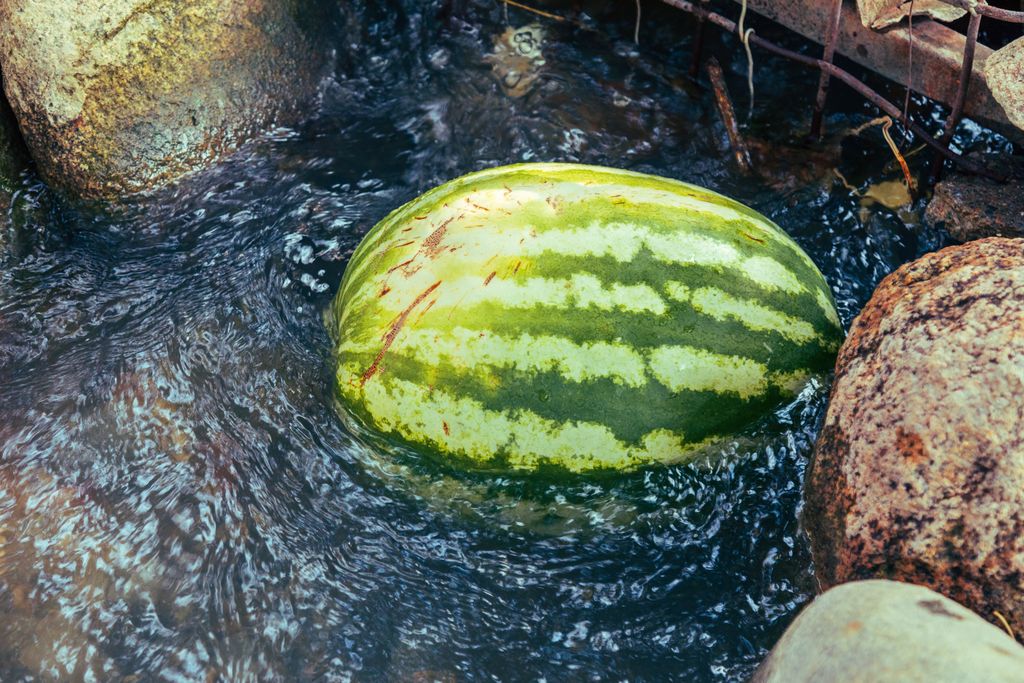
Many people skip this step, assuming that the rind is irrelevant since they only eat the inside. But when you slice through the rind, your knife can drag dirt, bacteria, or pesticides into the flesh. Rinsing the melon under running water and scrubbing it helps keep your fruit safe and clean.
Always rinse the melon under running water and scrub it with a produce brush before cutting. You don’t need soap or special cleaners, just water and a clean brush. This simple step reduces the risk of contamination and ensures every bite is as safe as it is sweet.
Leaving Cut Melon Out Too Long
Watermelon is a picnic star, but sliced melon should never sit out for hours. Heat and air exposure can turn vibrant fruit mushy, watery, and unsafe to eat. Ideally, keep cut pieces chilled and only bring out what you are ready to serve.
If you are serving melon outdoors, portion it into smaller containers and keep the rest refrigerated until needed. This practice maintains texture, sweetness, and safety, letting you enjoy the fruit without worry.
Believing Seedless Always Means Better
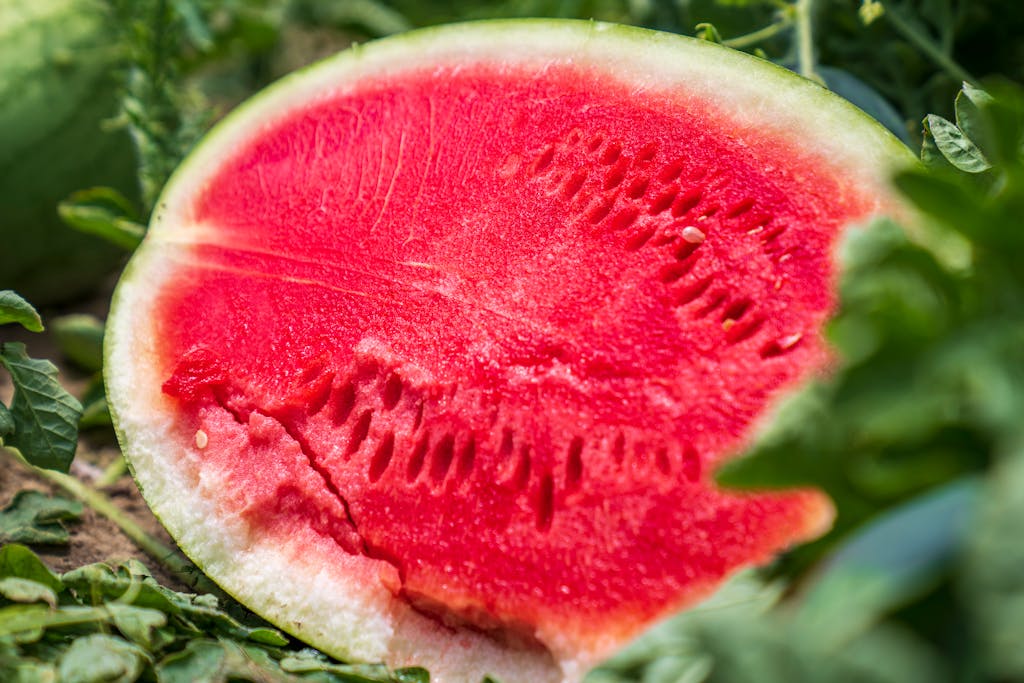
Seedless watermelon has surged in popularity because it’s convenient, but seedless does not automatically mean sweeter. Both seeded and seedless varieties can deliver excellent flavor or disappointment depending on ripeness, storage, and handling.
Shoppers often choose seedless varieties for ease, overlooking signs of quality. The secret to a great melon lies in weight, field spot, firmness, and subtle color cues. Seedless is nice for convenience, but flavor is king, and that comes from paying attention, not labels.
Watermelon may look simple, but choosing the right one requires attention, patience, and a few smart habits. From checking the field spot to judging weight and texture, these clues tell the story of a melon before it ever reaches your kitchen.
Mastering these tips ensures every slice is crisp, juicy, and perfect for summer snacks, picnics, or late-night cravings. Don’t let a bad melon ruin the season. Shop smart and taste the difference.