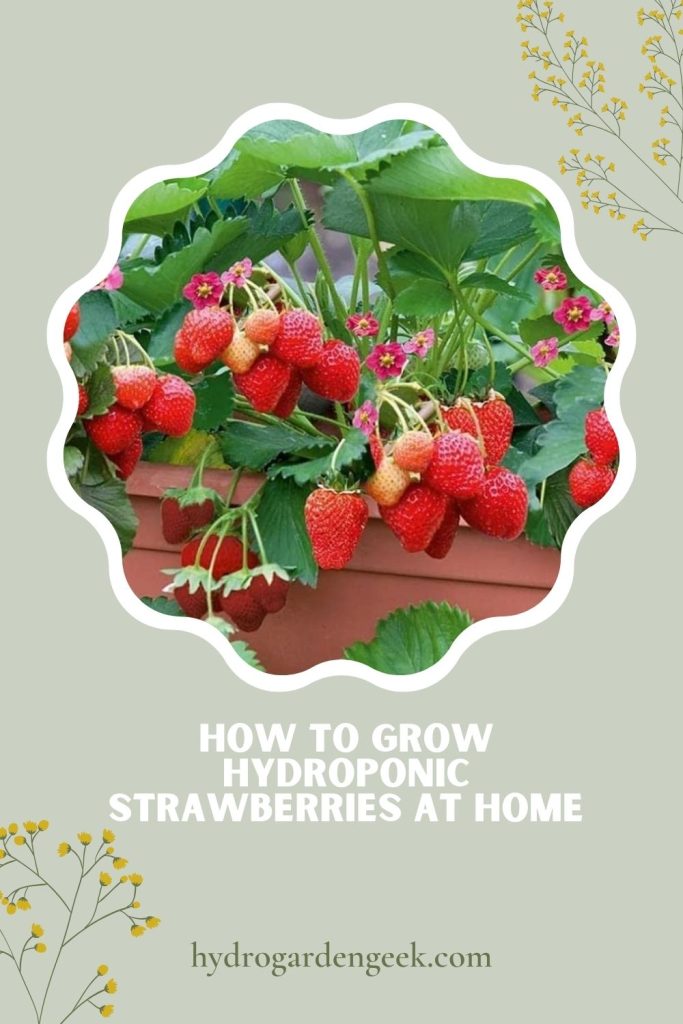
Strawberries are a delicious and versatile fruit that can be grown hydroponically year-round for home enjoyment or commercial production. Hydroponic strawberry cultivation offers benefits like higher yields, improved fruit quality, and environmental control compared to conventional field production. By growing strawberries in nutrient-rich water rather than soil, it’s possible to produce fresh, flavorful berries even in space-limited settings.
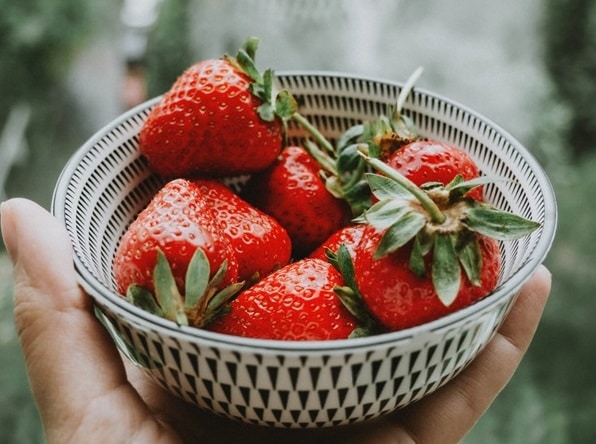
In this comprehensive guide, you will learn the basics of setting up a hydroponic system for strawberries. The optimal hydroponic techniques for strawberries will be covered, including recommendations for lighting, temperature control, irrigation system design, and nutrient management. Expert tips for selecting suitable strawberry varieties, propagation, planting, and pollination will equip you for success.
Why You Should Try Growing Strawberries Hydroponically?
Hydroponic strawberry cultivation offers numerous benefits that make it an appealing option for home growers. Here are some of the top reasons to consider setting up a hydroponic strawberry system:
- Increased yields. Hydroponic systems allow for optimal nutrient and water delivery directly to the roots. This facilitates faster growth and higher berry production per plant compared to soil cultivation. Yields per square foot are exponentially greater.
- Earlier harvesting. The optimized conditions in a hydroponic system allow strawberry plants to become established and start fruiting several weeks ahead of soil-grown berries. The average time to first harvest can be reduced by 2–4 weeks. This gives you a head start on enjoying fresh strawberries.
- Pest and disease control. Common strawberry pests like spider mites, aphids, and root weevils cannot affect plants growing in a closed hydroponic environment. Diseases like gray mold are also prevented, avoiding crop losses.
- Extended growing season. Greenhouse panels or grow lights allow the growing climate to be controlled year-round. Plants can keep producing berries into the winter months with heat and lighting. Ever-bearing varieties can bear fruit perpetually in optimal hydroponic conditions, rather than just a few summer weeks.
- Saves space. Vertical hydroponic systems allow strawberry production in a modest footprint. Tower designs provide several stacked layers of plants in just 4-6 square feet. No extensive garden plot is needed.
- Easy to install and maintain. Pre-made hydroponic kits come with all required components and instructions for quick setup. Monitoring the pH/nutrient reservoir and training runners takes just minutes per week.
- Fun and rewarding. It’s exciting to watch the bare-root runner plants quickly take off and start forming clusters of flowers in the optimal growing conditions. Picking ripe, juicy berries that you nurtured from plant to fruit is incredibly gratifying. Sharing the fresh, flavorful berries with family and friends multiplies the rewards.
- No need for pesticides. The closed hydroponic environment prevents pests like mites, aphids, or root weevils from attacking the strawberry plants. This eliminates any need for chemical pesticide sprays, providing peace of mind that the berries are grown 100% organically.
- Great for beginner gardeners: Hydroponic systems are designed for accessibility, with simple setup, pre-mixed nutrients, and clear instructions. Monitoring and maintenance are low effort compared to soil gardening. This makes hydroponics ideal for those with no previous gardening experience.

- 100% Money Back Guaranteed : “No question asked”
- Sowing Rate: 2 - 4 seeds per plant
- Everbearing Strawberries 2000+ Seeds)
Disadvantages of Growing Strawberries Hydroponically
While hydroponic strawberry cultivation has many benefits, there are also some downsides and challenges to consider:
- High initial investment. Purchasing or building a hydroponic system carries more upfront costs than soil gardening. The equipment, greenhouse materials, and initial plant stock represent a significant investment, especially for larger-scale operations.
- Requires effort. While hydroponics reduces day-to-day demands versus soil farming, there is still regular monitoring and maintenance required to keep the system operating optimally. Checking pH/EC levels, replacing nutrient solutions, and pruning/training plants takes consistent effort.
- Limited space. The size of a home hydroponic system is constrained by space available for the greenhouse and equipment. Larger commercial scale hydroponic farms require substantial greenhouse structures.
- Specialized knowledge. Understanding the technical aspects like system design, nutrient formulas, pH management, and troubleshooting issues requires learning specialized hydroponic knowledge. This can have a steep learning curve.
- Difficult troubleshooting. When issues inevitably arise, diagnosing and correcting problems like nutrient imbalances or diseases can be challenging without experience. Expert technical assistance may be needed.
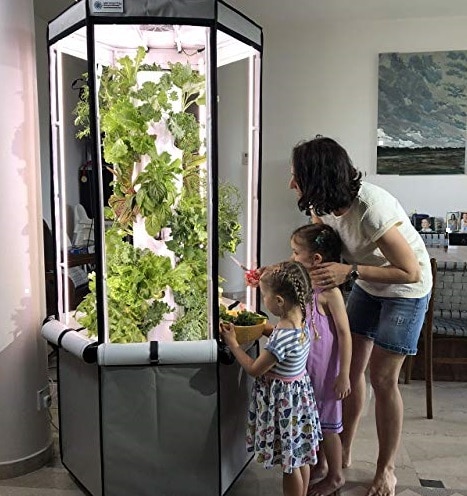
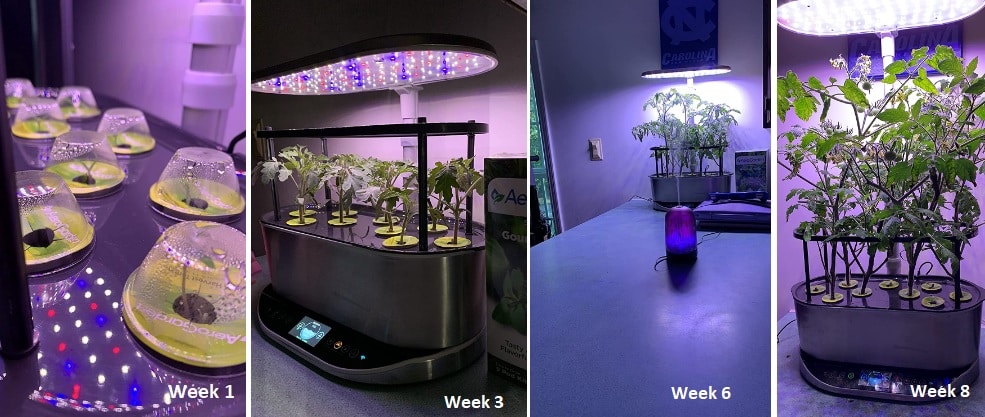
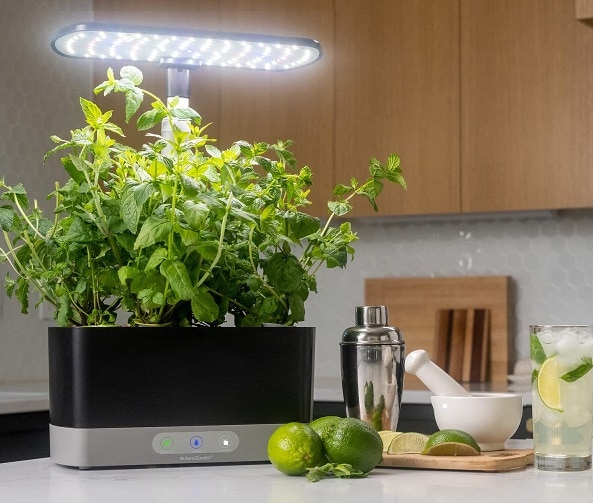
- Easy to use aeroponic system for your home
- Fan - Grow Lettuce, Herbs, Veggies & Fruits
- Grow smart & eat healthy, 20 gallon water reservoir Grow Tent, LED Grow Lights
Which Hydroponic System is Best for Strawberries?
When growing hydroponic strawberries, the type of hydroponic system you choose will impact your yields, fruit quality, and management requirements. The optimal hydroponic design for strawberries provides abundant light exposure, excellent drainage, and easy runner propagation. There are two most suitable hydroponic systems for high-quality strawberry production.
Ebb and Flow System
Ebb and flow, also known as flood and drain, is one of the most popular hydroponic systems used for strawberry cultivation. In an ebb and flow system, the plants sit in a tray filled with a growing medium like rockwool or clay pebbles. The trays are flooded with nutrient solution to a certain level using a submersible pump on a timer. Once flooded, the solution is left to soak into the medium for a period before the pump turns off, draining the tray. This cycle repeats several times per day.
Ebb and flow systems offer high levels of oxygen to the roots and are relatively simple to set up and operate. Since the roots are not constantly sitting in liquid, the risk of pathogens is lower compared to other methods. The flood and drain action also washes away any accumulated salts in the medium.
Ebb and flow systems work well for strawberries because they allow for vertical stacking of multiple planting trays, maximizing the space and light exposure. The reservoir tank stores and recycles the nutrient solution between flood cycles. Growers can monitor and adjust the nutrients as needed.
Drip Systems
Drip or trickle irrigation is another popular hydroponic technique used for strawberry production. In a drip system, nutrient solution is delivered directly to the plant roots via emitters or drippers. Tubing runs from the reservoir tank to the growing area, with drippers positioned next to each plant.
The system uses a timer or controller to regulate the frequency and duration of solution delivery. The nutrients drip slowly onto the roots in small amounts, keeping the root zone moist but not saturated. Excess solution drains away, oxygenating the roots.
Drip hydroponics is highly water-efficient, since it delivers nutrients and moisture precisely when and where they are needed. It prevents nutrient runoff waste compared to flood methods. Drip systems allow growers to easily control the chemical composition and pH of the solution.
For strawberries, drip systems are often paired with containers or channels filled with a substrate like perlite, vermiculite, coir or rockwool to support the plants. The medium improves moisture retention and aeration compared to direct water-only systems.
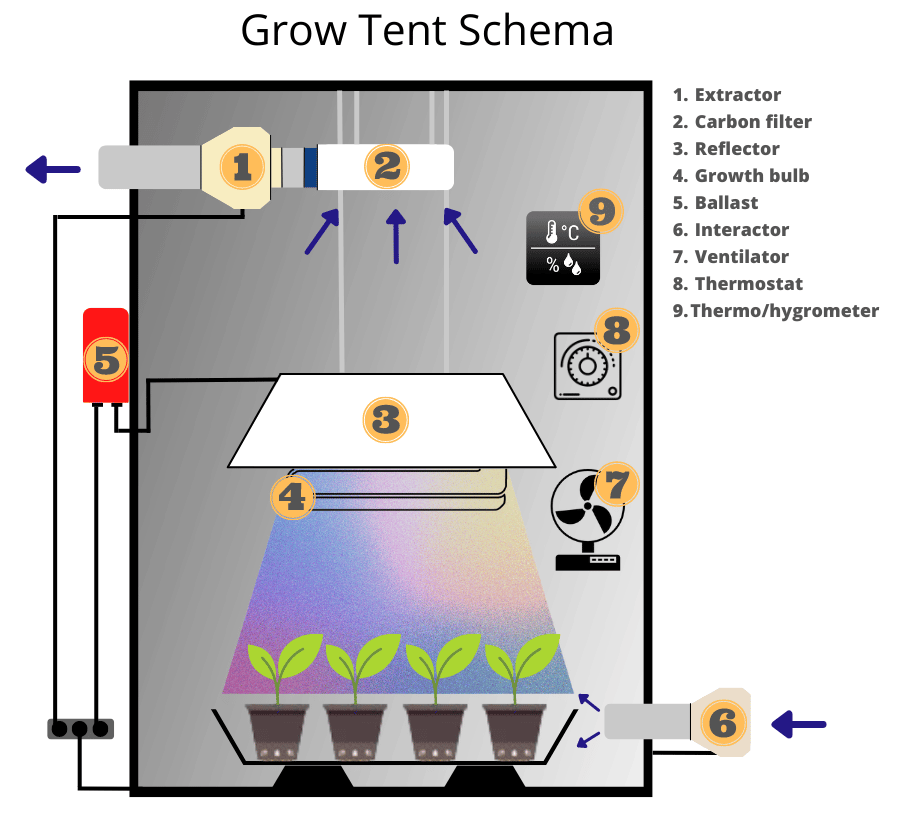
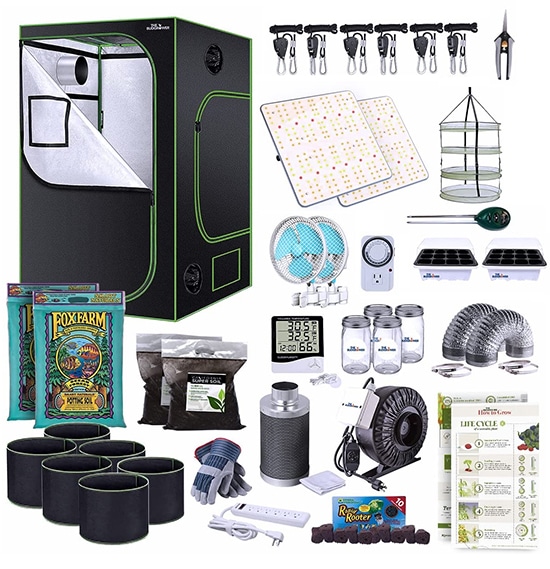
- LED lights specialty manufactured by VIVOSUN with Samsung LM301 diodes for FULL spectrum light
- The industries most durable grow tent – heavy duty 1680d oxford cloth
- Money & energy saving complete home grow tent kit
How to Care for Young Strawberry Plants?
Caring for strawberry runners that have just been transplanted into a hydroponic system requires paying close attention in those first critical weeks to help them become well-established. When runners are first moved into the new growing environment, it is important to acclimate them gradually to avoid shock. Keep lighting levels low and temperatures on the cooler side initially, slowly making adjustments over several days to reach the optimal levels.
Newly planted strawberries thrive best with daytime temperatures around 65-80°F and nighttime temperatures preferably 55-65°F. Monitoring temperatures frequently and making careful adjustments is crucial for young plants. Bright lighting is also essential, providing 12–14 hours per day of ample light levels. Using grow lights or shade cloths can help control the intensity and duration of what young strawberries need.
However, the light should be diffused rather than harsh direct light at this stage. Checking moisture levels of the growing medium and reservoir is also vital, since consistent moisture without oversaturation is key for good rooting and establishment. While mature strawberries grow well in relatively drier conditions, regular moisture is very important for the first few weeks.
When it comes to providing nutrients, weaker nutrient solutions are recommended initially to avoid fertilizer burn on tender new roots and plants. Using quarter to half strength formulations for 1–2 weeks allows young plants to establish before giving them full strength nutrition. It is also important to be patient in those early weeks, allowing time for solid root development before pushing for runner or fruit development.
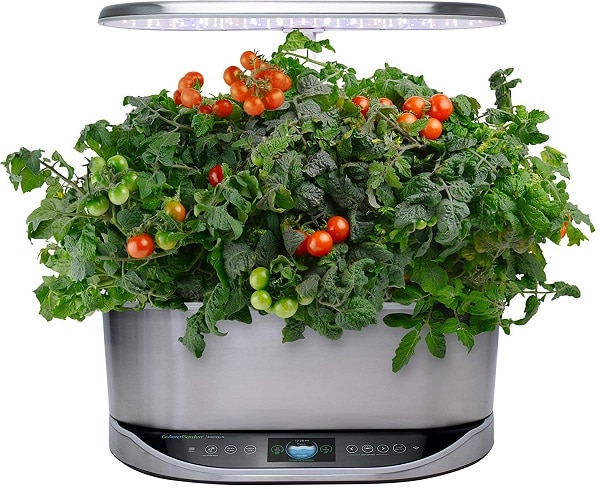
- WiFi and Alexa Compatible, Stainless Steel Grow up to 9 plants, up to 24duim
- Includes everything you need to grow
- 50 watt LED Grow Lights, perfect spectrum for fast growth & big harvests
What Problems Might You Encounter?
While a well-designed and maintained hydroponic system minimizes issues, you may encounter some potential problems when growing strawberries. Being aware of what could go wrong allows growers to identify and address problems promptly. Common challenges are broken down into cultivation issues, pests, and diseases.
Cultivation Problems
The most likely cultivation problems with hydroponic strawberries involve nutrients, environment, and the physical setup. Nutrient deficiencies or imbalances can cause poor growth and yields. Maintaining optimal EC/pH levels in the reservoir is key.
Environmental issues like extreme temperatures or inadequate lighting also impact plant health and fruiting. The hydroponic system itself can develop problems like pump failures, leaks, or drain clogs that disrupt irrigation and root zones.
Pests
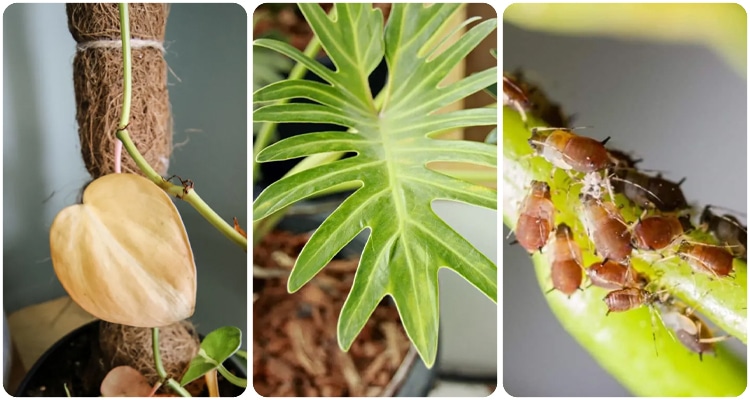
While less common hydroponically, aphids, mites, and thrips may infest developing fruit and leaves. Caterpillars can bore into berries. Prevention involves exclusion techniques like fine mesh screens. Identify pests early and use biological control methods if possible.
Preventing pest entry with screens and fans, monitoring diligently, and using biological controls or selective sprays at the first sign of infestation is key to protecting hydroponic strawberry crops.
Plant Diseases
Fungal diseases like gray mold, leaf spot, and vertical wilt can spread in the high humidity of hydroponic systems. Practices like sterilizing equipment, controlling humidity, and promoting airflow help keep disease in check. Viral diseases can also be an issue to monitor. Rogue infected plants immediately to prevent spread.
Careful system monitoring, quick problem identification, and prompt action are key to avoiding major crop losses when issues arise. Catching problems early makes treatment easier and less impactful overall.

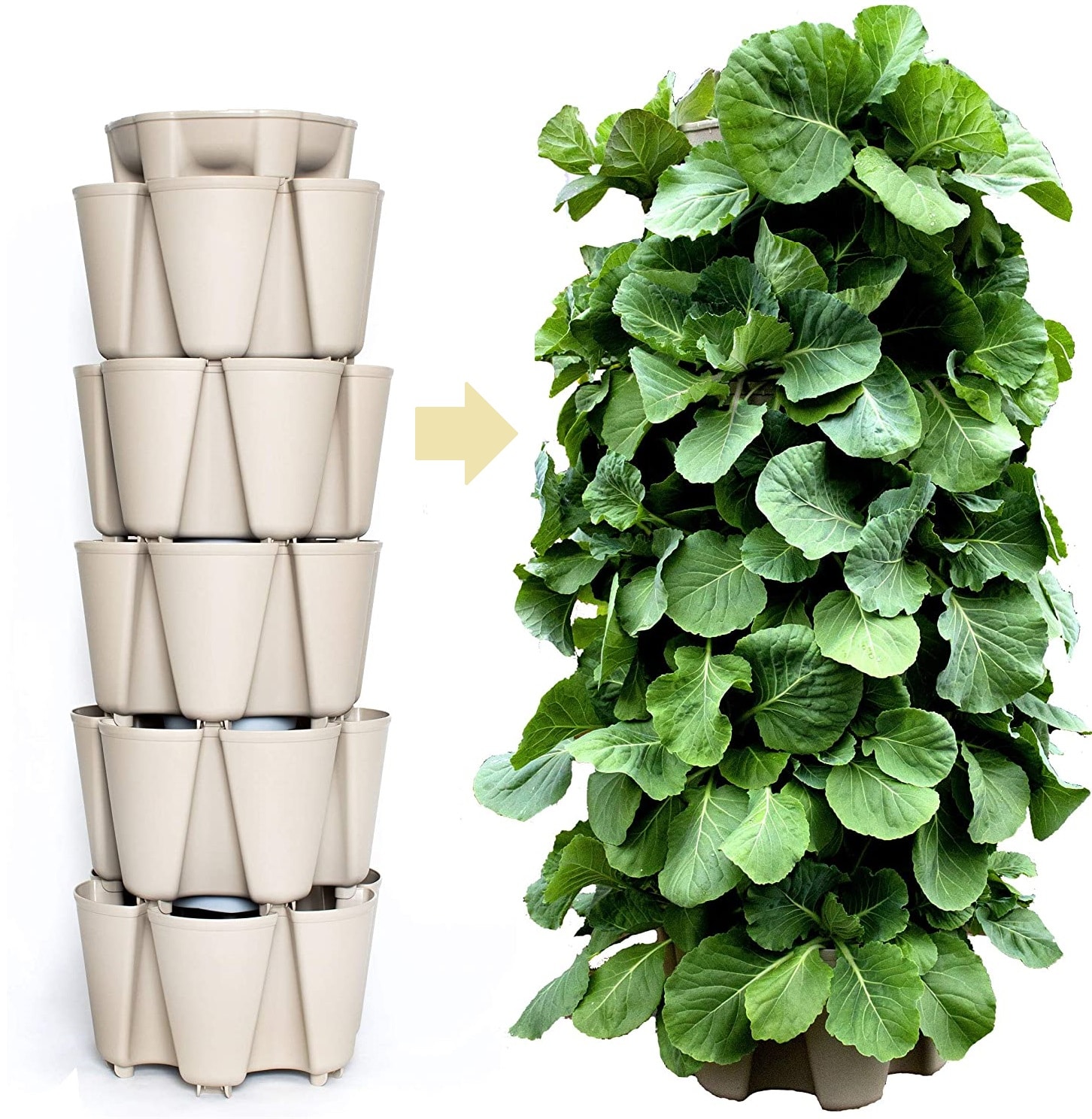
- Great for Growing a Variety of Strawberries, Vegetables, Herbs, & Flowers (Stunning Stone)
- ONLY system that waters all tiers at the same time
- Made with high quality, BPA-free, UV-resistant polypropylene #5 plastic with a 5 year warranty
Growing Hydroponic Strawberries: Beginner’s Guide

Growing lush, juicy strawberries hydroponically is a rewarding endeavor for both hobbyists and commercial growers alike. For beginners wanting to explore soilless strawberry production, there are some key factors to consider, such as the hydroponic system type, growing medium, nutrient solutions, lighting conditions, and varietal selection.
Planting Techniques
When establishing a new hydroponic strawberry system, select vigorous young runner plants that have developed roots but do not yet have extensive foliage growth. Carefully separate the runners from the mother plant and transplant into the hydroponic setup, taking care not to damage the delicate root structures.
For smaller container-based systems, space the plants out evenly at 8–12 inches apart to allow adequate light penetration and air circulation to all sides. In larger hydroponic raft or NFT systems, plant densities can be higher, but still aim for even spacing. Proper planting technique and spacing sets the plants up for success.

- Large Home Organic Gardening with Self Watering with Pump, BPA Free and Food Grade
- Outdoor Indoor Vertical Garden Herb Vegetable Planter Tower
- All the gear: farmstand tower, water pump, power cord, timer; and Nutrients for 130+ Plants
Light and Temperature
Strawberry plants need at least 12–14 hours of bright sunlight or supplementation with grow lights per day once established to stimulate abundant fruit production. Careful monitoring and control of both day and night temperatures is also critical.
Ideal daytime temperatures for hydroponic strawberries range from 60-80°F, while nighttime lows should stay between 50-65°F. Temperatures above 90°F can cause poor pollination and fruit set. Dipping below 40°F slows growth dramatically and damages flowers. Careful climate control is essential.
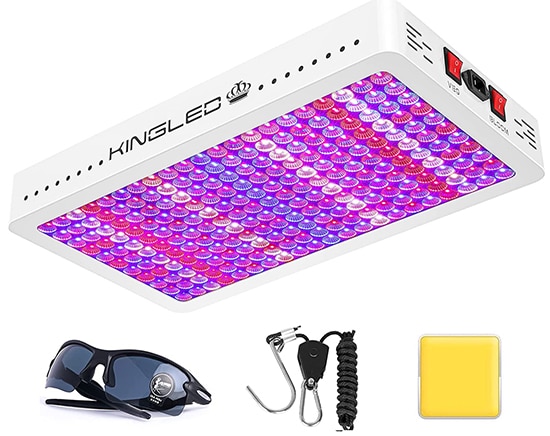
- Coverage Full Spectrum Grow Lights
- For Indoor Hydroponic Plants Veg Bloom
- 3 years Professional Service and free return for 90 days
Water Quality and pH Levels
The quality of water used in a hydroponic system is vital for healthy strawberries. Test water alkalinity and ensure a proper balance of essential minerals. The pH of the nutrient solution is also critical to monitor, as strawberry plants are sensitive to fluctuating pH levels.
Target a pH between 5.5 to 6.5 in the reservoir. Check and adjust the pH routinely as the plants grow. If using municipal tap water, allow it to dechlorinate before mixing nutrient solutions and filling the hydroponic system.
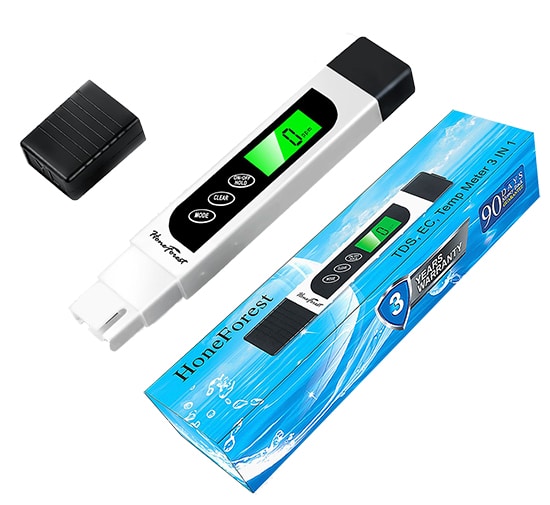
- TDS Meter, EC Meter & Temperature Meter 3 in 1
- 0-9990ppm Test Meter for Drinking Water
- For Hydroponic System, Aquariums
Growing Medium
Selecting the right growing medium is key for healthy hydroponic strawberries. Look for lightweight, porous media that provide excellent drainage and aeration, while still retaining some moisture and nutrients. Perlite, coconut coir, and clay pebbles are good choices.
Avoid any dense, water-retentive media that could lead to soggy roots. The growing medium anchors and supports the plants while facilitating drainage and distribution of the nutrient solution. Test different media blends to find the ideal balance of moisture retention and aeration for your system and environment.
Nutrient Solution
Hydroponic nutrient formulas tailored specifically for fruiting plants are recommended for strawberries. Follow manufacturer mixing rates carefully. Nutrient levels should be adjusted over the course of the growth cycle.
Higher nitrogen and potassium is needed during plant establishment and ramping up to flower production. Once fruit sets, increase phosphorus, calcium, and magnesium to support development to maturity. Routinely check electrical conductivity (EC) of the nutrient solution to ensure optimal levels are maintained.
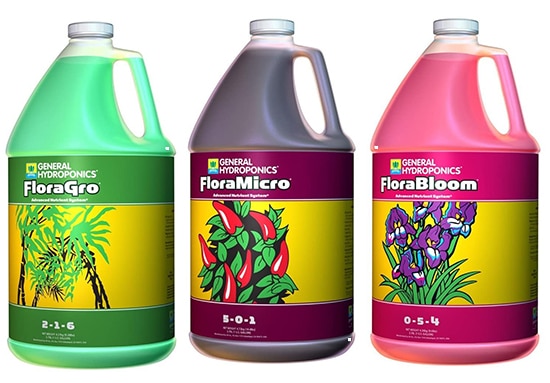
- Сomplete nutrient system
- Highly purified concentrates for maximum solubility
- NASAAntarctic research scientists choose flora series!
Pollination
As strawberries flower, careful pollination is required in order to achieve good fruit set. In an enclosed hydroponic environment, use small paintbrushes to manually transfer pollen between flowers daily. Also tap flowering trusses regularly to help disperse pollen.
If cultivating in a greenhouse, introduce bumblebees, which will move pollen efficiently from plant to plant. Proper pollination techniques are critical for converting flowers into harvestable berries.
Pruning
Strategic pruning optimizes strawberry plant growth and fruit production. Initially, prune off all runners to direct energy into establishing roots and crown growth. Once established, after 4–6 weeks, allow 2–3 runners to fruit while continuing to remove any additional runners.
Also prune off old leaves, dead flowers, rotten fruits and any diseased or insect-damaged plant parts promptly to prevent issues spreading. Consistent pruning maintains optimal plant shape and health.
Propagation
Strawberry plants can be purchased pre-propagated from nurseries or tissue culture labs for hydroponic growing. However, propagating your own plants from runners allows you to expand stock affordably. Strawberries send out runners from the mother plant that can be used for propagation.
From propagation through harvesting, growing hydroponic strawberries requires attentive care and maintenance. But the reward of delightfully flavorful and nutritious berries makes the effort worthwhile. Follow these beginner steps for propagating and tending to a thriving hydroponic strawberry crop.

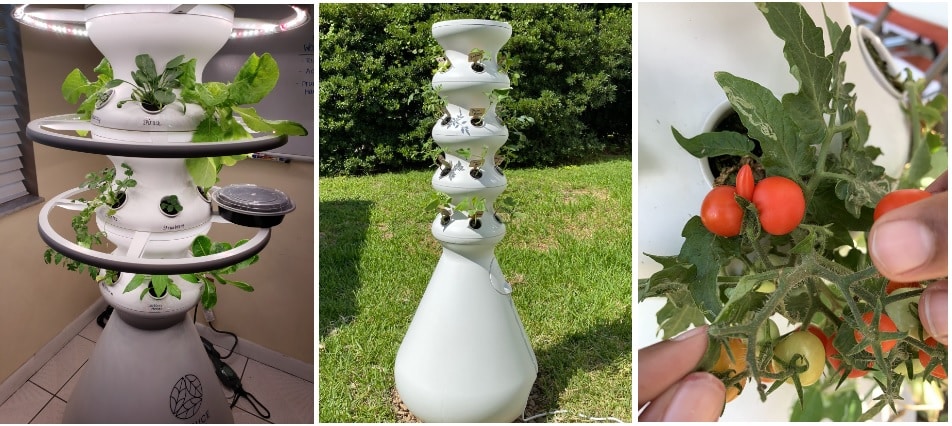
Image: PVC Vertical Grow Tower in Grow Tent example of Aeroponic Tower gardening
Frequently Asked Questions
Are hydroponic strawberries organic?
No, hydroponically grown strawberries are not considered organic. For produce to be certified organic, it must be grown in soil without the use of synthetic fertilizers, pesticides, herbicides, or fungicides. Hydroponic strawberries are grown without soil, using a nutrient solution that contains synthesized mineral salts.
Do hydroponic strawberries taste different?
Most people find little to no difference in taste between hydroponic and soil-grown strawberries when grown under optimal conditions. Hydroponic strawberries may have a more consistent taste since their nutrient intake can be closely monitored and controlled. Soil-grown berries can vary more in flavor depending on soil conditions. Proper maturation on the vine is more important for taste than the growing method.
Which strawberry varieties are best suited for hydroponics?
Day-neutral and overbearing strawberry varieties that produce fruit throughout the growing season are best suited for hydroponic production. Some top varieties include Albion, Seascape, Portola, Monterey, San Andreas, and Aromas. These types will continuously flower and fruit for multiple harvests under the consistent conditions of a hydroponic system.
What nutrients are best suited for hydroponic strawberries?
The optimal nutrient solution for hydroponic strawberries contains a balance of macronutrients like nitrogen, phosphorus, potassium, calcium, magnesium, and sulfur, along with micronutrients like iron, manganese, zinc, copper, boron, and molybdenum. The nutrient ratios and concentrations can be adjusted to control fruit production, quality, and plant growth. Many premixed solutions are available that are specifically formulated for strawberries.
What growing medium should be chosen?
Coco coir, perlite, clay pebbles, and rockwool are common soilless mediums used in hydroponic strawberry production. Coco coir provides good aeration and moisture retention. Perlite and clay pebbles are inert mediums that hold water and oxygen. Rockwool absorbs and releases water and nutrients efficiently. The medium anchors the plant while allowing the roots to access the nutrient solution.
How often should hydroponic strawberries be watered?
Hydroponic strawberry plants should be watered several times per day, providing frequent replenishment of the nutrient solution. Drip irrigation systems on a timer are ideal to maintain appropriate moisture levels. The medium should not be allowed to completely dry out. Nutrient concentration should be monitored and replenished weekly.
How much light do hydroponic strawberries need?
Hydroponic strawberries require 12–16 hours of bright light at intensities of at least 600 micromoles per square meter per second. HID or LED grow lights can provide the proper light levels. Light exposure impacts flowering, fruit production and flavor. Supplemental lighting is beneficial even in greenhouses.
Is hydroponic strawberry growing commercially viable?
Commercial hydroponic strawberry farming can be highly viable and profitable. Advantages over soil cultivation include higher yields, faster growth, better fruit quality, improved disease/pest control, less water usage, and year-round production with appropriate lighting. Hydroponic farms generally have higher startup and operating costs, but can be very lucrative with proper management and marketing.