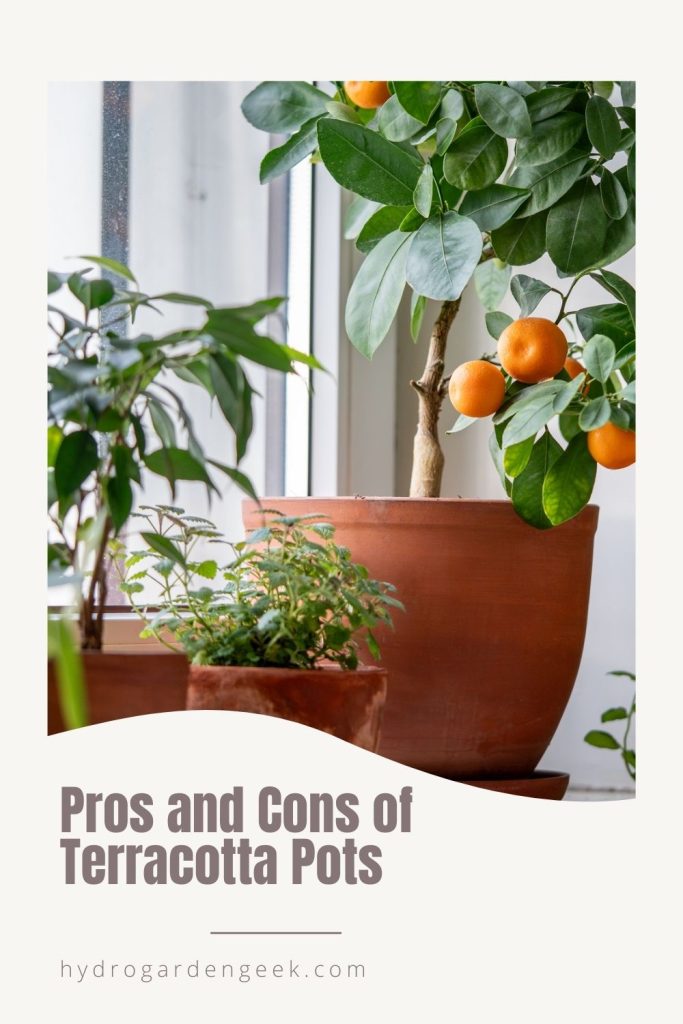
Terracotta pots are a classic choice for gardeners — beautiful, breathable, and affordable — but like all materials, they come with trade-offs.

Terracotta pots have been a gardening staple for centuries, and it’s easy to see why. Made from natural clay fired at low temperatures, these pots are porous, allowing air and water to move freely through the walls. That breathability makes them especially well-suited for plants that prefer drier conditions, such as succulents, cacti, and herbs.
But while terracotta offers many benefits, it isn’t perfect for every situation. The key is understanding both the strengths and limitations of this material so you can decide when and where to use it.
Pros of Terracotta Pots
Breathability for Roots
Terracotta is porous, allowing air and water to pass through. This prevents soggy soil and promotes healthy root growth, especially for plants that dislike being waterlogged.
Classic, Natural Look
The warm, earthy color complements almost any plant and fits in rustic, Mediterranean, or minimalist garden styles.
Weight and Stability
Heavier than plastic, they’re less likely to tip over in the wind or if a plant grows tall and top-heavy.
Suitable for Plants That Like Dry Soil
Succulents, cacti, and Mediterranean herbs (like rosemary or thyme) thrive in terracotta because the pot helps wick away excess moisture.
Affordable and Widely Available
You can find them in nearly any garden center, often at a lower price than decorative ceramic or stone planters.
Cons of Terracotta Pots
Dry Out Quickly
The same porosity that helps with drainage also means the soil loses moisture faster. In hot or dry climates, plants may need frequent watering.
Fragile
Terracotta breaks or chips more easily than plastic, fiberglass, or metal pots. Dropping one or leaving it outside in freezing weather can cause cracks.
Heavy When Large
While the weight can be stabilizing, large terracotta pots can be difficult to move once filled with soil.
Salt and Mineral Buildup
Over time, white crusty deposits may form on the pot’s exterior as salts and minerals leach from the soil and water. It’s harmless but can look unattractive.
Not Ideal for Cold Winters
Terracotta absorbs water, and in freezing conditions, the water expands and can cause pots to crack.