Sushi is the global sensation that many can’t get enough of, but what if we told you that sushi’s history and popularity aren’t as flawless as they appear?
For every roll that’s revered and every nigiri that’s adored, there are some lesser-known, sometimes downright surprising facts about sushi that could completely change the way you think about this delicacy.
From its dangerous ingredients to the shocking truths about its preparation, sushi isn’t just the perfect meal; it’s a dish full of secrets and surprises.
The Power of Wasabi

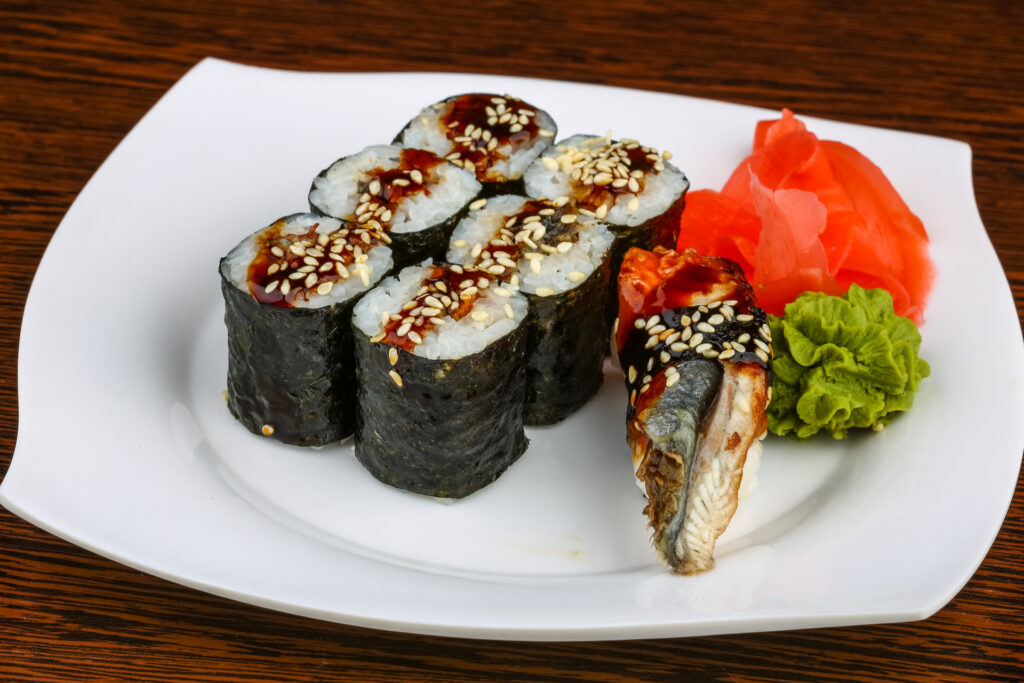
Most sushi lovers are familiar with wasabi, the spicy green paste that adds a zesty kick to sushi. But did you know that wasabi was originally used for its antibacterial properties? The pungent flavor comes from 6-methylsulfinylhexyl isothiocyanate, a compound known to kill harmful bacteria like E. coli and Staphylococcus aureus. In the past, sushi chefs used wasabi to prevent the spread of pathogens in raw fish, making it a vital ingredient for food safety. While it’s now mostly enjoyed for its flavor, wasabi still offers some incredible health benefits.
Sushi’s Ancient Beginnings
Although sushi is strongly associated with Japanese culture, its true origins trace back to Southeast Asia around the 5th century BC. Initially, it wasn’t even the fish that made sushi famous, but the method of preserving fish through fermentation. Southeast Asian fishermen used rice to pack salted fish, allowing the rice to ferment the fish for long-term preservation. This method spread across China and eventually reached Japan. Over the centuries, the sushi we know today evolved from these humble beginnings.
Fugu
Fugu, or pufferfish, is infamous for its deadly toxin, tetrodotoxin, which can cause paralysis and even death if consumed improperly. Despite its danger, fugu remains a sought-after delicacy in Japan. The fish contains lethal levels of toxin in its internal organs, and only licensed chefs are allowed to prepare it. These chefs are trained to safely remove the toxin, ensuring the fish is properly prepared for consumption. The thrill of eating fugu adds an element of danger, yet it remains a prized experience for many sushi lovers.
The Birth of Modern Sushi in Edo (Tokyo)
In the 19th century, as Tokyo (formerly known as Edo) became a bustling metropolis, sushi evolved further. In the 1820s, food stall vendors in the city began selling a fast, portable version of sushi called Edo-Mae sushi, named after the old name for Tokyo. This version of sushi featured fresh fish atop vinegared rice, making it a quick and accessible meal for Tokyo’s busy populace. This “street food” version of sushi quickly became a hit, giving birth to the fast-food culture around sushi we enjoy today.
The Myth of the California Roll
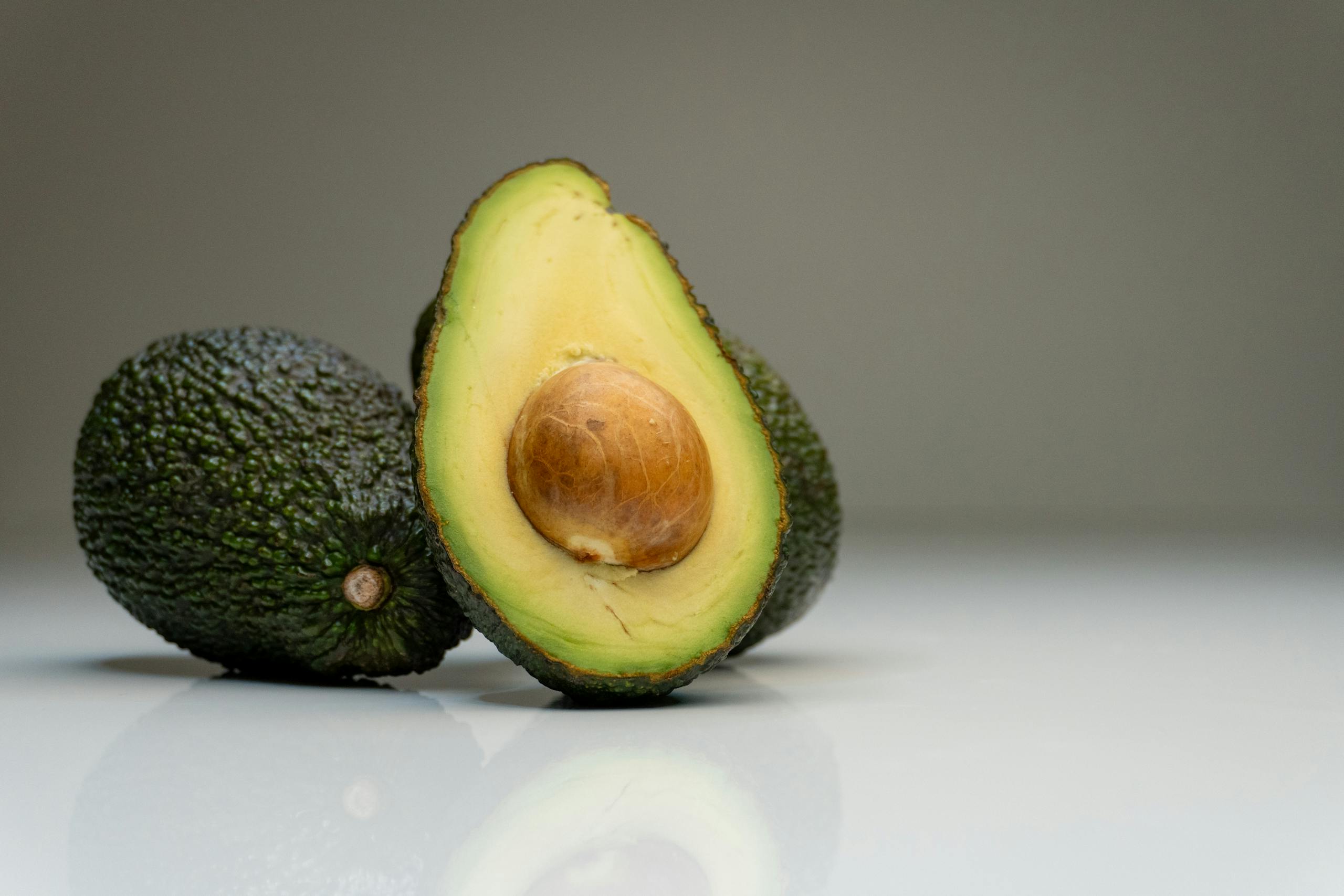
The California roll is one of the most popular sushi rolls in Western countries, but its origin is shrouded in mystery. Despite its name, the California roll was likely not created in California but rather in Vancouver, Canada, by a Japanese chef named Hidekazu Tojo. Tojo, frustrated by Western customers’ reluctance to eat raw fish, created the roll using local ingredients like avocado and crab. This roll was later popularized in the United States, where it became a staple in sushi restaurants.
Sushi’s Role in Japanese Culture
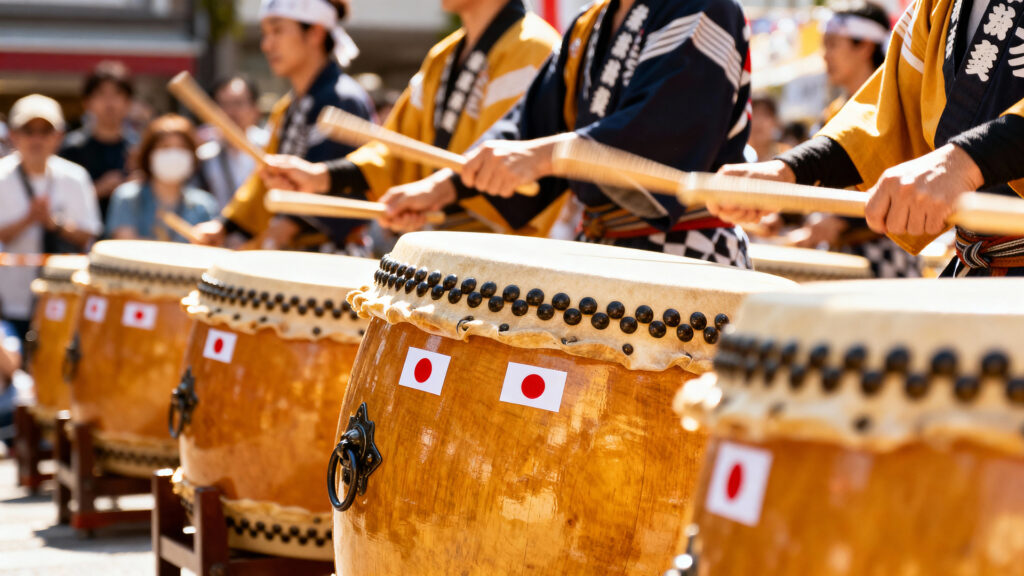
Sushi is not just a meal; it’s a cultural symbol in Japan. It plays a significant role in special occasions, celebrations, and even spiritual rituals. In fact, sushi is often served during New Year’s celebrations, and certain traditional sushi rolls are believed to bring good luck. Sushi’s importance in Japanese culture extends far beyond the dining table, representing craftsmanship, tradition, and the connection to the land and sea.
Sushi Etiquette
Sushi may seem like a simple meal, but there are specific etiquette rules that can elevate your dining experience. For example, when eating sushi, you should never dip the rice directly into the soy sauce. Doing so will cause the rice to absorb too much soy, overpowering the fish’s delicate flavor. Instead, dip the fish side of the sushi into soy sauce for the perfect balance of flavors. Additionally, wasabi should be applied directly to the fish, not mixed with the soy sauce.
Conveyor Belt Sushi
Kaiten-zushi, or conveyor belt sushi, has revolutionized the way people enjoy sushi in Japan. This system, introduced in the 1950s, uses a conveyor belt that circulates sushi plates around the restaurant, allowing diners to pick what they want as they pass by. This fast and efficient system has become a global phenomenon, with conveyor belt sushi restaurants now found in many countries. It was originally designed to address labor shortages, allowing customers to help themselves while enjoying a quick meal.
The Rise of Vegan Sushi
In recent years, sushi has undergone a transformation to accommodate plant-based diets. Vegan sushi is now widely available, with creative substitutions for traditional fish, such as avocado, pickled vegetables, and even tofu. These plant-based sushi rolls are not only delicious but also a sustainable option for those who prefer a cruelty-free meal. The rise of vegan sushi reflects the growing trend toward plant-based eating and sustainability in the culinary world.
The Fascination with Tuna
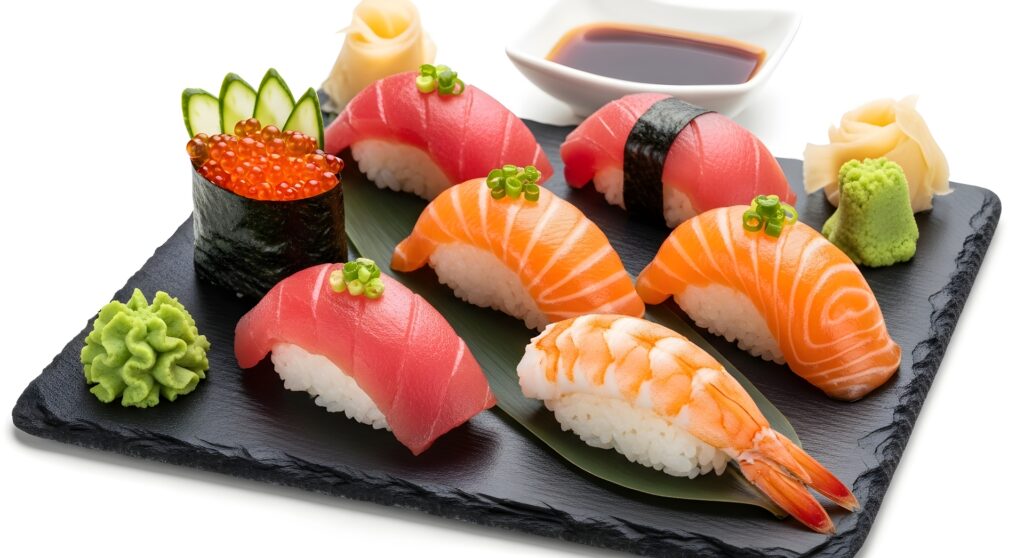
Tuna, particularly bluefin tuna, is highly prized in sushi-making, especially in the creation of nigiri (hand-pressed sushi). The quality of tuna used can make or break a sushi dish. The texture and flavor of the tuna are carefully considered, with chefs selecting the most tender, well-marbled cuts. However, the demand for bluefin tuna has raised concerns about overfishing, and efforts are underway to ensure sustainable fishing practices for this sought-after species.