For many veterans, the hardest battle does not always end when the uniform comes off. It can follow them into the bedroom, the workplace, the doctor’s office, and the quiet hours when everyone else thinks life has returned to normal.
A recent Stacker report, produced with Hone Health, put a spotlight on a health issue many former service members may not immediately connect to military life: hormone imbalance, especially low testosterone in men.
The story focused on veterans who returned from service with fatigue, brain fog, depression, sexual health problems, and a deep sense that something in their body had changed.
That matters far beyond one medical diagnosis. Across American families, veterans often carry the pressure to stay tough, keep working, support loved ones, and avoid sounding weak.
However, when exhaustion becomes constant, the issue may deserve more than another cup of coffee or another reminder to push through.
Why fatigue can be more than tiredness
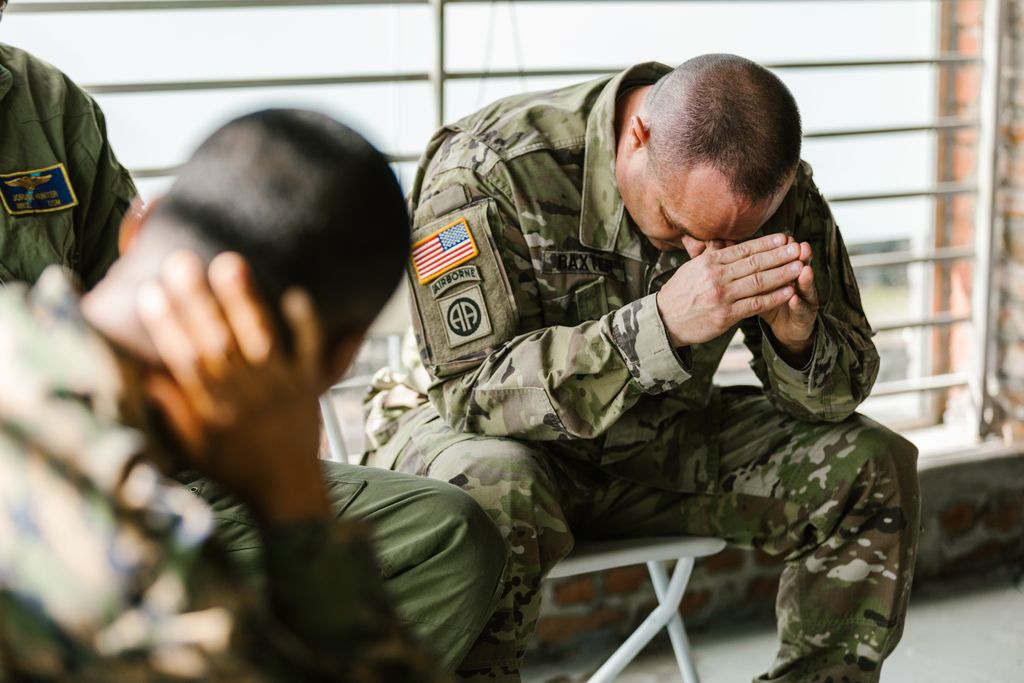
Fatigue is easy to dismiss because everyone feels tired at some point. Parents feel it. Workers feel it. Caregivers feel it. Veterans may feel it after years of irregular sleep, intense stress, physical injuries, and emotional strain.
But hormone-related fatigue can feel different. It may come with mental fog, low motivation, irritability, depressed mood, reduced sex drive, erectile dysfunction, weight changes, and a loss of physical stamina. For some veterans, that can feel like losing the version of themselves they once depended on.
This is where the conversation becomes important. Low testosterone is not the only possible cause of these symptoms. PTSD, depression, sleep apnea, thyroid problems, medication effects, chronic pain, alcohol use, and aging can all play a role. Still, hormone health may be one missing piece that too many veterans never think to ask about.
Combat stress can leave a physical trail.
Military service places unusual demands on the body. Combat stress, long deployments, field training, hypervigilance, injury, and grief can all keep the body in survival mode. In short bursts, that stress response can protect a person. Over time, it can wear down the system.
The body does not separate emotional strain from physical strain as neatly as people often imagine. Long-term stress can affect sleep, metabolism, mood, and hormone signaling. That does not mean every veteran with fatigue has low testosterone, but it does mean symptoms should be taken seriously.
This also helps explain why some veterans may feel confused after returning home. They may no longer be in danger, yet their body still behaves as if they are bracing for impact. When that happens, the problem may not be attitude. It may be biology.
Sleep loss may be one of the biggest clues.
Sleep is one of the most overlooked parts of veteran health. In military settings, sleep can become a luxury instead of a basic need. Many service members learn to function on short nights, broken rest, and constant alertness.
That pattern can follow people home. Nightmares, pain, anxiety, shift work, family stress, and sleep apnea can make deep rest even harder. Since testosterone production is closely tied to sleep, chronic sleep disruption may worsen symptoms that already feel overwhelming.
For families, this can show up in everyday life. A veteran may snap more easily, lose interest in activities, struggle at work, or withdraw from a partner. Loved ones may see the behavior before they understand the underlying health issue.
Brain injuries can complicate the picture.
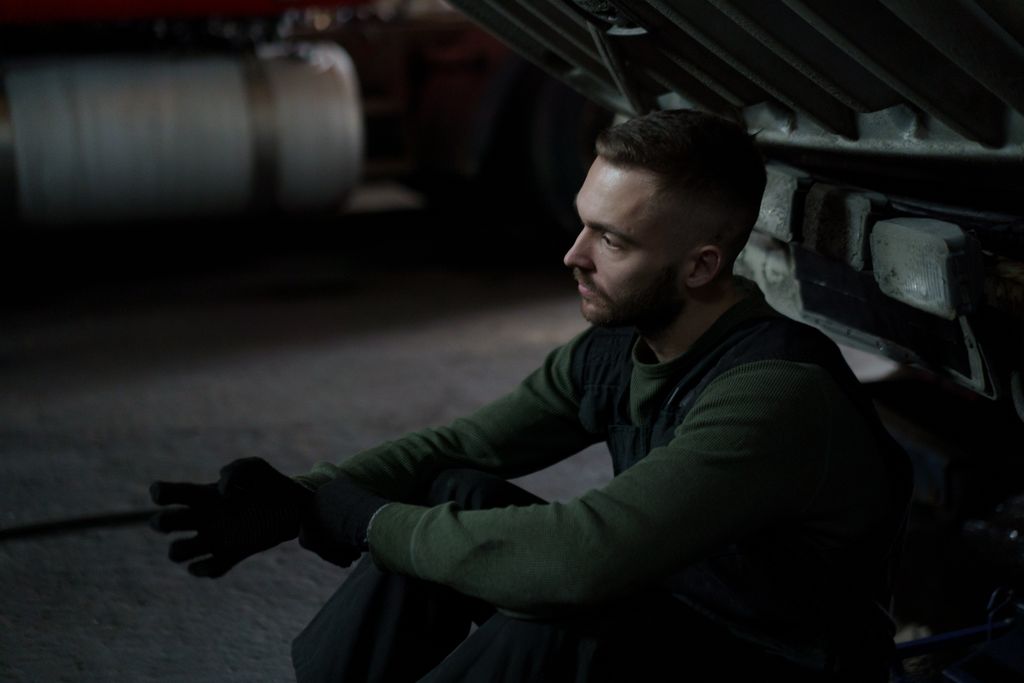
Traumatic brain injury is often discussed in terms of memory, headaches, dizziness, hearing problems, or mood changes. However, brain trauma can also affect hormone pathways. One major concern is the pituitary gland, a small but powerful gland that helps regulate hormones throughout the body.
Blast exposure, falls, concussions, and head injuries may disrupt this system in some people. That can make symptoms harder to trace because a veteran may look physically recovered while still dealing with internal changes.
This is why a narrow approach can miss the point. A veteran with fatigue and depression may need mental health support. They may also need sleep evaluation, neurological care, and lab work. One explanation does not always cancel out another.
PTSD can hide other health problems
PTSD is a serious and real condition, and many veterans need strong mental health care after trauma. But once PTSD appears in a medical record, some veterans worry that every new symptom gets filtered through that label.
That concern deserves a careful conversation. Depression, anxiety, low libido, poor sleep, and low energy can be part of PTSD. They can also overlap with hormone imbalance and other medical conditions. If doctors stop at the first explanation, patients may feel unheard.
A better approach looks at the full person. It asks what changed, when it changed, what symptoms appeared together, and what tests have or have not been done. Veterans should not have to choose between mental health care and physical health care. Many need both.
The testing gap leaves some veterans frustrated.
The Stacker report highlighted a major frustration: some veterans said it took years to get answers about low testosterone. In a Hone Health survey of 400 veterans and active service members with low testosterone, 43% said they spent more than two years going through doctor visits and testing before receiving a diagnosis.
That does not automatically mean doctors ignored them. The symptoms of low testosterone can be broad, and responsible clinicians must rule out other causes. Testosterone therapy is also not appropriate for everyone, especially without proper evaluation.
Still, the frustration is easy to understand. When a veteran knows something feels wrong but keeps hearing that the results are normal, trust can erode. The word normal can feel especially confusing when a person’s daily life feels anything but normal.
The gray zone makes answers harder.

Testosterone testing is not always simple. Total testosterone is one measurement, but it may not tell the whole story. Free testosterone, sex hormone binding globulin, symptoms, age, medication use, sleep, weight, and other lab results can all matter.
Guidelines also leave room for clinical judgment. Some medical guidance uses a total testosterone level below 300 ng/dL as a reasonable cutoff to support a diagnosis in men with symptoms. Other guidance uses a lower threshold. In real life, that can leave some symptomatic men stuck in a gray zone.
This is where patients should avoid self-diagnosis while still advocating for themselves. Asking clear questions is fair. Requesting an explanation is fair. Asking whether additional testing makes sense is fair. Good care should not make veterans feel like they are bothering the system.
What veterans can ask their doctors?
Veterans dealing with ongoing fatigue, brain fog, low libido, depressed mood, erectile dysfunction, or unexplained loss of strength may want to ask a clinician whether hormone testing is appropriate. Morning testosterone testing is commonly used because levels can change during the day.
They can also ask whether repeat testing is needed, whether free testosterone should be checked, and whether other causes should be evaluated. Sleep apnea, thyroid disease, anemia, diabetes, medication side effects, alcohol use, depression, and chronic pain can all create similar symptoms.
Most importantly, veterans should avoid risky shortcuts. Over-the-counter testosterone boosters, unregulated online products, or treatment without medical supervision can create new problems. Hormone therapy, when appropriate, should involve proper testing, monitoring, and a real discussion of risks and benefits.
Why families should pay attention
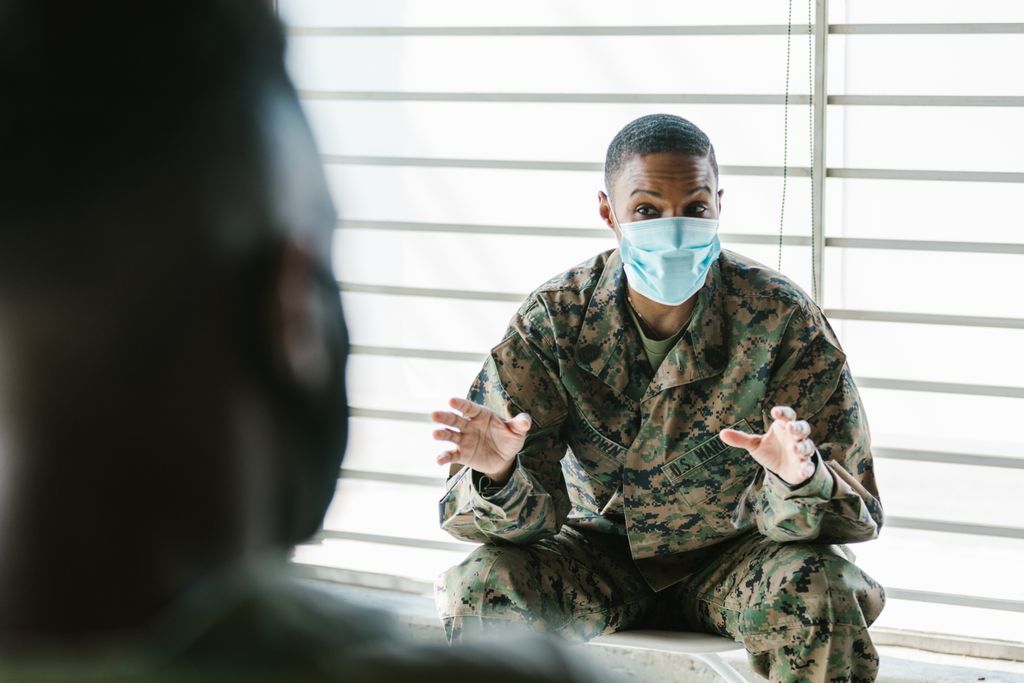
This is not only a men’s health story. It is a family story, a workplace story, and a community story. When a veteran cannot sleep, cannot focus, or no longer feels like themselves, spouses, children, coworkers, and friends often feel the change too.
Families can help by noticing patterns without shaming the person. Instead of framing symptoms as laziness, weakness, or emotional distance, they can encourage medical care and honest conversation. That shift can make it easier for a veteran to seek help before symptoms worsen.
Communities can help too. Veterans need clinics that understand military stress, employers that recognize invisible injuries, and public conversations that make it normal to discuss hormone health without turning it into a masculinity contest.
A better conversation is overdue.
The deeper issue is not whether every tired veteran needs testosterone therapy. They do not. The real issue is whether veterans are getting complete, respectful evaluations when their bodies start sending warning signs.
Military culture often teaches people to endure pain quietly. That mindset can save lives in combat, but it can hurt people in civilian life. After service, strength may look different. It may look like asking questions, getting labs checked, following up, and refusing to accept years of suffering as normal.
Veterans gave their bodies to demanding work. When those bodies begin to show the cost, the response should not be silence. It should be curiosity, care, and a health system willing to look at the whole story.