Understanding sexuality in modern society requires more than a simple discussion about attraction or private relationships. We now recognize sexuality as a deeply human part of identity, shaped by biology, emotion, culture, law, family, technology, religion, media, education, and lived experience. It influences how people form bonds, express affection, define belonging, experience safety, make health decisions, and navigate the world around them.
In today’s society, sexuality is no longer treated as a narrow subject hidden behind silence or reduced to one fixed category. We discuss it through the language of identity, consent, respect, mental health, gender, rights, and social inclusion. That shift matters because the way a society understands sexuality affects schools, workplaces, families, healthcare systems, public policy, and the dignity of everyday life.
What Sexuality Means in Modern Society
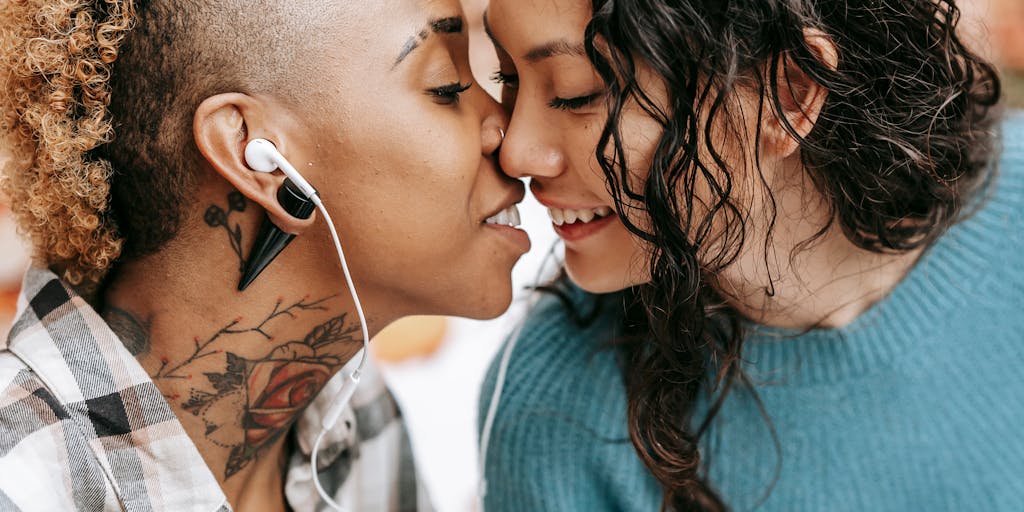
Sexuality is one of the most complex parts of human identity because it includes attraction, emotional connection, intimacy, values, self-expression, relationships, personal boundaries, and social belonging. It is not limited to sexual behavior, and it cannot be fully understood through biology alone. When we speak about sexuality in a modern context, we are speaking about how people understand themselves, how they connect with others, and how society responds to those identities and relationships.
Modern definitions of sexuality often include sexual orientation, romantic attraction, gender identity, gender expression, emotional intimacy, sexual health, and personal agency. The American Psychological Association describes sexual orientation as a part of identity connected to sexual and emotional attraction, behavior, and social affiliation, which helps explain why sexuality involves both private experience and public recognition.
Sexuality Is Personal, Social, and Cultural
We often think of sexuality as deeply personal, and it is. Yet sexuality is also social because people do not discover, express, or protect their identities in isolation. Families, schools, media, religious communities, peer groups, laws, and healthcare systems all influence how people learn about sexuality and how safe they feel discussing it.
Culture shapes what people consider acceptable, shameful, normal, private, public, respectful, or forbidden. In some societies, open conversations about relationships, gender, and sexual identity are becoming more common. In others, strict social rules still limit how people speak about desire, marriage, gender roles, and LGBTQ+ identities. This cultural pressure can affect self-esteem, mental health, family acceptance, dating choices, and access to accurate sexual health information.
The Historical Evolution of Sexuality
Human sexuality has never been static. Ancient societies, religious traditions, colonial histories, medical institutions, legal systems, and social movements have all shaped the way sexuality is understood. In some historical periods, sexuality was tied closely to fertility, inheritance, family structure, and social order. In other periods, it became more heavily regulated through religious law, criminal codes, medical labels, and gender expectations.
Modern society inherited many of these older ideas, but it has also challenged them. The twentieth and twenty-first centuries brought major changes through feminist movements, LGBTQ+ activism, public health campaigns, civil rights struggles, contraception access, digital communication, and changing attitudes toward marriage and family. As a result, sexuality is now discussed more openly as part of human rights, emotional well-being, equality, and personal freedom.
Sexual Orientation and Identity

Sexual orientation refers to patterns of emotional, romantic, or sexual attraction. Some people identify as heterosexual, gay, lesbian, bisexual, pansexual, asexual, queer, or another identity that better reflects their experience. Others may avoid labels entirely, either because their identity is fluid, private, culturally sensitive, or still developing.
Modern society has made more room for people to name their own experiences, but visibility does not remove every challenge. Many people still face pressure to conform to rigid expectations about attraction, marriage, masculinity, femininity, religion, family honor, or community acceptance. This is why discussions of sexual orientation must include dignity, privacy, safety, and respect rather than treating identity as a public debate.
Gender Identity, Gender Expression, and Sexuality
Gender identity and sexuality are related, but they are not the same thing. Gender identity refers to a person’s internal sense of being male, female, both, neither, or another gender. Gender expression refers to how someone presents themselves through clothing, behavior, voice, style, name, or social role. Sexuality refers more closely to attraction, intimacy, and relationship patterns.
Confusing these concepts often leads to harmful stereotypes. A person’s gender expression does not automatically reveal their sexual orientation, and a person’s sexual orientation does not determine their gender identity. Modern conversations about sexuality become more accurate when we separate these ideas clearly and allow people to define themselves.
The Role of Culture in Shaping Sexual Norms
Culture influences sexuality by creating spoken and unspoken rules about dating, modesty, marriage, gender roles, family duty, pleasure, reproduction, and public behavior. These rules can offer structure and belonging, but they can also create shame when people do not fit expected patterns. A society that values only one type of relationship, one gender role, or one family model may leave many people feeling invisible.
Cultural attitudes can also change quickly. Media representation, migration, education, online communities, court decisions, and generational shifts all influence how people think about sexuality. For example, younger generations in many countries are more likely to discuss identity using broader language, while older generations may be more familiar with traditional categories. These differences often create tension within families, schools, workplaces, and religious communities.
Sexuality and Mental Health

Sexuality can support emotional well-being when people feel safe, respected, loved, and free from coercion. Healthy sexuality can strengthen confidence, intimacy, trust, communication, and belonging. It can also help people understand their boundaries and build relationships grounded in mutual care.
Problems arise when sexuality is surrounded by shame, fear, violence, exclusion, or misinformation. Stigma can increase isolation, anxiety, depression, and self-doubt, especially among people whose identities are rejected by their families, schools, workplaces, or communities. CDC data on LGBTQ+ youth shows that these young people face higher risks of violence at school and lower levels of school connectedness than heterosexual youth, which makes supportive environments a serious health issue rather than a political talking point.
Sexuality, Stigma, and Discrimination
Stigma turns human difference into social punishment. It can appear through bullying, family rejection, workplace bias, poor healthcare treatment, religious condemnation, legal exclusion, online harassment, or silence that makes people feel they must hide themselves. Discrimination can be direct, such as refusing services, or indirect, such as making policies that assume everyone is heterosexual, married, cisgender, or comfortable discussing sexuality in the same way.
The impact of stigma is not abstract. The CDC’s Youth Risk Behavior Survey data shows serious disparities among LGBTQ+ students, including risks linked to poor mental health, violence, suicidal thoughts and behaviors, sexually transmitted infections, and school disconnection. CDC A society that wants healthier families and communities must treat inclusion as prevention, because dignity can reduce harm before a crisis begins.
Sexuality and Education
Sexuality education is one of the most important tools for helping people build healthy relationships, understand consent, respect boundaries, protect their health, and challenge harmful myths. Good education does not push young people into sexual behavior. It gives them accurate knowledge before misinformation, peer pressure, exploitation, or online content becomes their main teacher.
The World Health Organization states that high-quality comprehensive sexuality education can delay sexual initiation, reduce sexual risk-taking, increase contraceptive use, and does not increase sexual activity or encourage earlier sexual behavior. UNESCO also describes comprehensive sexuality education as a way to equip young people with knowledge, skills, attitudes, and values that help them protect their health, dignity, relationships, and rights.
Consent as the Foundation of Healthy Sexuality
Consent is one of the clearest signs of a healthy modern understanding of sexuality. It means people have the right to make free, informed, voluntary choices about their bodies, relationships, and boundaries. Consent must be active, mutual, clear, and reversible. Silence, fear, pressure, intoxication, manipulation, or unequal power do not create meaningful consent.
A consent-based culture changes how we talk about dating, marriage, social media, parties, workplaces, healthcare, and education. It teaches people that respect is not optional and that intimacy without safety is not intimacy at all. When we center consent, sexuality becomes less about control and more about communication, responsibility, and care.
Sexual Health as a Human Well-Being Issue

Sexual health is not only the absence of disease. It includes physical, emotional, mental, and social well-being in relation to sexuality. This means people need access to accurate information, respectful healthcare, privacy, protection from violence, and the ability to make decisions without coercion or discrimination.
The World Health Organization links sexual health to equality, non-discrimination, privacy, freedom from cruel treatment, and access to the highest attainable standard of health. This rights-based view matters because sexual health is affected by laws, poverty, gender inequality, stigma, disability, race, migration status, education, and healthcare access.
Technology and the Changing Meaning of Sexuality
Technology has transformed how people learn about sexuality, form relationships, find community, and express identity. Social media, dating apps, online forums, telehealth platforms, streaming media, podcasts, and digital activism have made information more accessible than ever. For people who feel isolated in their local communities, the internet can offer language, friendship, support, and representation.
Yet technology also creates risks. Misinformation, image-based abuse, online grooming, unrealistic beauty standards, privacy violations, harassment, and algorithm-driven stereotypes can distort how people understand relationships and bodies. Modern sexuality requires digital literacy because many people now encounter identity, desire, dating norms, and sexual health information through screens before they discuss them with trusted adults or professionals.
Sexuality, Family, and Belonging
Family acceptance is one of the most powerful influences on how people experience sexuality. A supportive family can help a person feel safe, valued, and emotionally grounded. A rejecting family can create fear, secrecy, shame, homelessness, isolation, or long-term emotional wounds.
Modern families do not need perfect language to offer support. They need patience, respect, listening, and a willingness to protect the dignity of the person in front of them. When families treat sexuality as part of a whole human life instead of a scandal, they create room for honesty, trust, and healthier relationships.
Sexuality in Schools and Youth Development
Schools play a major role in shaping how young people understand bodies, boundaries, respect, bullying, gender roles, and relationships. Even when schools avoid sexuality education, students still learn from peers, jokes, rumors, online content, silence, and school culture. The question is not whether young people learn about sexuality. The question is whether they learn through accuracy, fear, shame, or misinformation.
Inclusive school environments can reduce harm by teaching respect, addressing harassment, supporting student connectedness, and giving young people trusted adults they can approach. The CDC notes that practices such as staff training, inclusive policies, and equal access to student-led clubs can improve health, safety, and school connectedness for LGBTQ+ students.
Sexuality in the Workplace
Sexuality also affects workplace life because people bring their identities, relationships, names, pronouns, family structures, and health needs into professional spaces. A workplace that assumes everyone has the same family model or identity can create quiet exclusion. For example, benefits, leave policies, dress codes, harassment reporting systems, and everyday language can either include or isolate employees.
Modern workplaces are increasingly expected to protect privacy, prevent harassment, respect family diversity, and create fair policies. Inclusion should not depend on whether a person discloses their identity. A professional environment should be safe enough that no one has to trade dignity for employment.
Sexuality, Religion, and Moral Belief
Religion remains one of the strongest influences on sexual values around the world. For many people, faith provides a moral framework for love, marriage, family, modesty, commitment, and responsibility. For others, religious teachings may be a source of conflict, especially when their identity or relationship does not match community expectations.
A serious discussion of sexuality in modern society should not mock religious belief or ignore religious trauma. We can recognize that people hold different moral convictions while still defending basic human dignity, safety, privacy, and freedom from violence. Respectful disagreement does not require humiliation, exclusion, or cruelty.
Sexuality, Law, and Human Rights
Law shapes sexuality by deciding who can marry, adopt, access healthcare, receive protection from discrimination, change legal documents, report abuse safely, or exist publicly without criminal punishment. Legal systems can protect dignity, but they can also enforce stigma when they criminalize identity, restrict healthcare, or deny equal recognition.
Human rights frameworks increasingly treat sexual health and sexual identity as matters of equality, privacy, bodily autonomy, and freedom from discrimination. The United Nations Free & Equal campaign focuses on advancing equal rights and fair treatment for lesbian, gay, bisexual, transgender, intersex, and queer people, showing how sexuality has become a major global human rights issue.
Intersectionality and Sexuality
Sexuality does not exist separately from race, class, gender, disability, nationality, religion, age, or economic status. A person’s experience of sexuality may change depending on whether they are financially secure, disabled, undocumented, rural, highly religious, Black, Indigenous, Asian, poor, elderly, or living in a country where certain identities are criminalized.
Intersectionality helps us understand why two people with the same sexual orientation may still face very different realities. One may have family support, legal protection, and access to affirming healthcare. Another may face poverty, racism, community rejection, language barriers, or violence. Modern sexuality discourse becomes stronger when it pays attention to these layered realities.
Sexuality and Healthcare Access
Healthcare systems affect sexuality through reproductive care, STI prevention, contraception, fertility support, pregnancy care, sexual dysfunction treatment, gender affirming care, trauma care, counseling, and screenings. People need healthcare providers who can discuss sexuality respectfully and confidentially. Shame-based care often causes people to avoid medical help until problems become worse.
A healthy healthcare system should not assume a patient’s sexual orientation, gender identity, relationship structure, or reproductive goals. It should ask relevant questions with care, explain options clearly, protect privacy, and treat sexual health as part of the whole person. health. This is especially important for young people, survivors of violence, LGBTQ+ patients, people with disabilities, and people from communities where sexuality is rarely discussed openly.