Cereal has long been a staple of the American breakfast table, with millions of families pouring their favorite crispy flakes or chewy oat bowls each morning.
These convenient, flavorful options are more than just quick meals; they have fascinating backstories that may surprise even the most loyal cereal enthusiasts.
From quirky accidents to innovative food science, the creation of these breakfast classics reveals much about changing societal needs, health trends, and the evolution of food companies.
Let’s dive into the strange and interesting backstories behind 10 cereals that have shaped the breakfast industry.
Cap’n Crunch
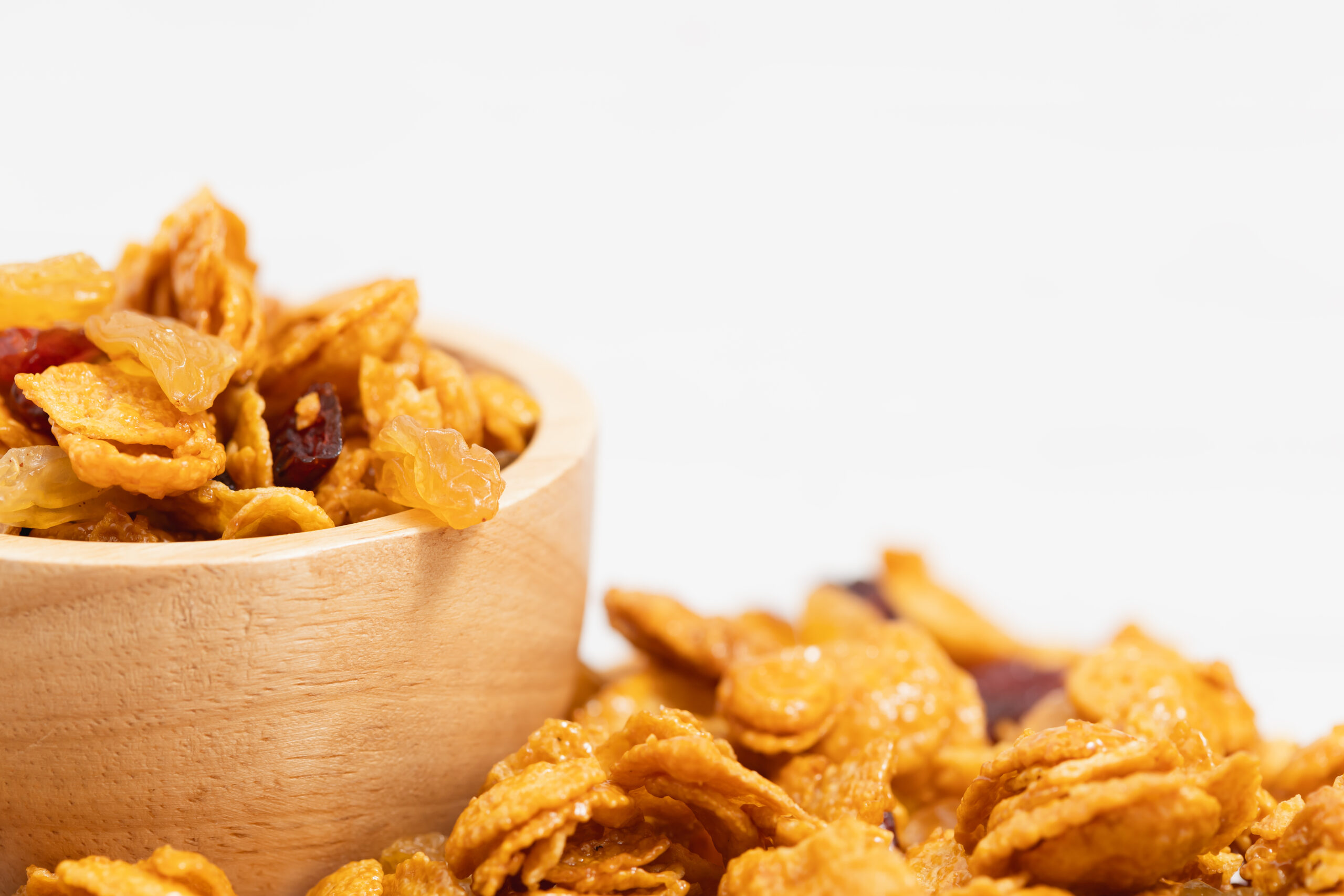
Cap’n Crunch was created in the 1960s, when Quaker sought to meet the growing demand for sugary cereals for children. Flavorist Pamela Low was inspired by a brown-sugar-and-butter recipe her grandmother used to make over rice, which she adapted into a cereal coating.
With the addition of this sweet, crispy flavor, Cap’n Crunch was born. The cereal’s popularity was boosted by the introduction of Captain Horatio Magellan Crunch, the iconic mascot created by animator Jay Ward, making Cap’n Crunch one of the most recognizable cereals in history.
Wheaties
Wheaties, another cereal that owes its origins to a happy accident, was created in 1921. The story goes that a clinician at a sanitarium spilled some wheat gruel onto a stovetop, and when it dried, it formed flakes.
The Washburn Crosby Company, later known as General Mills, took an interest in this flaked wheat and, after numerous trials with different wheat varieties, finally produced a product known as Wheaties.
Their success was further solidified with the first-ever radio commercial jingle, and by 1928, the company merged with other wheat mills, expanding its reach even further.
Alpha-Bits
Alpha-Bits, introduced in the 1950s, stands out for combining fun and education. Thomas Quigley, a Post Cereals employee, was tasked with developing a new cereal that would appeal to children.
Drawing inspiration from pasta shapes, Quigley devised a cereal made from letter-shaped pieces, giving kids a playful way to learn while eating breakfast.
The idea was a hit, and Alpha-Bits became one of the first cereals to combine both learning and fun in a single box.
Shredded Wheat
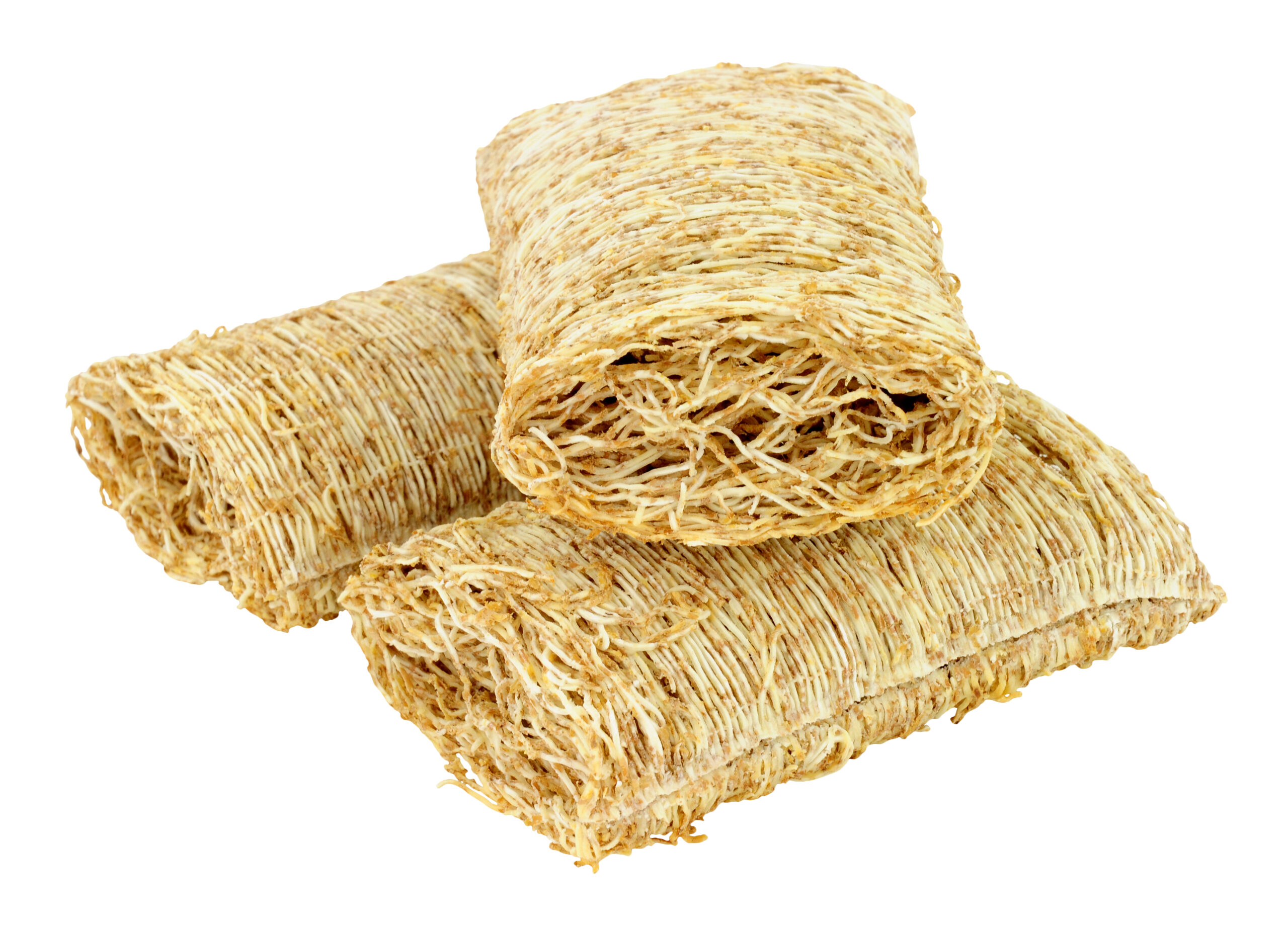
Henry Perky, an inventor, was the mastermind behind Shredded Wheat, which was born in 1890. The story begins when Perky notices a man at a hotel mixing wheat with cream to address gastrointestinal issues.
Inspired by this, Perky, along with his partner William Henry Ford, designed a machine that pressed wheat into strips and then formed them into pillow-like biscuits.
Although the taste didn’t meet Kellogg’s standards, Perky’s design took off, leading to the creation of Shredded Wheat Company. Eventually, it was absorbed by Nabisco, solidifying its place in breakfast history.
Cheerios
General Mills introduced Cheerios in 1941, following the success of other puffed cereals. The company’s goal was to create an oat-based puffed cereal, and after testing over 500 formulas and various shapes, the doughnut-shaped “torus” became the clear winner.
Initially named “CheeriOats,” the brand was forced to rebrand as “Cheerios” after a lawsuit from Quaker Oats. The unique shape and crunch helped Cheerios quickly gain popularity, and it remains one of the best-selling cereals in America today.
Chex
Chex’s origins lie in the strange and somewhat unsettling world of Ralston Purina, a company initially focused on pet food.
The story involves a controversial movement called Ralstonism, founded by Webster Edgerly, who advocated for a strict diet to improve health and had bizarre beliefs about mind control and racial supremacy.
Edgerly wanted to promote whole grains, and in partnership with William Danforth, they created Shredded Ralston, a small, bite-sized cereal.
The cereal was later rebranded as Chex in 1950. Though it began with odd beginnings, Chex eventually gained mainstream popularity under General Mills.
Lucky Charms
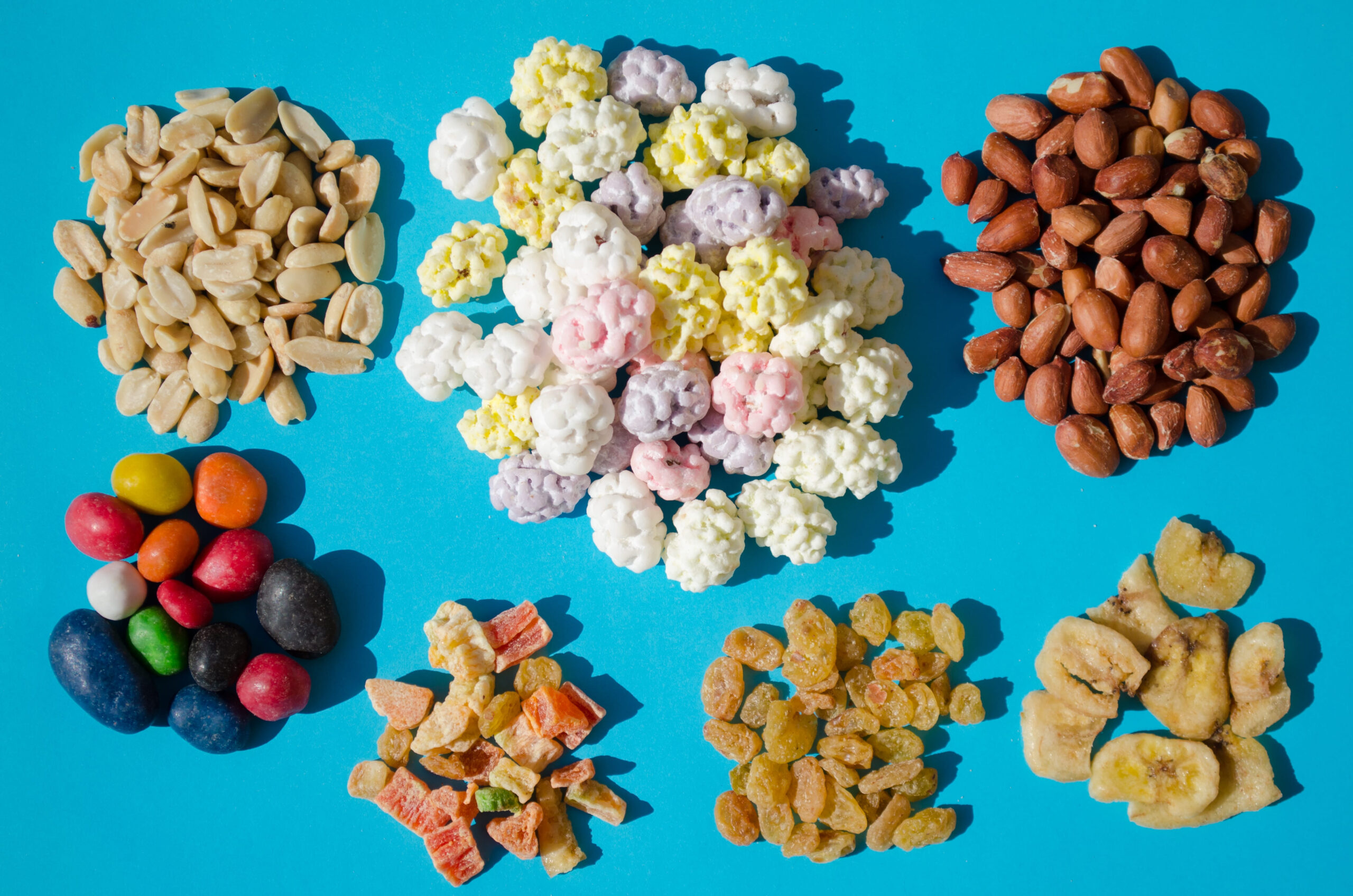
In 1964, General Mills issued a challenge to employees to create a cereal using the manufacturing technology of their bestsellers, Cheerios and Wheaties.
Product developer John Holahan struck upon the idea of mixing marshmallow circus peanuts with Cheerios, resulting in a quirky, sweet creation.
Initially, the cereal didn’t catch on, but after reworking the shapes and making the pieces more sugar-coated, Lucky Charms was born.
The cereal’s iconic marshmallow shapes, or “marbits,” became instantly recognizable, and Lucky Charms quickly became a household name.
Rice Krispies
Rice Krispies, beloved for their snap, crackle, and pop, owe their origin to the work of botanist Alexander Pierre Anderson. In 1901, Anderson discovered that when starch granules were heated, they would explode and puff up.
This revelation led him to develop a process for making puffed rice using a gas pipe and a sledgehammer.
After showing off his invention at the 1904 World’s Fair, Quaker Oats took notice, and by 1928, they had commercialized the concept, marketing it as “food shot from guns.” Kellogg’s later adopted the technology to create their own version of Rice Krispies.
Honey Bunches of Oats
The creation of Honey Bunches of Oats is a heartfelt story that involves Post employee Vernon J. Herzing, who had the idea to combine flakes and granola clusters into one cereal.
Working with his daughter Kimberly, they experimented with different combinations until they found the perfect blend. The result was a deliciously crunchy and sweet cereal that captured the hearts of many.
Initially called “Battle Creek Cereal,” the cereal was renamed Honey Bunches of Oats after a brand manager suggested adding honey, and it became an instant success.
Corn Flakes
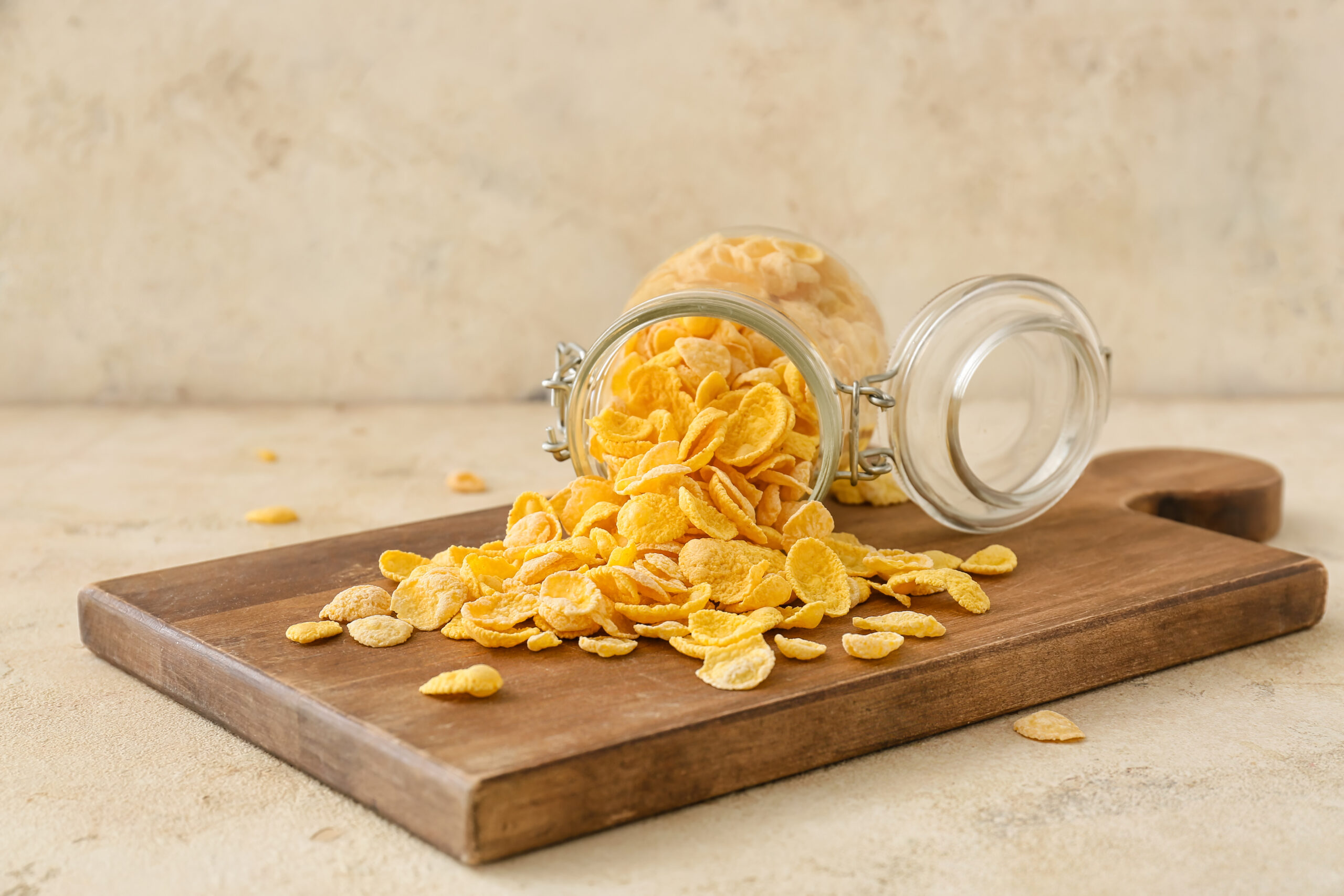
In 1894, John Harvey Kellogg, a physician and Seventh-day Adventist, set out to create a healthier breakfast option for patients at his sanitarium in Battle Creek, Michigan.
His belief in a vegetarian diet stemmed from the church’s teachings, which also emphasized the idea that abstaining from certain foods would reduce sexual desire.
With this in mind, Kellogg created Corn Flakes as a bland, easy-to-digest food to suppress the so-called “urges” associated with overeating meat. The invention happened by accident when Kellogg’s team left the wheat to boil, resulting in a flaked texture.
After toasting these flakes and introducing them to his patients, they quickly became a hit, and thus, Corn Flakes were born.
Conclusion
Cereals have evolved far beyond their simple beginnings, each carrying a rich backstory that intertwines with innovation, creativity, and sometimes a bit of luck.
From the mishaps that led to Wheaties and Corn Flakes to the genius behind Lucky Charms and Cap’n Crunch, the history of cereals is more diverse and surprising than most people realize.