Most of us trust the food we buy at the grocery store, assuming it is safe and healthy. However, several common foods can pose serious health risks if not properly prepared or consumed in excess. These foods may seem harmless, but some can lead to poisoning, illness, or even death if consumed improperly.
By being more aware of the dangers surrounding certain foods, you can protect yourself and your loved ones from potentially life-threatening health issues. Taking a moment to learn the simple preparation steps required for these items ensures that your kitchen remains a place of nourishment rather than a source of hidden risk.
Cinnamon
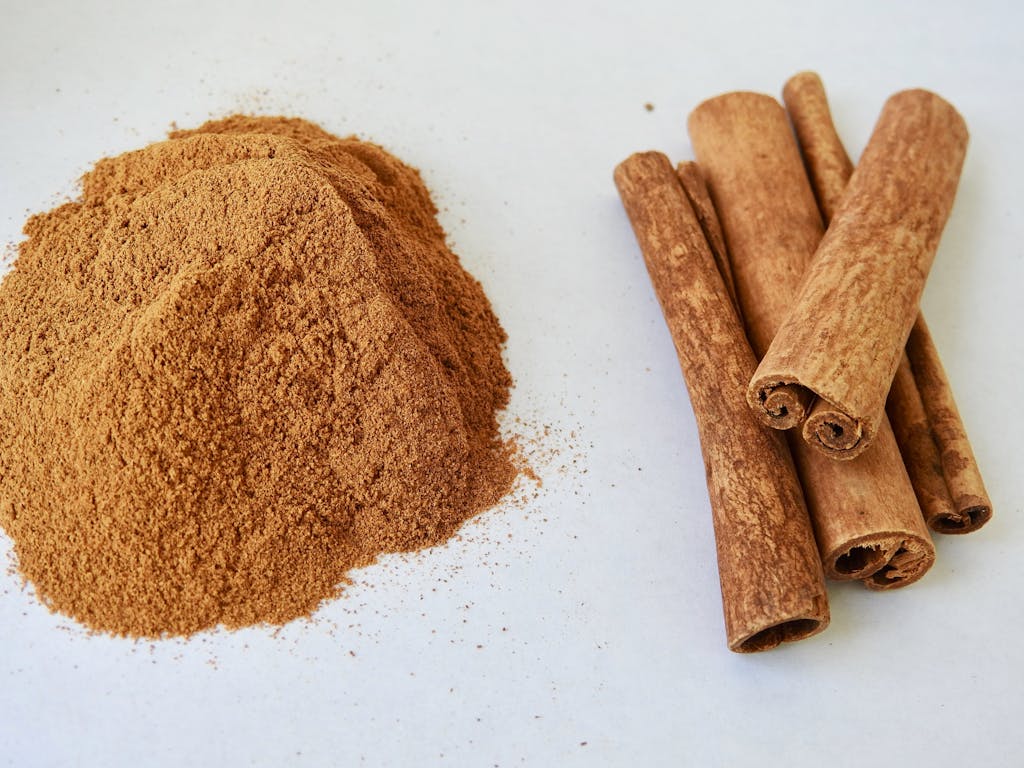
Cinnamon is a beloved spice found in many kitchens, but not all varieties are created equal. The majority of cinnamon sold in stores is Cassia cinnamon, which contains a compound called coumarin. While small amounts may not be harmful, high doses of coumarin have been linked to liver damage and an increased risk of cancer. Prolonged consumption of Cassia cinnamon can lead to long-term health issues, especially for those with pre-existing liver conditions.
To minimize the risk, opt for Ceylon cinnamon, also known as “true” cinnamon, which contains significantly lower levels of coumarin. Use cinnamon in moderation, and if you have liver problems, it’s best to avoid this spice altogether.
Mushrooms
Mushrooms are a popular delicacy, but they come with a potential risk. While most mushrooms are safe to eat, moldy or improperly stored mushrooms can harbor dangerous bacteria, such as botulinum. Botulinum toxin is a neurotoxin that can cause severe symptoms like muscle paralysis and difficulty breathing, which can be fatal in high doses.
To reduce the risk of poisoning, always ensure that mushrooms are fresh and properly stored. Avoid consuming mushrooms that show signs of spoilage, and never eat mushrooms that have been improperly canned.
Potatoes
Potatoes, a staple in many households, can be harmful if consumed improperly. Potatoes are part of the nightshade family, which contains a toxic glycoalkaloid known as solanine. While solanine levels in regular potatoes are typically low, they increase when potatoes are exposed to light, turning them green. Consuming large amounts of green potatoes can lead to symptoms like headaches, gastrointestinal distress, and, in severe cases, poisoning.
If you notice any green spots on a potato, discard the affected areas. If the entire potato is green, it’s best not to eat it at all. Avoid storing potatoes in bright places, and check them thoroughly before cooking.
Nutmeg
Nutmeg is a common spice used in baking and cooking, but consuming too much can be dangerous. Nutmeg contains myristicin, a toxin that can cause severe symptoms when ingested in large quantities. These symptoms may include hallucinations, dizziness, nausea, and even unconsciousness. While the amount used in cooking is generally safe, consuming large amounts, such as in a nutmeg overdose, can have serious consequences.
Use nutmeg sparingly in cooking and avoid using it for any other purpose, especially if you are sensitive to it. If you suspect nutmeg poisoning, seek medical attention immediately.
Alfalfa Sprouts

Alfalfa sprouts, often added to salads and sandwiches, are a nutrient-rich superfood but can pose risks, particularly when consumed raw. These sprouts are highly susceptible to contamination by E. coli, which can cause severe food poisoning. More concerning is the presence of a toxin called L-canavanine in alfalfa sprouts, which can trigger autoimmune reactions in susceptible individuals.
If you have an autoimmune condition, it’s best to avoid raw alfalfa sprouts. Always wash your sprouts thoroughly, and consider cooking them to reduce the risk of contamination.
Cassava
Cassava is a root vegetable widely consumed in many parts of the world, but it contains a dangerous toxin known as linamarin. When consumed raw or improperly prepared, linamarin is converted into cyanide, a potent poison. While cassava is safe when properly prepared, eating it without the right processing techniques can lead to fatal poisoning.
To safely consume cassava, ensure it is thoroughly cooked. Avoid eating cassava raw, and always follow proper preparation guidelines to reduce the risk of cyanide exposure.
Mangoes
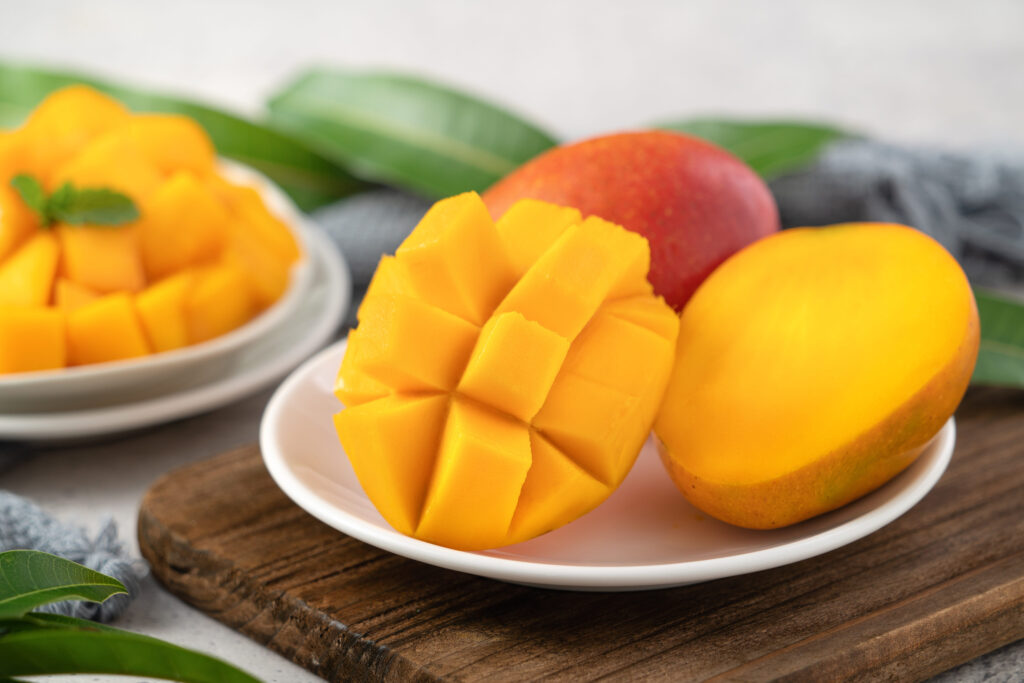
Mangoes are a delicious fruit enjoyed by many, but they belong to the Anacardiaceae family, which also includes poison ivy. The mango skin contains a compound called urushiol, which can cause severe allergic reactions in sensitive individuals. Symptoms of urushiol exposure include rashes, itching, and in extreme cases, anaphylaxis.
To avoid mango-related allergic reactions, wear gloves when peeling the fruit, and avoid touching the skin. If you know you’re allergic to poison ivy or other members of the Anacardiaceae family, it’s best to avoid mangoes altogether.
Sweet Potatoes
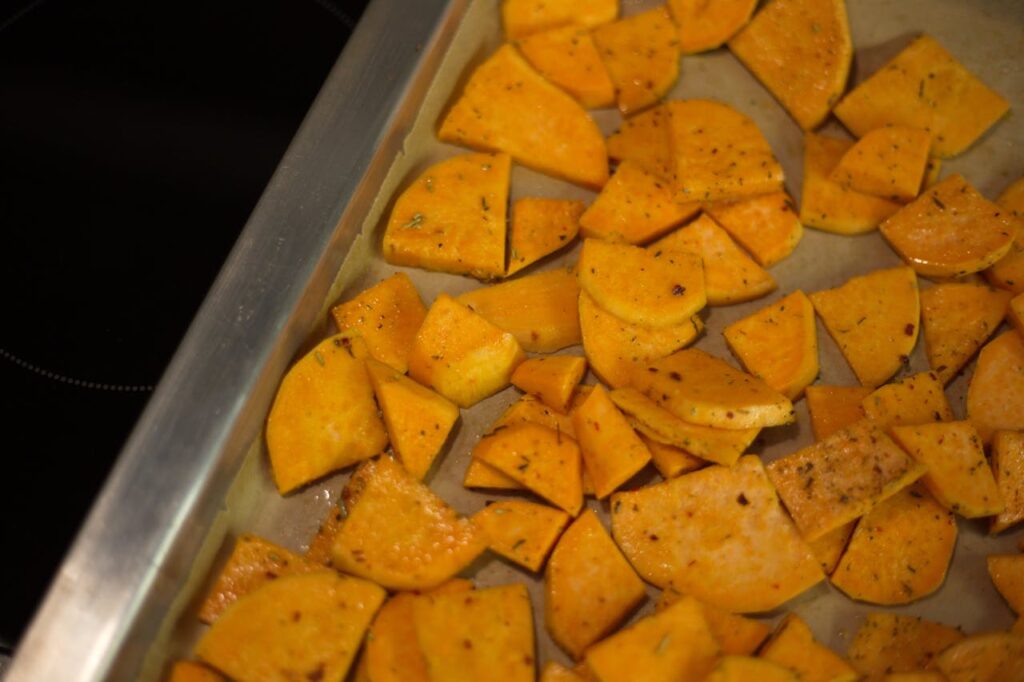
Sweet potatoes are a healthy alternative to regular potatoes, but they, too, come with risks. Mold can develop on sweet potatoes if they are improperly stored, and consuming moldy sweet potatoes can cause hepatotoxicity, a condition that damages the liver. This mold issue is particularly dangerous for people who consume large quantities or those with weakened immune systems.
Before eating sweet potatoes, carefully inspect them for any signs of mold or rot. Discard any moldy potatoes to avoid potential health issues.
Red Kidney Beans

Red kidney beans are a common ingredient in many dishes, but eating them raw can be fatal. These beans contain phytohaemagglutinin, a natural toxin found in many legumes. The amount of lectin found in these foods is not very toxic, but it is highest in raw red kidney beans. Cooking and soaking break down this lectin, but it remains if the legumes are undercooked.
As little as a handful of undercooked beans can trigger a reaction and cause food poisoning. Follow the cooking directions on the packaging. Soak beans overnight and always cook for the recommended time at the proper temperature.
Quail
While quail is considered a delicacy, it can be hazardous if the bird has consumed toxic plants, such as hemlock, during migration. Humans are less resistant to hemlock than quail, and consuming tainted quail can lead to coturnism, a poisoning that affects the nervous system. Symptoms of coturnism include vomiting, muscle soreness, and even permanent damage to the nervous system.
If you plan on eating quail, make sure it is sourced from a reputable supplier and not from wild birds that may have consumed toxic plants. Always cook quail thoroughly to avoid the risk of poisoning.