Plumbing issues often sneak up on homeowners when least expected, causing inconvenience and expensive repairs. Whether it’s a minor leak or a major pipe burst, plumbing problems can quickly escalate if not handled properly.
The good news is that many plumbing issues are preventable if you know what to look for and how to avoid common mistakes. Let’s dive into the most frequent plumbing blunders homeowners make and how you can prevent them to safeguard your home and your wallet.
Ignoring Regular Plumbing Maintenance
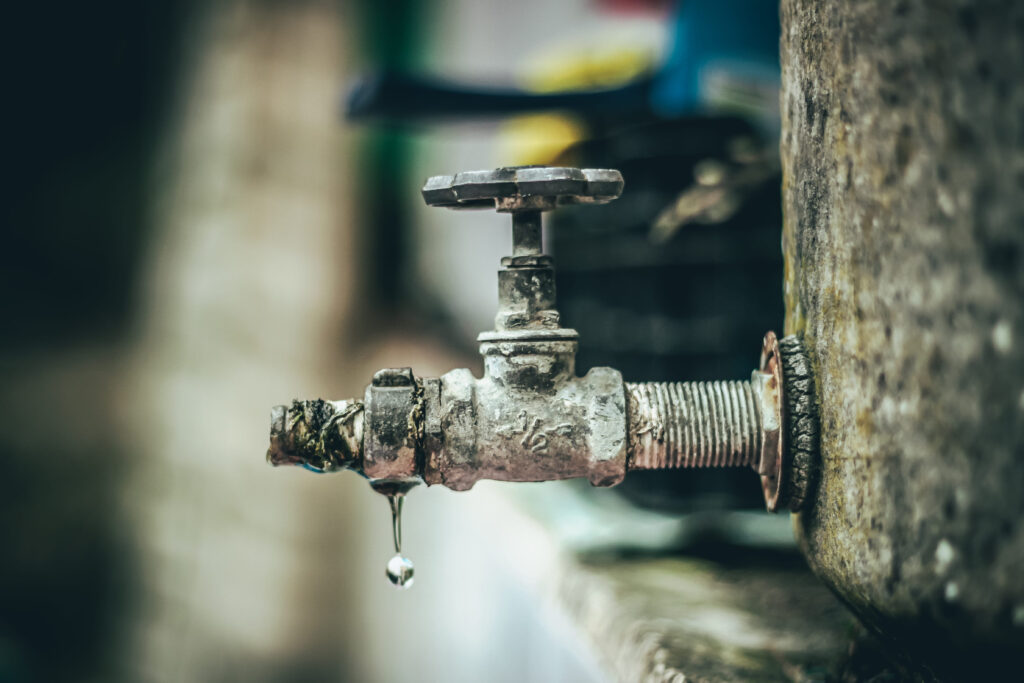
Plumbing systems are intricate, and like any complex system, they require periodic attention to ensure they’re functioning optimally. Yet, many homeowners overlook regular plumbing maintenance until a serious issue arises. What starts as a small leak can quickly lead to water damage, mold growth, or structural issues if left unchecked.
Scheduling an annual plumbing inspection is crucial for early detection of hidden problems. A qualified plumber can identify deteriorating pipes, slow leaks, or sediment buildup in your water heater that may not be obvious to the naked eye. Regular checks help prevent costly emergency repairs and extend the life of your plumbing system, ultimately saving you money in the long run.
Relying on Chemical Drain Cleaners
It might seem like a quick fix when you find a stubborn clog in your kitchen sink or bathroom drain, but using chemical drain cleaners is one of the worst decisions you can make for your plumbing system. These harsh chemicals can corrode your pipes, weakening them over time and leading to leaks or even full-blown pipe failure. Not only that, but frequent use of chemical drain cleaners can damage the seals and gaskets inside your plumbing, creating more problems down the line.
Instead of relying on these dangerous chemicals, use safer alternatives like a plunger, a drain snake, or a mixture of baking soda and vinegar. For stubborn clogs, consider calling a professional plumber to safely and effectively clear the blockage without risking damage to your pipes.
Overloading Your Garbage Disposal
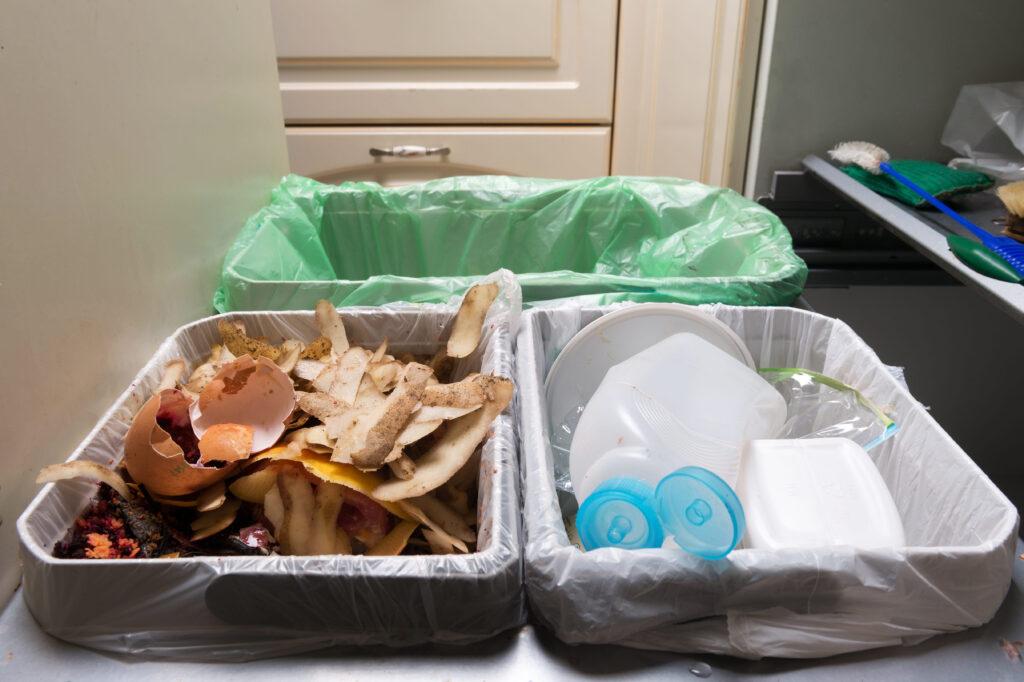
Garbage disposals are incredibly convenient, but they come with limitations. Many homeowners make the mistake of treating their garbage disposal like a trash can, tossing in large food scraps, fibrous materials, or even hard items like bones and fruit pits. Doing so can easily clog the disposal or cause it to jam. Overloading it can also strain the motor, leading to a breakdown that will require costly repairs or replacement.
To extend the life of your garbage disposal, remember to put only food scraps in it and avoid items like potato peels, bones, grease, and fibrous vegetables (such as celery or corn husks). You should also run cold water while using the disposal to help break down food particles more efficiently.
Tackling Plumbing Repairs Without Expertise
There’s no shame in wanting to save a few dollars by taking on plumbing repairs yourself, but many homeowners seriously underestimate the complexity of plumbing systems. Simple problems like a clogged drain or a leaky faucet may appear easy to fix, but without proper knowledge, you could end up causing more harm than good. A DIY attempt to replace a pipe or install a water heater can lead to severe water damage, costly repairs, or even system failure.
Unless you have plumbing experience, it’s wise to leave most repairs to the professionals. A licensed plumber has the right tools, experience, and expertise to handle even the most challenging plumbing issues quickly and effectively, reducing the risk of further damage to your home.
Forgetting to Turn Off the Water Supply
It sounds like common sense, yet many homeowners forget to turn off the water supply before tackling plumbing repairs. Whether you’re replacing a faucet, fixing a pipe, or unclogging a toilet, neglecting this essential step can result in a flooded room and extensive water damage. Turning off the main water supply valve is a quick and simple way to avoid such disasters.
Before starting any plumbing work, always locate the shut-off valve and ensure it’s turned off. This simple step can save you from unnecessary stress and costly repairs.
Failing to Insulate Pipes
Winter can be particularly harsh on your plumbing system. When temperatures drop, uninsulated pipes, especially those in attics, basements, or exterior walls, are at risk of freezing. Water inside the pipes expands when it freezes, putting immense pressure on the pipe walls. As a result, pipes can crack or burst, leading to flooding and significant water damage.
Insulating your pipes is an affordable yet highly effective way to prevent freezing and minimize the risk of burst pipes. You can use foam sleeves, heat tape, or pipe insulation to keep your plumbing protected during colder months. It’s a small investment that pays off by saving you from expensive repairs.
Installing Appliances Without Proper Ventilation
Water heaters, dishwashers, and washing machines are essential appliances, but improper installation can lead to major issues, including leaks, overheating, or inefficient operation. Installing these appliances without proper ventilation can also cause moisture buildup in your home, leading to mold and mildew growth. In water heaters, a lack of ventilation can lead to dangerous gas leaks or even fires.
Always follow the manufacturer’s instructions when installing any appliance, and ensure it is properly ventilated. If you’re unsure, it’s better to call a professional who can handle the installation and ensure everything is working safely and efficiently.
Ignoring Low or High-Water Pressure
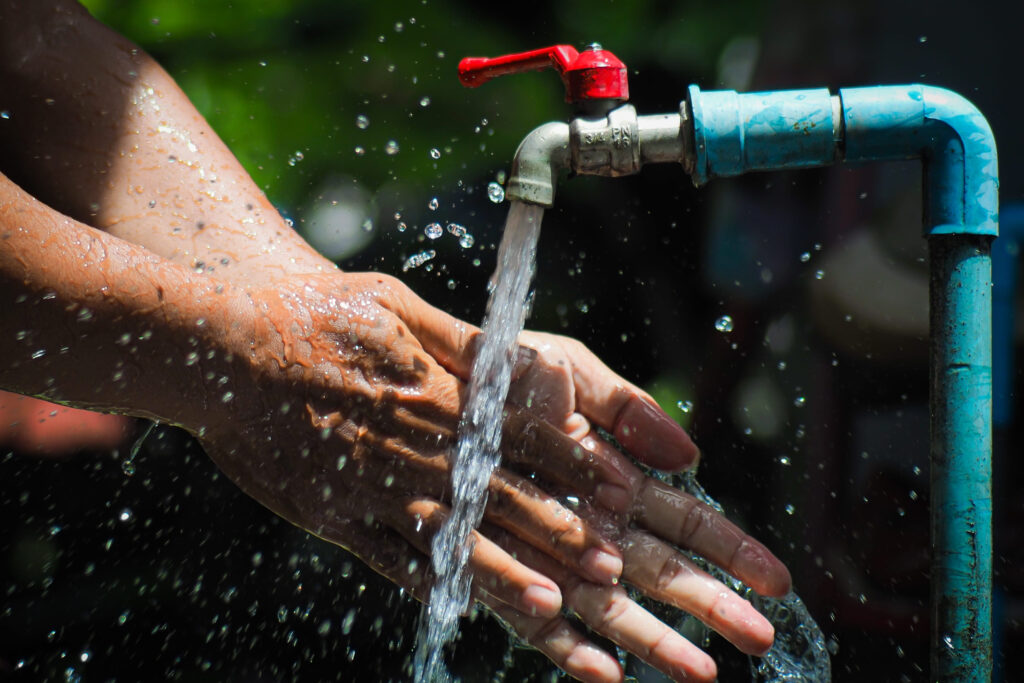
Water pressure is often taken for granted, but both low and high pressure can cause serious problems for your plumbing system. Low water pressure may be a sign of clogged pipes, mineral buildup in your water heater, or even a leak somewhere in the system. High water pressure, on the other hand, can put excessive strain on your pipes and fixtures, potentially causing leaks, cracks, or even ruptures.
To maintain a healthy plumbing system, it’s important to regularly check the water pressure. If you notice any issues, have them inspected and resolved by a professional. Installing a pressure-reducing valve (PRV) can help maintain a safe water pressure level, preventing potential damage.
Misusing Plumbing Fixtures
Plumbing fixtures, such as toilets, sinks, and faucets, are designed to perform specific tasks. However, many homeowners make the mistake of flushing inappropriate items down the toilet, such as wet wipes, paper towels, or even hair, which can lead to severe clogs and backups. Similarly, using abrasive cleaners or harsh chemicals on faucets or showerheads can damage their finishes, leading to corrosion and stains.
To avoid these issues, only dispose of toilet paper in the toilet and avoid flushing anything else. Use non-abrasive cleaning agents and follow the manufacturer’s instructions to maintain your fixtures in top condition.
Neglecting Water Heater Maintenance
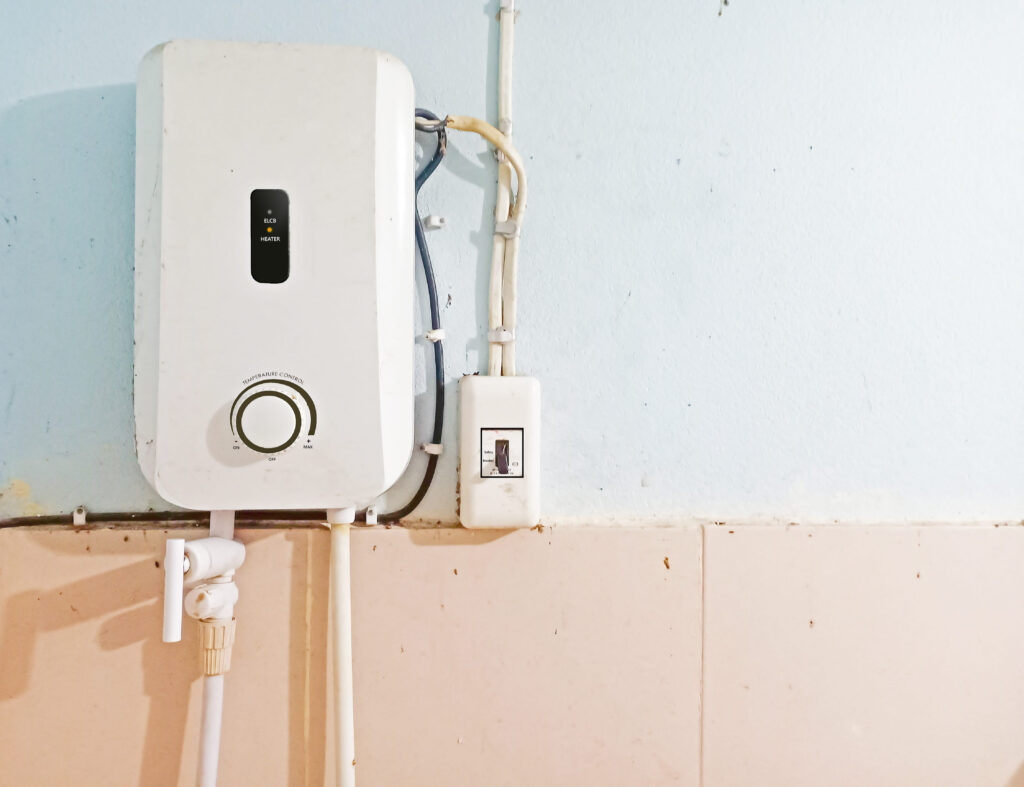
Water heaters are crucial for everyday life, providing hot water for showers, cleaning, and cooking. However, they often go unnoticed until something goes wrong. Without regular maintenance, water heaters can experience issues such as sediment buildup, inconsistent water temperature, or even complete failure.
Flushing the tank once a year, inspecting the anode rod, and ensuring the thermostat is set to the proper temperature are all simple maintenance tasks that can extend the lifespan of your water heater. Regular checks help keep your system running smoothly, so you don’t find yourself without hot water when you need it most.