Female Genital Mutilation (FGM) is one of the most grotesque practices still being carried out in parts of the world today. Despite its horrific consequences, this practice continues to affect millions of women and girls, violating their human rights and putting their health and well-being at extreme risk.
In this article, we will uncover 10 chilling facts about FGM that will open your eyes to the devastating realities faced by its victims. Through this exploration, we hope to inspire action towards ending FGM once and for all.
FGM is Prevalent in Many Countries Around the World

Though it is most commonly practiced in Sub-Saharan Africa, FGM is by no means restricted to one geographical area. It is prevalent in over 30 countries worldwide, particularly in Africa, parts of the Middle East, Asia, and even Latin America. FGM has been found in immigrant communities in North America and Europe as well, often hidden from public scrutiny.
The United Nations estimates that over 200 million girls and women across the globe have undergone some form of FGM. These numbers are staggering and underscore the urgency of tackling this human rights violation. Despite efforts to end it, FGM continues to be practiced, often out of tradition, ignorance, or social pressure.
FGM Has No Health Benefits
It’s hard to fathom, but FGM is often justified as a practice that “purifies” or “cleanses” the female body. The truth, however, is that FGM offers no health benefits. In fact, it endangers a woman’s health on multiple levels. The practice is done with the belief that it will make a woman more desirable for marriage or keep her virtuous, but in reality, it does the opposite. There are no medical reasons for FGM, only harmful cultural beliefs.
The immediate effects of FGM can include severe pain, heavy bleeding, and infection. The procedure is often performed without anesthetics or sterile tools, heightening the risk of complications. In the long run, those who undergo FGM may experience urinary problems, chronic infections, and painful intercourse, all of which can leave lifelong scars on both the body and the mind.
FGM is Most Commonly Performed on Young Girls

Perhaps one of the most disturbing facts about FGM is that it is most often carried out on young girls, many of whom are too young to fully understand what is happening to them. The age range of those affected spans infants to adolescents, but it is typically performed on girls aged 4 to 14.
The procedure is often done without the girl’s consent and is imposed by family members or community elders. In some regions, FGM is seen as a rite of passage or a necessary practice for marriageability, further compounding the violation. For the girl subjected to FGM, the trauma begins from the moment the procedure is performed, with the long-term consequences following her throughout her life.
The Procedure is Incredibly Painful

The pain endured during FGM is unimaginable. Many girls and women who have undergone the procedure describe the experience as excruciating. The practice is often carried out without anesthesia and can result in profound physical trauma. The procedure can last for hours, depending on its severity, and may involve cutting, removing, or sealing parts of the female genitalia.
The immediate pain is followed by intense bleeding, and without proper medical care, this bleeding can quickly lead to shock and even death. The healing process is no less painful, with many women suffering from infections, urinary retention, and the constant discomfort of raw tissue. It’s an unimaginable experience that leaves victims scarred physically and emotionally.
FGM Leads to Severe Long-Term Health Complications
FGM doesn’t just end with the immediate aftermath of the procedure. The long-term health complications are vast and often life-altering. Women who have undergone FGM are at higher risk for urinary tract infections (UTIs), infertility, and chronic pelvic pain. Complications related to childbirth are also common, as women who have been subjected to FGM are at a greater risk of obstructed labor, hemorrhage, and stillbirths.
Moreover, the psychological consequences can be devastating. FGM has been linked to sexual dysfunction, where many women experience extreme discomfort and pain during intercourse. The emotional scars, such as feelings of shame, guilt, and powerlessness, often persist for decades, affecting mental health and intimate relationships.
FGM Is Deeply Rooted in Cultural and Social Norms
One of the biggest challenges in eradicating FGM is that it is tied to deep cultural and social beliefs. In many regions, FGM is seen as an essential rite of passage for girls, marking their transition into womanhood. It is often believed that it is necessary to maintain purity or to ensure a girl’s marriageability. For some, FGM is perceived as a way to control female sexuality.
However, these beliefs are rooted in myths and misinformation. There is no religious justification for FGM. Islamic scholars, Christian leaders, and Jewish authorities have all condemned the practice, clarifying that it has no basis in any major religion. It is simply a cultural practice, one that should not continue in the modern age.
FGM Violates Human Rights
FGM is a gross violation of human rights. It strips girls and women of their bodily autonomy and the right to make decisions about their own bodies. The United Nations, World Health Organization (WHO), and UNICEF have all recognized FGM as a form of gender-based violence and child abuse. The act is a direct attack on a woman’s integrity, dignity, and bodily safety.
FGM’s continued practice directly contradicts fundamental rights such as the right to health, freedom from violence, and the right to life. Yet, in many parts of the world, FGM is still performed in secret, often on girls who have no voice and little understanding of what is happening to them.
The Psychological Effects Are Devastating
The physical pain caused by FGM is often the first aspect that people discuss, but the psychological trauma is equally devastating. Many women who undergo the procedure experience anxiety, depression, and post-traumatic stress disorder (PTSD). The long-lasting emotional scars can leave them struggling with identity issues, guilt, and feelings of worthlessness.
The trauma doesn’t end once the procedure is over. Women often feel alienated and disempowered. Sexual trauma from FGM can affect their relationships, and the emotional weight of the procedure can lead to years of therapy or support to heal the psychological wounds.
Some Communities Still Justify FGM
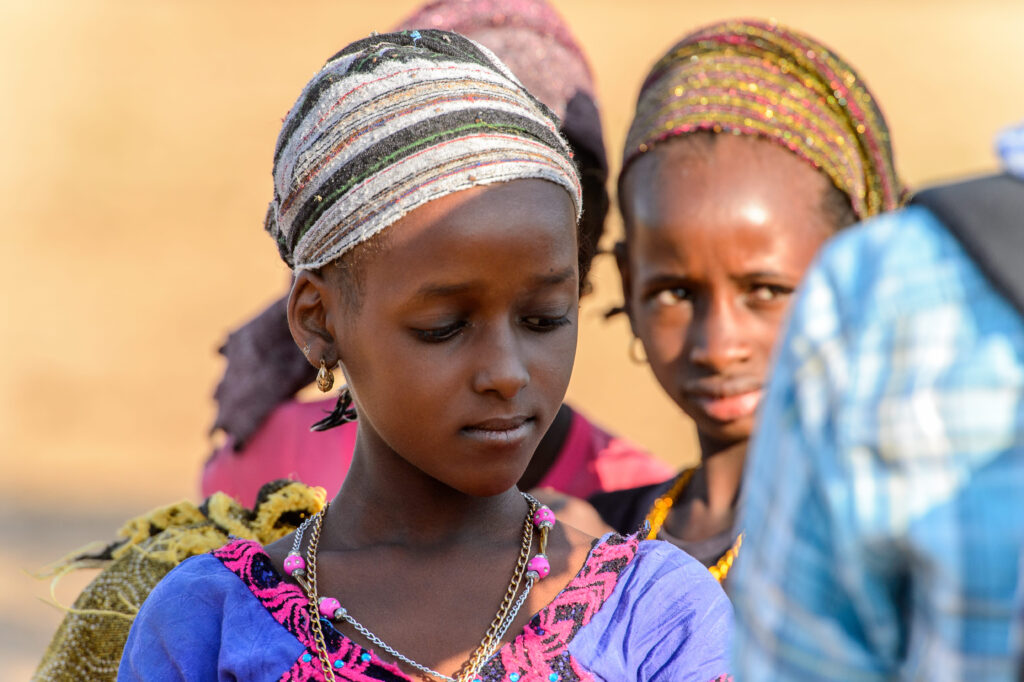
In some cultures, FGM is so deeply embedded that it continues to be justified as a necessary part of a girl’s social or cultural identity. Communities argue that the practice preserves tradition, improves marriage prospects, and protects family honor. However, these justifications are not based on evidence or facts.
Organizations around the world, including human rights groups and health experts, have repeatedly explained that FGM is an unjustifiable practice. It is a form of gender-based violence, and its harmful effects far outweigh any perceived cultural benefits.
There Are Global Efforts to End FGM
Despite the ongoing challenges, there are global efforts to end FGM. International organizations, such as the United Nations, UNICEF, and the World Health Organization (WHO), are working to raise awareness, support survivors, and advocate for legislation to ban FGM across all affected countries. Many countries, including Kenya, Ethiopia, and Senegal, have passed laws to make FGM illegal, but enforcement remains a challenge.
The United Nations Sustainable Development Goals (SDGs) include a target to end FGM by 2030, and progress is being made toward this goal. Community education, legal reform, and global advocacy are crucial in ending this practice. It is vital that we continue to spread the message and take action, so future generations of girls can live free from the trauma of FGM.