Architecture, as a field, is celebrated for its ability to shape the world around us, creating iconic landmarks and structures that define cities and civilizations. However, not all architectural projects are built to stand the test of time. In some cases, design flaws, structural oversights, and environmental factors contribute to disastrous failures, resulting in loss of life, economic costs, and long-lasting repercussions. This article takes a closer look at 10 of the most significant architectural failures in history, examining the causes and the aftermath.
Architecture is often revered for its ability to transform skylines, create innovative spaces, and leave a lasting legacy on society. Yet, not every architectural marvel is destined for greatness. Some structures, instead of becoming symbols of triumph, have become notorious for their catastrophic failures. These failures often involve tragic loss of life, massive economic damage, and long-term repercussions.
Highway 19 Overpass (Laval, Quebec)
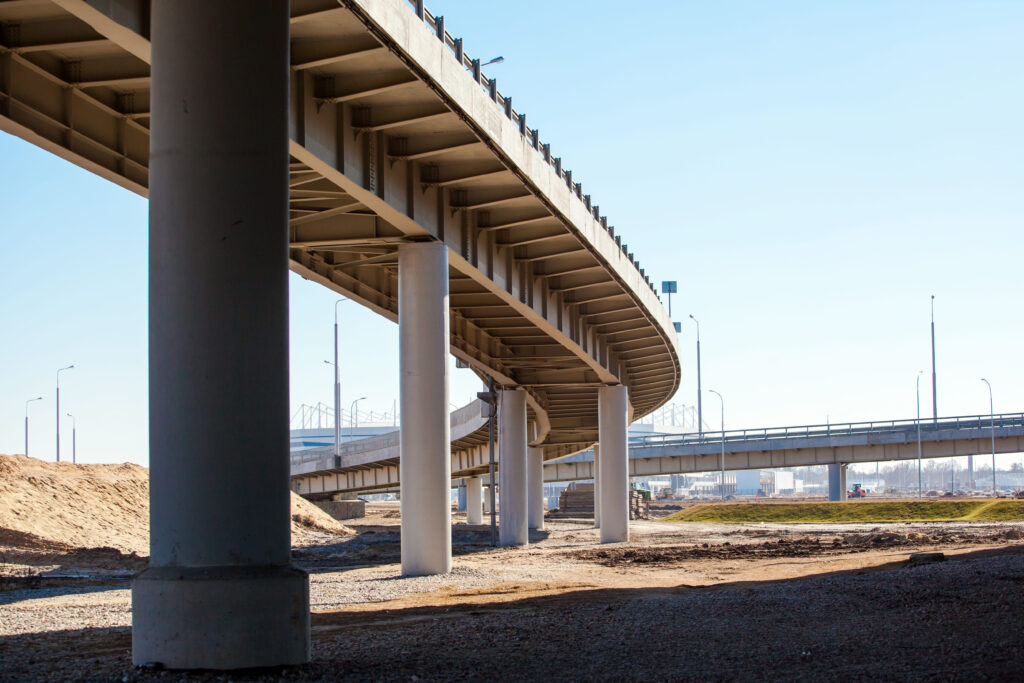
Highway 19 Overpass (Laval, Quebec) refers to a section of Autoroute 19 (Autoroute Papineau) in the Montreal‑Laval area where an overpass (bridge carrying a cross street over the highway) exists or has existed in Laval, Quebec, Canada. Autoroute 19 is a major north–south controlled‑access highway serving Montreal and the northern suburbs, including Laval. It connects Montreal’s Henri‑Bourassa Boulevard in the south with Laval and beyond, and is maintained by Transports Québec.
A notably tragic event tied to a Highway 19 overpass occurred on September 30, 2006, when the de la Concorde overpass over Autoroute 19 in Laval collapsed. This overpass carried Boulevard de la Concorde over the highway. A section of it fell onto the roadway below during midday traffic, crushing vehicles beneath. The collapse resulted in five deaths and six serious injuries as motorists were struck or went over the edge when the structure gave way. The south‑lane portion of the bridge failed, while the north‑lane section on the same structure did not collapse. Afterward, the highway was closed for almost four weeks.
The Lotus Riverside ( Shanghai, China )
The Lotus Riverside residential complex in Shanghai became infamous when one of its 13-story buildings collapsed in 2009. The building fell almost intact, missing a neighboring structure by mere inches. The collapse was caused by a poorly constructed parking structure beneath the building, which resulted in the destabilization of the foundation. The issue was further exacerbated by the fact that workers had placed removed earth into a landfill, which led to water infiltrating the base of the building.
Ronan Point Apartment Building (London, United Kingdom)
In 1968, an explosion in a single apartment of the Ronan Point building caused an entire corner of the 22-story building to collapse. The building had been constructed using prefabricated concrete panels held together by bolts, which proved to be structurally insufficient in the event of a disaster. The explosion exposed the weaknesses of the design, particularly the fact that some joints had been filled with newspaper instead of concrete.
The Aon Center (Chicago, IL )
The Aon Center, built in 1973, suffered a significant architectural failure when one of its Carrara marble slabs detached and fell onto the roof of the Prudential Center next door. The use of marble for the building’s exterior proved problematic, as the marble was too thin and light and failed to withstand the harsh conditions. The costly resurfacing process revealed the importance of material selection in the design of large-scale buildings.
Pier One Playground (Brooklyn, New York )
In 2010, a futuristic playground in Brooklyn’s Pier One Park faced a major setback when the pure steel structures designed for children to play on heated up to 127 degrees Fahrenheit in the summer sun, rendering them unusable. The architects had overlooked the practical implications of using steel as the primary material, which caused safety concerns for children in the area.
John Hancock Tower ( Boston, MA )

The John Hancock Tower, once the tallest building in Boston, faced a catastrophic design flaw in 1973 when windowpanes weighing 500 pounds detached from the building due to improper design. This issue occurred because the windows were not properly secured, and winds above 45 mph caused the panes to detach and fall. This failure earned the building the nickname “Plywood Palace” after its windows were replaced with plywood until the issue was resolved.
St. Francis Dam (Los Angeles, California)
The St. Francis Dam collapse in 1928 remains one of the deadliest engineering disasters in California’s history. The dam failed due to a combination of structural weaknesses, poor maintenance, and human error. When the dam burst, it released 12 billion gallons of water, resulting in over 600 deaths. The incident highlighted the critical importance of ongoing inspections and repairs for large infrastructure projects.
Tacoma Narrows Bridge (Tacoma, WA)
Known as “Galloping Gertie,” the Tacoma Narrows Bridge became famous when it collapsed just months after its completion in 1940. The bridge’s design failed to account for wind-induced oscillations, which caused the structure to shake violently and eventually collapse. Despite warnings during its construction, the lack of adequate girders and a truss design led to the failure of this iconic structure.
South Fork Dam (Johnstown, Pennsylvania)
The South Fork Dam, located near Johnstown, Pennsylvania, collapsed in 1889, unleashing 20 million tons of water and causing one of the deadliest dam failures in history. The dam’s failure was attributed to poor maintenance, including the use of straw and mud to patch leaks, and the removal of critical components like cast-iron pipes. The resulting flood killed over 2,200 people and caused massive property damage.
I-35W Bridge Over the Mississippi River (Minneapolis)
In 2007, the I-35W bridge over the Mississippi River suddenly collapsed during rush hour, killing 13 people and injuring 145. The collapse was caused by the failure of gusset plates, which had been undersized and unable to support the additional weight of construction materials placed on the bridge. This tragic event exposed the risks associated with deferred maintenance and the failure to address structural deficiencies.
Conclusion
The architecture failures explored in this article highlight the profound impact that poor design, substandard materials, and lack of maintenance can have on the safety and longevity of buildings and infrastructure. The lessons from these disasters serve as a reminder of the importance of meticulous planning, rigorous construction standards, and ongoing oversight. As we continue to innovate and create new structures, it is crucial that we learn from past mistakes to ensure the safety and sustainability of future architectural endeavors.