When we think of diseases, we generally associate them with pain, suffering, and loss. However, a few rare conditions have presented unexpected benefits, offering insight into the human body and even contributing to individual strengths. While these diseases may still bring challenges, they provide unique aspects that others may envy. In this article, we’ll explore 10 surprising diseases with unanticipated advantages.
Myostatin-Related Muscle Hypertrophy
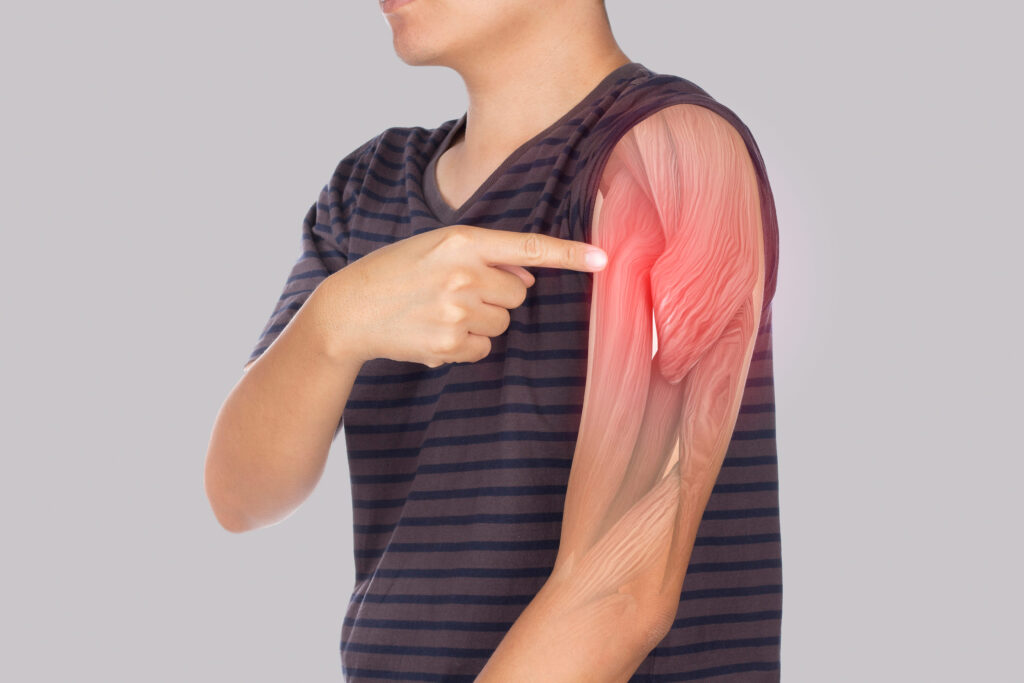
Myostatin-related muscle hypertrophy is a genetic condition that leads to the development of unusually large muscles without the typical obstacles posed by regular exercise routines. Individuals with this disorder lack the myostatin hormone, which normally inhibits muscle growth. This lack results in an excessive increase in skeletal muscle mass, often leading to a highly muscular body with minimal body fat. Children and adults affected by this condition may appear as though they’ve been working out intensely for years, despite doing little physical activity. Famous cases include that of a young boy named Liam Hoekstra, who performed gymnastic-like feats at just five months old. While not a curable condition, individuals with myostatin deficiency do not suffer from severe health problems as a result, which makes it an intriguing phenomenon.
Persistent Sexual Arousal Disorder (PSAD)
Persistent Sexual Arousal Disorder (PSAD), also known as Restless Genital Syndrome, is a condition where women experience uncontrollable genital arousal, often not linked to sexual desire. Though it can be disruptive and distressing, with episodes lasting hours and potentially leading to anxiety, there is a surprising upside: spontaneous orgasms. For some, this condition can provide bursts of euphoria and physical release. The documentary “100 Orgasms A Day” explores the lives of those affected, showing how the constant arousal, despite its overwhelming nature, can also offer a paradoxical sense of pleasure. While not a situation anyone would voluntarily choose, the intense physical sensations linked to PSAD do make it stand out in the world of unusual conditions.
Syphilis
Syphilis is an ancient and notoriously painful disease, known for causing sores and ulcers that can severely impact the body’s organs. However, in its advanced stages, specifically Neurosyphilis, the disease reaches the brain and produces symptoms akin to the effects of drugs. In some cases, individuals experience euphoria, heightened energy, and a sense of exhilaration. A 90-year-old woman, for example, reportedly felt such intense excitement due to her condition that she refused treatment, preferring to experience the drug-like effects. While syphilis remains a life-threatening and terrible illness, the fleeting, euphoric effects of its final stage may bring a strange form of closure to its sufferers.
Parasite Infection

Though most of us avoid parasites for obvious reasons, some research suggests that exposure to certain parasites can strengthen our immune system. In a sterile environment, the body’s immune defenses become lazy, relying too much on its early defenses (Th2 lymphocytes) while neglecting its later, stronger defenses (Th1 lymphocytes). Moderate exposure to parasites forces the immune system to maintain both lines of defense in optimal working order, preventing long-term immune issues. While deliberately contracting a parasite is certainly not recommended, this natural balancing act shows that our bodies benefit from occasional encounters with the microbes around us.
Secondary Polycythemia
Secondary Polycythemia is a blood condition where the body produces an excess of red blood cells, leading to thicker blood. This results in a higher oxygen-carrying capacity of the blood, which can enhance stamina and endurance in strenuous activities. While this condition can increase the risk of serious issues like heart attacks or strokes, it also provides an unexpected benefit for athletes and individuals involved in high-performance activities. The increased red blood cell count improves oxygen delivery to muscles, enabling those affected to perform feats of endurance with greater ease. In some cases, individuals with this condition can run marathons without any formal training due to their enhanced aerobic capacity.
Huntington’s Disease
Huntington’s disease is a devastating genetic condition causing progressive neurodegeneration, leading to motor dysfunction, cognitive decline, and psychiatric disorders. However, a remarkable finding from a Swedish study reveals that individuals with Huntington’s disease are less likely to develop cancer. The study showed that people with this genetic disorder were far less prone to the most prevalent forms of cancer. While the disease itself is extremely debilitating and typically shortens life expectancy, this surprising protective factor against cancer presents a rare and unintended advantage.
Sickle Cell Disease
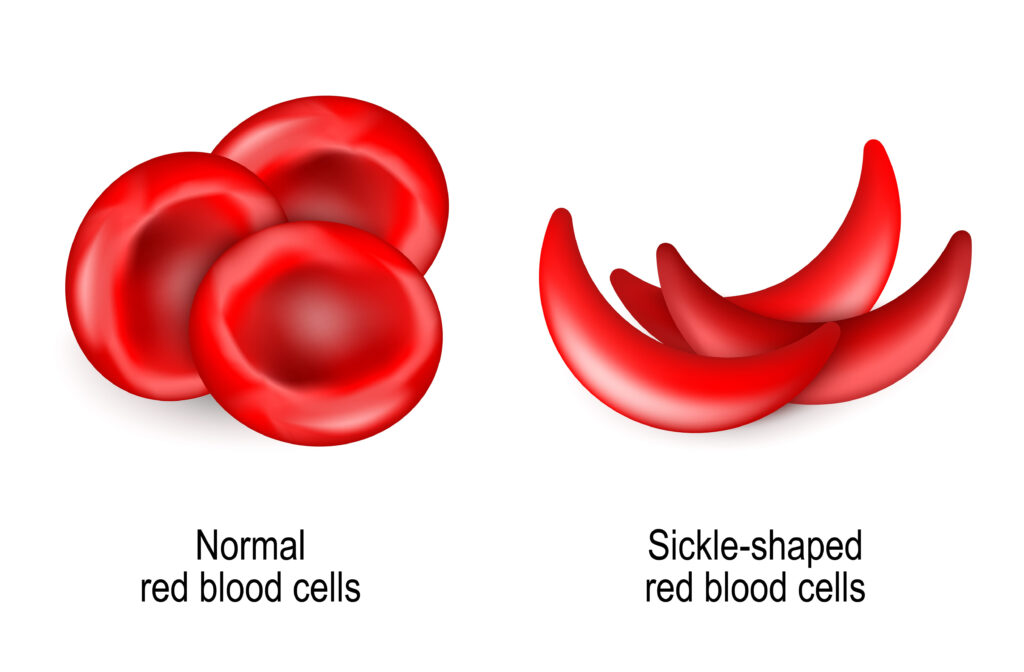
Sickle Cell Disease, a genetic blood disorder characterized by malformed red blood cells, is typically considered detrimental. However, research has found that people with this condition have a natural resistance to malaria, a parasitic disease transmitted by mosquitoes. This resistance occurs because the sickle-shaped cells are unsuitable for the malaria parasite, rendering the person immune to the disease that claims millions of lives annually. The benefit of this disease is especially significant in areas plagued by malaria, where individuals with sickle cell disease are better protected from one of the world’s most dangerous illnesses.
Urbach-Wiethe Disease
Urbach-Wiethe disease is a rare genetic disorder that leads to the thickening of skin and brain tissue, particularly affecting the amygdala, the brain’s fear center. This condition leads to a lack of fear, making those affected exceptionally bold and fearless. One famous case involved a woman who, despite facing dangerous situations, remained completely calm and fearless. She picked up snakes with her bare hands and confronted an armed assailant without hesitation. This fearlessness may seem advantageous in certain situations, but it poses risks, as fear is a critical survival mechanism. Nonetheless, this rare disease can give sufferers an extraordinary courage that might benefit them in extreme circumstances.
Savant Syndrome
Savant syndrome is a rare condition where a person with significant mental disabilities also displays extraordinary talents or abilities in specific areas, such as math, music, or art. While savants may struggle with basic daily tasks, their specialized abilities can be breathtaking. Famous cases, like that of Thomas Fuller, the “Virginia Calculator,” demonstrate the vast mental capacity that can arise in individuals who suffer from cognitive challenges. Savant syndrome offers a glimpse into the immense potential of the human brain, proving that even in the face of mental disabilities, extraordinary skills can emerge.
Hyperthymesia
Hyperthymesia, or Highly Superior Autobiographical Memory (HSAM), is a neuropsychological condition where individuals can remember every detail of their life, from specific dates to minute sensory details. People with this condition can recall vivid memories from their past with striking accuracy, without any deliberate effort to do so. Although this might sound like a gift, it often proves to be a burden. Individuals with hyperthymesia are constantly haunted by their memories, unable to filter out the past. This condition, while enhancing memory and knowledge, comes with the price of mental overload, as it interferes with the ability to live in the present.
Conclusion
- While rare diseases often bring hardship, they can also confer unexpected advantages.
- Some conditions provide physical benefits like increased strength, stamina, or immunity to disease.
- Others offer psychological benefits, such as heightened intelligence or fearless courage.