Energy waste in the kitchen is a growing concern, with household power bills steadily rising. In the modern world, kitchens are filled with appliances that, while convenient, can lead to inefficiency and excessive energy consumption. However, reducing energy waste doesn’t require radical changes to your cooking habits. Instead, with a few smart adjustments, you can lower your utility bills without sacrificing convenience. Here are several methods to reduce wasted energy when using your kitchen appliances.
Use Lids When Cooking to Save Energy
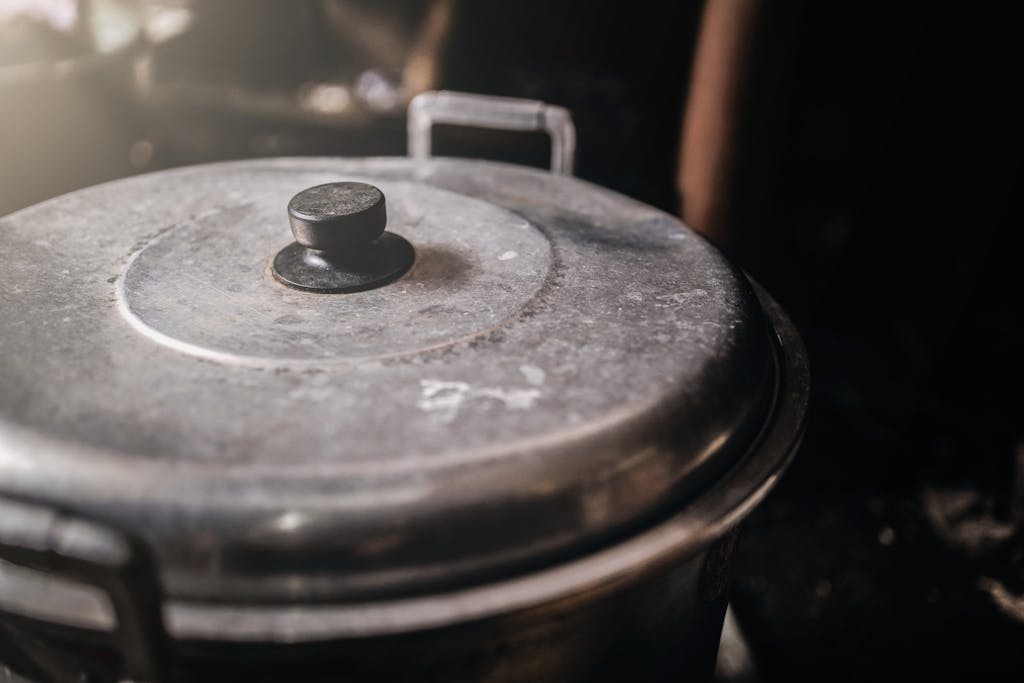
Cooking without a lid on your pots and pans leads to significant heat loss. As steam escapes, it reduces the heat retention, causing your stove or burner to work harder. By covering your pots, you trap heat and steam, making the cooking process much more efficient. In fact, covering your pots can reduce energy consumption by up to five times compared to cooking without a lid. To maximize energy savings, ensure that the lid fits tightly and try not to lift it frequently, as doing so causes heat loss that could take 20 minutes or more to recover.
Switch to an Electric Kettle for Boiling Water
When boiling water, an electric kettle is far more energy-efficient than using a stove. The heating element in an electric kettle directly contacts the water, which minimizes heat loss to the air, making the boiling process faster. In contrast, when boiling water on a stove, the burner must first heat the pot, wasting energy. Boiling water in an electric kettle uses 50% less energy, so it’s a simple but effective change you can make to save on your energy bills.
Run Your Dishwasher Only When Full
Dishwashers consume significant amounts of water and electricity. However, running your dishwasher with a half-loaded rack wastes energy and water, as the appliance uses the same amount of resources regardless of the load size. A simple solution is to run your dishwasher only when it is full. Additionally, optimizing your loading technique can help improve cleaning efficiency, so all your dishes get cleaned effectively, even when the load is large.
Limit Refrigerator Door Openings
Opening your refrigerator door releases cold air, causing the appliance to work harder to cool the contents back down. Every time the door is opened, it increases energy usage by about 9.2 watt-hours, which can add up over time. To minimize energy consumption, avoid opening the fridge unnecessarily and keep the door closed as much as possible. Additionally, allow hot food to cool before putting it into the fridge to prevent unnecessary warming.
Ensure Proper Flame on Gas Burners
The color of the flame on your gas burner can indicate how efficiently it’s burning fuel. A blue flame signifies complete combustion, while a yellow flame indicates incomplete combustion, which wastes energy and can increase your gas bill. If you notice a yellow flame, it’s time to clean the burner or adjust the airflow to improve combustion efficiency. Regular maintenance of your gas stove ensures you’re using energy more efficiently and helps reduce unnecessary energy consumption.
Use a Microwave Instead of an Oven
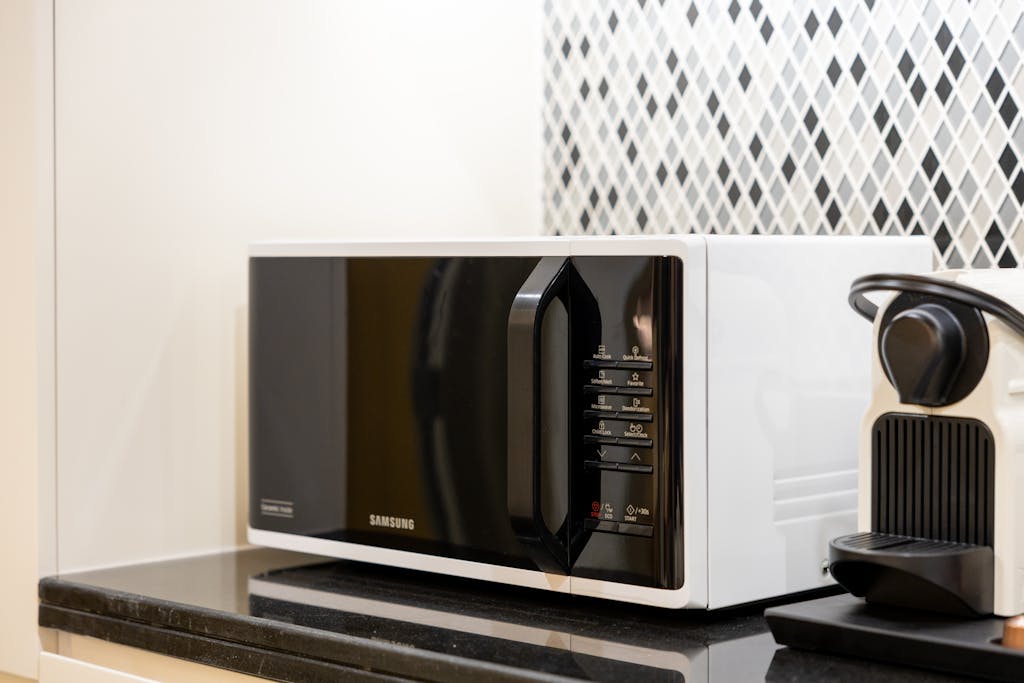
Ovens heat the air around your food, which can take a considerable amount of time and energy. In contrast, a microwave heats food directly, resulting in much faster and more energy-efficient cooking. Studies show that microwaves use up to 75% less energy than conventional ovens, making them an ideal choice for reheating food or cooking small meals. If you only need to warm up a portion of food, always opt for the microwave to save both time and energy.
Match Pot Size to Burner Size
Using a small pot on a large burner is inefficient, as heat is lost to the surrounding air. If you use a six-inch pot on an eight-inch burner, you waste up to 40% of the energy. To ensure optimal efficiency, match the size of the pot to the burner. This prevents heat loss and makes sure you’re getting the most out of the energy you’re using to cook.
Unplug Appliances When Not in Use
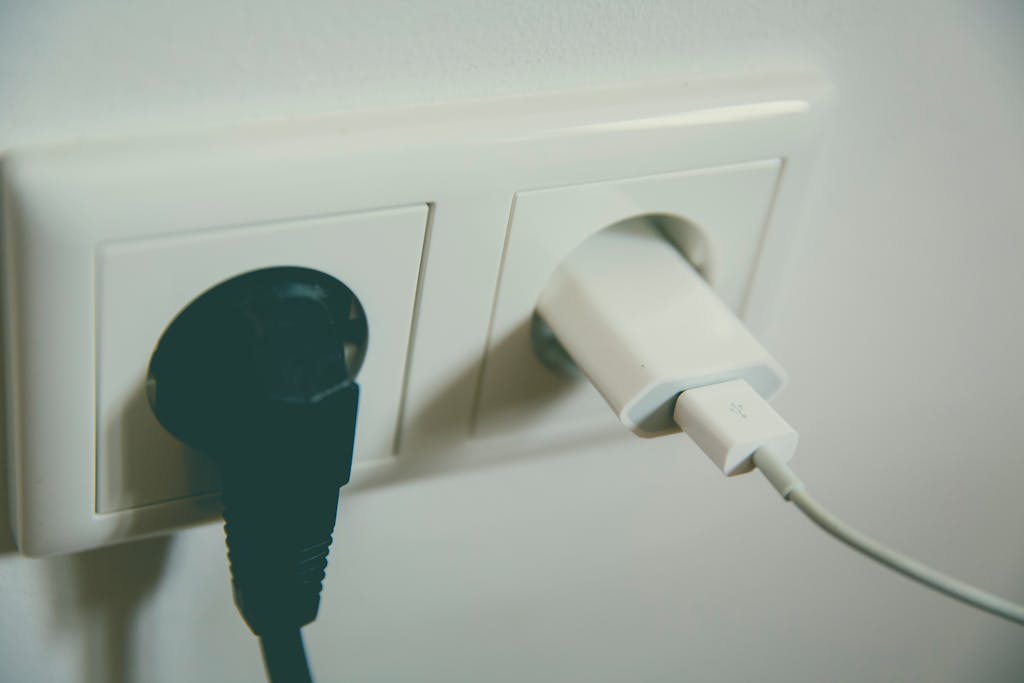
Many modern kitchen appliances continue to consume energy even when turned off. This phenomenon, known as “phantom load” or “vampire power,” occurs when appliances remain in a standby mode, drawing power to maintain internal clocks and communication systems. This can account for 5-10% of your total energy use, adding up to an additional $100 on your annual electricity bill. To prevent unnecessary energy consumption, unplug appliances when not in use, or use a power strip to easily disconnect multiple devices at once.
Choose Coffee Makers with Thermal Carafes
Traditional coffee makers that rely on a hot plate to keep your coffee warm are significant energy wasters. The heating element must constantly turn on and off to maintain the temperature, using more power than necessary. Instead, choose coffee makers with thermal carafes, which use insulation to keep your coffee warm without wasting energy. This simple switch helps reduce unnecessary energy consumption while ensuring your coffee stays hot.
Install Timers or Smart Bulbs
Leaving lights on in the kitchen can add up over time, especially if you forget to turn them off. Install smart bulbs or use timer switches to ensure that your lights automatically turn off when they are not needed. Smart bulbs not only turn off automatically but also use significantly less power than traditional bulbs. Additionally, consider switching to LED lights, which are energy-efficient and have a longer lifespan compared to incandescent or fluorescent lights.
Invest in Energy Star appliances
Energy-efficient appliances are designed to consume less power without compromising performance. When shopping for new kitchen appliances, look for the ENERGY STAR label, which signifies that the appliance meets strict energy efficiency guidelines. ENERGY STAR appliances are typically 9-20% more efficient than non-rated models, making them a wise investment that will save you money over time. Though these appliances may have a higher upfront cost, the long-term savings on your energy bill will more than make up for the difference.
Conclusion
Reducing energy waste in the kitchen doesn’t require drastic changes to your lifestyle, just simple, mindful adjustments to your daily habits. From using electric kettles to installing smart bulbs, every small step contributes to lower energy consumption and a reduced utility bill. By optimizing the use of your kitchen appliances and investing in energy-efficient options, you can make your kitchen both more eco-friendly and cost-effective.