At some point, a home starts telling on you. Not loudly, not cruelly, but in quiet little ways. The sagging futon in the corner, the poster curling at the edges, the dinner plates that look like they came from four different apartments, and the plastic bathroom set that survived too many moves all start sending the same message. This place is still living in your twenties, even if you are not.
Turning 30 does not mean your home needs to look expensive, stiff, or staged for people who never sit down. It just means your space should stop feeling temporary. A grown-up home does not need designer furniture or a perfect color palette. It needs pieces that feel intentional, comfortable, and useful, rather than random, worn-out, or stuck in survival mode.
The Mattress Sitting Directly on the Floor
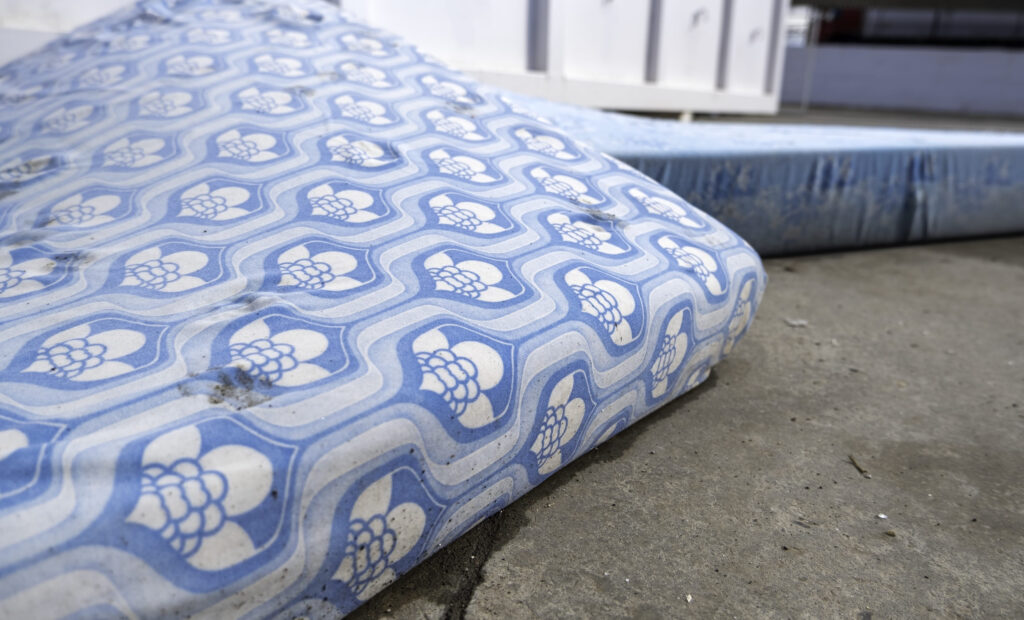
A mattress on the floor may have made sense during college, your first apartment, or that broken-but-hopeful stage when everything felt like a temporary chapter. After 30, it starts looking less like casual minimalism and more like a room that never fully became a bedroom. The bed is the biggest piece of furniture in most bedrooms, so when it sits flat on the floor, the entire space can feel unfinished.
A simple bed frame instantly changes the room. It adds height, shape, and a sense of care without requiring a luxury purchase. Even a clean platform frame or secondhand wooden bed can make the room feel more settled. The goal is not to impress anyone. The goal is to stop sleeping in a setup that makes it look like you are ready to move out by Friday.
A Futon Pretending to Be a Real Sofa
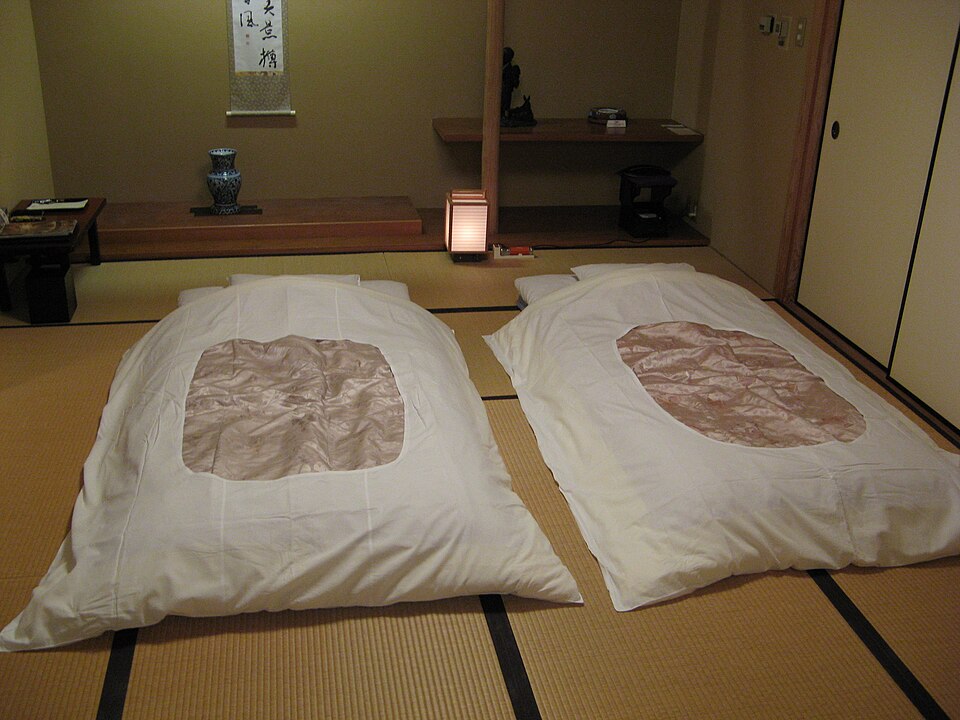
Futons are useful at the right stage of life. They work in dorm rooms, shared apartments, guest corners, and crash pads where nobody expects elegance. But when a futon becomes the main seating in an adult living room, it can drag the whole space backward. It often looks stiff, thin, and temporary, even when the rest of the room is trying hard to grow up.
A proper sofa does not have to be expensive. A clean-lined loveseat, a secondhand couch in good condition, or even a smaller upholstered piece can feel more mature and more comfortable. Your living room should invite people to sit down and stay awhile. A tired futon usually says the opposite.
Poster Art That Still Looks Like a Dorm Wall

Posters are not the problem. The problem is poster art that still looks like it was taped up in a rush with no frame, no balance, and no connection to the room. Movie posters, band prints, and inspirational graphics can work when they are styled well, but bare paper curling at the corners instantly makes a space feel younger and less polished.
The fix is simple. Frame the pieces you still love, group them thoughtfully, or replace them with art that feels more personal to who you are now. That could be a print from a local artist, a photo from a trip, a thrifted painting, or a clean gallery wall. Walls do not need to be perfect. They just need to look like someone made a decision.
Particle Board Furniture That Has Started Giving Up
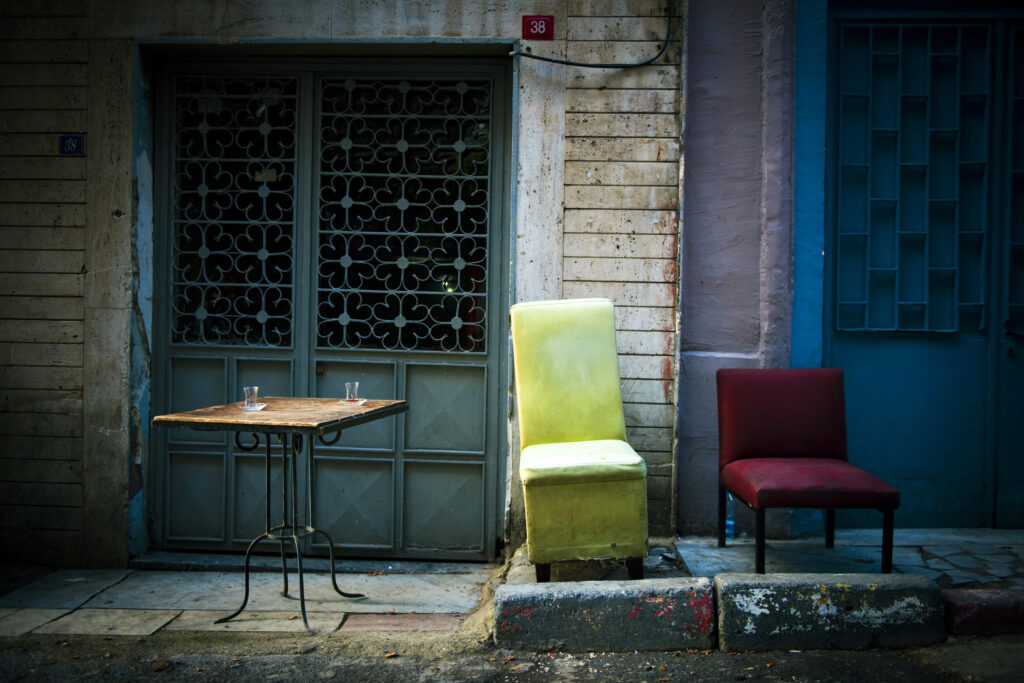
Cheap flat-pack furniture can save you when money is tight, but some pieces age badly. Corners peel. Shelves bow. Drawers stop closing smoothly. The fake wood finish starts bubbling like it has a secret. After a while, particleboard furniture no longer just looks affordable. It looks exhausted.
You do not need to replace every piece at once. Start with the items doing the most visual damage, like the leaning bookcase, the chipped coffee table, or the nightstand with a drawer that fights back. Solid wood, metal, and sturdier secondhand pieces often last longer and look better with age. A grown-up home can still be budget-friendly, but it should not look like every item is one move away from collapse.
Mismatched Dinnerware That Feels Accidental
A mix of plates can look charming when it feels collected on purpose. It becomes a problem when every dish looks like it came from a different roommate, relative, discount bin, or office giveaway. Guests may not care, but you will feel the difference every time you set the table and realize nothing belongs to the same story.
You do not need fine china. A simple matching set of plates, bowls, and glasses can make daily meals feel calmer and more put-together. Even plain white dinnerware can look clean and timeless. Food tastes better when the table does not feel like a lost-and-found shelf.
Plastic Bathroom Accessories from Another Era
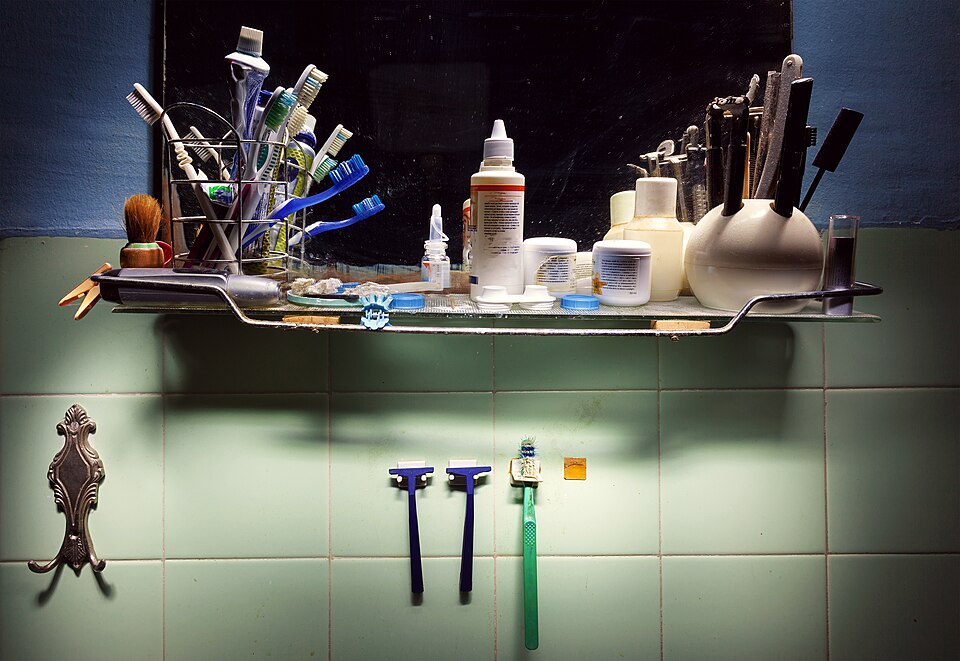
The bathroom is one of the easiest rooms to neglect because people treat it as purely functional. That is how old plastic soap pumps, faded toothbrush holders, cracked shower caddies, and random storage baskets stay in place for years. The problem is that these little pieces can make the whole bathroom feel cheap, even when it is clean.
Swapping them out does not require a renovation. Ceramic, glass, bamboo, metal, or stone-look accessories can make the bathroom feel fresher in minutes. Add a real bathmat, replace the cloudy shower curtain liner, and toss anything stained, cracked, or warped. The bathroom should feel clean before you even start cleaning it.
Bedding That Looks Tired Before You Do

Old bedding can quietly ruin a bedroom. Faded sheets, flattened pillows, mismatched pillowcases, and a comforter that has lost its shape can make the room feel neglected. Since the bed is the visual center of the bedroom, tired bedding makes everything around it look less intentional.
A better bedding setup does not need to look like a hotel suite. You just need sheets that feel good, pillows that still support your head, and a comforter or duvet that makes the bed look finished. Choose colors and textures that calm the room instead of fighting with everything else. A bedroom should help you exhale, not remind you that laundry day won again.
Temporary Curtains That Became Permanent
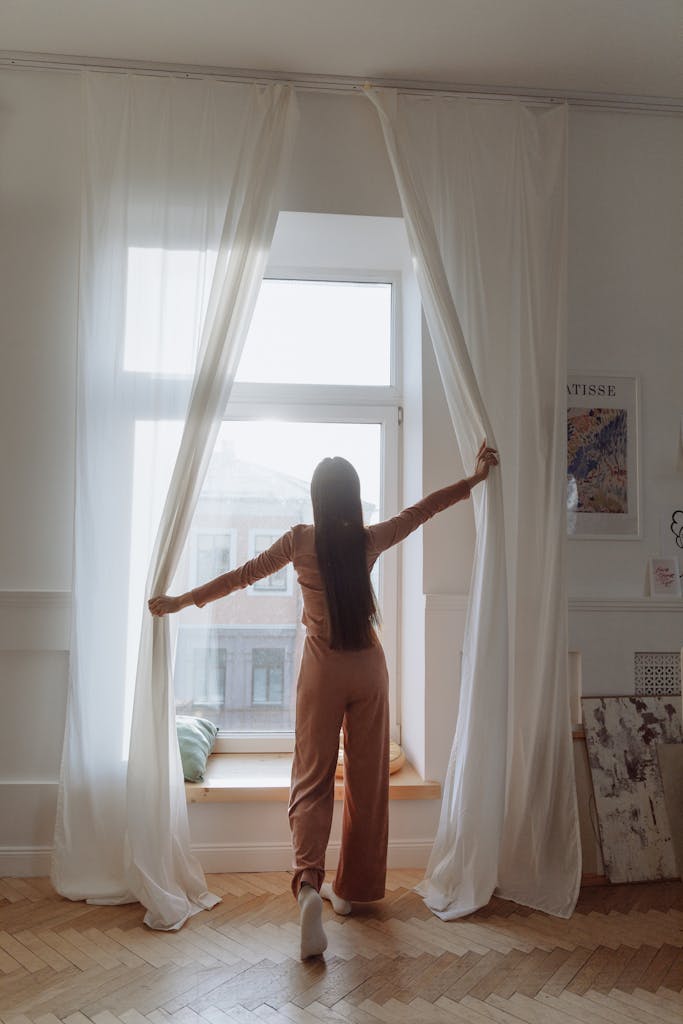
Temporary window treatments have a sneaky way of staying for years. Paper shades, bent blinds, mismatched panels, or curtains that are too short can make a room look unfinished even when the furniture is decent. Windows frame the light in your home, so bad curtains can make the whole space feel awkward.
The upgrade is not complicated. Hang curtains higher and wider than the window when possible, choose panels that reach the floor, and pick a fabric that works with the room instead of fighting it. Even basic curtains can look elegant when they fit properly. Bad window treatments make a home look rushed. Good ones make it look cared for.
Random Storage Bins That Create More Visual Clutter
Storage bins are supposed to solve clutter, but the wrong ones just move the mess into plastic boxes. Clear bins, mismatched baskets, overstuffed cubes, and containers stacked in visible corners can make a room feel like a storage unit. It is an organization in theory, but chaos in practice.
After 30, storage should work harder and look better. Use closed cabinets, woven baskets, labeled boxes, under-bed storage, or furniture with hidden compartments. More importantly, stop storing things you do not use. A bin full of forgotten clutter is not organization. It is procrastination with a lid.
Worn-Out Upholstery You Keep Defending
Old upholstered furniture can carry memories, but it can also carry stains, smells, sagging cushions, and fabric that makes the whole room look tired. People often keep these pieces because replacing furniture feels expensive. That makes sense, but there is a difference between vintage charm and a chair that looks like it has survived three emotional eras.
Sometimes a deep clean is enough. Sometimes a slipcover helps. Sometimes the honest answer is to let the piece go. Your home should not be held hostage by furniture you keep explaining to visitors. If a sofa, chair, or bench makes the room feel worse every time you look at it, it may have served its purpose already.
Conclusion
A home after 30 does not need to look rich. It needs to look like someone lives there on purpose. That means fewer temporary fixes, fewer accidental leftovers, and fewer pieces that only stayed because replacing them felt like a hassle.
The best upgrades are not always dramatic. A frame, a proper bed, better curtains, matching dishes, cleaner storage, and fresher bedding can change a home’s mood fast. Getting older does not mean losing personality. It means giving your personality a better place to live.