Across grocery aisles from coast to coast, shoppers are noticing a painful shift. Staples that once filled the shopping basket without thought are now being carefully weighed against a tightening budget. From meats to produce, everyday essentials are rising in price faster than wage growth, forcing families to rethink what ends up on their plates. This is more than a minor inconvenience; it reflects global supply shocks, weather disruptions, and changing trade patterns. In this article, we take a deep dive into 21 food items that have surged in price, altering consumption habits nationwide.
The effects are visible not only in individual households but in broader food trends. Sales data shows consumers opting for cheaper alternatives, smaller quantities, or skipping some items entirely. These decisions ripple across the food economy, influencing how supermarkets stock shelves and how producers plan their crops and shipments. For anyone navigating today’s grocery landscape, understanding which foods have become unaffordable is critical for budgeting, meal planning, and adapting to an inflationary environment.
Ground Beef

Ground beef has long been the backbone of budget-friendly dinners, but escalating costs have shifted its place in the American kitchen. Prices rose sharply in 2025 due to droughts affecting cattle feed, higher labor costs at processing plants, and increased demand from international markets. Many households have started substituting plant-based alternatives, turkey, or cheaper cuts like chuck roast.
The implications are clear: a staple protein once relied upon for affordability and versatility is now considered discretionary. Families are limiting ground beef meals to once or twice per week, impacting not only dinner choices but also frozen food sales, as pre-packaged meals containing beef become less attractive. In some regions, retailers report up to a 25% decline in weekly ground beef purchases, illustrating the direct effect of rising prices on consumption.
Avocados
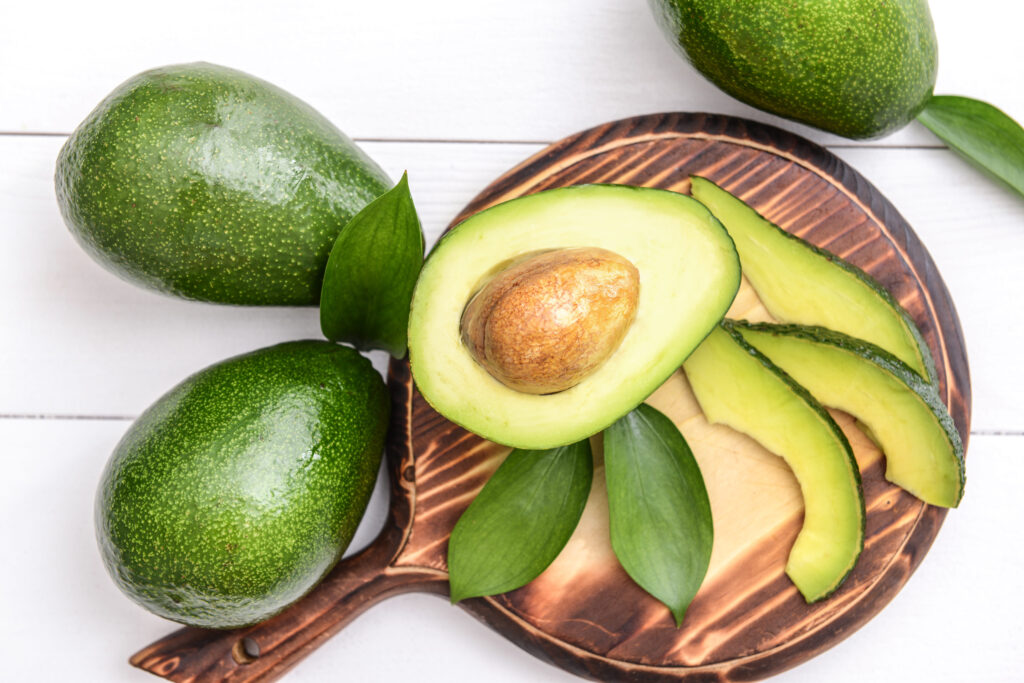
Avocados, once an affordable symbol of health-conscious eating, have become a pricey indulgence. Supply disruptions caused by extreme weather, crop diseases, and strong international demand have driven prices to levels at which consumers often skip weekly avocado toast or guacamole parties. Peak-season costs can surpass $2.50 per fruit in major U.S. cities.
This price jump has dramatically shifted eating patterns. Supermarkets report lower avocado turnover, while some consumers are choosing alternatives such as hummus or peanut butter for breakfast. The ripple effect is even seen in restaurants, where menu prices for avocado dishes have increased 15–20%, further reducing consumption in dining-out scenarios.
Salmon
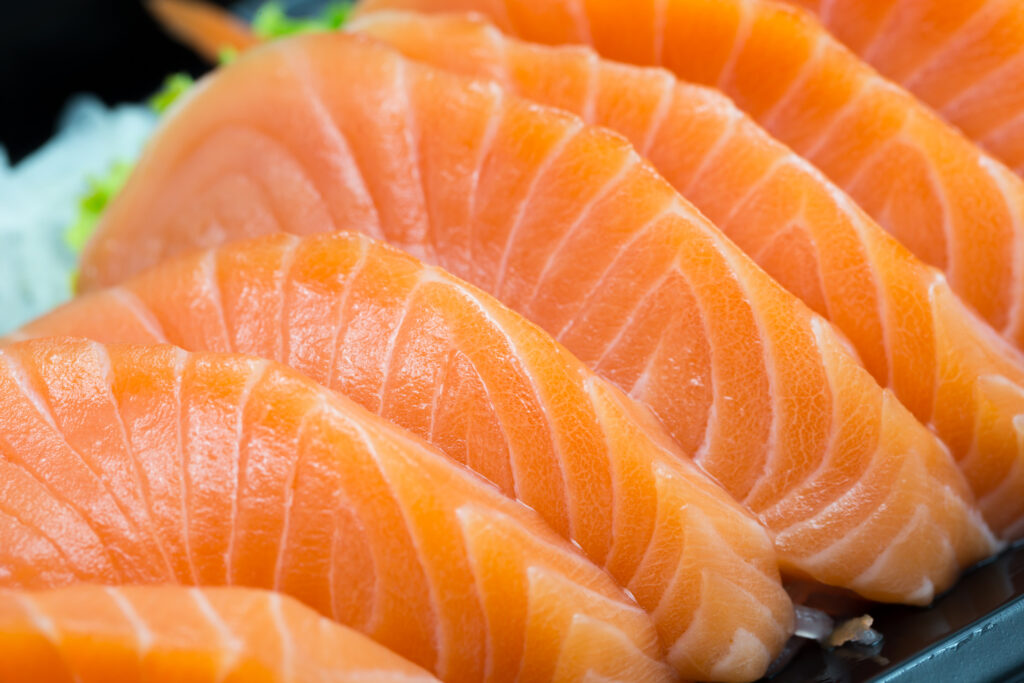
Fresh salmon has experienced price surges due to supply shortages, increased aquaculture costs, and skyrocketing shipping fees. Many households are now substituting canned tuna, frozen cod, or tilapia, while premium salmon is treated as an occasional treat rather than a weekly staple.
The consequences extend beyond consumer choices. Seafood retailers note a 30% reduction in weekly fresh salmon sales, while farmed salmon operations are under pressure to balance rising feed costs against market demand. In addition, wild-caught salmon faces environmental restrictions, further limiting supply and driving up retail prices.
Olive Oil

Extra virgin olive oil, a cornerstone of health-conscious cooking, has seen dramatic price spikes. Poor harvests in Mediterranean countries, combined with rising import tariffs and shipping costs, have forced shoppers to downgrade to generic oils or blends. For many families, using olive oil daily is now a carefully considered choice.
The impact is broad: premium olive oil sales have fallen by over 15% in some markets, while budget blends see increased turnover. Restaurants and home cooks are increasingly experimenting with canola or sunflower oil, subtly shifting flavor profiles and nutritional content in everyday meals.
Almonds

Almonds, long touted as a protein-rich snack, have become a high-priced alternative to other nuts and seeds. Water scarcity in major producing regions, higher labor costs, and processing expenses have driven prices upward. Shoppers are increasingly substituting peanuts or sunflower seeds to maintain affordability.
Retail data highlights a 10–20% drop in premium almond purchases. The trend is particularly visible in plant-based products, with almond milk sales declining slightly as consumers turn to oat or soy alternatives. The change reflects how environmental and economic pressures converge to alter both purchasing behavior and product formulations in the marketplace.
Coffee

The beloved daily cup of coffee has become significantly more expensive due to climate events in Brazil and labor shortages in key growing regions. Freight costs and energy expenses in roasting and distribution further compound the problem. Home coffee drinkers are shifting toward instant or generic brands to cope with rising costs.
This trend affects both the retail and café markets. Coffee shops may increase pricing on popular drinks by up to 15%, while supermarkets see rising sales in value-brand coffee products. Even small changes in per-cup costs influence purchasing patterns, underscoring consumers’ sensitivity to staple beverages in a high-inflation environment.
Butter
Butter prices have climbed as dairy producers redirect milk toward higher-margin products like cheese and yogurt. Coupled with rising feed and labor costs, butter has transitioned from a pantry staple to an occasional luxury. Many families now substitute margarine or plant-based spreads, affecting overall dairy sales patterns.
Consumer behavior shows a clear shift: premium butter sales decline while generic spreads see consistent demand. The substitution trend extends to baked goods, where home bakers balance recipe authenticity against cost, sometimes reducing butter usage or exploring alternative fats.
Eggs

Egg prices have been highly volatile, driven by avian flu outbreaks and feed price increases. Weekly egg consumption is declining in some regions as households reduce purchase frequency or buy smaller cartons to manage budgets.
Supermarkets report a 10–15% drop in standard dozen sales, while premium free-range or organic eggs see even greater price sensitivity. This trend affects both home cooking and restaurant usage, as chefs increasingly substitute egg alternatives in recipes to maintain cost efficiency.
Shrimp

Sustainably sourced shrimp prices have surged due to tariffs, shipping expenses, and labor costs. Many consumers now limit shrimp consumption to special occasions or substitute it for more affordable seafood, such as tilapia or frozen pollock.
The impact extends to supply chains. Shrimp exporters face slower turnover, and local grocery stores report reduced fresh shrimp shelf space. This scenario reflects the delicate balance between premium product availability and consumer willingness to pay elevated prices.
Rice

Even globally essential grains like rice have experienced price pressure. Export restrictions from major producing nations, combined with fertilizer shortages and rising shipping costs, have driven up retail prices. Consumers are responding by buying smaller packs, alternative grains, or bulk rice to reduce per-unit costs.
Rice purchasing patterns reflect economic stress at both the household and national levels. Price-sensitive consumers are seeking substitutes such as pasta and legumes, reshaping consumption patterns and altering demand forecasts for major rice producers.
Tomatoes
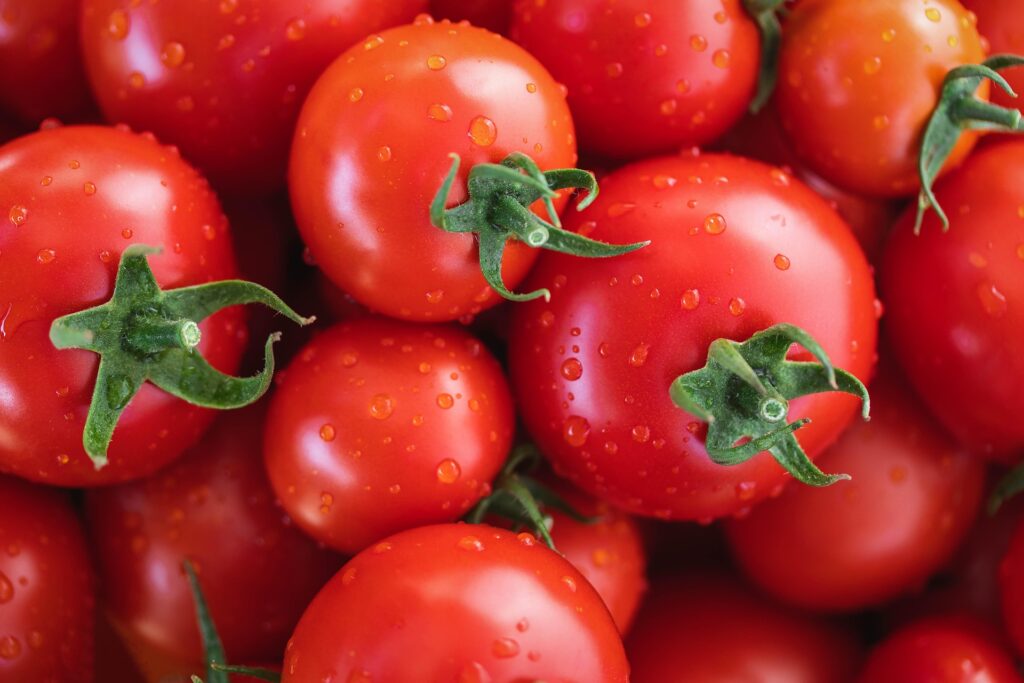
Fresh and canned tomato prices are rising due to weather challenges, labor shortages, and transportation expenses. These price pressures force consumers to reduce purchase frequency or choose frozen options instead.
Retailers note that sales of tomato-based products are declining slightly, particularly of premium fresh varieties. The trend underscores how even common produce items become sensitive to cost inflation and supply chain volatility.
Cheese

Hubertl, CC BY-SA 4.0, via Wikimedia Commons
Cheese prices have risen alongside milk costs, import tariffs on specialty cheeses, and production expenses. Some consumers are trading down to blended or processed cheese varieties to maintain affordability.
Data shows a marked decline in weekly consumption of premium cheeses, while supermarket private-label products see steady sales. The shift impacts not only home cooking but also restaurants and food service providers reliant on cost-stable dairy products.
Bread
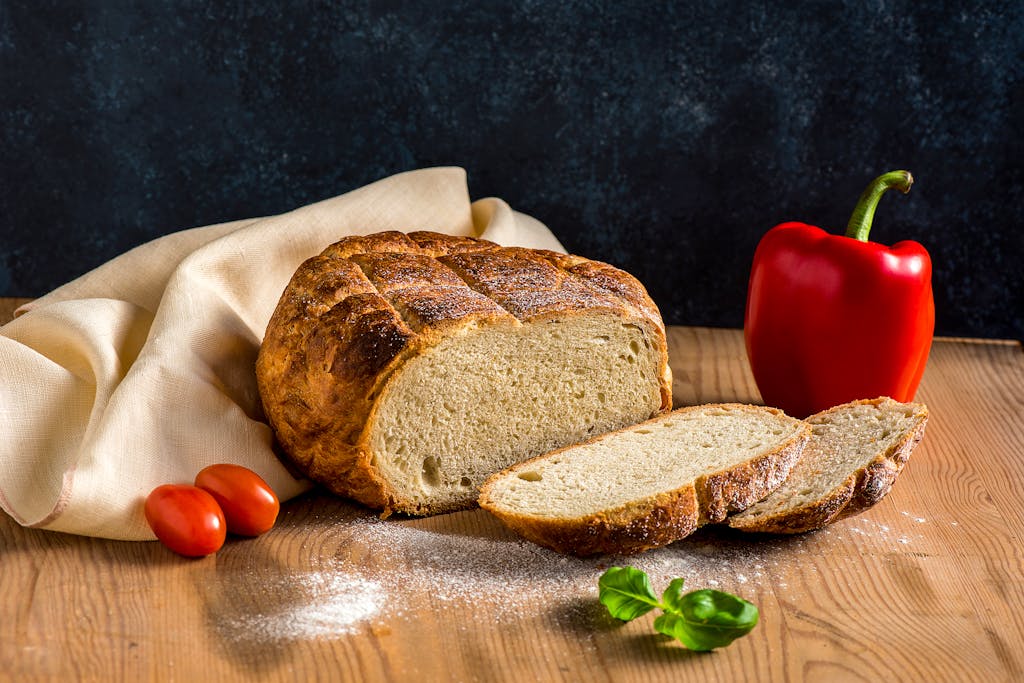
Bread, especially artisanal varieties, is seeing price growth due to wheat commodity inflation, rising energy costs for baking, and higher packaging expenses. Consumers increasingly opt for generic loaves, purchasing smaller quantities or delaying bakery purchases.
Supermarket sales figures indicate an uptick in budget bread purchases, suggesting shoppers are adapting their strategies. This trend exemplifies how even ubiquitous items like bread are affected by macroeconomic pressures.
Bananas

Bananas have become more expensive due to high transportation costs, disease pressures on plantations, and currency fluctuations in exporting countries. While still relatively affordable, consumers increasingly view bananas as a treat rather than an everyday fruit.
Retailers report a rise in sales for smaller or discount packs, while premium organic bananas see reduced turnover. The scenario reflects how global supply dynamics can directly impact local consumption patterns.
Pasta
Pasta prices have increased alongside wheat price inflation and processing and distribution costs. Many consumers now opt for smaller packages, less frequent purchases, or alternative grains like rice and couscous to maintain budget adherence.
This shift is particularly notable in lower-income households, where price sensitivity is highest. Some brands have adapted by offering multi-packs or promotions to retain sales volume despite elevated costs.
Conclusion: A Shift in What We Buy
Inflation has turned everyday foods into calculated purchases. Staples like ground beef, chicken breast, and even avocados now carry a premium, prompting consumers to rethink weekly shopping habits. The ripple effect influences the entire food industry, from production to retail. Understanding which items have become unaffordable and why allows households to plan effectively, maintain balanced diets, and adapt to the realities of a more expensive grocery landscape.
Consumers are learning to adjust creatively: smaller quantities, alternative proteins, and budget brands are becoming standard solutions in the fight against rising food costs. This shift may reshape American grocery culture for years to come, signaling that adaptability is as essential as affordability when feeding a family today.