Raspberries look too pretty to be taken seriously. They sit on yogurt, hide inside smoothies, and show up on desserts like a decorative afterthought. Yet these tiny red berries carry a surprising amount of nutritional weight, and ignoring them may mean missing one of the easiest upgrades to your daily diet. They are sweet, tart, low in calories, and loaded with fiber, vitamin C, plant compounds, and minerals that support the body in quiet but meaningful ways.
The trouble is that many people treat raspberries as a luxury fruit rather than a practical health food. They wait for a fancy brunch, a smoothie bowl, or a summer picnic before buying them. That means the body misses out on a simple source of nutrients that can support digestion, immunity, blood sugar balance, skin health, and long-term wellness. Here are five health benefits of raspberries that prove this tiny fruit deserves a permanent spot in your kitchen.
You Miss a Big Fiber Boost for Better Digestion

One of the biggest health benefits of raspberries is their impressive fiber content. A cup of raspberries contains around 8 grams of fiber, which is a strong amount for such a small serving. That fiber helps keep digestion moving, supports regular bowel movements, and helps you feel fuller after eating. If your diet is heavy on refined snacks, sugary drinks, and low-fiber meals, skipping raspberries removes an easy way to help your gut return to balance.
Fiber also supports the healthy bacteria living in your digestive system. These bacteria help break down food, support immune health, and influence how comfortable your stomach feels after meals. Raspberries contain both soluble and insoluble fiber, which means they can help soften digestion and add bulk. That makes them useful in breakfast bowls, oatmeal, smoothies, or even as a simple snack when your body needs something light but satisfying.
You Lose a Simple Source of Immune-Supporting Vitamin C

Many people think of oranges first when they hear the word vitamin C, but raspberries deserve a place in that conversation, too. A serving of raspberries gives your body a helpful dose of vitamin C, a nutrient linked to immune defense, tissue repair, and antioxidant protection. Your body does not store vitamin C in large amounts, so you need a steady intake from foods. Ignoring raspberries means missing a tasty way to support that daily need.
Vitamin C helps the body maintain healthy skin, blood vessels, cartilage, and connective tissue. It also supports the body’s natural defense system by helping protect cells from oxidative stress. Raspberries will not magically stop sickness, but they can contribute to a stronger overall eating pattern. Add them to Greek yogurt, blend them into a smoothie, or pair them with nuts for a snack that feels sweet without leaning on candy or pastries.
You Miss Antioxidants That Help Fight Daily Cell Stress

Your body faces daily stress from pollution, poor sleep, processed foods, alcohol, UV exposure, and normal metabolism. Raspberries contain antioxidants, including anthocyanins and ellagic acid, which help fight oxidative stress in the body. These compounds give raspberries some of their deep red color and make them more than just a pretty fruit. When you skip antioxidant-rich foods often, your meals may lose some of the protective plant power your body needs.
Antioxidants help protect cells from damage caused by unstable molecules called free radicals. Over time, oxidative stress can contribute to aging and chronic health problems. Raspberries are not a cure for disease, but they belong in a diet that supports long-term wellness. Their natural tartness also makes them a smart swap for sugary toppings, since you get flavor, color, and useful nutrients in one bite.
You Give Up a Blood-Sugar-Friendly Sweet Snack
Raspberries taste sweet, but they are lower in sugar than many other fruits. That makes them a smart option for people who want something naturally sweet without a heavy sugar hit. Their fiber slows digestion, which can help reduce sharp blood sugar swings after eating. This is one reason raspberries work well in meals that need sweetness without turning into dessert.
They are especially useful when paired with protein or healthy fat. Think raspberries with plain yogurt, cottage cheese, chia pudding, almonds, or oatmeal. These combinations help create a more balanced snack or breakfast that keeps you fuller for longer. If you often reach for cookies, sweetened cereal, or flavored yogurt, raspberries can give you that bright, sweet taste with more nutritional value and less regret.
You Miss Nutrients That Support Skin, Bones, and Healthy Aging
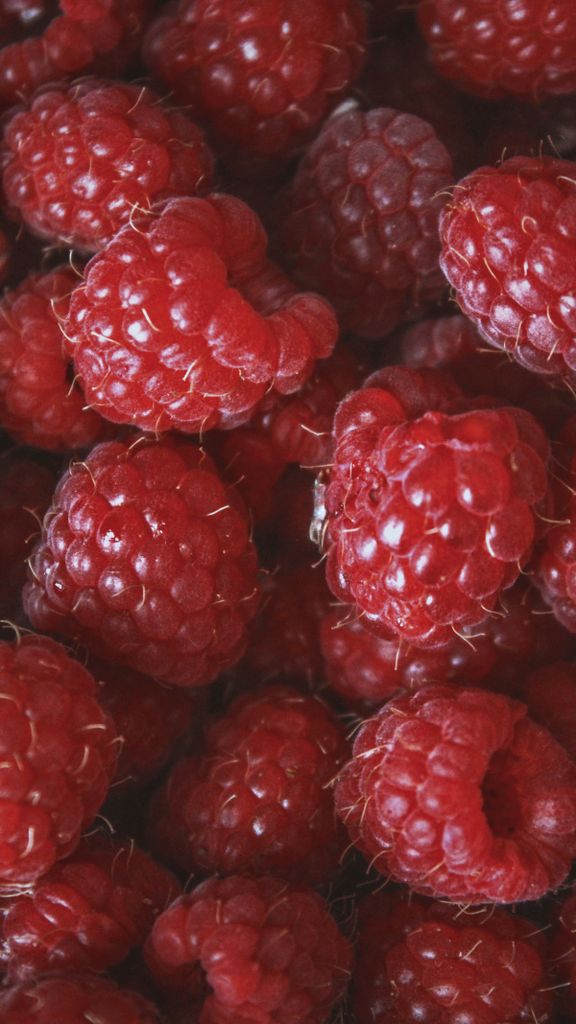
Raspberries also contain small but meaningful amounts of minerals and vitamins that support the body beyond digestion and immunity. They provide manganese, vitamin K, magnesium, and other nutrients that support bone health, metabolism, and normal body function. Their vitamin C content also supports collagen formation, which matters for skin structure and repair. That makes raspberries a beauty-friendly food without the expensive serum price tag.
Healthy aging depends on consistent habits, not on a single miracle food. Still, raspberries fit beautifully into that bigger picture because they offer fiber, antioxidants, hydration, and micronutrients in a low-calorie package. Frozen raspberries count, too, which makes them easier to use year-round. Toss them into smoothies, warm them into oatmeal, stir them into yogurt, or use them as a topping for whole-grain pancakes.
Conclusion
Raspberries may look delicate, but they offer serious nutritional value. They support digestion, help add fiber, provide vitamin C, offer antioxidants, and give you a naturally sweet option that works in many meals. Ignoring them does not ruin your diet, but it does mean missing one of the easiest fruits to use for better everyday nutrition.
The best part is that raspberries do not need complicated preparation. Fresh or frozen, they can slide into breakfast, snacks, desserts, and smoothies without much effort. For a fruit so small, they make a surprisingly strong case for becoming a regular part of your healthy eating routine.