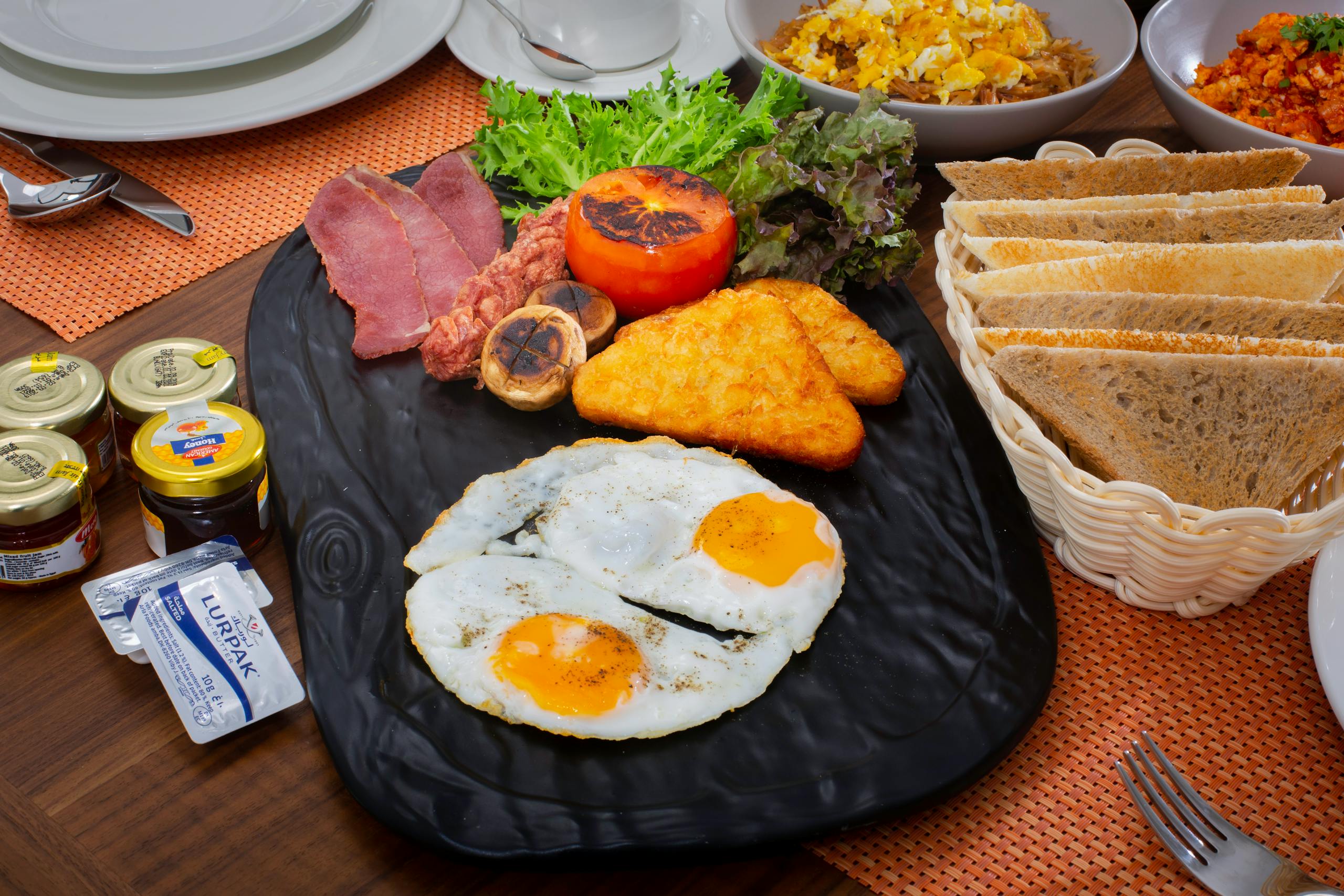
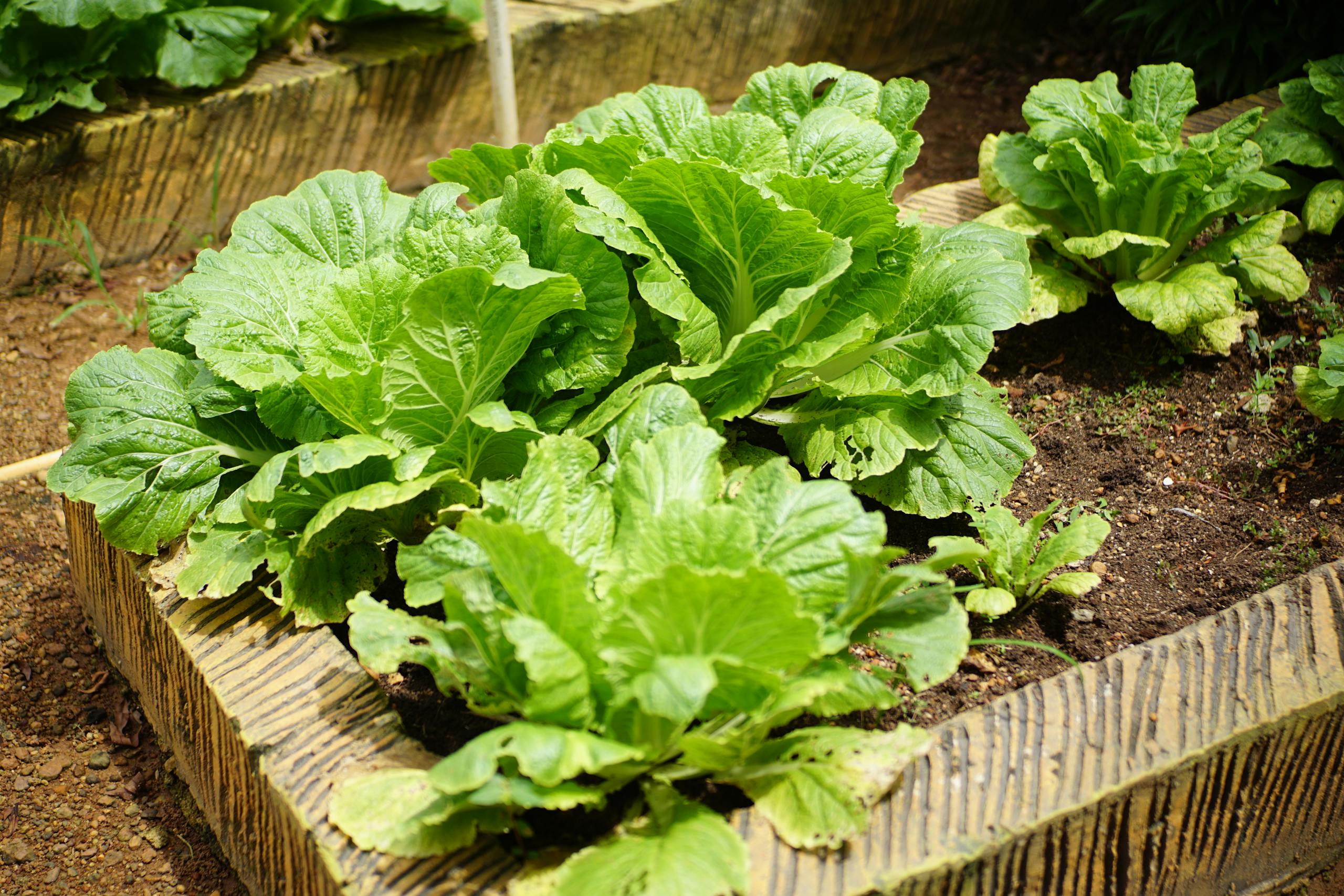
When autumn rolls in and cooler weather settles around your kitchen, every aisle seems inundated with pumpkin‑spiced products, cinnamon‑dusted sweets, and apple‑everything. It’s easy to fall into the same seasonal habits every year with flavor profiles that feel tired by mid‑October. But beneath that orange and spice surface, there’s a bounty of fall foods that rarely make the spotlight despite being seasonal stars in their own right. These under‑appreciated ingredients offer deep, comforting flavors, versatile uses, and a fresh twist on familiar fall meals.
Below, we expand on six underrated fall foods you should be adding to your meal planning this season.
Parsnips

Parsnips might look like oversized pale carrots, but they bring richer, more nuanced sweetness to dishes that few people take advantage of. Their flavor deepens beautifully with roasting, caramelizing the inherent sugars until the edges turn golden and crisp. The texture becomes creamy when pureed, making them a fantastic base for soups or a stand‑in for mashed potatoes, adding a twist to traditional Thanksgiving sides.
They’re rich in fiber and essential nutrients, and because their flavor is earthy yet subtly sweet, they pair beautifully with herbs like rosemary and thyme, or with contrasting flavors like tangy mustard and a balsamic drizzle. Roast them with carrots and beets for an autumn vegetable medley, or dice them into stews and braised dishes where they’ll soak up rich broths without losing their structure.
Fennel
Fennel has a reputation for tasting like licorice, but when cooked, that sharp note softens into a subtle sweetness that enhances a wide range of dishes. It’s a textural ingredient too, providing satisfying crunch when raw and silky tenderness when roasted or braised.
Don’t overlook fennel in your fall menus. Thinly sliced and added to salads with citrus segments and pomegranate seeds, it becomes refreshingly crisp. Sautéed with a bit of olive oil and garlic, it complements white fish or chicken beautifully. And when roasted alongside root vegetables, fennel’s natural sweetness intensifies, making it an unexpected highlight paired with earthy beets and creamy potatoes.
Persimmons
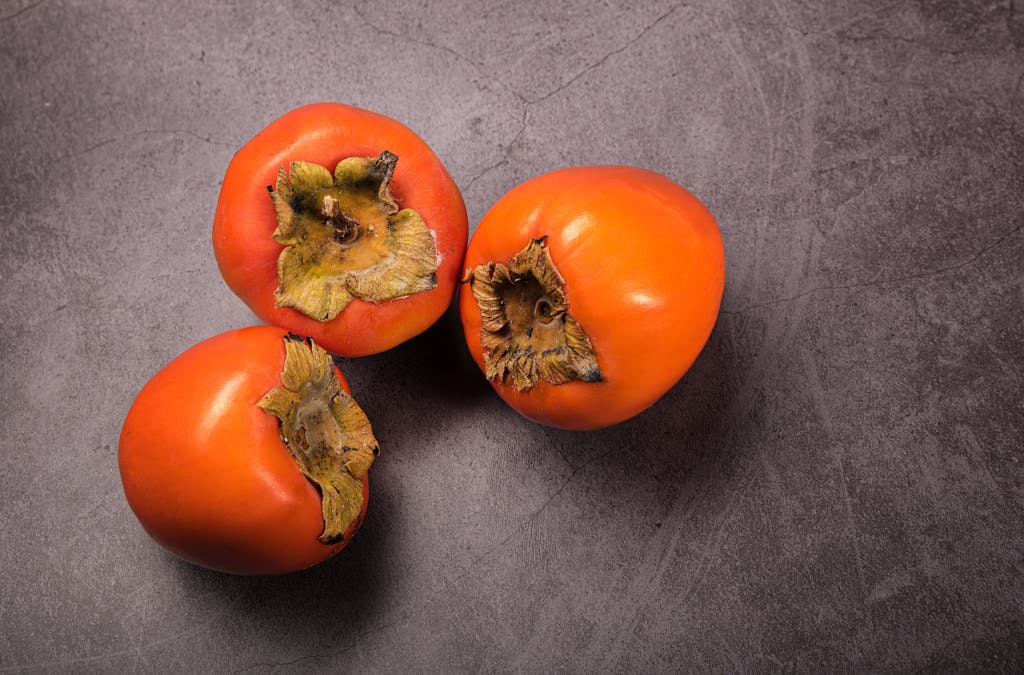
Persimmons are one of fall’s most overlooked fruits, partly because many people aren’t familiar with how to pick and prepare them. When perfectly ripe, their flesh is honey‑sweet and luscious, with hints of apricot and cinnamon. Unlike apples or pears, they offer a jammy texture that adds something special to salads, baked goods, and even savory grain bowls.
Beyond being a pleasant snack sliced on its own, persimmons can be diced and sprinkled over brie or creamy burrata for a seasonal appetizer, folded into oatmeal for a naturally sweet breakfast, or baked into quick breads to add moisture and depth. Their vibrant orange hue also adds visual appeal to any fall plate.
Pomegranates
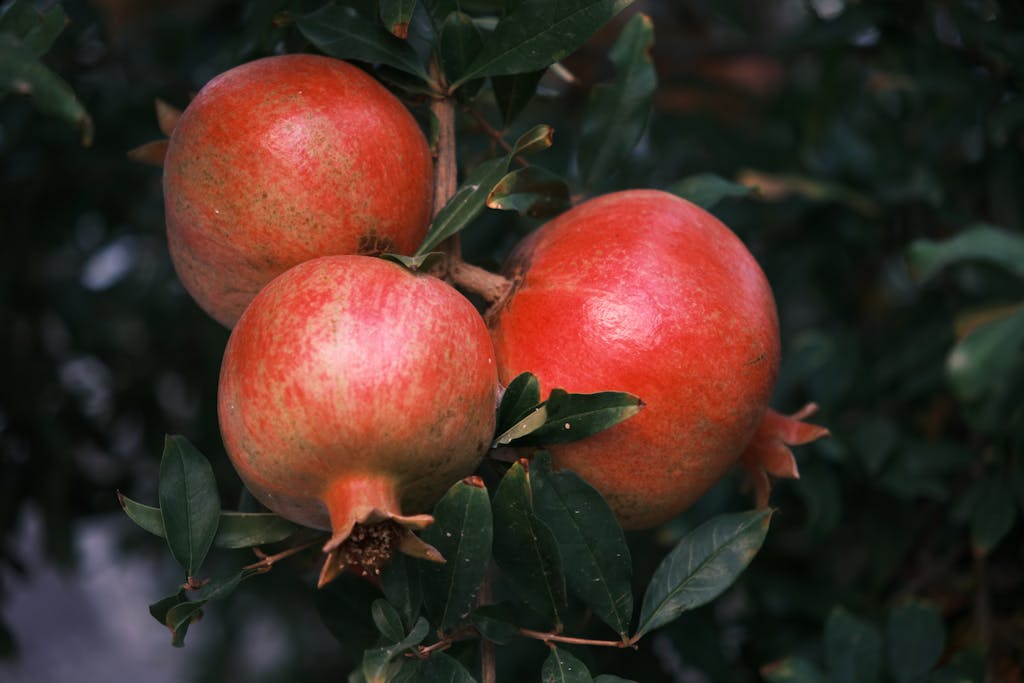
For many people, pomegranates are intimidating: mysterious seeds hidden inside a tough exterior often keep them relegated to holiday cocktails or occasional desserts. But this fruit deserves far more use in everyday fall meals thanks to its burst of tart, juicy flavor and its ability to lift even the simplest dishes.
Once you get the hang of opening a pomegranate, the seeds can be sprinkled on roasted vegetables for contrast, added to grain salads with quinoa or farro for texture, or mixed into yogurt and nut mixes for breakfast. Their tartness cuts through richness in stews and roasted meats, creating balance in hearty autumn spreads. Plus, their ruby color adds gorgeous seasonal flair.
Dates
Often seen only in sweet desserts, dates are a tiny powerhouse of natural sweetness and nutrition that can elevate both sweet and savory fall cooking. Their rich, caramel‑like flavor makes them ideal for baking, where they can replace refined sugar or add depth to breads, muffins, and energy bars.
But don’t limit dates to sweets. Chop them and toss them into grain salads for a chewy contrast, blend them into dressings for a hint of sweetness without sugar, or stuff them with cheeses like goat cheese or bleu for an elegant appetizer. Wrap them in prosciutto for party bites that blend sweet and salty notes. Their versatility makes them one of fall’s most exciting, underrated foods.
Beets
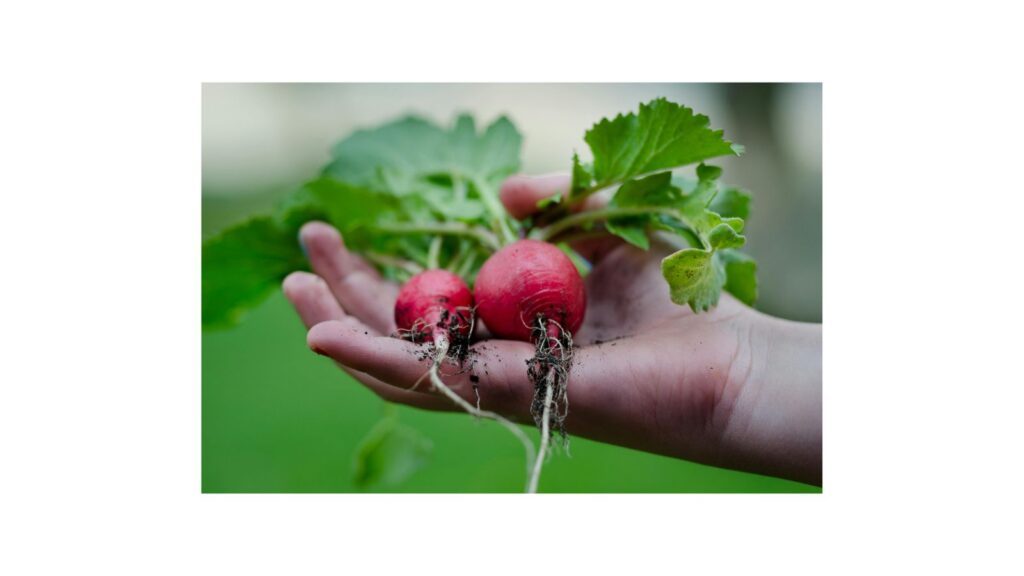
Beets are often pigeonholed as an occasional side dish, but this vibrant root vegetable deserves far more regular use during the fall. Their rich, earthy sweetness intensifies with roasting, bringing out complex flavors that work well in a wide array of preparations. Whether sliced thin for salads, cubed and roasted with olive oil and herbs, or pureed into vibrant soups, beets are both visually stunning and nutritionally dense.
They’re also incredibly versatile: pickle them for tangy additions to grain bowls and sandwiches, roast them in the oven for crispy beet chips, or pair them with creamy goat cheese and walnuts for a sophisticated starter. Their deep red color signals autumn on a plate as few ingredients can.
How to Work These Foods Into Your Fall Cooking
Incorporating underrated fall foods into your autumn cooking doesn’t require upheaving your favorite seasonal recipes. Simple swaps can broaden your palate and bring fresh excitement to your kitchen:
- Upgrade your roasting tray: Swap half your usual potatoes with parsnips and beets tossed in olive oil and herbs.
- Salad with a twist: Add sliced persimmons and pomegranate seeds to spinach or arugula, then top with toasted nuts and vinaigrette.
- Elevated sides: Braise fennel with onions and garlic for a side that feels delicate yet robust.
- Sweet-and-savory fusion: Stuff dates with cheese or mix them into savory grain salads for texture and natural sweetness.
Conclusion
By embracing these underrated autumn ingredients, you’ll enjoy fall flavors that are richer, more surprising, and far more memorable than the same old pumpkin‑spice routine. Whether you’re hosting holiday dinners or cooking weeknight meals, these foods bring seasonal depth and a fresh perspective to cozy fall eating.