A home can smell like lemon cleaner and still look strangely tired. The counters may be wiped, the floors may be swept, and the bathroom may look “mostly fine,” but small cleaning mistakes can quietly undo all that work. That is the annoying part about cleaning: effort does not always equal results.
Professional cleaners know this because they do not just clean harder. They clean in the right order, with the right pressure, and with little tricks that stop grime from coming back five minutes later. Here are seven common cleaning mistakes that can make your home look dirtier than it really is.
Rushing the Vacuum Across the Floor
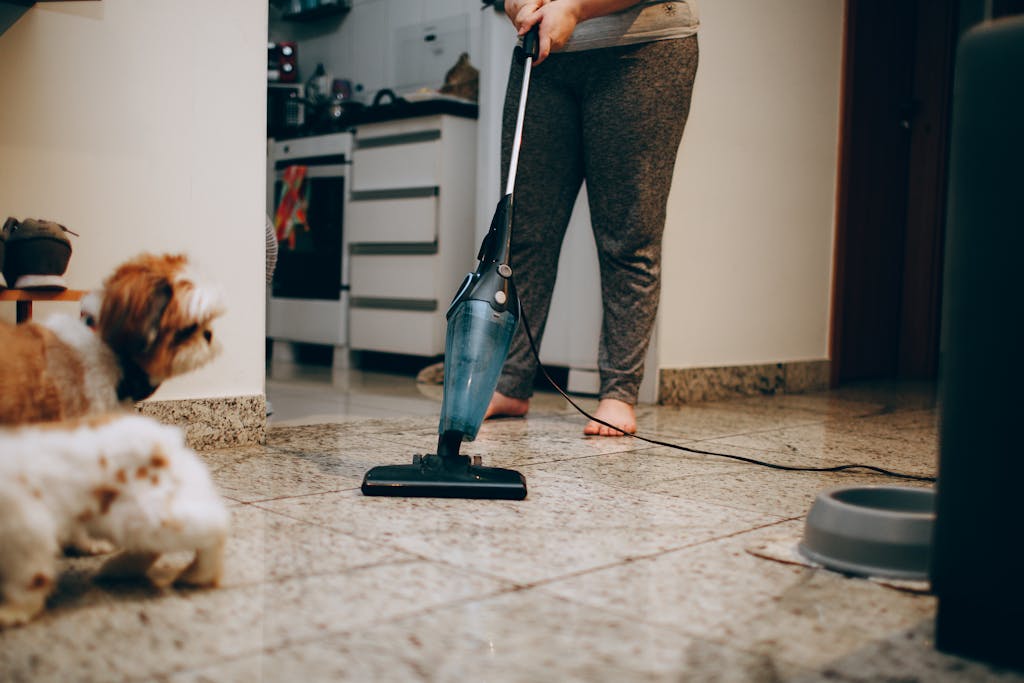
Most people vacuum like they are trying to beat a traffic light. They push the machine back and forth quickly, see lines in the carpet, and assume the job is done. The problem is that dirt, dust, hair, crumbs, and pet fur need time to lift from the fibers.
The slower pullback is where the real cleaning happens. Instead of racing through the room, move the vacuum forward to position it, then pull it back slowly so the suction can do its work. On hard floors, use the right setting or attachment first, because the wrong vacuum mode can blow dust around instead of picking it up. A rushed vacuum job often leaves the room looking clean for ten minutes, then the dust seems to reappear as if it has rent due.
Cleaning From the Bottom Up
This mistake is sneaky because it feels productive. You mop the floor first, wipe the table, then dust the shelves. By the end, dirt from higher surfaces has fallen right back onto the areas you already cleaned.
Always work from top to bottom. Start with ceiling fans, light fixtures, shelves, cabinet tops, and high corners. Then move down to tables, counters, chairs, and finally the floor. This simple order saves time because you do not have to clean the same surface twice. It also gives the room a sharper, fresher finish because dust ends up where it belongs before the final sweep or vacuum.
Letting Stainless Steel Stay Covered in Fingerprints
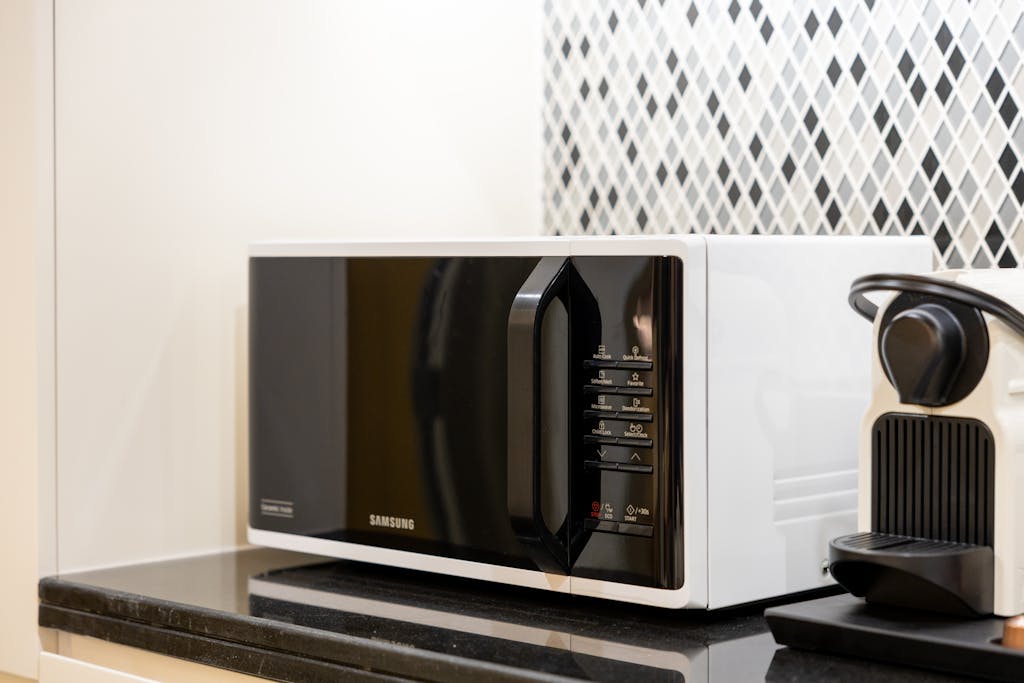
Stainless steel appliances are beautiful until they become a public record of every hand that touched them. Fridges, ovens, dishwashers, and microwaves can look greasy even after being wiped, because streaks and fingerprints cling to the surfaces.
A small amount of oil can help polish stainless steel and make it look cleaner for longer. Use only a tiny drop on a soft cloth or paper towel, then buff in the direction of the grain. Wipe off any excess so the surface does not feel slick. The goal is not to make the appliance oily. The goal is to leave it smooth, shiny, and less likely to show every fingerprint in the house.
Scrubbing Grease Stains Too Late
Grease stains are rude because they do not always look serious at first. A splash of salad dressing, butter, cooking oil, or sauce can seem harmless until it goes through the laundry and comes out looking permanently attached to your shirt.
The trick is to absorb the grease before washing. Rub white chalk over the spot, or use cornstarch or baby powder when chalk is not available. Let it sit for a short while to draw oil from the fabric, then wash as usual. Scrubbing with water alone can spread the stain, especially when the grease has not been absorbed first. Handle it early, and you have a much better chance of saving the item.
Leaving Mineral Buildup on Faucets and Showerheads
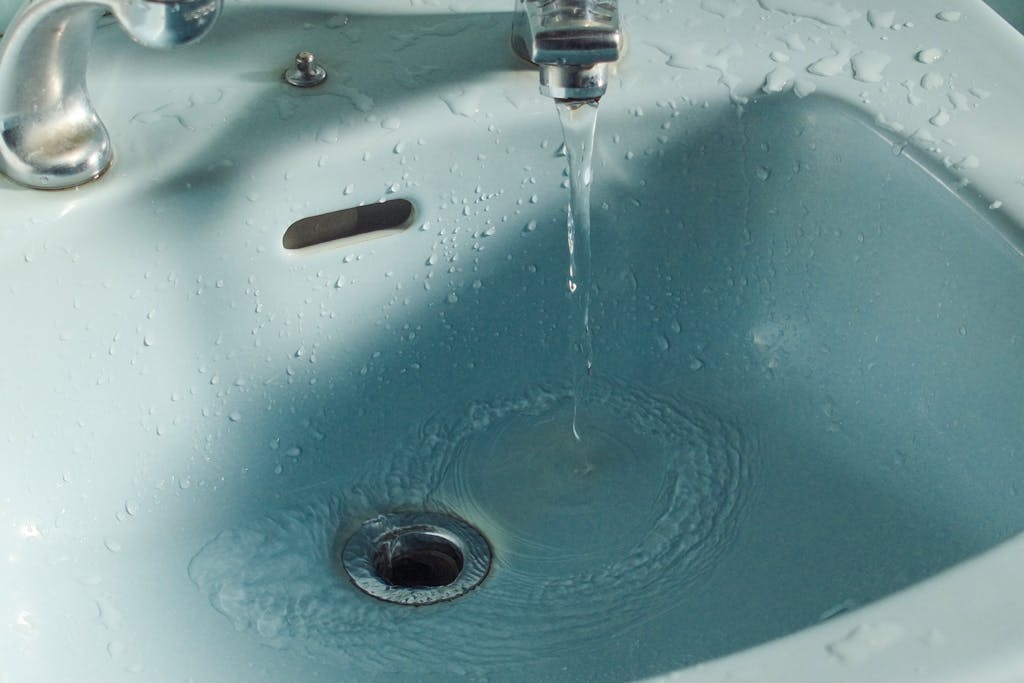
Hard water spots can make a bathroom look neglected, even when it gets cleaned regularly. Faucets, showerheads, and handles develop cloudy buildup that ordinary wiping often fails to remove. The result is a bathroom that looks dull instead of fresh.
White vinegar can help loosen those mineral deposits. Soak a cloth or paper towel in vinegar, wrap it around the faucet or fixture, and let it sit for a while before wiping clean. For showerheads, a small bag filled with vinegar can be tied around the head and left to soak. Afterward, run the water to rinse everything through. This makes the fixtures look brighter and can also help water flow more evenly.
Putting a Wet Toilet Brush Back in Its Holder
This is one of those cleaning habits nobody likes to think about, which is exactly why it becomes a problem. After scrubbing the toilet, many people push the wet brush straight back into the holder. That leaves moisture trapped in a dark little container, which can create bad smells and a generally nasty situation.
Let the brush dry before storing it. After scrubbing, place the handle under the toilet seat so the brush hangs over the bowl and drains for several minutes. Once it stops dripping, return it to the holder. It is a small habit, but it makes the bathroom feel cleaner and less unpleasant. Also, wipe the toilet in a smart order: handle, tank, lid, seat, rim, outside bowl, base, and the area behind it.
Using Too Much Cleaning Product
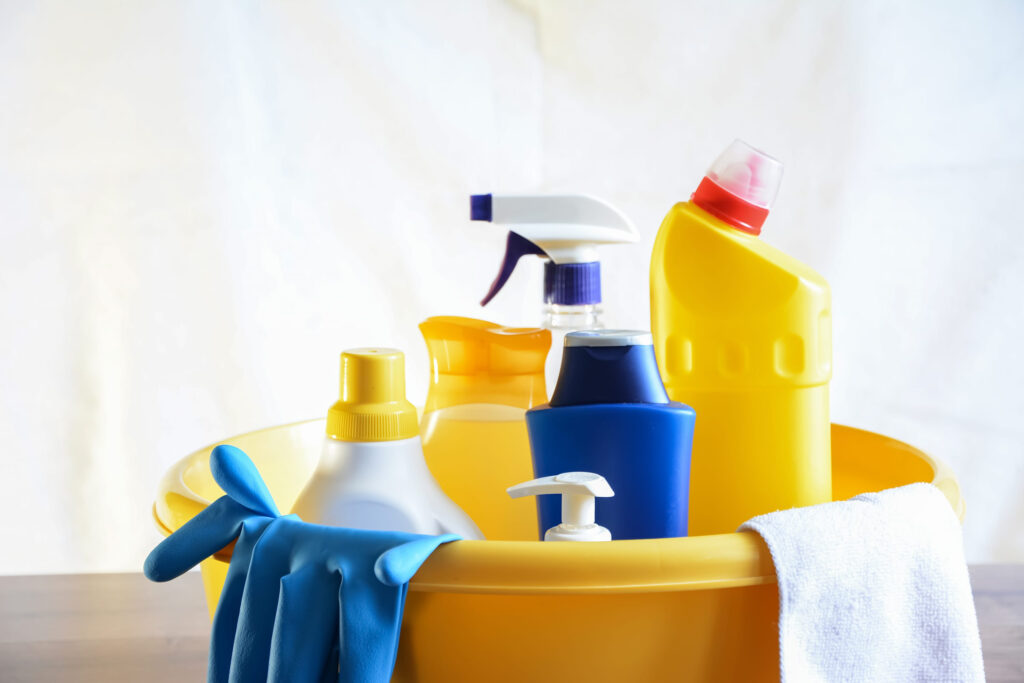
More products do not always mean a cleaner home. In many cases, too much spray, soap, or polish leaves residue behind. That sticky film can attract dust, hold dirt, and make surfaces look cloudy faster than expected.
Use a lighter hand and let the cleaner do its job before wiping. For some surfaces, steam can be useful because it lifts dirt without leaving a sticky residue. Microfiber cloths also help because they grab dust and grime instead of just pushing it around. The best cleaning often feels less dramatic than people expect. It is measured, patient, and controlled.
Conclusion
A dirty-looking home is not always a sign of laziness. Sometimes it is the result of small habits that work against you: vacuuming too fast, cleaning in the wrong order, ignoring mineral buildup, or using too much product. Once those habits change, the same amount of effort can produce a much better result.
The secret is not to turn cleaning into a full-time job. It is to clean with better timing, better order, and a little more patience. That is how professional cleaners make rooms look fresh without making every task feel like a punishment.