Some buildings age like wine. Others age like a public argument that nobody can end. Around the world, certain landmarks have become famous for the wrong reason: locals mock them, tourists photograph them in disbelief, and architects keep debating whether they are misunderstood masterpieces or concrete crimes against eyesight.
The funny thing is that “ugly” architecture often refuses to disappear. A hated building can become a city’s strange mascot, a punchline with a postal address, or even a protected landmark. These nine buildings prove that bad public opinion does not always mean failure. Sometimes, the most disliked buildings become impossible to ignore.
Boston City Hall Looks Like Government Lost Its Sense of Humor
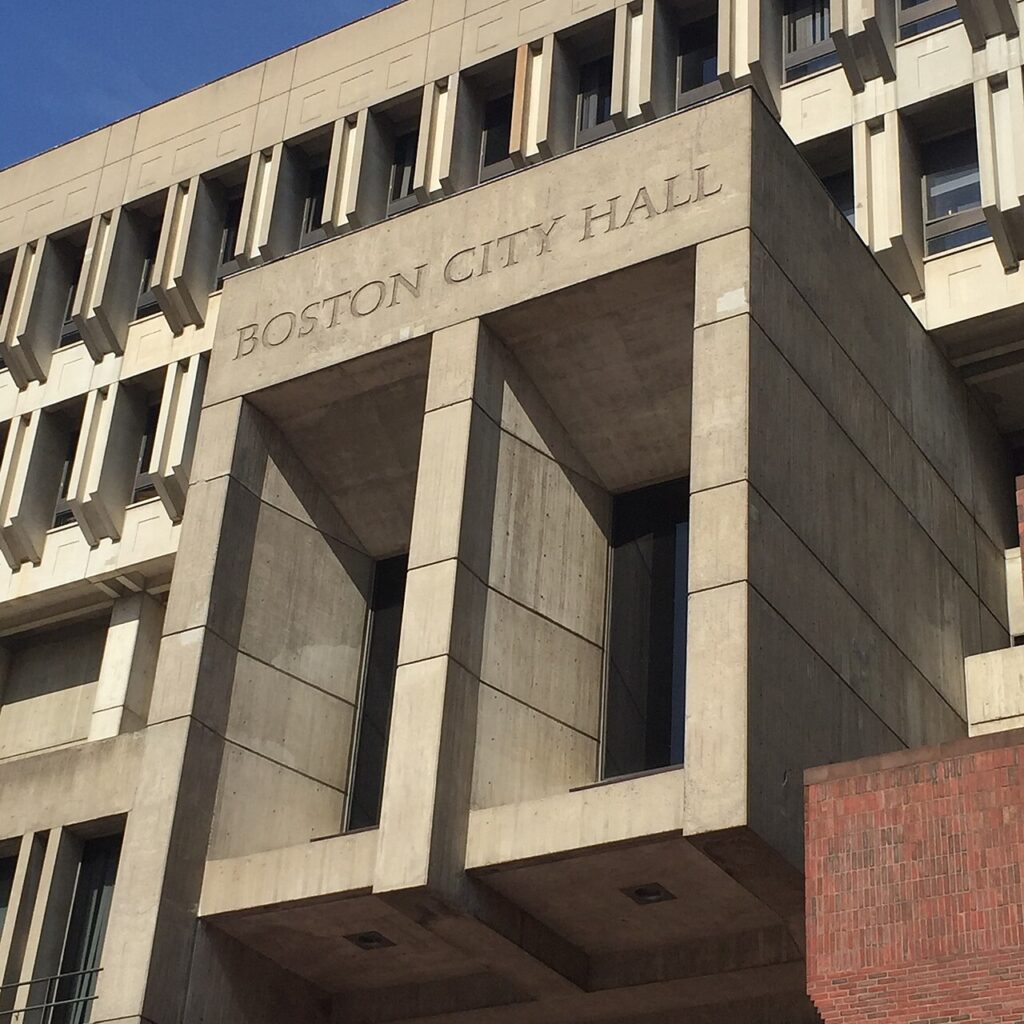
Boston City Hall is one of those buildings people either defend with academic passion or roast with the energy of a sports rivalry. Completed in the late 1960s, it became one of America’s best-known examples of Brutalist architecture, with heavy concrete forms, blocky layers, and a plaza that can feel more like a windswept stage than a civic welcome mat. Business Insider notes that people in Massachusetts were calling for its demolition before the building was even finished.
The strange twist is that Boston City Hall has also earned serious architectural respect. In 2025, Boston’s Landmarks Commission designated it a local landmark, recognizing its architectural, civic, and cultural significance. That does not mean everyone suddenly loves it, but it proves one thing clearly: a building can be hated, protected, studied, and photographed all at once.
Ryugyong Hotel Still Feels Like a Sci-Fi Warning Sign
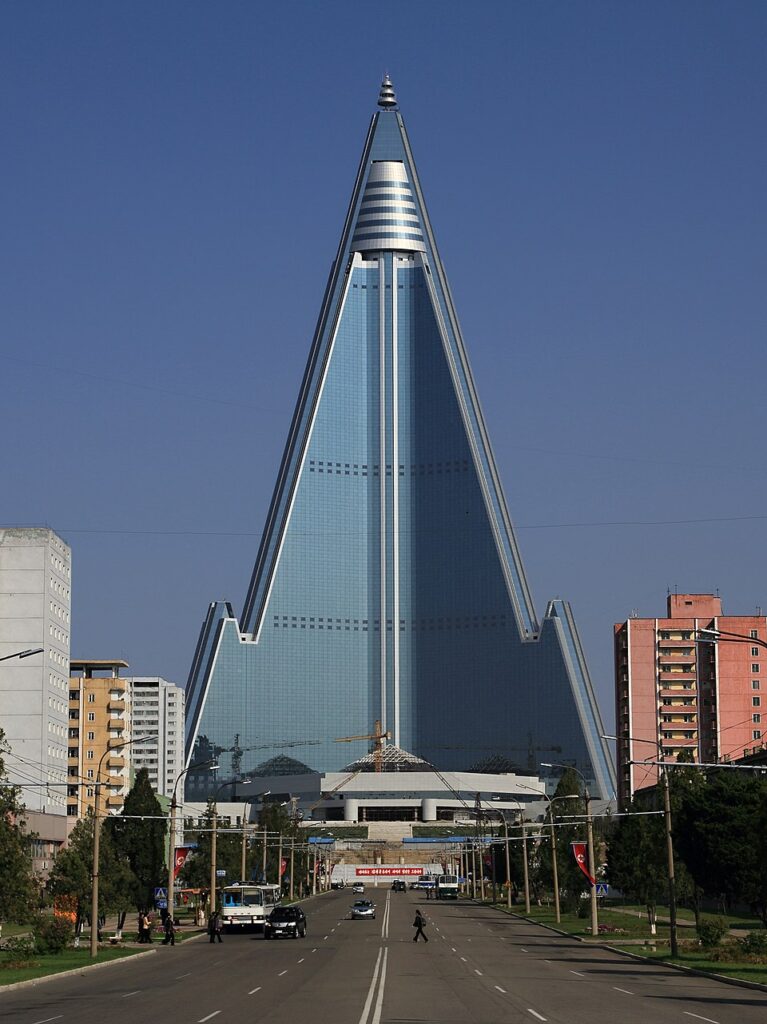
North Korea’s Ryugyong Hotel looks less like a hotel and more like a giant pyramid designed by someone with a grudge against softness. Construction began in 1987, and the project was once planned as a towering symbol of ambition, with thousands of rooms and grand hospitality dreams. Decades later, the building remains famous for what it has not done: welcome ordinary hotel guests.
Its nickname, the “Hotel of Doom,” stuck because the structure feels dramatic even before you know the backstory. The sharp triangular shape dominates Pyongyang’s skyline, but its long delays turned it into a global symbol of unfinished ambition. Guinness once described it as the world’s tallest unoccupied building, and Business Insider notes that critics have called it one of the worst-designed and ugliest hotels in the world.
The J. Edgar Hoover Building Makes Washington Feel Colder
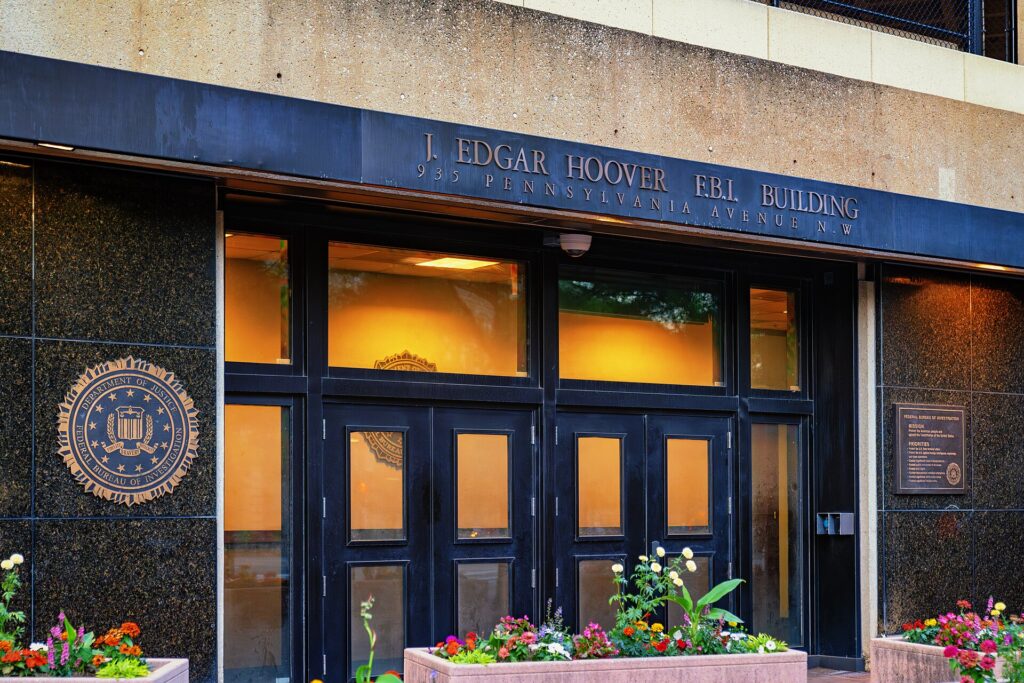
Washington, DC, knows how to do grandeur. Marble columns, ceremonial steps, and classical government buildings shape much of the city’s visual identity. Then there is the J. Edgar Hoover Building, the FBI headquarters, which looms like a concrete scowl in the middle of the capital.
Its heavy Brutalist style makes it look defensive before anyone even reaches the door. Business Insider cites criticism describing the building as cold, unwelcoming, and nearly dystopian, and Build world’s survey ranked it as America’s ugliest building. The FBI itself notes that the building contrasts sharply with Washington’s more traditional marble, granite, and limestone government architecture.
New York’s Verizon Building Ruins the Postcard View
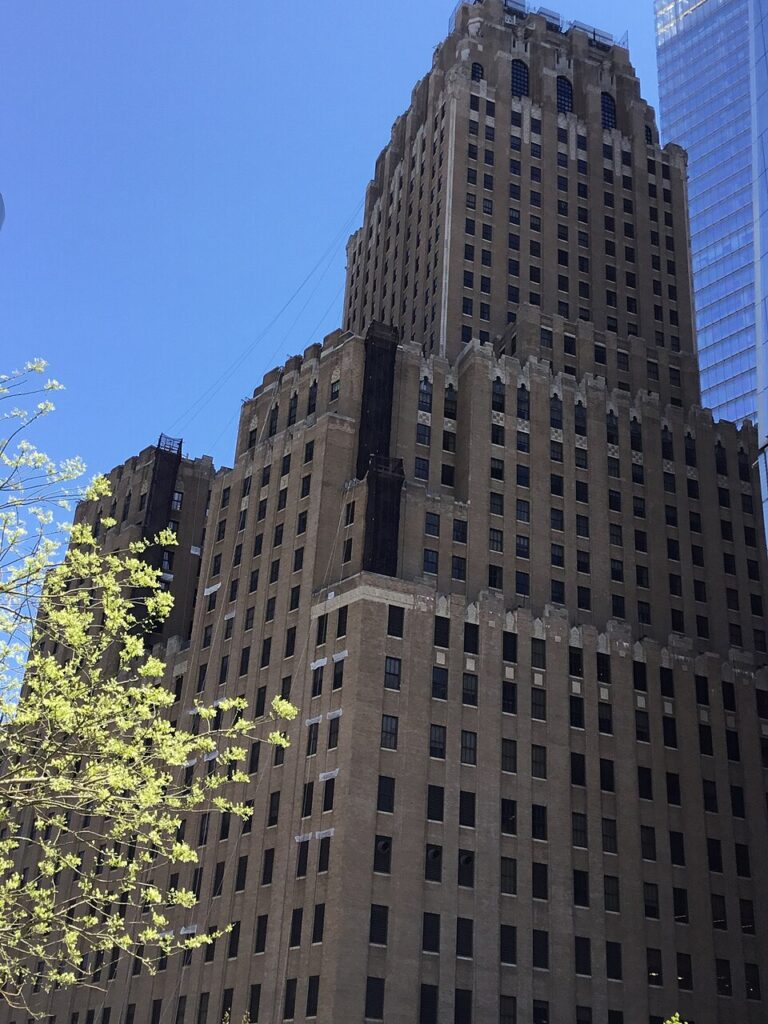
New York City has plenty of odd buildings, but the Verizon Building on Pearl Street stands out for where it sits. It is not merely plain. It stands near some of the city’s most beloved skyline views, including the Brooklyn Bridge area, which makes its bulky presence feel even more intrusive.
Built in the 1970s, the building has long been mocked for clashing with its surroundings. Business Insider points to criticism from architecture writer Paul Goldberger, who called it one of New York’s most disturbing structures in 1975. That is the real problem with this building: it might have been easier to ignore somewhere else, but in one of the world’s most photographed cities, ugly does not get to hide.
Balfron Tower Is Ugly Enough to Complain About and Expensive Enough to Sell

London’s Balfron Tower proves that a building can be called ugly and still become financially desirable. The Brutalist residential tower has long been criticized for its rough concrete exterior, which gives it a hard, fortress-like presence in East London. Yet renovated apartments inside the tower have reportedly reached luxury price levels, with Business Insider noting listings around £800,000, close to $1 million.
That contrast makes Balfron Tower especially fascinating. From the outside, it can look severe and unforgiving. From the inside, it has been sold with modern finishes, amenities, and a new kind of design prestige. It is a perfect example of how architecture can shift from public housing controversy to luxury branding without ever becoming conventionally pretty.
Žižkov Television Tower Looks Like Prague Grew an Antenna
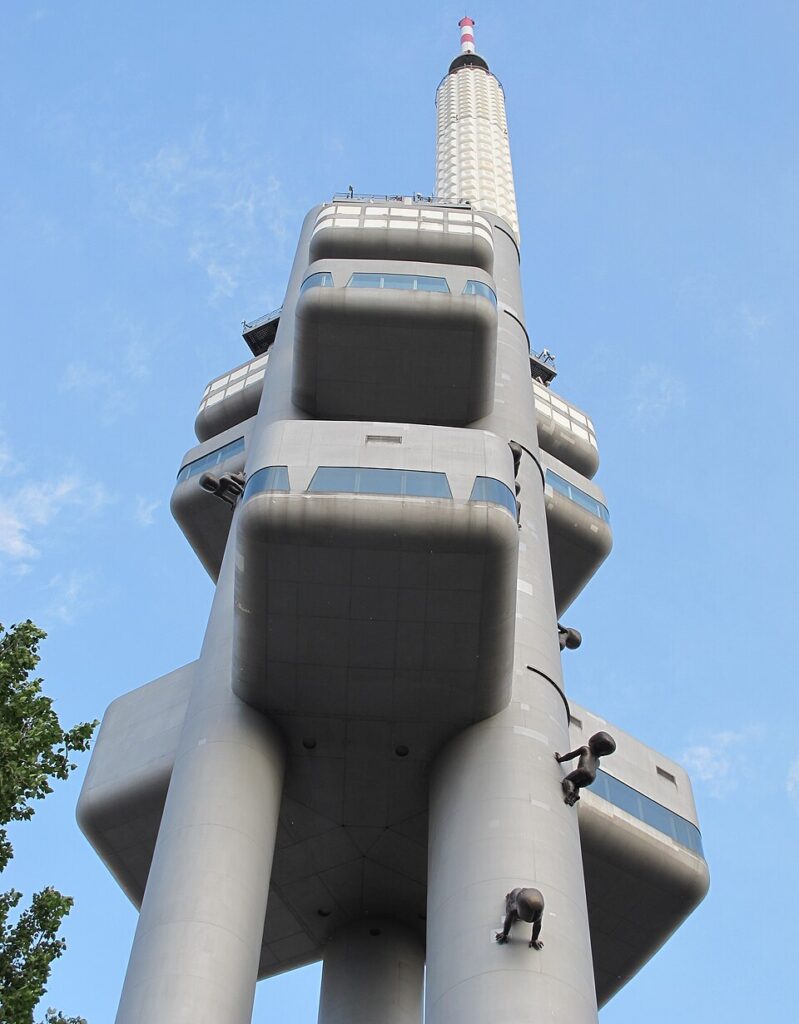
Prague is famous for fairy-tale streets, old churches, red rooftops, and historic charm. Then the Žižkov Television Tower rises above the city like a metal object that missed the mood entirely. Built between the 1980s and early 1990s, it has often been criticized for clashing with Prague’s older skyline.
The tower became even stranger after artist David Černý’s giant baby sculptures were added to its exterior. Somehow, the crawling babies made the tower both weirder and more lovable. Business Insider notes that the building has been called the “second-ugliest building in the world,” yet the baby sculptures have become a beloved part of its identity.
Toronto’s ROM Crystal Looks Like a Museum Got Hit by Geometry
The Royal Ontario Museum’s Michael Lee-Chin Crystal does not whisper. It crashes into the older museum building with glass, steel, sharp angles, and slanted walls that look more like a futuristic accident than a traditional museum entrance. Officially opened in 2007, the Crystal was designed to add major new exhibition space and a bold public face to the museum.
The public reaction was rough. Business Insider cites criticism from a Washington Post architecture critic who called it ugly and questioned the usefulness of slanted walls in an art and museum space. Yet the Crystal has also gained defenders over time, especially as Toronto continues to embrace bold, mixed-era architecture. It may never be universally loved, but it is hard to call it boring.
The Alamodome Has a Nickname Problem. It May Never Escape
San Antonio’s Alamodome opened in 1993 with a huge price tag and an even bigger visual presence. Stadiums are rarely delicate, but this one has inspired some unusually brutal nicknames. Business Insider notes that locals have called it the “Dead Armadillo,” the “Doo Doo Dome,” and even compared it to an upside-down armadillo.
The problem is not just size. Many stadiums are large, but the Alamodome’s shape makes it easy to mock because people can instantly attach funny comparisons to it. Once a building gets a nickname like that, the nickname often becomes part of the architecture. The structure may still host events, crowds, and city memories, but visually, it has been fighting the same joke for decades.
The Scottish Parliament Building Divided a Whole Country
The Scottish Parliament Building in Edinburgh sits in one of the most visually sensitive cities in Europe. Edinburgh’s medieval and historic character gives any modern public building a difficult job, and this one walked straight into controversy. Completed in 2004, the building uses steel, oak, and granite, according to Scottish Parliament archive material cited by Business Insider.
Build world’s survey placed it at the top of its “world’s ugliest building” ranking, reporting that 42.07% of tweets about the building were negative at the time of the study. Its critics point to its cost overruns, unusual design, and uneasy fit with Edinburgh’s old-world setting. Its defenders see symbolism, craft, and complexity. Either way, it did what major public architecture often does best: it started a fight that never really ended.
Conclusion
Ugly buildings are rarely just ugly. They usually carry bigger arguments about money, taste, politics, history, and who gets to decide what a city should look like. A concrete government building may feel cold to residents but meaningful to architects. A strange tower may offend a skyline but become the landmark tourists remember most.
That is why the world’s most hated buildings keep surviving. They become too famous to ignore, too expensive to replace, or too culturally loaded to erase. Beauty may win compliments, but controversy wins memory. And sometimes, the building everyone loves to hate becomes the one nobody can imagine the city without.