We’ve all heard them before, those popular alcohol myths that we follow without questioning. One drink per hour, alcohol helps you sleep, or it warms you up on cold days. But here’s the hard truth: these widely accepted beliefs could be putting your health at risk in ways you never imagined.
It’s easy to buy into these myths, but the truth behind them is a lot more complicated and often far more dangerous than you think. In this article, we’ll dive into 9 alcohol myths that you’ve probably been following and show you the serious risks involved. Plus, we’ll offer actionable tips to help you avoid these pitfalls and take control of your health.
One Drink Per Hour Keeps You Sober
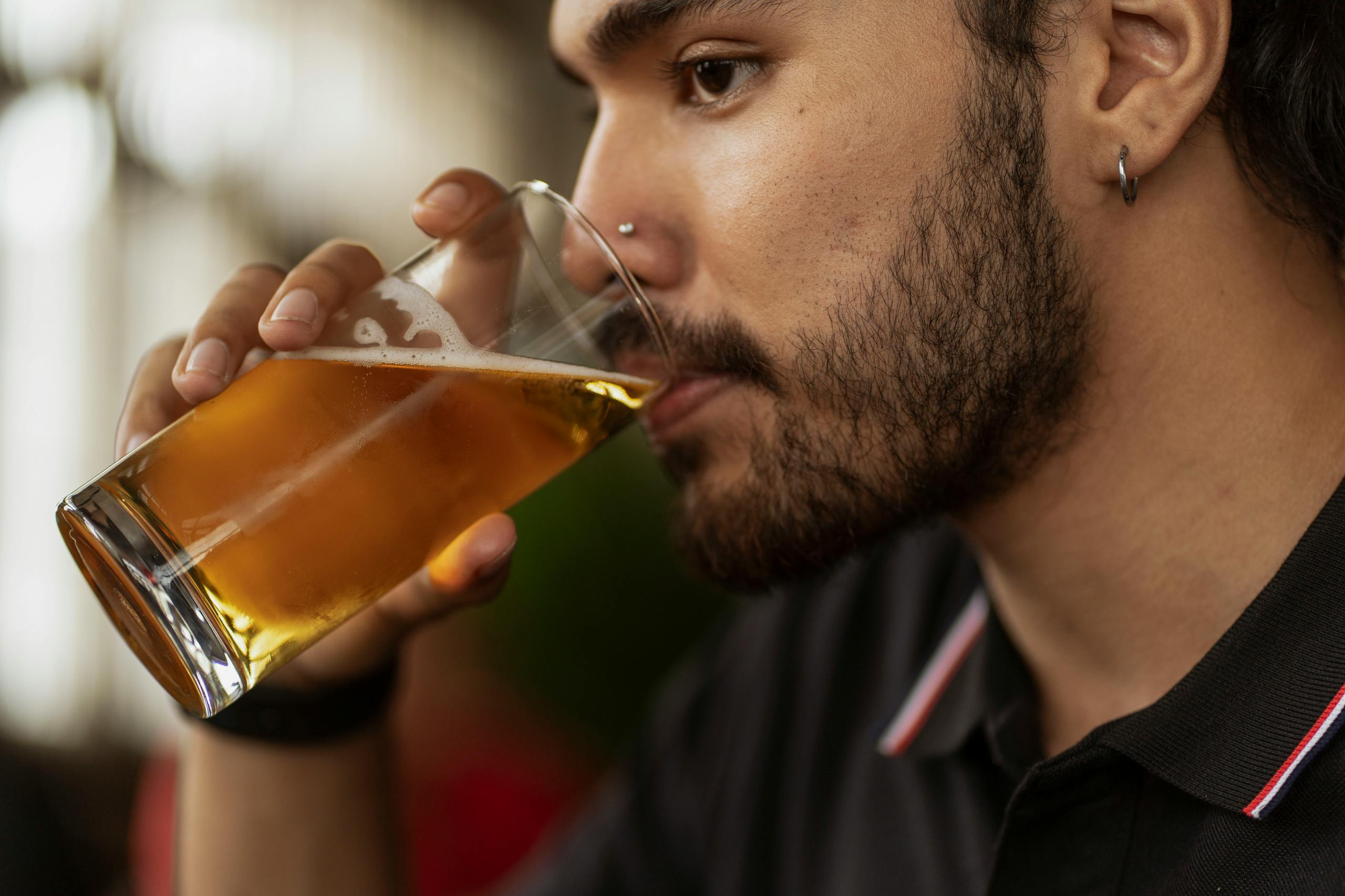
Let’s start with the classic myth: have one drink every hour, and you’re good to go. Sounds simple enough, right? Well, it’s not. Your body doesn’t operate like a clock. Factors like your weight, age, and even your genetic makeup influence how quickly alcohol is processed in your system.
Relying on this guideline leads to underestimating your alcohol intake. While it may seem harmless, overestimating your tolerance can result in impaired judgment and poor decisions, especially if you’re planning to drive or make important choices. The truth? Alcohol affects everyone differently, and you can still be drunk and unsafe even after waiting an hour between drinks.
Instead of relying on this myth, listen to your body and drink responsibly. A general rule is to keep your intake to one drink per day for women and two for men. If you’re unsure, always opt for a designated driver or another form of transport.
Alcohol Helps You Sleep
We’ve all had a long, stressful day and reached for a drink to help us wind down. It’s a common belief that alcohol can help you sleep faster. But the reality is much different. Alcohol messes with your sleep cycle and disrupts your natural rhythms.
Sure, alcohol may help you fall asleep faster, but it keeps you from entering deep sleep stages, which are crucial for physical and mental recovery. Instead of waking up refreshed, you’ll feel groggy and out of sorts. Over time, this leads to poor sleep quality and chronic fatigue.
If you want better sleep, try natural sleep aids like melatonin, herbal tea, or relaxation techniques like deep breathing. Alcohol isn’t a sleep solution; it’s a sleep thief.
Alcohol Only Affects Your Liver
We often hear about alcohol’s impact on the liver, but that’s just the beginning. Alcohol affects nearly every organ in your body, including your brain, heart, and digestive system.
When you think alcohol only affects your liver, you’re ignoring its widespread damage. Over time,heavy drinking can lead to brain shrinkage, weakened heart muscles, and chronic digestive problems. It’s a full-body assault, and your liver is just the tip of the iceberg.
Start viewing alcohol as a whole-body issue, not just a liver problem. Moderate your drinking to protect your brain, heart, and gut. If you’re feeling the effects of heavy drinking, consult a doctor to assess any long-term damage.
Alcohol Makes You More Confident
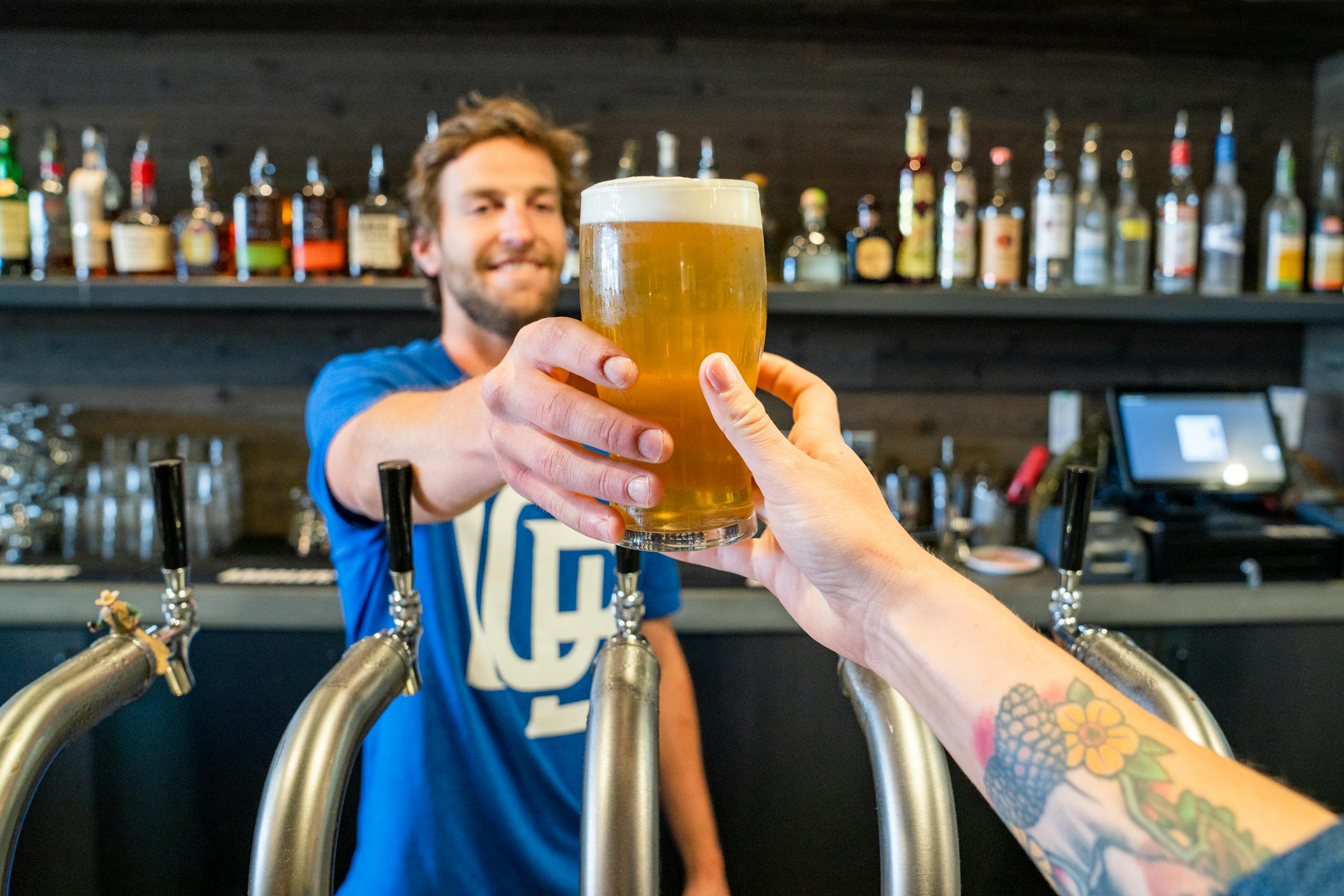
We’ve all experienced that false confidence after a few drinks. Alcohol lowers your inhibitions, but it doesn’t actually make you more confident. In fact, it can lead to poor decisions and risky behavior that you’d never entertain while sober.
Drinking may give you the courage to speak up or act boldly, but it also impairs your judgment. Alcohol increases the likelihood of making decisions that are reckless, such as driving while drunk or making regrettable personal choices. Your confidence may feel boosted, but it’s really just false bravado that puts you at risk.
If you want to boost your confidence, try building your self-esteem naturally through personal growth and positive social interactions. Don’t rely on alcohol to give you false confidence.
Alcohol Will Warm You Up in Cold Weather
It’s a chilly winter evening, and you think that glass of whiskey will keep you warm. But while alcohol may create a temporary sensation of warmth by dilating blood vessels, it actually lowers your core body temperature, increasing your risk of hypothermia.
Alcohol makes you feel warm, but it actually accelerates heat loss from your body. In extreme cold, this can lead to dangerous situations where you’re more likely to develop frostbite or hypothermia without realizing it.
If you’re out in cold weather, dress in layers and opt for non-alcoholic warm drinks like tea or hot cocoa. Alcohol isn’t a suitable substitute for proper cold-weather protection.
A Hangover Can Be Fixed by Drinking More
The dreaded hangover. You’ve heard it all before: the quickest way to get rid of it is to “drink more alcohol.” While this might provide temporary relief, it’s a dangerous myth that only leads to more dehydration and more suffering.
Relying on alcohol to cure a hangover makes you more dehydrated and can set the stage for a longer recovery. It’s a vicious cycle: drinking to feel better just prolongs the misery and worsens the effects of the hangover.
The best way to combat a hangover is to hydrate properly, eat a balanced meal, and rest. Drink water and consume electrolytes to speed up recovery. And next time, consider moderating your alcohol intake to avoid the hangover in the first place.
Drinking Alcohol Is Safe If You Don’t Drink Often
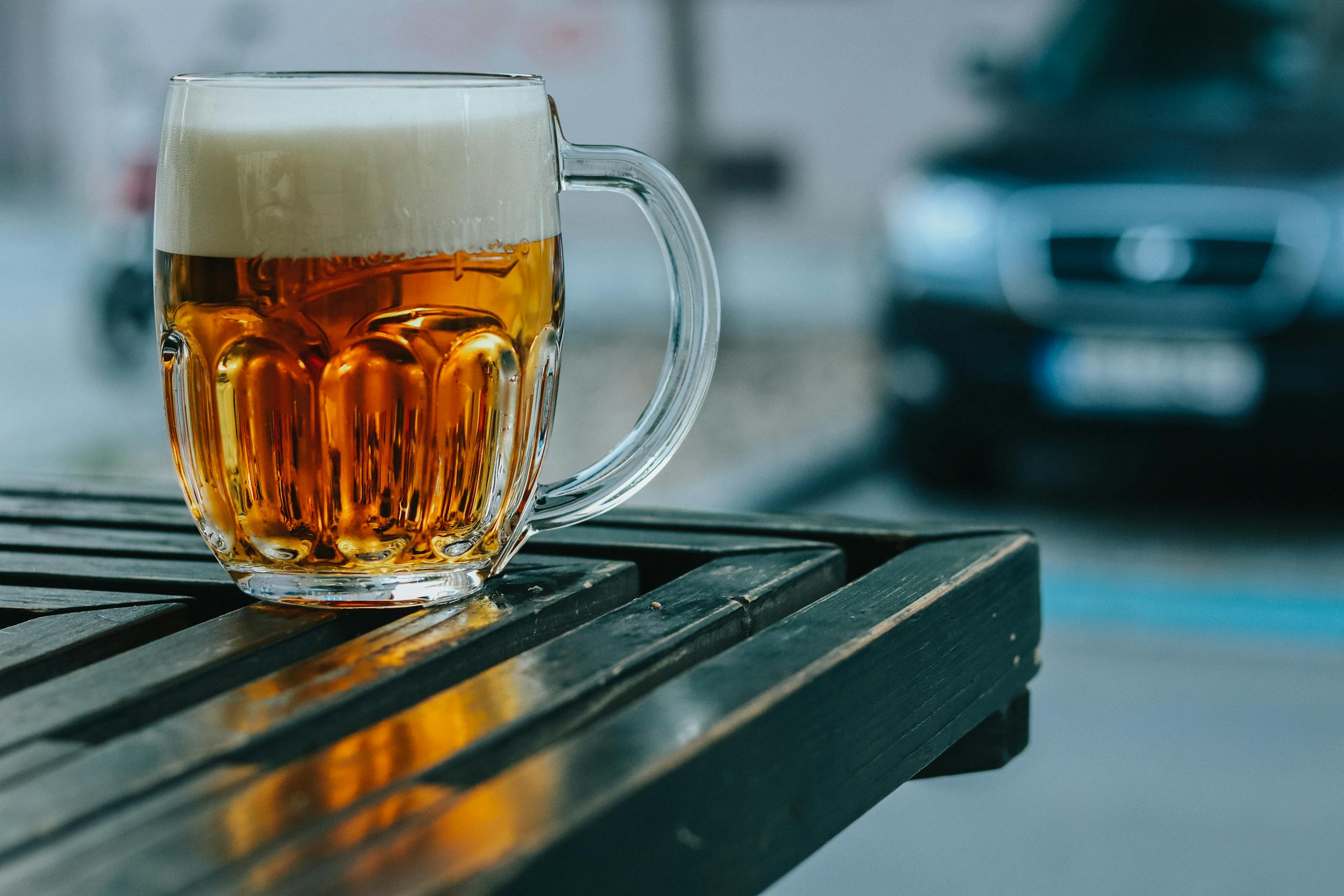
A “casual” drink here and there isn’t a big deal, right? Well, even occasional binge drinking can lead to long-term health issues. The myth that occasional heavy drinking is safe is one of the most misleading beliefs about alcohol.
Binge drinking, even if it’s infrequent, increases your risk of liver disease, high blood pressure, and even mental health problems like anxiety or depression. Don’t let the “only on weekends” excuse fool you; alcohol can cause damage even with sporadic use.
Be mindful of your drinking patterns. Stick to moderate drinking, and make sure to have alcohol-free days to give your body time to recover.
Drinking Alcohol Doesn’t Affect Your Ability to Drive
Here’s one that’s all too common: “I’m fine to drive after a couple of drinks.” Unfortunately, alcohol affects your reaction time and coordination long before you think it does. Even if you don’t feel drunk, your ability to make decisions and control your car is significantly impaired.
Underestimating alcohol’s impact on your driving skills is a recipe for disaster. Even one drink can raise your blood alcohol concentration (BAC) enough to impair your ability to drive safely, putting both you and others at risk.
If you’re planning on drinking, arrange for a designated driver or use a ridesharing app. Never drive under the influence; it’s not worth the risk.
Alcohol Is Fine as Long as You Don’t Drink Every Day

Even occasional drinking can cause significant health risks. The myth that you’re safe because you don’t drink every day overlooks the reality that any amount of alcohol has consequences, especially if consumed heavily in one sitting.
Drinking heavily, even once a week, can lead to liver damage, high blood pressure, and mental health issues like anxiety or depression. Don’t let the “only on weekends” excuse fool you; alcohol can cause damage even with sporadic use.
Be mindful of your drinking patterns. Stick to moderate drinking, and make sure to have alcohol-free days to give your body time to recover.
Conclusion
The myths surrounding alcohol are dangerous, and continuing to believe them can lead to serious consequences for your health. It’s time to take a step back and reassess your drinking habits. Instead of following outdated or false beliefs, educate yourself on the true impact alcohol has on your body.
So, next time you reach for a drink, ask yourself: Is this really the best choice for my health? It’s never too late to start drinking responsibly and taking better care of yourself. Stay informed, stay safe, and make the right choices for your health.