Across parts of West and Central Africa, monkeys are often consumed as bushmeat, a practice entwined with local tradition for centuries. This consumption, though commonplace, sparks fierce ethical and environmental debates, especially over the fate of endangered species. Even as global voices clamor for wildlife protection, the hunt for primates endures, fueled by custom and economic pressures.
In markets of Cameroon and Gabon, monkey meat is touted as a luxury or even a cure-all, prized by customers who relish its rarity. The ever-rising appetite for bushmeat now shadows primate populations, leaving some species teetering on the edge of extinction. As awareness of these looming ecological disasters spreads, momentum builds for tougher conservation laws and new, sustainable alternatives to bushmeat.
Monkeys
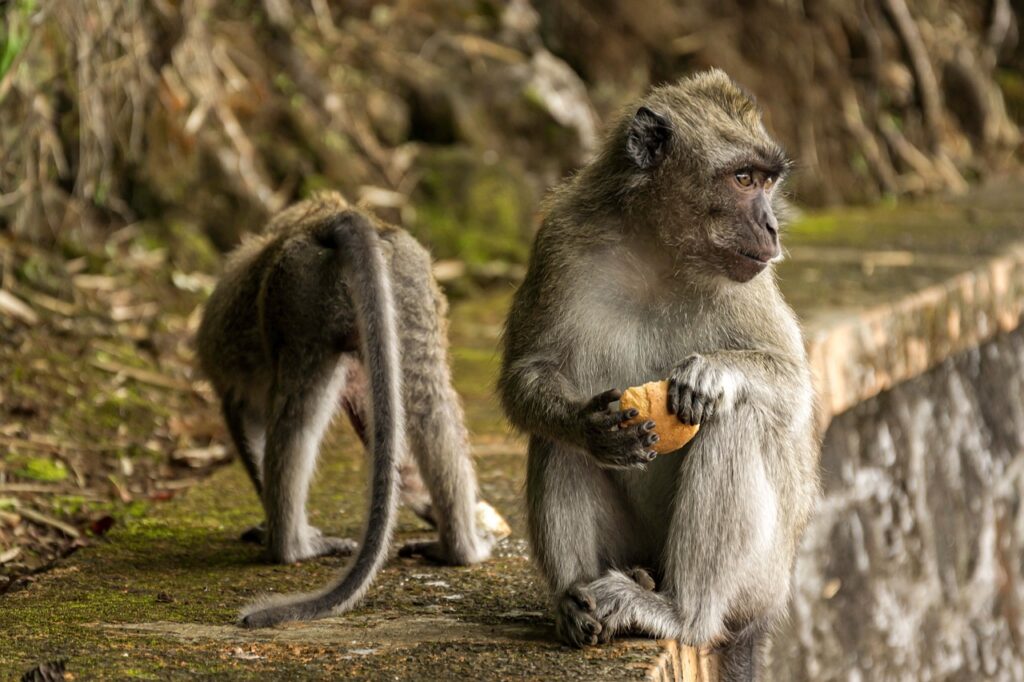
Across parts of West and Central Africa, monkeys are often consumed as bushmeat, a practice entwined with local tradition for centuries. This consumption, though commonplace, sparks fierce ethical and environmental debates, especially over the fate of endangered species. Even as global voices clamor for wildlife protection, the hunt for primates endures, fueled by custom and economic pressures.
In markets of Cameroon and Gabon, monkey meat is touted as a luxury or even a cure-all, prized by customers who relish its rarity. The ever-rising appetite for bushmeat now shadows primate populations, leaving some species teetering on the edge of extinction. As awareness of these looming ecological disasters spreads, momentum builds for tougher conservation laws and new, sustainable alternatives to bushmeat.
Dogs
In countries like Vietnam, South Korea, and China, dog meat consumption remains a controversial and deeply ingrained cultural practice. In some regions, it is considered a delicacy, particularly during festivals or special occasions, such as the Yulin Dog Meat Festival in China. Despite growing awareness and movements against dog meat consumption, the tradition persists. Its popularity, however, is declining as attitudes toward animals shift. Even within these regions, there are differing views.
In urban areas, where pet culture has flourished, dogs are now primarily considered companions, and dog meat consumption is taboo. In contrast, in more rural or traditional settings, dogs may still be raised for food. This reflects the complex relationship many cultures have with animals, where pets and livestock can be interchangeable.
Rabbits
In many countries across Europe, rabbits are not just pets but are also raised for their meat. In France, Italy, and Spain, rabbit meat is a traditional dish, often seen in stews, pies, and casseroles. Rabbits are raised on farms and are considered a healthy, lean alternative to other meats, making them a staple of local diets. In contrast, North America and the United Kingdom primarily view rabbits as companion animals, though they are still occasionally raised for food.
The practice of consuming rabbit meat has diminished in these regions, but it remains popular in some rural communities, where the animals are considered a natural and sustainable food source. In the end, rabbits remain a symbol of both companionship and nourishment, depending on cultural perspectives. This duality is also evident with other animals served as delicacies in different regions, such as turtles.
Turtles

In places like China, Vietnam, and Thailand, turtle meat has long been considered a delicacy. Turtle soup, made from either freshwater or sea turtles, is a prized dish believed to have medicinal qualities. Despite international concerns about the conservation of certain turtle species, the consumption of turtle meat remains a part of local traditions, particularly in coastal regions where turtles are abundant.
In countries like Mexico, Cuba, and Brazil, turtle meat is often included in soups or stews, where it is appreciated for its rich flavor. However, as global conservation efforts intensify, there are increasing calls to protect turtle species from over-exploitation, leading some countries to implement strict laws regarding the harvesting of turtles for food.
Lizards
In many parts of Asia, particularly Thailand and Cambodia, lizards such as geckos and iguanas are commonly eaten. These reptiles are often caught in the wild or farmed for their meat, which is considered both nutritious and medicinal by some communities. In these regions, lizards are often sold at local markets, and dishes featuring them are believed to have health benefits, especially in traditional medicine.
The consumption of lizards isn’t confined to Asia , in parts of Central and South America, certain species are also eaten. In countries like Mexico, iguana meat is seen as a delicacy and is often featured in stews or grilled dishes. While the idea of eating lizards may be off-putting to some, it reflects the diverse and practical ways in which different cultures use available resources for sustenance.
Mice
In parts of Africa, especially in Malawi and Zimbabwe, field mice are a common source of protein. In these regions, mice are often trapped or hunted and then roasted or fried as a traditional food item. Despite their small size, these creatures provide a vital food source in areas where raising larger, more conventional livestock may be difficult.
This practice of consuming mice is also seen in certain areas of Asia and the Middle East, where small rodents are sometimes incorporated into stews or served on skewers. While the thought of eating mice might seem unusual to some, it has been a part of the local diet for centuries, and in many places, it is regarded as a sustainable and accessible food option. As a result, it remains a staple in the diets of many rural communities.
Snakes

Snake meat has been part of traditional diets in many cultures for centuries. In countries like China, Vietnam, and Thailand, snakes are eaten for their supposed medicinal properties and health benefits. Snake soup, a famous dish in China, is believed to have healing powers, especially in cold weather, making it a popular choice during the winter months. Despite the exotic nature of consuming snakes, it’s not just a culinary curiosity.
In Africa, Latin America, and parts of India, various snake species are consumed for their high protein content and are often roasted, fried, or stewed. The practice of eating snake meat is particularly common in rural areas, where animals are raised or hunted for food, and traditional eating habits persist despite modernization.
Rats
In Southeast Asia and parts of Africa, rats are commonly consumed as a source of protein, particularly in countries like Vietnam, Nigeria, and Cambodia. These rats are typically captured in the wild, and in some places, they are even farmed for food. In rural areas, rats are often roasted, grilled, or made into stews, with some local communities considering them a delicacy.
Rat meat consumption is not limited to Asia and Africa; in India and the Caribbean, it has also been eaten in certain regions. In India, they are especially common in areas where food security is a concern, as they are an affordable source of meat. While the idea of eating rats might be unsettling for many, it remains a traditional and practical food source in many parts of the world.
Cats

In some countries, cats are not seen as the beloved pets they are in the Western world, but are instead consumed as part of local cuisine. In China and Vietnam, cat meat is considered a traditional food, sometimes used in stews or soups and believed to offer warmth during cold months. Though eating cats is controversial and frowned upon by many, it persists in certain regions where it has been part of the culinary culture for generations.
In China, cat meat consumption is especially prominent in rural areas, where these animals are often raised for food. However, as more people adopt cats and view them as companions, there has been a significant shift in attitudes, particularly in urban centers. The growing adoption of animal rights movements has led to increased pressure on the government to crack down on the practice, with many calling for stronger legal protections for pets.