Food is more than fuel—it’s a playground for science, imagination, and discovery. Behind the meals we cherish are experiments that challenge our assumptions, stretch the boundaries of flavor, and reveal surprising truths about the chemistry of what we eat.
From transforming textures to rethinking nutrition, food science experiments astonish both experts and home cooks. Prepare to be amazed, inspired, and maybe just a little hungry as we explore 10 unforgettable food science experiments.
The Miracle of Gelled Air: Foams That Defy Gravity
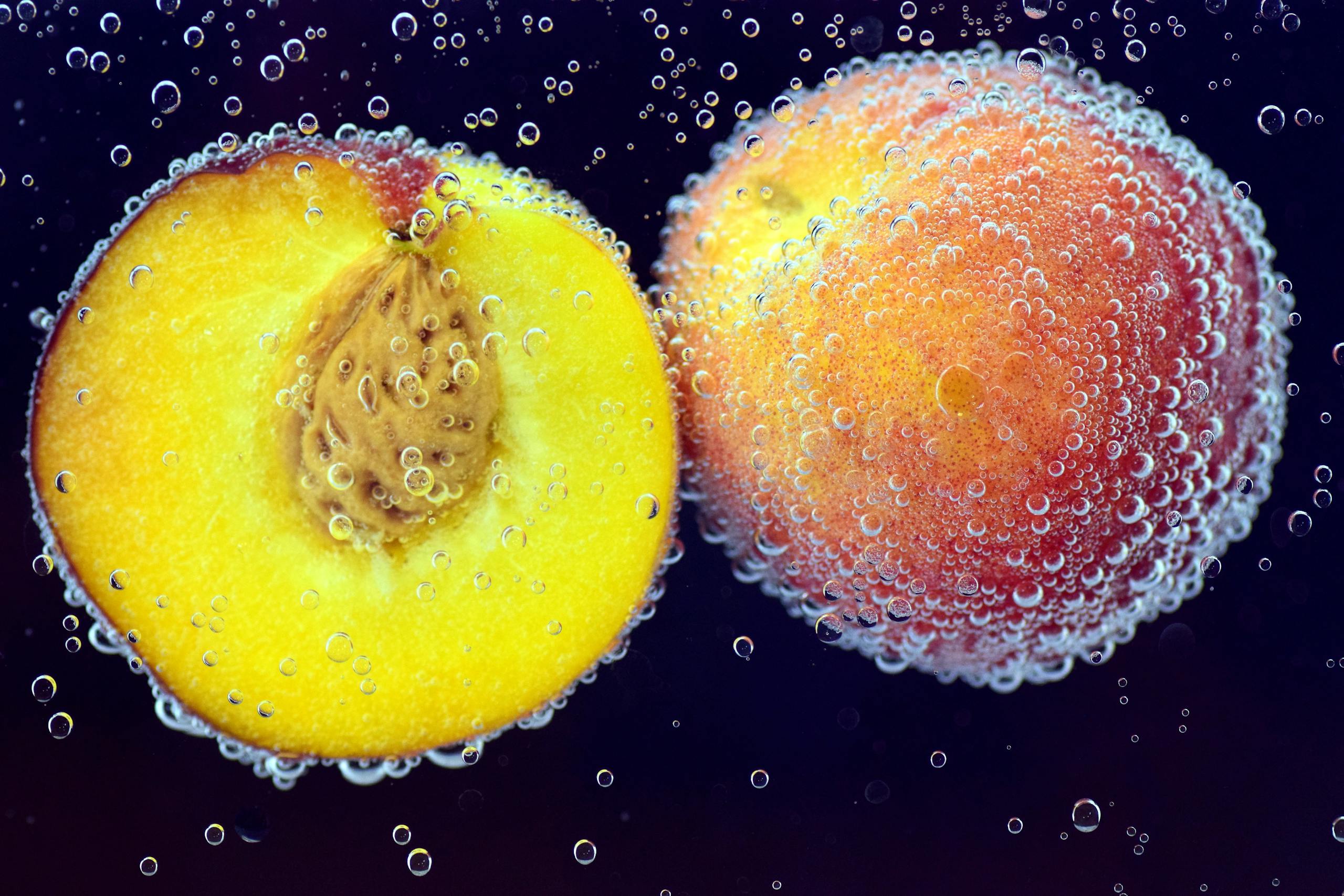
Imagine turning air into something you can slice and savor—this is exactly what happens in the world of culinary foams. By using agents such as lecithin or agar, scientists and chefs can trap air in a network of tiny bubbles, creating airy textures in fruits, herbs, and even desserts.
These foams cling to spoons, float above plates, and dissolve on your tongue, turning ordinary ingredients into surreal experiences. It’s a stunning reminder that food is as much about texture as it is about taste.
Edible Water Bottles: A Biodegradable Revolution
What if your drinking container could disappear into your meal? A clever experiment called the“edible water bottle”uses seaweed extract to encapsulate liquids in a biodegradable membrane.
Not only does it replace plastic, but it also adds a playful element to hydration. This innovation challenges us to rethink packaging and shows that food science can be both delicious and eco‑friendly.
Color‑Changing Edibles: The Magic of pH
Some foods change color in response to their chemical environment, and scientists have turned that discovery into edible art. Natural pH indicators like red cabbage juice can shift from purple to pink to green with a splash of acid or base, creating visual drama on plates and in drinks.
These transformations draw a direct line between chemistry and cuisine, delighting both kids and adults with edible experiments that look like science fiction. One bite, and you realize food can be mesmerizingly interactive.
Super‑Saturated Sugars: The Candy Crystal Phenomenon
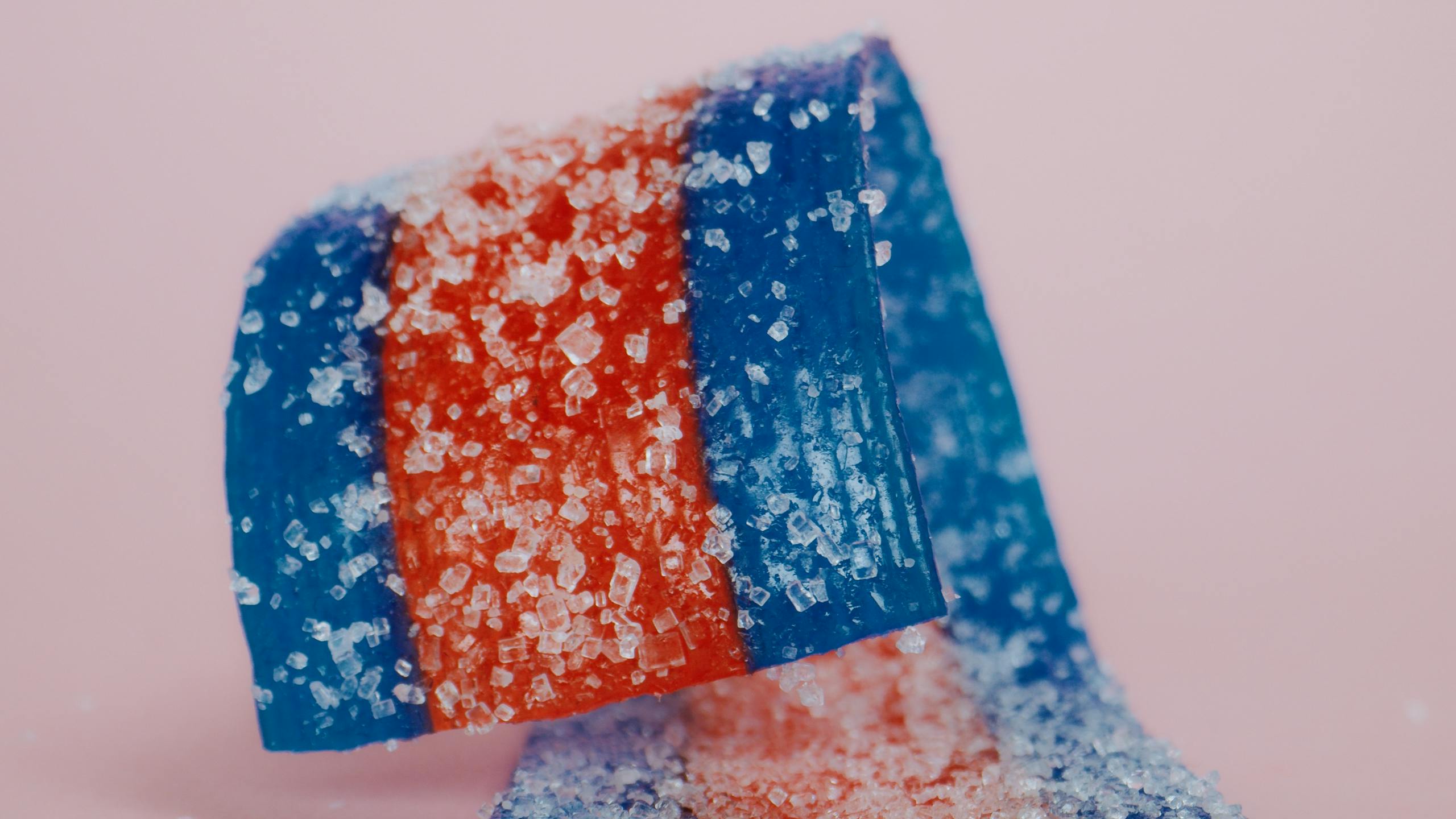
Ever wondered how rock candy forms? A supersaturated sugar solution holds more dissolved sugar than it normally would, and as it cools and evaporates, sugar molecules begin to crystallize around a surface like tiny gardeners on a stalk.
The result is a sparkling, geometric candy that’s both delicious and scientifically fascinating. This experiment shows how molecular behavior can be coaxed into artful creations.
Sous Vide Precision: Mastery at Low Temperatures
Moving from sweets to savory techniques, sous vide brings food to life in a bath of temperature‑controlled water. By cooking food sealed in airtight bags at precise temperatures, scientists and chefs can guarantee perfect texture from edge to center.
Steaks cooked sous vide can be uniformly juicy, while vegetables preserve vibrant color and nutrients. It’s proof that patience and precision can outperform heat and haste.
Edible Film Wrap: A New Layer of Food Innovation
While sous vide focuses on perfecting texture, food science is also revolutionizing how we keep food fresh. Scientists have developed ultra-thin edible films made from proteins, carbohydrates, or lipids that can wrap food like plastic but are eaten along with the food.
The outcome is packaging that keeps food fresh, can add flavor or nutrients, and disappears after consumption, prompting a reimagining of packaging’s environmental role.
Molecular Caviar: Pearls that Pop with Flavor
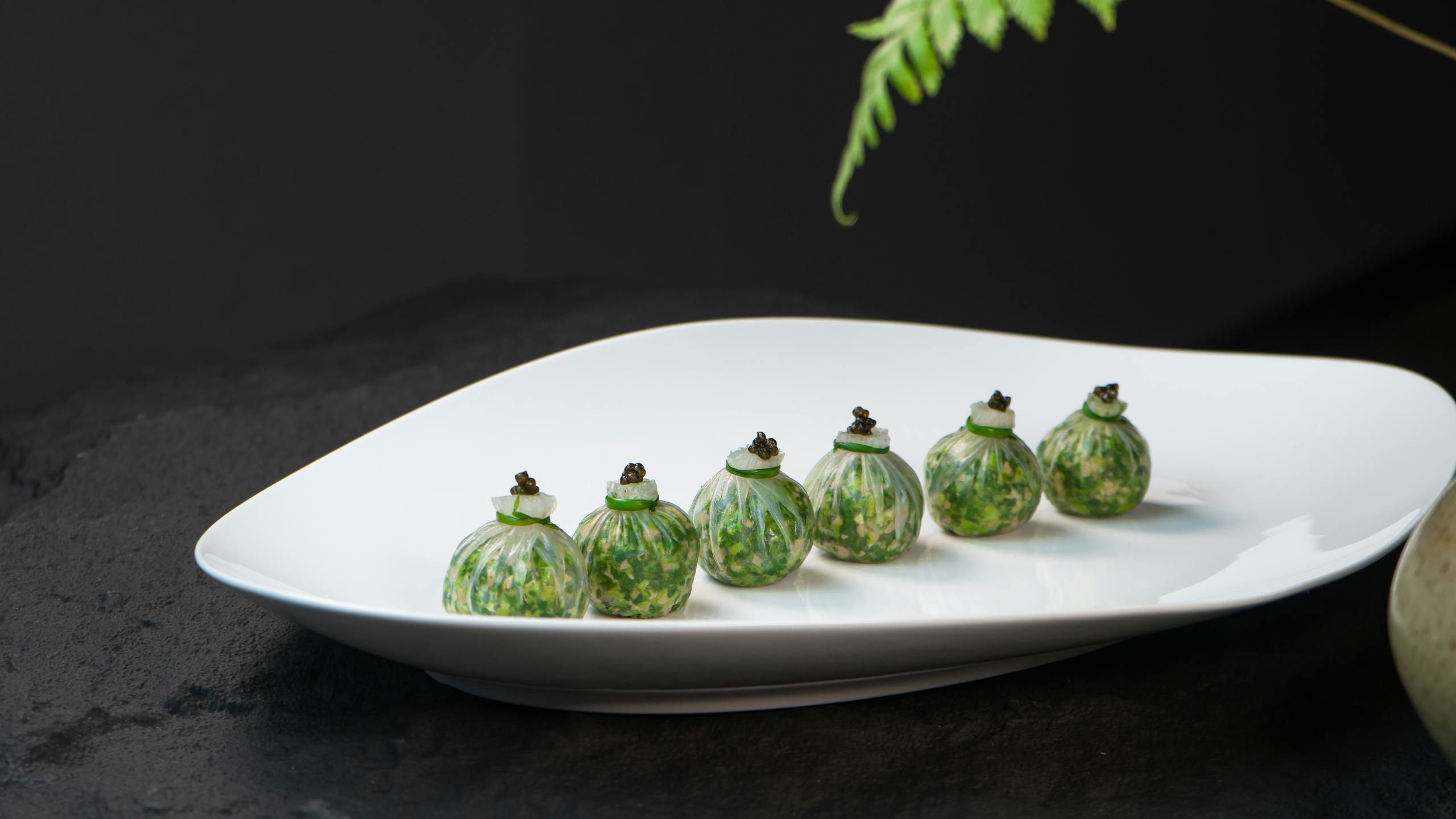
Molecular gastronomy introduced the world to “caviar” made not from fish eggs but from flavorful liquids captured in delicate spheres. Using a technique called spherification, chefs create tiny balls that burst with flavor when bitten, adding pop and surprise to dishes and cocktails.
This experiment bridges texture and taste, engaging all the senses. It’s playful, elegant, and utterly unforgettable.
3D Printed Food: Your Dinner, Layer by Layer
As chefs experiment with both form and flavor, technology itself becomes a new ingredient. Researchers are now using food‑safe 3D printers to stack ingredients in precise layers, creating complex textures and shapes that would be impossible by hand.
From custom desserts to nutrient‑tailored meals for seniors, printed food shows how technology and nutrition can merge. The future of cuisine may be as much about design as it is about flavor.
Fermentation Experiments That Reinvent Tradition
Fermentation is ancient, but scientists continue to uncover new ways to harness microbes for flavor, health, and sustainability. From kimchi and kombucha to experimental fermented grains and beverages, these microbial processes add depth of flavor, improve digestibility, and confer probiotic benefits.
What was once tradition is now cutting‑edge science, revealing organisms working behind the scenes of every bubble and tang. Fermentation reminds us that the smallest life forms can have the biggest impact on food.
Flavor Pairing by Chemistry
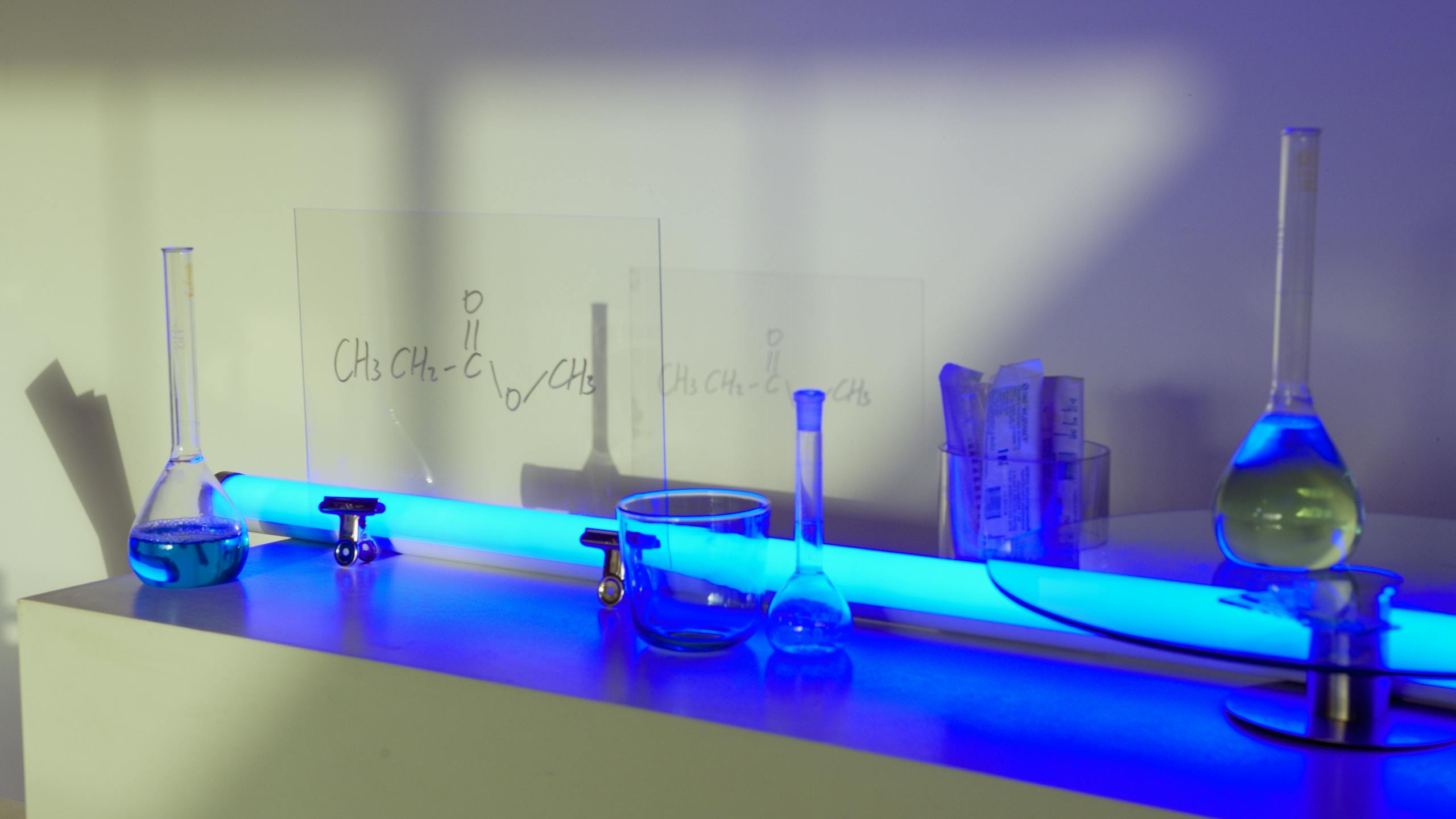
Experimentation in food science isn’t limited to techniques; it also reshapes how we combine flavors. Some flavor combinations seem odd—like chocolate and blue cheese—but food scientists have discovered that shared volatile compounds can make them unexpectedly harmonious.
By analyzing molecular profiles, chefs and researchers predict new pairings. The outcome is innovative dishes that challenge expectations and expand what’s possible for flavor.
Conclusion
Taken together, these experiments reveal that food is far more than nourishment—it’s a canvas for chemistry, physics, biology, and innovation. From transforming air into texture to unlocking sustainable packaging and redefining flavor, food science continues to push boundaries we once thought fixed.
When we view food as a science experiment, we unlock new ways of eating, thinking, and living. So eat with curiosity, cook with wonder, and let every meal remind you that the kitchen is one of the greatest laboratories of all.