The U.S. military has played a pivotal role in shaping modern food technology. By necessity, soldiers required practical, long-lasting food solutions that could withstand harsh conditions. These innovations didn’t just fuel armies on the battlefield—they went on to revolutionize the consumer food industry. What many don’t realize is that the military first developed some of our everyday food staples to meet its specific needs. Here are 10 surprising foods you likely didn’t know were born from military ingenuity.
Instant Coffee
rpastudio via 123rf.
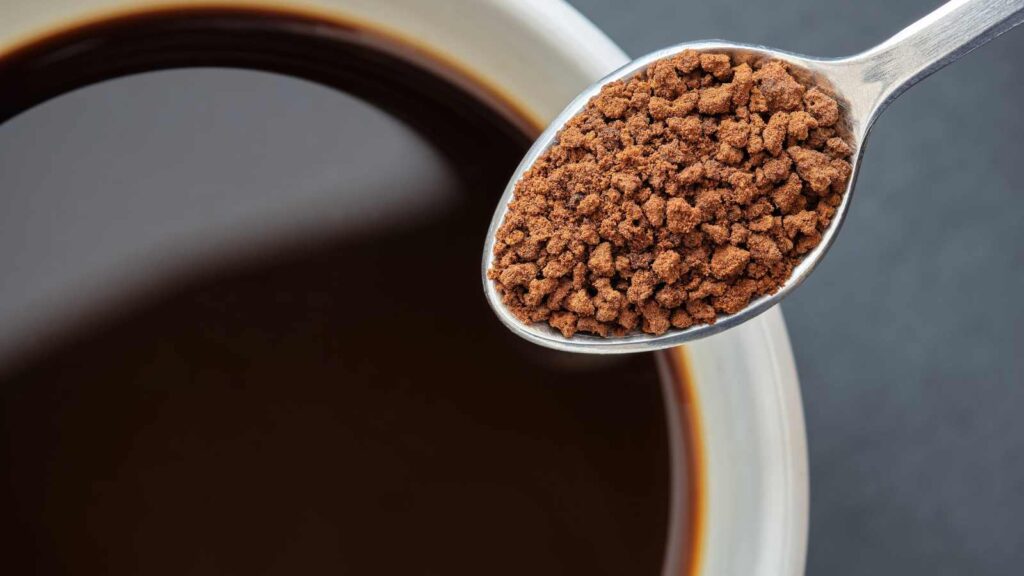
Instant coffee has become a must-have in households around the world, but its roots trace back to the U.S. military. The Spanish-American War led the military to realize the need for portable coffee. This realization continued into World War I, when there was a growing demand for coffee ready for use; hence, “Red Cross coffee,” or coffee cubes. This was meant for a quick caffeine boost for the soldiers. The turning point for instant coffee occurred during World War II when the United States military purchased it in large quantities, making it a household item.
MREs
Meals Ready to Eat, or MREs, are perhaps the most direct descendant of military food research. MREs were developed in the 1960s as self-contained, ready-to-eat meals for soldiers. These meals were designed to be lightweight, durable, and easy to prepare. Over time, with advances in food packaging and storage, especially vacuum-sealing, MREs are now also available for civilian use. Today, the same principles of practicality and convenience drive much of the packaged food industry, with MREs influencing everything from camping meals to emergency rations.
Frozen Orange Juice
Frozen concentrated orange juice is a familiar item in most homes, but it was a wartime necessity that brought it into the spotlight. In World War II, the U.S. military needed a solution to transport and keep oranges fresh for soldiers who needed a high amount of vitamin C. That solution came in the form of frozen concentrated orange juice. After the war, the technology for frozen orange juice was refined for the civilian market, making it a common household product today.
Tuna Cans
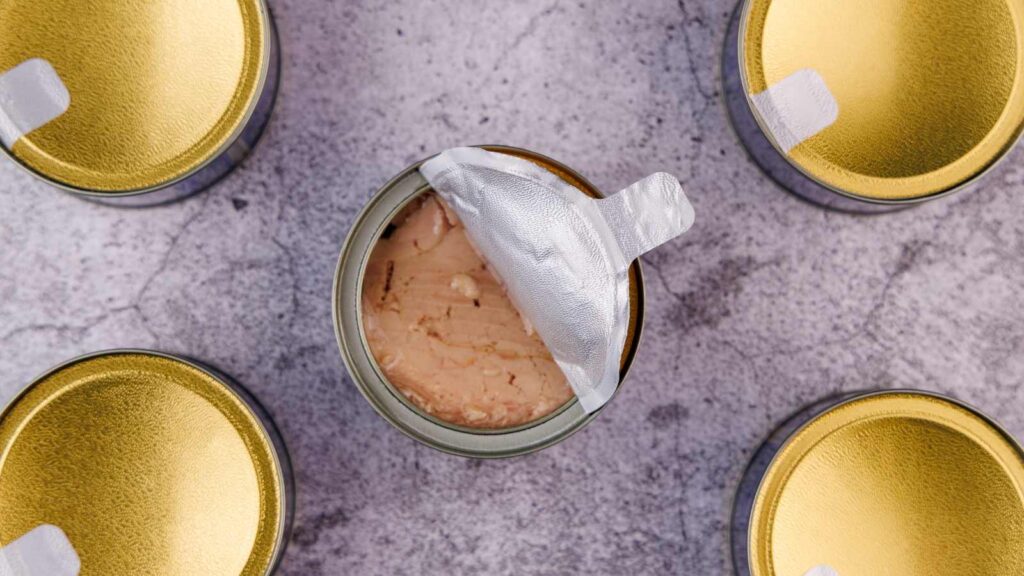
Canned tuna may seem like a simple pantry item today, but it was a breakthrough developed with the military in mind. During World War II, the military needed portable, non-perishable protein sources for troops. The U.S. government worked with the seafood industry to develop a method for canning tuna, creating a lightweight, long-lasting food source for soldiers. Post-war, canned tuna became a consumer sensation, revolutionizing how people viewed and used preserved fish in cooking.
Cereal Bars
Cereal bars are a quick and easy snack loved by many, but they were first introduced for military use. During World War II, there was a need for a snack that would provide energy, be concentrated, and withstand the harsh conditions of war. This led to the creation of energy bars, which were a mix of grains and military rations. Now, cereal bars line the aisles of the average grocery store, providing a convenient source of energy for today’s busy lifestyles.
Powdered Eggs
Powdered eggs may sound unappetizing to some, but they were originally developed as a product for the military during World War II. The US military had a problem to solve: how to provide its soldiers with eggs that wouldn’t spoil and could be easily prepared in the field. Powdered eggs solved this problem. Over time, the product went beyond the military and into people’s homes, becoming a convenient ingredient for baking and in times of need.
Peanut Butter
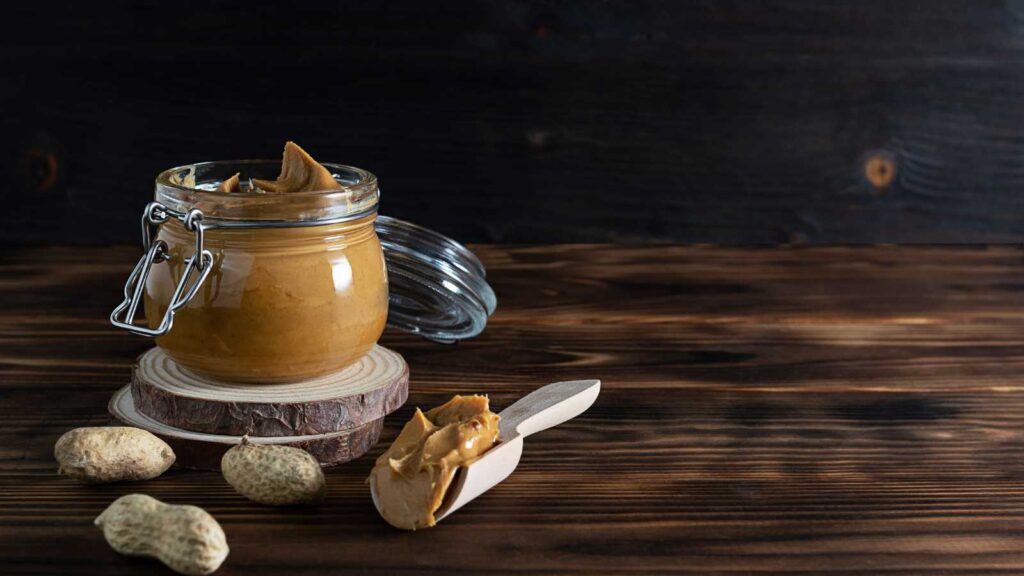
Peanut butter, beloved by many for its versatility and protein content, owes its widespread popularity to military efforts. During the early 20th century, the military began to experiment with peanut butter as a high-protein, non-perishable food for soldiers. It was developed to be easy to store and consume in the field, providing energy during long days on the move. After World War I, peanut butter entered civilian diets, becoming a staple in American homes and beyond.
Freeze-Dried Food
Freeze-dried food technology, which has revolutionized food for the outdoors and emergency supplies, was first developed by the military in the Korean War. The military required a method for rapidly rehydrating meals that was also light and durable for soldiers in the field. This led to the development of freeze-drying technology, which preserves food by removing moisture while maintaining its nutrients. Today, freeze-dried foods are popular not only with the military but also with campers, hikers, and those preparing for emergencies.
Canned Fruits and Vegetables
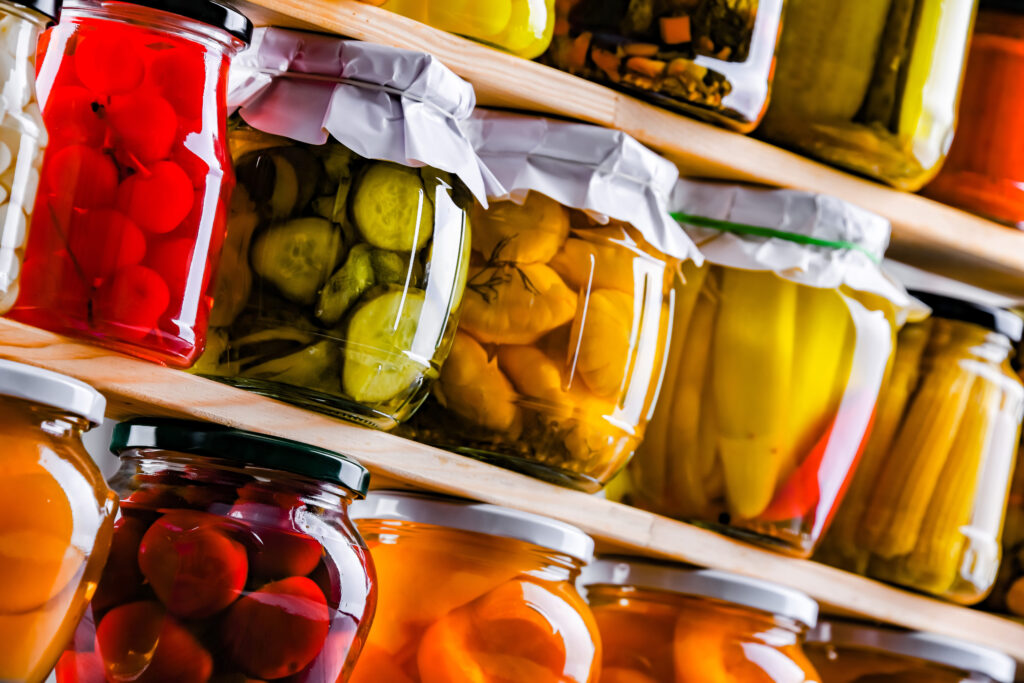
The canned fruits and vegetables that were part of the military ration are today common items in every house. The United States military in World War I understood the need to provide soldiers with preserved fruits and vegetables that could be transported easily. The canning technology has been perfected to allow such food to survive long journeys without spoiling. After the war, this technology was adapted for civilian use, making canned produce a lasting part of the modern food system.
Ketchup
Although ketchup is widely known as a condiment today, it was initially developed by the U.S. military for use as a high-calorie food additive for soldiers. Ketchup’s popularity in military rations was further fueled by its ability to enhance the taste of bland meals and its long shelf life. Following World War II, ketchup’s popularity in military rations spilled over into civilian markets, creating the popular table condiment available today.
Conclusion: From Battlefields to Dinner Tables
What’s remarkable is how much of what we consume today came about because of military necessity. From instant coffee, brewed up to fuel soldiers on the go, to freeze-dried rations, popularized by hikers and campers, there’s no denying that the military has spurred some real technological leaps forward in how we cook, store, and consume our food. So, next time you grab a can of tuna or a cup of coffee, think about how these commonplace items were, not long ago, a vital component of a soldier’s diet on the front line.