Vegetables are often heralded as the cornerstone of a healthy diet, but for some, the mere thought of certain vegetables can spark a strong reaction. From the bitter tang of Brussels sprouts to the mushy texture of eggplant, there are plenty of vegetables that people love to avoid. But what if those very vegetables we dismiss as unpleasant are actually packed with health benefits? Here are 10 vegetables that many people refuse to eat—and why it might be time to reconsider your aversion to them.
Brussels Sprouts
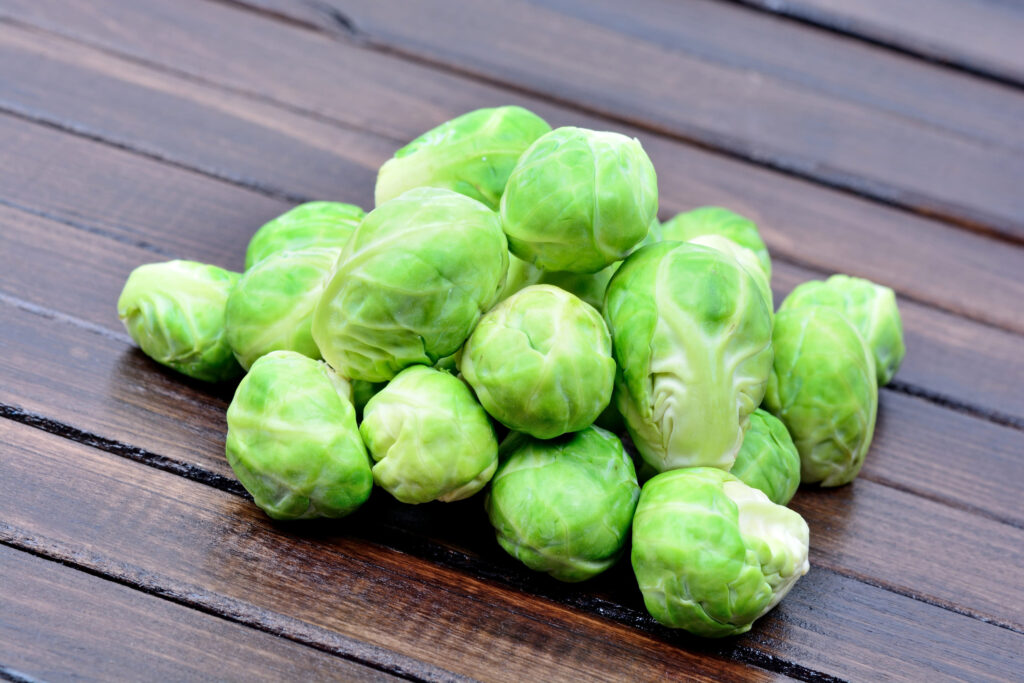
Brussels sprouts often top the list of disliked vegetables, thanks to their strong flavor and slightly bitter taste. Contrary to popular belief, Brussels sprouts are rich in vitamins, minerals, and antioxidants, making them a great way to boost immunity. The trick to enjoying Brussels sprouts lies in the way they are prepared. When roasted or sautéed in olive oil and sprinkled with sea salt, they become crunchy on the outside and sweet on the inside, maybe converting you into a fan.
Broccoli

Broccoli is another food that people tend to dislike but is actually very healthy. It is known to provide various health benefits, such as boosting one’s immune system and preventing various illnesses. The bitterness people dislike can be reduced by steaming, stir-frying, or mixing it with other herbs or sauces. A little creativity in food preparation can change broccoli from a dreaded dish to a healthy, enjoyable food.
Eggplant
Eggplant is a vegetable with a spongy texture that is often described as mushy, and it is one of the least popular vegetables. However, if cooked properly, the vegetable tastes great and is savory. From grilled eggplant to eggplant Parmesan, this vegetable can be a star ingredient in a variety of recipes. Its versatility and ability to take on the flavors of the spices and herbs it’s cooked with make it worth rethinking.
Cauliflower
Cauliflower is often dismissed as bland and unappealing, but it is a nutritional powerhouse. High in fiber, vitamins, and antioxidants, cauliflower supports digestion and heart health. Thanks to its mild flavor and adaptable texture, cauliflower can be transformed into a variety of dishes, including mashed “potatoes,” pizza crusts, or even rice. When roasted or seasoned with spices, cauliflower becomes a flavorful and hearty alternative to many traditional comfort foods.
Beets
Beets are not always appreciated because of their earthy taste, which is sometimes described as “dirt-like.” Nevertheless, beets are very healthy because they provide a rich mix of fiber, vitamins, and minerals. Beets taste great when roasted or pickled because they are sweet, making them a wonderful surprise when added to salads, juices, or smoothies. Beets can provide a complex flavor when prepared correctly and pair well with almost any meal.
Celery
Celery’s high water content and mild flavor make it easy to overlook in the vegetable aisle. While many people criticize it for lacking taste, celery is an excellent source of fiber and antioxidants. It’s also low in calories, making it a perfect addition to weight-loss diets. Whether in soups and stews or as a crisp snack with hummus, celery’s texture provides a satisfying crunch that enhances many dishes.
Radishes
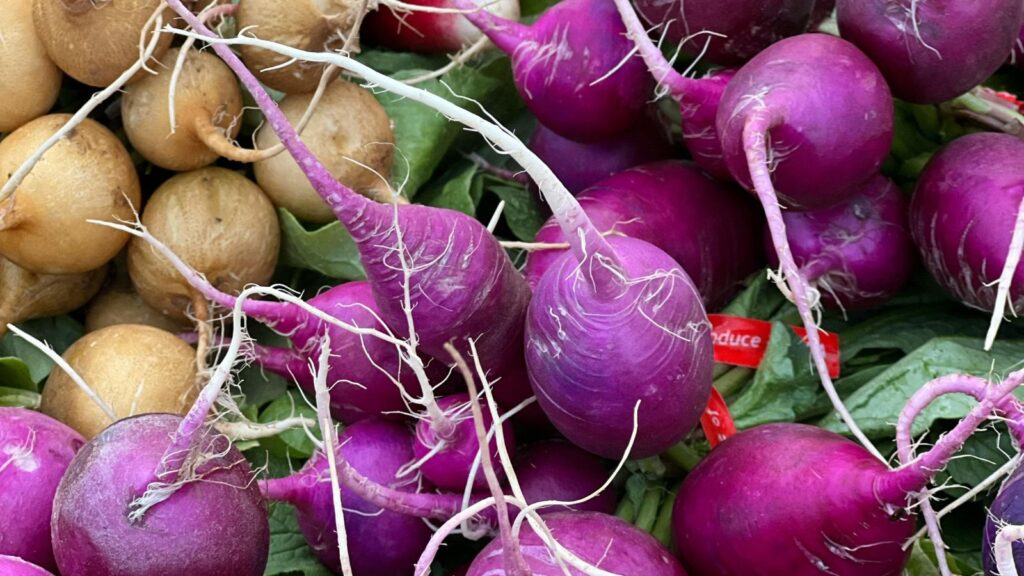
Radishes are known for their sharp, peppery bite, which makes them a love-it-or-hate-it food. Though they can be overpowering on their own, radishes add a fresh, zesty crunch to salads and salsas. Rich in vitamin C, potassium, and fiber, radishes also boast anti-inflammatory properties. When prepared correctly—such as roasting or pickling—radishes take on a milder flavor, making them more approachable for those who find their raw taste too intense.
Zucchini
Zucchini often gets a bad rap for being too watery or bland, but it’s one of the most versatile vegetables in the kitchen. Whether sautéed, grilled, or baked, zucchini soaks up flavors beautifully and adds moisture to dishes. High in vitamins, minerals, and antioxidants, zucchini offers plenty of health benefits, including improved digestive health. When spiralized, it can even serve as a low-carb substitute for pasta, offering a healthy twist on classic dishes.
Turnips
Turnips are not as popular as other root vegetables, such as carrots or sweet potatoes. Turnips are rich in vitamin C, dietary fiber, and potassium. They provide a sweet taste and earthy flavor when cooked. Turnips can be boiled or mashed like potatoes or used in soups and stews to make a rich and delicious dish. Turnips can also be used raw in salads to provide texture to the salad with the addition of leafy vegetables.
Cabbage
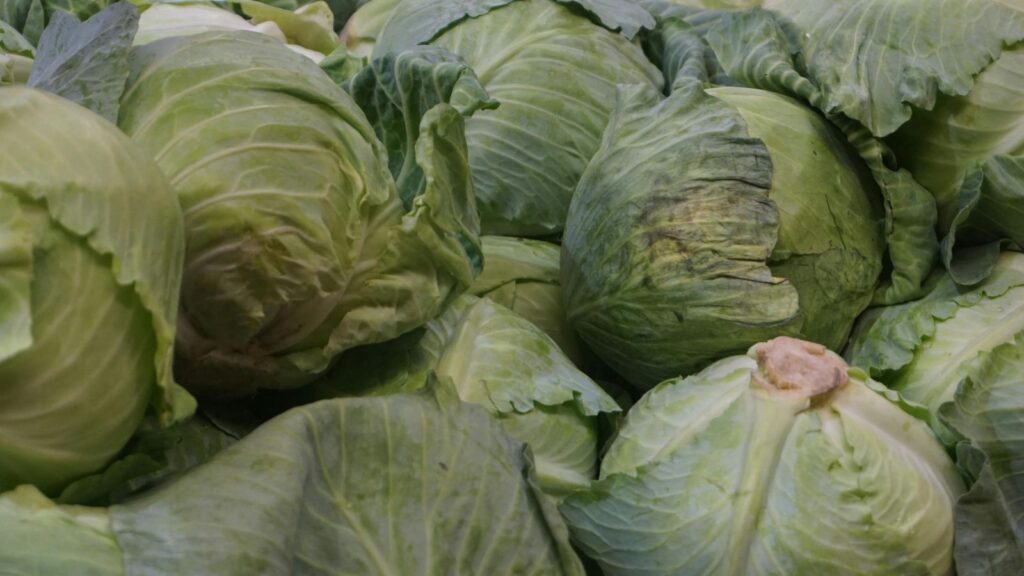
Cabbage is often relegated to the role of a side dish in dishes like coleslaw or sauerkraut, but it’s much more than that. Packed with fiber, vitamin K, and antioxidants, cabbage supports digestive health and reduces the risk of chronic disease. It’s incredibly versatile and can be sautéed, stir-fried, or even used in tacos or wraps. When prepared properly, cabbage develops a subtle sweetness that enhances its flavor, making it a worthy addition to any meal.
Conclusion: Rethinking Your Vegetable Preferences
While it is easy to write off certain vegetables as “gross” or “unappetizing,” many of these vegetables have incredible health benefits that are too great to pass up. Rather than passing on these vegetables, it is possible to find new ways of cooking them that can bring out the best in them. Who knows, these dreaded vegetables might end up being the stars of your next meal!