Food nourishes and delights, but some beloved dishes hide dangerous compounds.
Cultures worldwide embrace foods that contain toxins handled safely only through tradition, skillful preparation, or cultural knowledge.
Here are 10 strange, poisonous foods people eat—and why they remain on menus despite their lethal risks.
Cassava

Cassava feeds millions, but its raw roots release deadly cyanide unless traditionally processed—soaking, fermenting, drying, and cooking are essential. If consumed in large quantities, cassava can cause poisoning. Its popularity reflects strong cultural knowledge of food.
Ackee
Ackee is Jamaica’s national fruit, but its seeds and unripe flesh contain hypoglycin A, causing severe illness if consumed. When fully ripened and cleaned, it stars in ackee and saltfish. However, mistakes still lead to “Jamaican vomiting sickness.” Locals respect ackee, balancing enjoyment and danger.
Fugu
Fugu, Japan’s pufferfish delicacy, contains tetrodotoxin—one of nature’s most potent neurotoxins—in its organs. A tiny mistake in preparation can paralyze or kill diners. Only licensed chefs may prepare fugu. The thrill and prestige keep many epicureans coming back.
Bitter Almonds
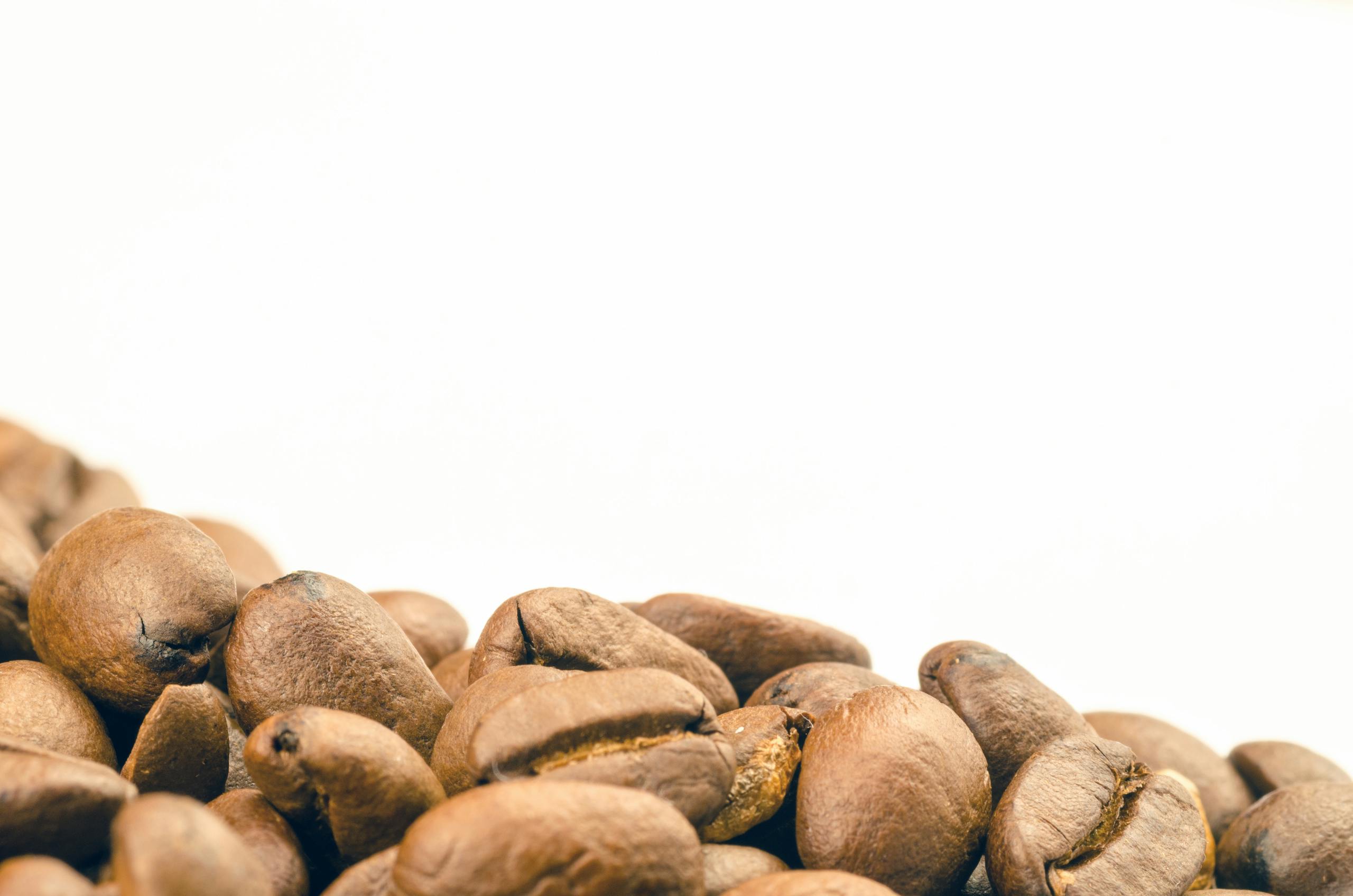
Unlike their sweet counterparts, bitter almonds harbor amygdalin, a chemical that metabolizes into cyanide once ingested. These are often used in traditional liqueurs or flavorings in very small amounts, which dilutes the risk.
Consuming them raw or in large quantities can be deadly, and many countries restrict their sale under modern food laws. Yet their distinctive flavor continues to make them a worldwide culinary curiosity.
Sannakji
In Korea, sannakji is live octopus served immediately after being cut, so it still squirms.
Its suction cups can choke diners, making this dish a true culinary risk. Danger sometimes comes from life, not toxins.
Rhubarb Leaves
Rhubarb stalks, beloved in desserts, contrast with leaves that can cause kidney failure due to their oxalic acid content.
Cooks remove leaves, transforming hazardous plants into treats. Nature’s beauty often hides danger.
Cashews
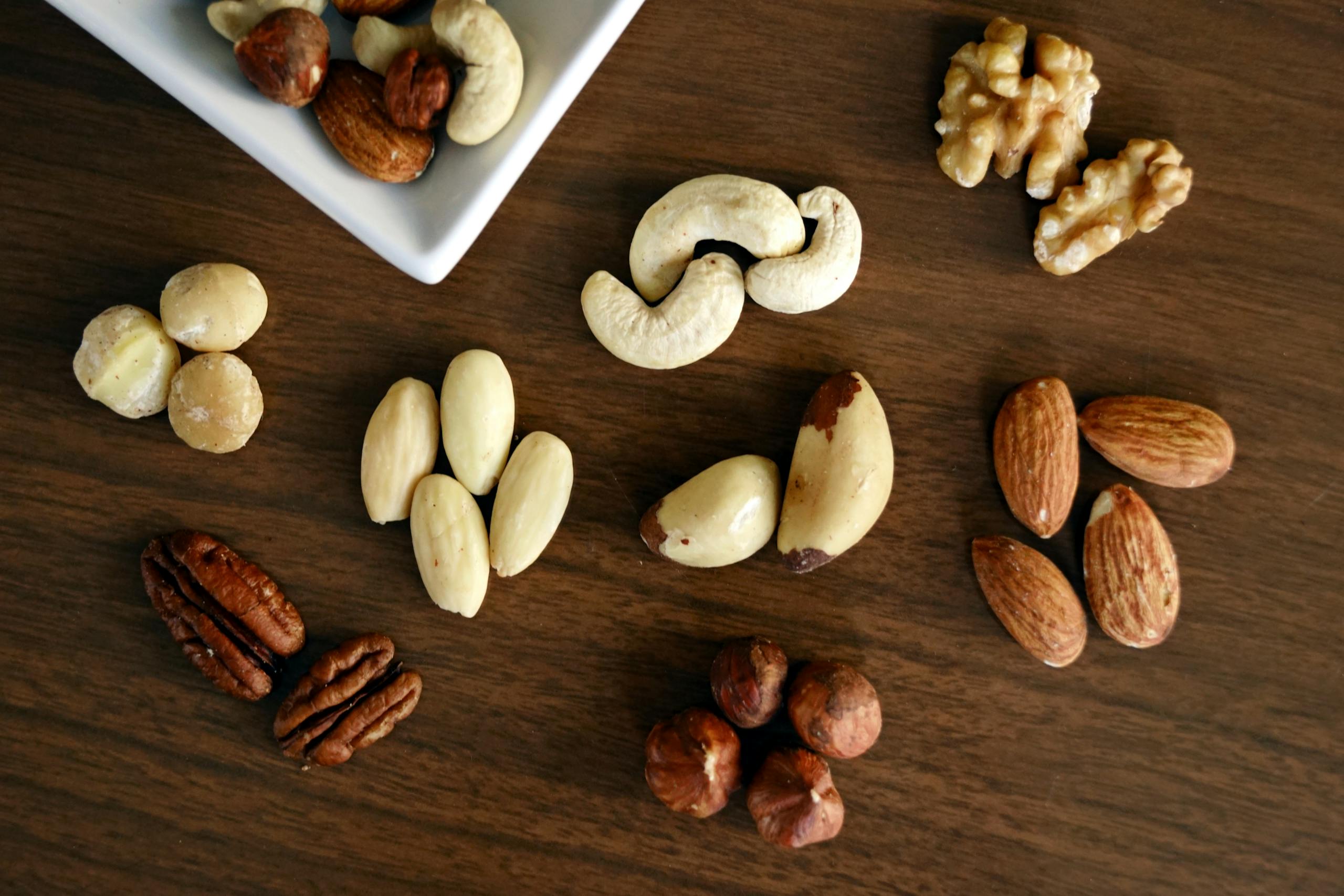
Cashews don’t grow on trees like other nuts — they hang beneath a toxic shell that contains urushiol, the same irritant found in poison ivy. If improperly processed, cashews can cause blistering skin irritation or, if eaten raw, worse.
That’s why every cashew you buy was steamed and roasted before it left the factory, removing the dangerous oils. Knowing this makes the tender crunch of a cashew all the more remarkable.
Elderberries
Elderberries have long been praised for their medicinal benefits, especially in syrups and teas that boost immunity. 1Yet the raw berries, leaves, and stems contain cyanogenic glycosides, which can lead to nausea, vomiting, and even cyanide poisoning if eaten uncooked.
Proper cooking transforms these berries into a safe, beneficial food — but only if done correctly. It’s a fine line between remedy and toxicity that generations have learned to navigate.
Strychnine‑Treated Ginger
Historically, some Southeast Asian traditions used strychnine to intensify ginger’s flavor and medicinal properties
Strychnine can cause convulsions or death. Modern laws prohibit this, reflecting how culinary risks were once embraced.
Nutmeg
Nutmeg is a common spice, but large doses of its myristicin cause nausea, hallucinations, or heart issues. Small amounts are safe and make nutmeg both comforting and intriguing.
Conclusion
The food world blends history, science, and risk. These delicacies show how people tame toxins, turning danger into delight.
Taste involves bravery, tradition, and respect for nature. Each bite may hold a hidden danger—or a culinary treasure.