Winter might seem like a time when your garden is in hibernation, but it’s actually the perfect opportunity to set your plants up for a flourishing spring. Pruning during these colder months helps remove dead or damaged growth, improves air circulation, and encourages new shoots to emerge stronger. Whether you’re looking to enhance the shape of your garden or stimulate abundant blooms, the right winter pruning can make all the difference. Here are five plants that will benefit from a little winter TLC, ensuring your garden bursts into life when the warmer months arrive.
Rose Bushes
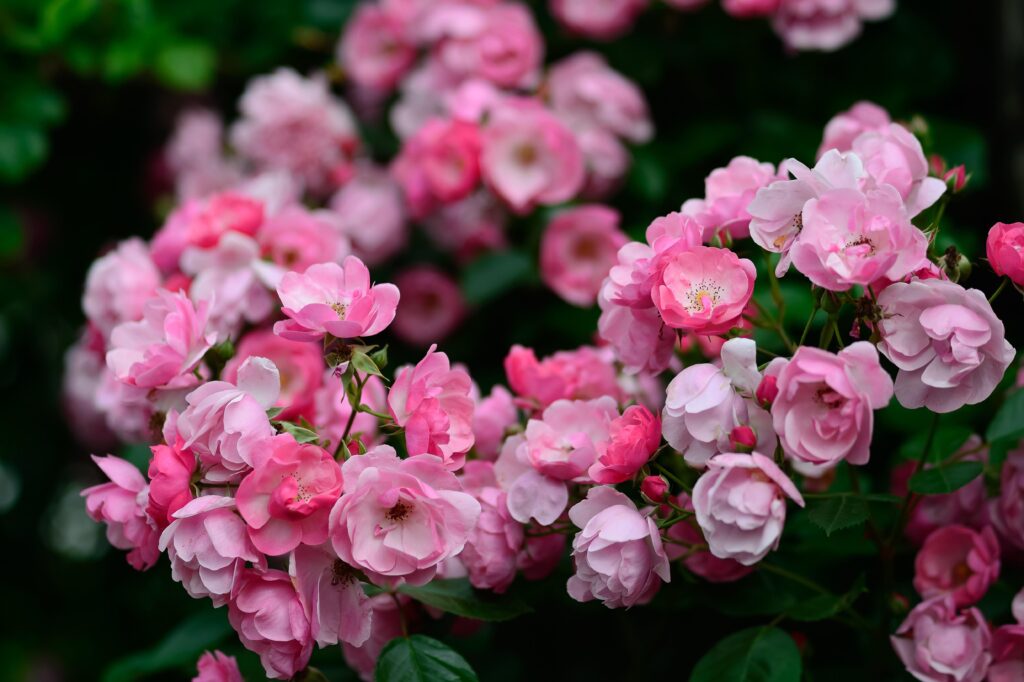
Pruning rose bushes during the winter months helps remove dead or damaged wood, allowing the plant to thrive come spring. It’s essential to prune just before the new growth begins. Trim away any old, weak, or diseased stems, and disinfect your tools between cuts to prevent the spread of plant diseases. Cutting roses too early can leave them vulnerable to frost damage, so time it right for the best results.
Coneflowers
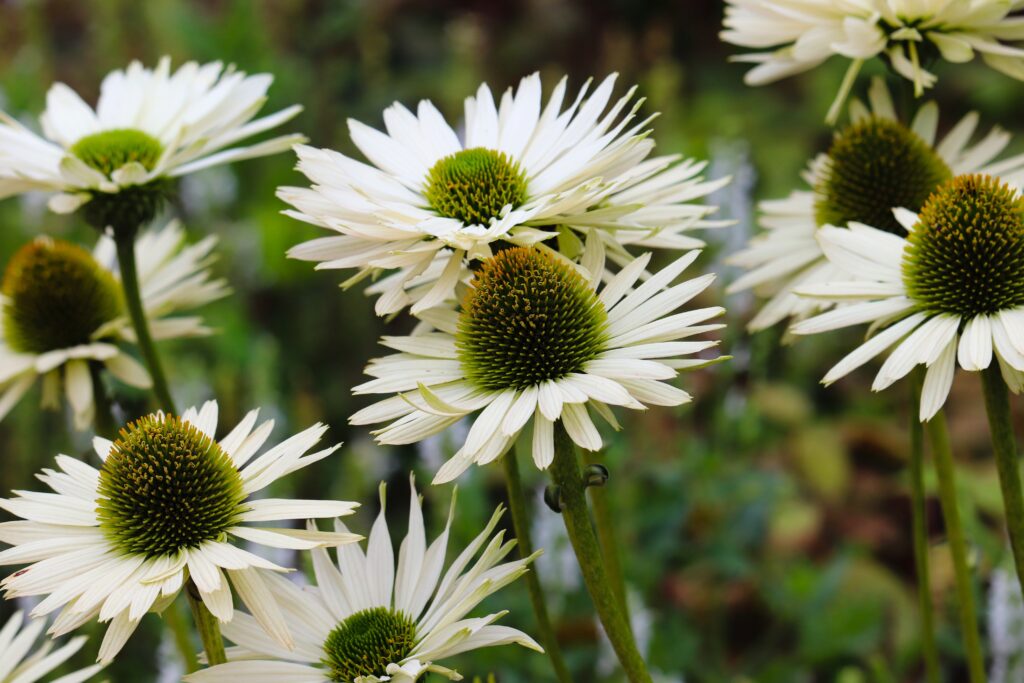
Coneflowers, also known as Echinacea, benefit from a good winter pruning. In the fall, many gardeners leave the seedheads to feed the birds, but come winter, it’s time to trim back the plant. Cutting them back to their crown just as new leaves start to emerge helps improve air circulation and encourages healthier growth. A neat, tidy coneflower plant in spring not only looks great but also performs better.
Panicle Hydrangeas
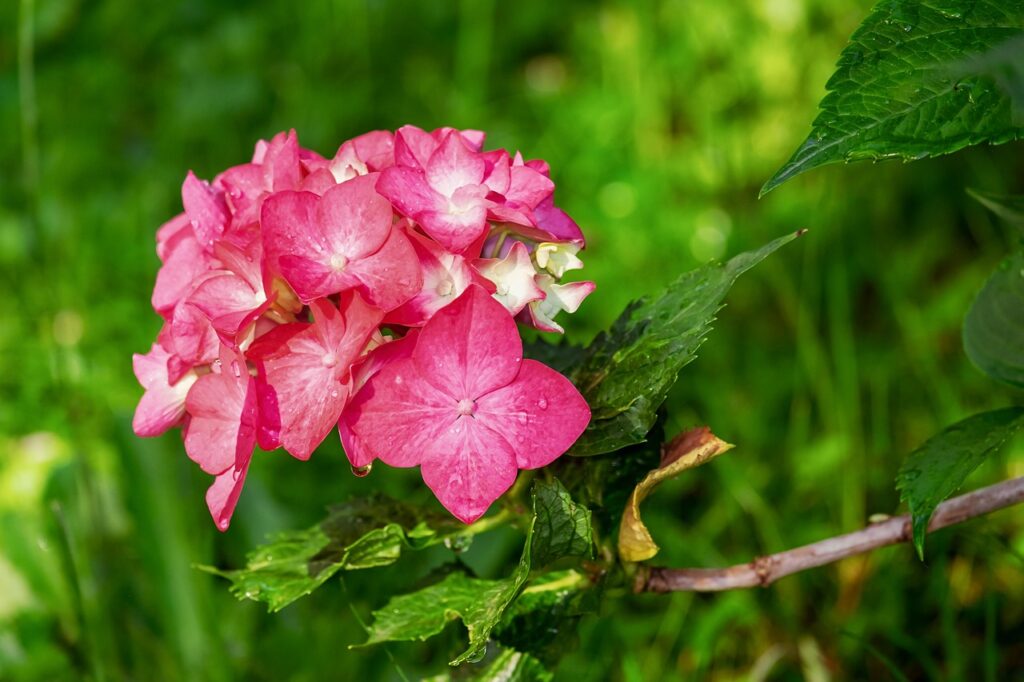
Panicle hydrangeas are known for their stunning blooms, and pruning them in winter will help boost their flower production in the spring. Cut the plant back to just above the buds (called “eyes”) on the stems. This not only encourages better flowering but also keeps the plant’s shape in check. By removing the old blooms and thinning the branches, you make way for stronger, more abundant blossoms when the season changes.
Butterfly Bushes
Butterfly bushes are one of the few shrubs that thrive with a hard prune. These plants bloom on new wood, so cutting them back in winter stimulates fresh growth that will explode with flowers come spring and summer. Cut the plant back to around six to twelve inches above the ground to promote better structure and a more attractive form. This also helps control the plant’s size, preventing it from becoming too leggy or unruly.
Ornamental Grasses
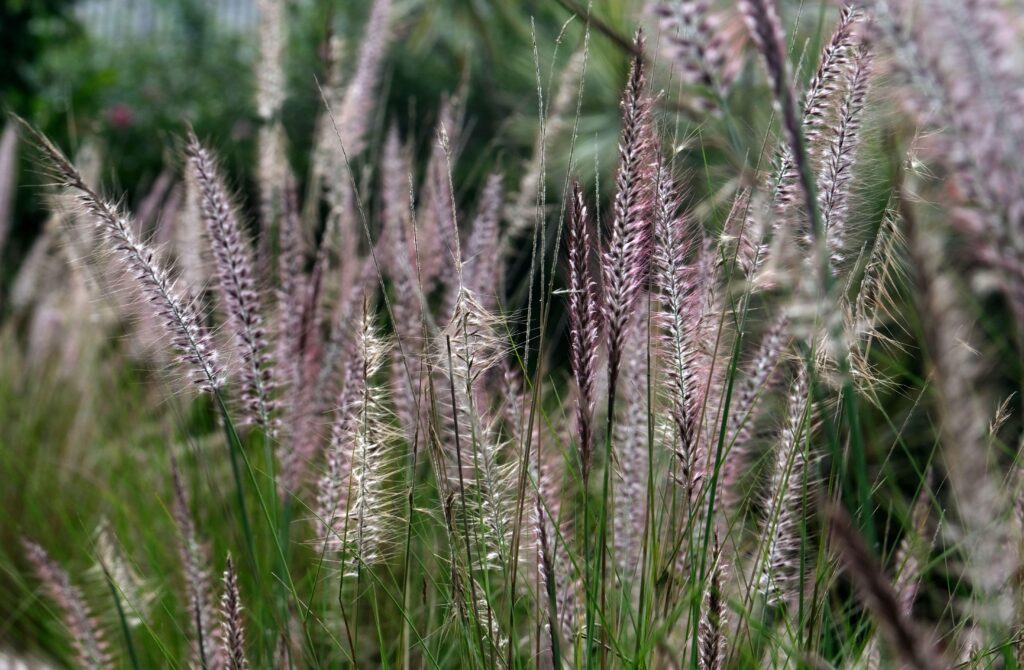
Ornamental grasses, such as fountain grass or blue fescue, often become a bit unruly over the winter months. A good prune before the new growing season kicks in will restore their shape and keep them looking fresh. Cut them down to about 2 to 4 inches above the ground, removing all old, brown stems to make room for new, green growth. This will promote stronger, healthier plants once the warmer weather arrives.
Conclusion
By pruning these five plants in the winter, you’ll give them the best start to the spring season, promoting healthy growth and an abundant, colorful garden!