As the winter months set in, many of us fall into habits that seem harmless, but they can actually have a negative impact on our mental and emotional well-being. While the cozy, cold-weather lifestyle might feel like a comforting retreat, it often comes with stressors that can pile up unnoticed. Here are seven winter habits that could be stressing you out without you even realizing it.
Spending More Time Indoors

When the weather turns chilly and the days grow shorter, it’s easy to retreat indoors. However, the lack of sunlight and the extended periods spent in confined spaces can trigger a cascade of mental health challenges. Less exposure to natural light disrupts your circadian rhythm, the body’s natural sleep-wake cycle, and can lead to feelings of fatigue and even seasonal depression. Isolation also tends to creep in, as staying indoors means missing out on social interactions, which are vital for maintaining a healthy mood. In fact, reduced social interaction and lack of outdoor exposure can contribute significantly to stress and anxiety during the winter months.
Bailing on Social Plans
With the cold weather and early sunsets, it’s easy to cancel plans and stay home under a warm blanket. While this might seem like a comforting choice, frequently bailing on social events can have a detrimental effect on your mental health. Social connections are crucial for emotional support, and without them, feelings of loneliness can intensify. Although it’s tempting to skip social gatherings, especially when they seem less appealing in the winter, maintaining connections with friends and family can help reduce feelings of isolation and combat the stress that accumulates during the colder months.
Increased Screen Time
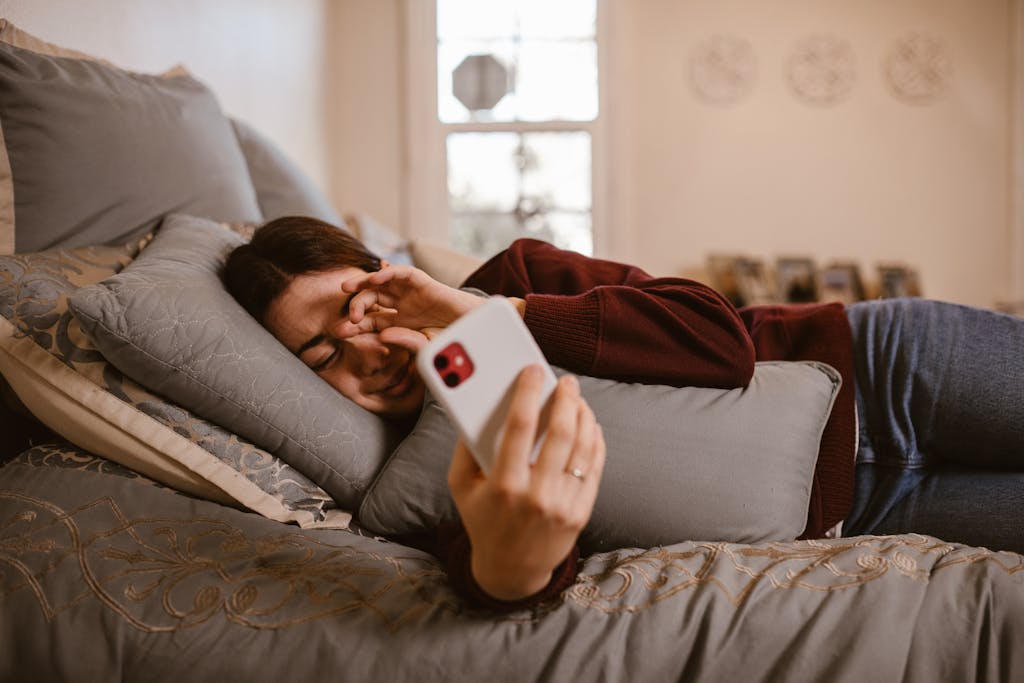
Winter often means spending more time at home, and for many people, that translates into increased screen time. Whether it’s scrolling through social media, watching the latest shows, or consuming news, excessive screen time can be mentally draining. The constant flow of information, especially negative news or the pressure of perfect social media portrayals, can leave you feeling overwhelmed, stressed, and disconnected. Instead of a comforting escape, the screen becomes a source of mental exhaustion, fueling anxiety and feelings of inadequacy.
Not Moving Your Body
When the weather turns cold, the motivation to exercise tends to drop significantly. However, remaining inactive during the winter months can have serious repercussions for both physical and mental health. Regular movement and exercise are proven to reduce stress by triggering the release of endorphins, the body’s natural mood lifters. When we stop moving, not only do we risk gaining weight, but we also limit our ability to manage stress effectively. A sedentary lifestyle increases tension, and our stress levels remain high. Getting even a little physical activity, like walking or stretching, can make a significant difference in how we feel.
Poor Sleep Schedules

The arrival of winter brings changes in light and temperature that can disrupt your sleep patterns. The lack of sunlight can make it harder to wake up in the morning and stay alert throughout the day. People often find themselves staying up later and waking up later, leading to inconsistent sleep schedules. Sleep is essential for managing stress and maintaining emotional health, and poor sleep quality or lack of sleep can increase irritability and leave you feeling anxious and drained. A disrupted sleep schedule only exacerbates the stress response, making it more difficult to cope with the demands of daily life.
Lacking Self-Compassion
The winter months, combined with the pressures of New Year’s resolutions and the colder, darker days, often lead to increased self-criticism. It’s easy to get caught up in negative thinking, comparing ourselves to others, or judging ourselves harshly for not accomplishing everything we set out to do. This lack of self-compassion can escalate feelings of stress and anxiety, especially when paired with the pressure of trying to live up to unrealistic standards. Learning to be kind to yourself and to accept that winter is a time for rest and reflection, not perfection, is crucial for managing stress and boosting overall well-being.
Drinking Alcohol More Often

The winter months often bring an uptick in social gatherings where alcohol flows freely, or it becomes a way to unwind after a long day. While alcohol may initially seem to provide a sense of relaxation, it can actually worsen stress and anxiety over time. Alcohol is a depressant that disrupts the body’s natural stress-reducing mechanisms and can leave you feeling more anxious once the effects wear off. Regular alcohol consumption during the winter months can also affect your sleep quality, leading to a vicious cycle of stress and poor sleep that’s hard to break.
Conclusion
While winter can be a time of relaxation and rejuvenation, many of the habits we form during the colder months can unknowingly contribute to increased stress. By being mindful of how our behavior shifts during winter, we can start making small changes to reduce stress and improve our emotional health. Incorporating outdoor time, limiting screen exposure, sticking to a healthy sleep routine, maintaining social connections, reducing alcohol consumption, staying active, and practicing self-compassion are all key strategies to keep stress at bay and maintain a balanced, healthy mindset throughout the winter season.