We tend to call a food weird the moment it falls outside our habits, our childhood comfort zone, or the menu we grew up with. What feels normal in one kitchen can look completely baffling in another.
Yet once we move past appearance, texture anxiety, and the stories we tell ourselves about what belongs on a plate, we often discover that many so-called strange foods are deeply satisfying, rich in history, and surprisingly craveable.
The truth is simple: Deliciousness does not always arrive in familiar packaging. Some of the most memorable bites come from foods that seem intimidating at first glance, whether that means preserved fish, edible insects, organ meats, or dishes built from parts many people are taught to avoid. When prepared well, these foods offer bold flavor, real culinary character, and a reminder that taste is often wider than our assumptions.
Pickled Herring
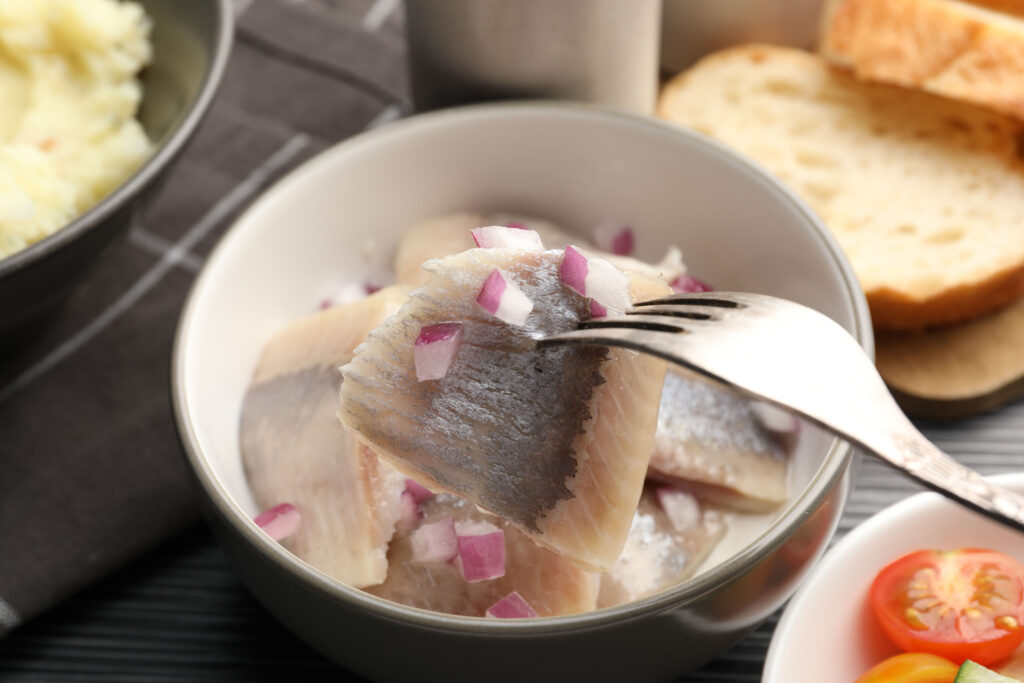
Pickled herring is one of those foods that suffers badly from first impressions. A jar of pale fish, cream, onions, and brine does not exactly inspire confidence in the uninitiated.
Still, once we set aside the visual shock, we find a snack that is layered, savory, and unexpectedly balanced. The herring itself carries a meaty richness, but the pickling softens its sharper edges and gives it a bright, clean tang.
What makes pickled herring work is contrast. The fish is dense and satisfying, the sour cream or brine brings acidity, and the onions add sweetness and bite.
Together, they turn what might seem like a harsh seafood experience into something rounded and addictive. Served on a cracker, dark bread, or even alongside boiled potatoes, pickled herring becomes less of a dare and more of a quiet revelation.
Fried Grasshoppers
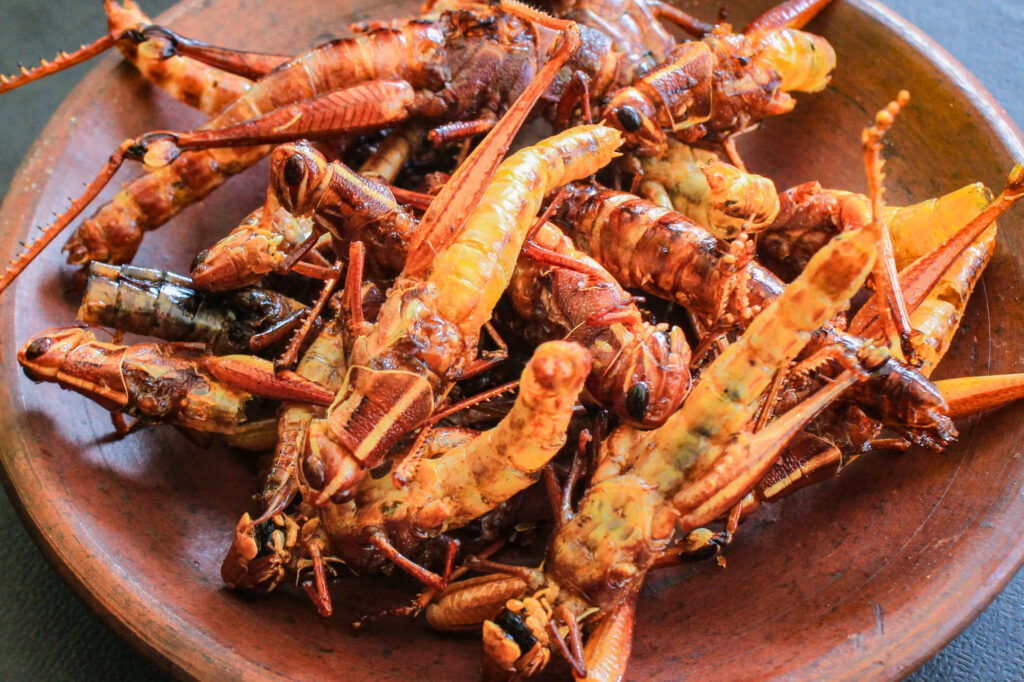
For many people, the idea of eating fried grasshoppers sounds like a culinary prank. Yet in regions where chapulines are a beloved snack, they are treated with the same casual appreciation as roasted nuts or chips. Once seasoned with chili, garlic, lime, or salt, they become intensely flavorful, crisp, and easy to enjoy one bite at a time.
The appeal lies in texture as much as taste. Fried grasshoppers bring a dry, crackling crunch that works beautifully with bold seasoning. Their flavor is often described as earthy, nutty, and pleasantly savory, especially when toasted well.
We may hesitate because they are insects, but that hesitation fades quickly once we realize they deliver exactly what great snack food should: salt, crunch, punch, and a little thrill.
Escargot
Snails sound far more alarming than escargot, which is precisely why this dish has long depended on technique and presentation to win over skeptics. In practice,escargot is rarely about raw novelty. It is about butter, garlic, herbs, and the gentle, tender chew of the snail itself. When cooked correctly, the snail becomes the perfect vehicle for rich flavor rather than a challenge to endure.
This dish has earned its reputation for transforming the unfamiliar into something refined. We do not approach escargot for brute intensity. We approach it for elegance, aroma, and the satisfaction of dipping bread into garlicky melted butter after the snail is gone. What begins as hesitation often ends as appreciation, especially once we understand that the supposed weirdness is far louder than the actual eating experience.
Dandelion
Dandelions are dismissed as weeds in countless yards, yet their culinary history tells a far more interesting story. The leaves, roots, and flowers have all found a place in kitchens that value bitter greens, herbal depth, and practical eating. When we stop seeing dandelions as lawn invaders and start seeing them as ingredients, they open up a world of flavor that feels rustic, fresh, and unexpectedly versatile.
Young dandelion greens can be sautéed until tender, dressed with lemon, or folded into soups and salads where their bitterness adds complexity rather than punishment. That slight sharpness is exactly what makes them compelling. Like arugula or mustard greens, they wake up the palate and pair well with oil, salt, garlic, and richer foods. Dandelions may not sound glamorous, but they reward any cook who treats them with care.
Macaroni with Ketchup and Cottage Cheese
Some strange foods are not ancient delicacies or regional traditions. Some are simply odd combinations that look like a mistake until we taste them.
Macaroni with ketchup and cottage cheese belongs firmly in that category. On paper, it sounds like a compromise dinner assembled from the last survivors in a nearly empty refrigerator. In reality, it can be oddly comforting, tangy, creamy, and filling.
The reason it works is that each ingredient brings a clear role. The pasta gives softness and substance, the ketchup adds sweet acidity, and the cottage cheese cools everything down with a mild creaminess. It is not elegant food, and it does not pretend to be. What it offers instead is honest comfort with a strange little edge, the kind of dish we laugh at first and quietly finish anyway.
Blood Sausage
Blood sausage frightens people because its name does not soften the truth. It tells us exactly what it is, and for many diners, that alone is enough to shut down curiosity.
Yet once cooked and served properly, blood sausage proves itself as one of the most robust and satisfying savory foods on the table. It is earthy, deeply seasoned, and full of character in a way that ordinary sausage often is not.
The blood is typically blended with grains, fat, and spices, which creates a texture that can be dense, tender, and beautifully rich. Instead of tasting shocking, it tastes old-fashioned and intentional.
We get depth, warmth, and a dark mineral note that stands up well to breakfast spreads, fried onions, potatoes, or sharp sauces. Its reputation is harsher than its actual flavor, and that mismatch is precisely why it surprises so many first-time eaters.
Chicken Liver
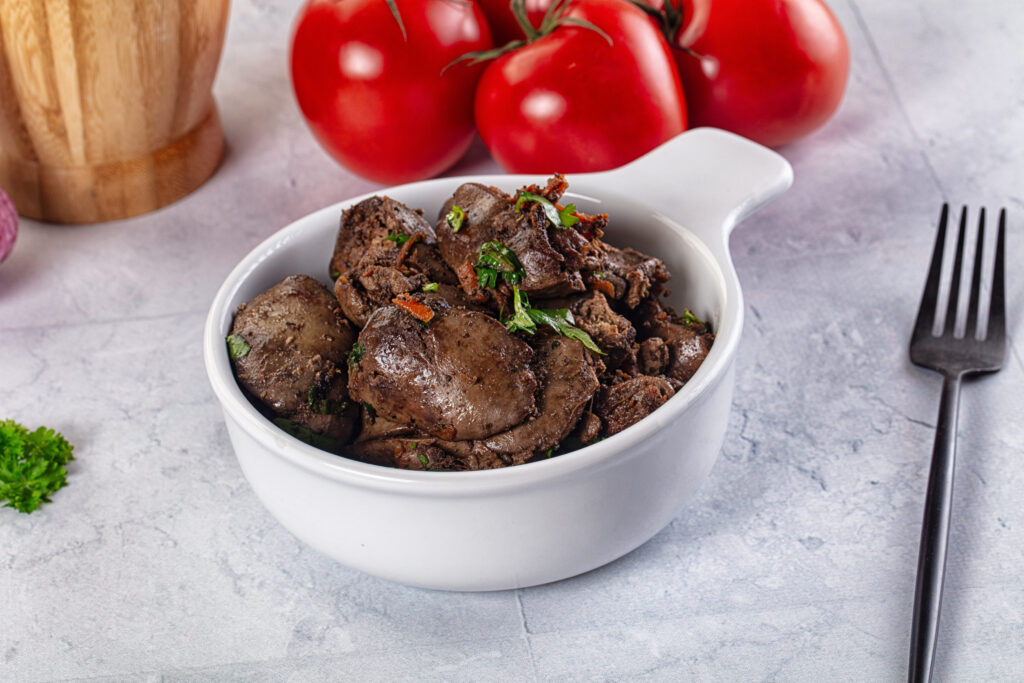
Chicken liver on its own can be divisive because liver has a strong, metallic edge that many people find overwhelming. Pâté changes that story. Once the liver is blended with fat, seasoning, and careful technique, it becomes smooth, rich, and luxurious enough to feel at home on toast at a formal gathering. Texture does a great deal of work here, but flavor matters just as much.
Good chicken liver pâté is creamy without being dull, savory without becoming aggressive, and rich without tipping into heaviness. Spread onto warm bread or crackers, it offers a deep umami quality that feels far more elegant than the ingredient list suggests. We may resist organ meat in visible form, but pâté proves that transformation is one of cooking’s greatest powers. What once looked intimidating becomes indulgent.
Kishke
Kishke, sometimes called stuffed derma, has a name that almost guarantees resistance from anyone unfamiliar with it. Yet behind that old-world label is a food built on thrift, tradition, and the genius of making something deeply satisfying from simple ingredients. Fat, flour or meal, onion, and seasoning come together in a casing to create a dish with real body and warmth.
The beauty of kishke lies in how thoroughly it embraces comfort. It is soft, savory, and rich, especially when served with slow-cooked dishes or broths that allow it to absorb surrounding flavor.
This is not flashy cuisine, and it does not need to be. It is the kind of food that tells a story about survival, family tables, and generations who understood that deliciousness often begins with making the most of what is available.
Bone Marrow
Few foods sound stranger than the idea of splitting open a bone and eating what is inside, yet bone marrow has become a favorite in restaurants precisely because it tastes so indulgent. Roasted bone marrow is buttery, silky, and deeply savory, with a richness that spreads easily onto toast and lingers on the tongue. Once we get past the concept, the pleasure is immediate and obvious.
Bone marrow succeeds because it delivers pure intensity. It has the roast depth of meat, the smoothness of softened butter, and the faint sweetness of something almost caramelized by heat.
A little salt, a little acid, and crisp bread are often all it needs. It may sound primitive or excessive, but on the plate it feels almost elegant. That contrast between idea and experience is what makes it one of the most convincing entries in any discussion of weird foods that are actually delicious.
Rocky Mountain Oysters
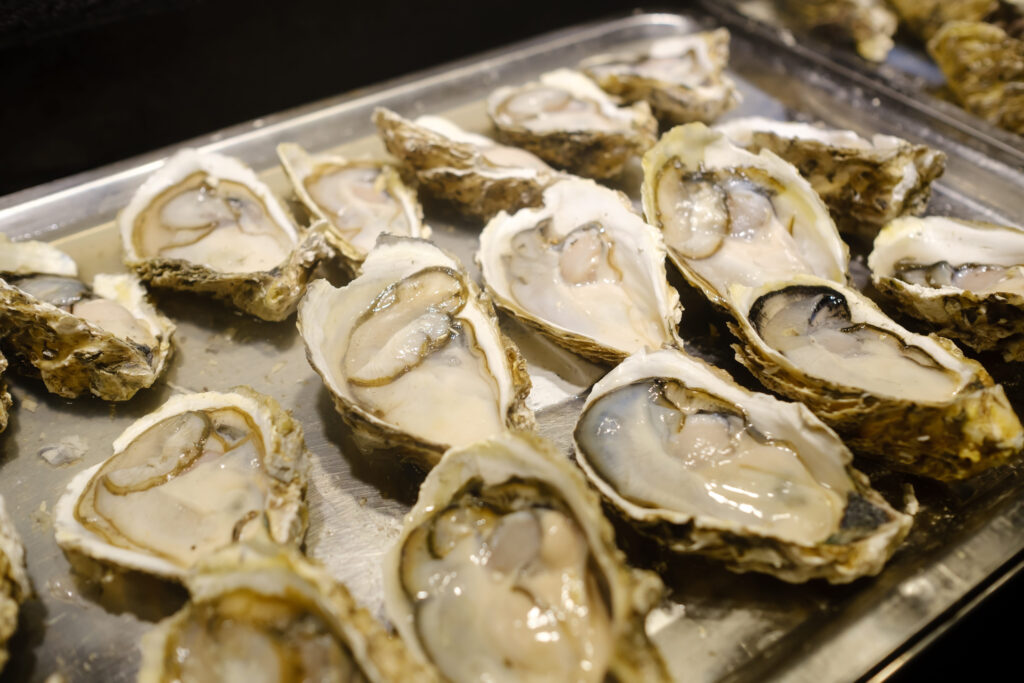
Rocky Mountain oysters are perhaps one of the most famously misunderstood foods in North America. The name sounds playful and harmless until the truth comes out: they are typically bull or calf testicles, sliced, breaded, and fried. That revelation alone stops many people cold. Yet stripped of the joke and judged strictly as food, they are far more approachable than their reputation suggests.
Their flavor is usually mild, especially after seasoning and frying, and their texture falls somewhere between tender meat and firm sweetbread. Much of the reaction they provoke has less to do with taste and more to do with psychology. We recoil because we know what they are, not because they are inherently unpleasant. In fact, when served hot with a dipping sauce, they can be crisp, satisfying, and entirely enjoyable. They remind us that disgust is often learned long before a bite ever happens.