Welcoming a baby into the world is one of life’s most exciting and rewarding experiences. However, the costs can quickly spiral, especially during those first few years. From diapers to formula and baby gear, it’s easy to see why some parents find the financial aspects of parenthood daunting.
Fortunately, there are plenty of strategies to help you reduce baby-related expenses without sacrificing your child’s quality of care or comfort. Here’s a more detailed look at how you can save money while navigating the first few years of your baby’s life.
Embrace Secondhand Baby Gear
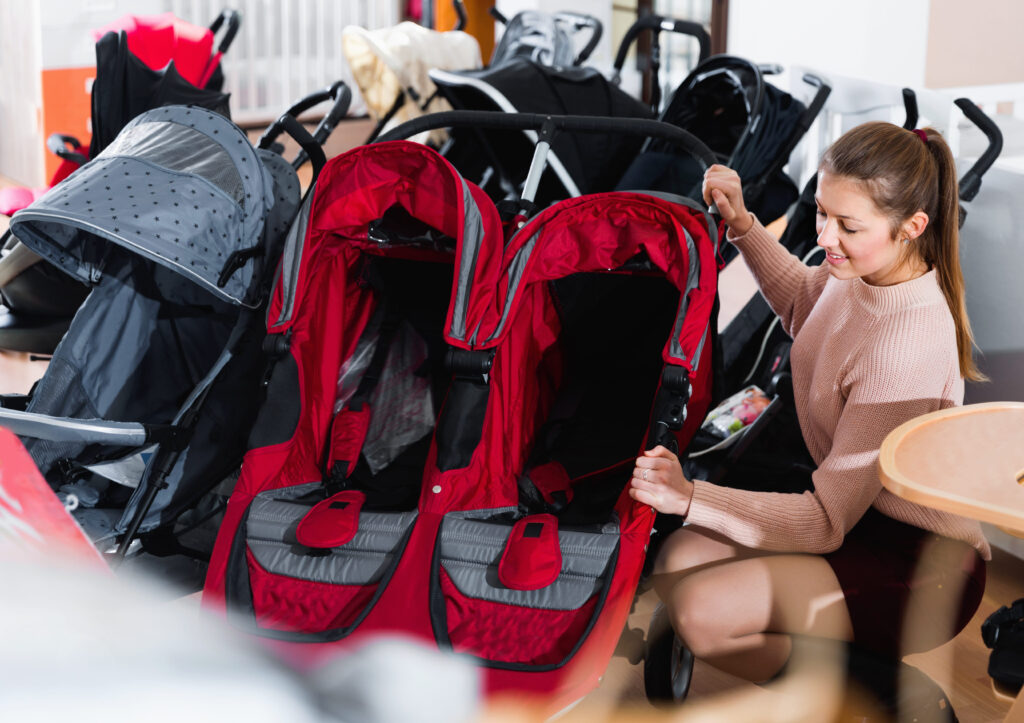
When it comes to baby gear, one of the most effective ways to save money is to buy secondhand. Many baby products, such as strollers, cribs, car seats, and baby clothing, are often used only for a short time before they’re outgrown. You can find gently used items through online marketplaces like Facebook Marketplace, Poshmark, or Craigslist. Many people pass on their unused baby items at great prices, and sometimes even for free. The best part? The gear still has a lot of life left.
Before making any purchases, ensure that the items are safe and meet current safety standards. Always double-check for recalls and confirm that the items are still in good working order. For safety, especially for car seats, refer to the Consumer Product Safety Commission to ensure the gear is still safe to use. Not only will you save money, but you’ll be doing your part to reduce waste as well.
Maximize the Benefits of Breastfeeding
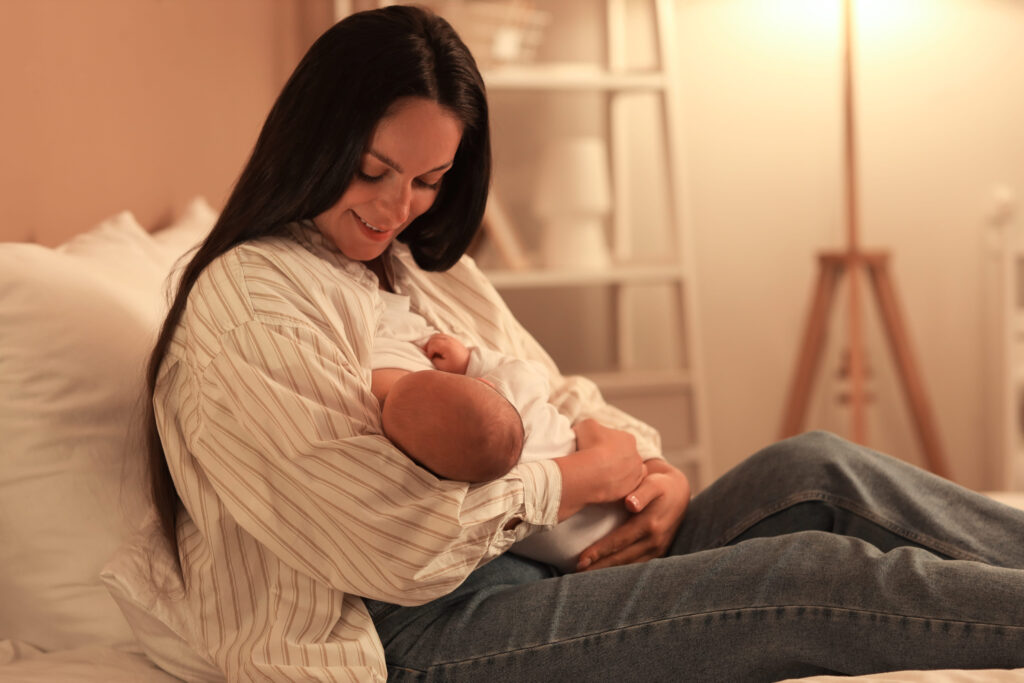
Breastfeeding is one of the best ways to nourish your baby, and it’s completely free. While it’s important to recognize that breastfeeding may not be possible for all mothers, it remains one of the most cost-effective options available.
Formula feeding can cost upwards of $40 a week, amounting to more than $2,000 in the first year alone. Plus, breastfeeding has long-term health benefits for both the baby and the mother.
For new moms considering breastfeeding, try not to get caught up in buying expensive accessories right away. While breast pumps and nursing pillows might be marketed as essential, you may find you don’t need them, or that a simpler approach works just as well. If breastfeeding doesn’t go as planned, there are plenty of options available, and it’s okay to pivot. If you do choose to breastfeed, it’s worth checking with your insurance company since the Affordable Care Act mandates that insurers cover breast pumps and lactation counseling.
Delay Purchasing Breastfeeding Supplies Until You Know What You Need
Many expecting parents buy breastfeeding gear in advance, thinking it’s an essential part of preparation. However, not all babies latch on easily, and some mothers may struggle with breastfeeding.
To avoid wasting money on breastfeeding accessories that you might not use, wait a couple of months to see how your breastfeeding journey unfolds. All you really need at the start is you and your baby, along with some comfortable clothing for yourself. If breastfeeding doesn’t go as expected, you can then choose to invest in a breast pump or nursing supplies.
If you plan to return to work, however, a high-quality breast pump is an essential investment. Check your insurance for coverage options, as many plans offer free or discounted breast pumps. Some even cover the rental costs of a hospital-grade pump, which can be an affordable way to try out a pump without committing to a purchase.
Avoid Stocking Up on Baby Products You Haven’t Tested
It’s easy to get carried away with buying baby products, especially when they’re on sale. However, resist the urge to stock up on large quantities of diapers, wipes, bottles, and pacifiers until you’re sure your baby will like them.
Babies can be picky, and many parents find that their little one refuses a certain brand or product after trying it out. Start with small quantities and test different options to find what works best for your baby. Once you know your baby’s preferences, you can buy in bulk to save money in the long run.
Take Advantage of Free Samples and Coupons
Companies that make baby products are eager to win your loyalty, and they often give out free samples, discounts, and coupons to entice you. From diaper samples to baby wipes and bottles, there are plenty of freebies available.
All you have to do is ask! Some online platforms even offer full-size products for free in exchange for signing up for a newsletter or joining a rewards program. It’s a simple way to stock up on essentials without spending a penny. Be sure to sign up for baby-related mailing lists and keep an eye out for online promotions.
Buy Diapers in Bulk and Take Advantage of Bulk Discounts
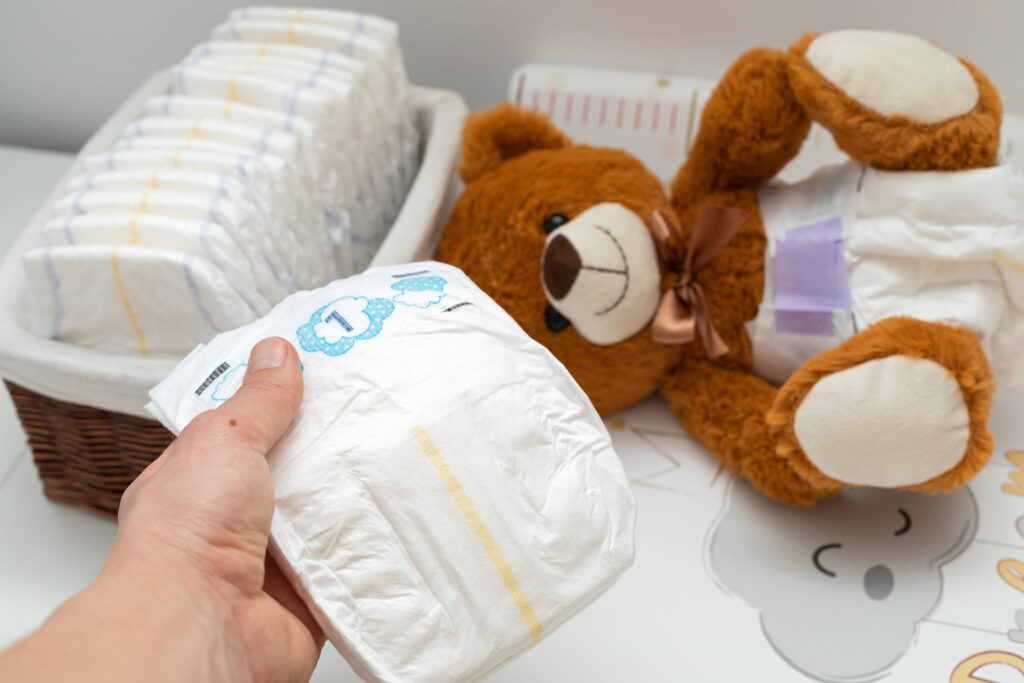
Diapers can be one of the most expensive ongoing expenses for parents. If you use disposable diapers, buying in bulk is the best way to save. Retailers like Costco, Sam’s Club, and even Amazon offer significant savings when you purchase larger quantities.
Consider enrolling in Amazon’s “Subscribe & Save” program for diaper discounts and automatic deliveries. You’ll also receive the added benefit of an Amazon Prime membership for quick shipping. Just be sure to try out a few different brands first to find the one that works best for your baby’s skin and comfort.
For those willing to try cloth diapers, it’s the most cost-effective option in the long run, though it may involve more work. While they require washing, cloth diapers can be reused for subsequent children, saving you money across multiple years.
Make Your Own Baby Food – A Healthier and Cheaper Alternative
Making your own baby food is not only a money-saving option but also a way to provide your baby with fresher, healthier food. Baby food jars, especially organic ones, can be expensive, sometimes costing as much as $1 per jar, with some high-end varieties priced even higher. With a little planning and preparation, you can make the same purees for just a fraction of the cost.
All you need is a small food processor, blender, or even a simple masher. Start with fruits and vegetables that you already use in your own meals. For example, steam a batch of carrots, sweet potatoes, or peas while you’re preparing your dinner, and then mash them up into a smooth puree for your baby. You can also use fruits like apples, pears, bananas, or avocados, which require little preparation and can be mashed easily.
Once you have a batch ready, freeze the portions in ice cube trays or small containers. These frozen baby food cubes are an excellent way to store individual servings, and you can pull out one or two at a time when you need them. Freezing baby food not only saves you time but also reduces waste, as you won’t be throwing away unused jars or containers. By making baby food in bulk, you can save money and ensure your child eats nutritious, homemade meals you control.
Skip the Crib Bedding – Keeping It Simple and Safe
While a beautifully decorated nursery may seem like a priority for many new parents, it’s important to remember that your baby doesn’t need excessive crib bedding. In fact, over-accessorizing the crib can be dangerous, as it increases the risk of suffocation or sudden infant death syndrome (SIDS).
The American Academy of Pediatrics (AAP) advises that babies sleep on their backs in a safe sleep environment free of soft bedding, including pillows, blankets, bumpers, and stuffed animals. These items can increase the risk of suffocation or entrapment, especially when babies start to roll over.
All your baby really needs in the crib is a firm, flat mattress and a well-fitted sheet. A breathable sleep sack or wearable blanket is a safer alternative to traditional blankets, as it keeps your baby warm without the risk of them getting tangled or suffocated by loose fabric. Sleep sacks come in various styles, with or without arms, depending on what your baby prefers.
By skipping expensive crib bedding sets that often include items your baby doesn’t need, you save money while also prioritizing your baby’s safety. You can always buy a cute crib sheet to match the room’s theme, but unnecessary plush blankets and decorative pillows are better left off the list. Keep it simple, functional, and safe, and your baby will sleep just as soundly.
Don’t Buy Baby Shoes – They’re Cute, But Unnecessary
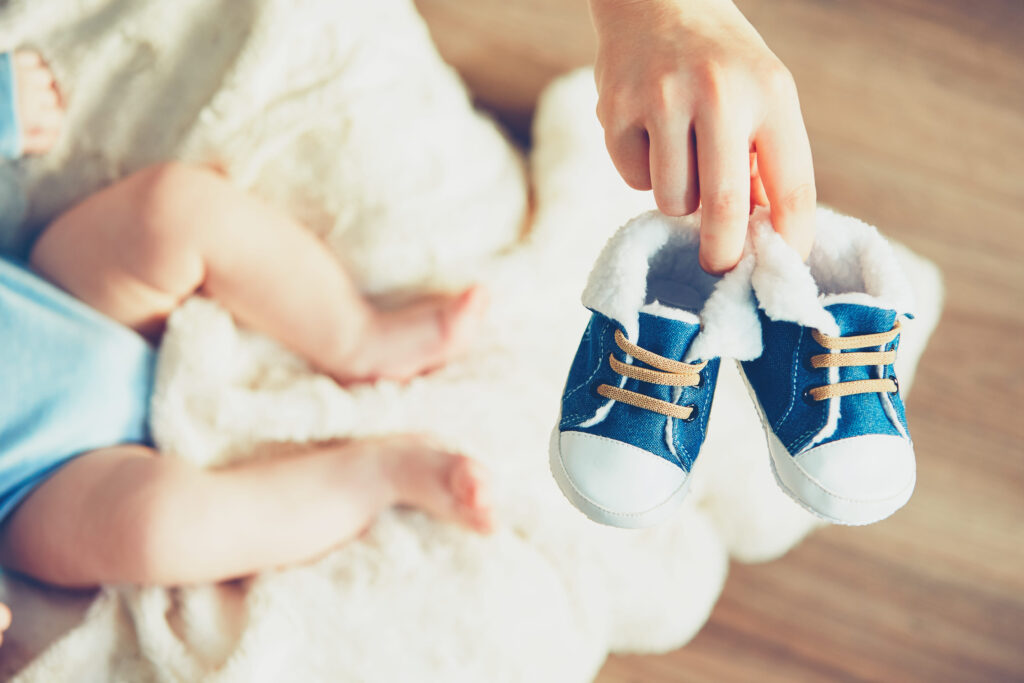
Baby shoes are undeniably cute, but they’re not essential in the early months of your child’s life. When your baby is just starting out, their primary needs are comfort and warmth, and a simple pair of socks or soft booties will serve this purpose much better than hard-soled shoes. At this stage, your baby isn’t walking yet, so investing in shoes that they can’t even use for months is an unnecessary expense.
When your baby reaches the crawling stage, a pair of soft shoes or socks with grips can provide extra traction, especially on slippery floors. However, even then, they don’t need the pricey, structured shoes marketed for toddlers. Instead, focus on shoes that allow for flexibility and support the natural development of your baby’s feet.
Once your baby takes their first steps, it may be time to invest in their first pair of walking shoes. When purchasing shoes, make sure they fit well, allow for proper movement, and have soft, flexible soles. But until that milestone comes, soft socks or slip-on shoes will do just fine, keeping their feet comfortable and cozy while saving you money.
Many parents feel compelled to buy shoes because they’re an easy way to complete an outfit, but it’s important to recognize that shoes aren’t necessary for babies who aren’t yet walking. Save your money for when your little one is actually ready to walk, and focus on buying shoes that are practical, comfortable, and properly fitting. In the meantime, keep their feet warm and happy with inexpensive socks.