If you’re dealing with an influx of rabbits munching through your garden, it’s time to take a hard look at what you’re doing to attract these unwelcome guests. While rabbits can seem harmless and even cute, they can wreak havoc on your plants and garden. If you’re not careful, your gardening habits may be inadvertently giving them the perfect environment to thrive. Below, we’ll dive deeper into 10 common mistakes that are making your garden a rabbit’s paradise and how you can easily turn things around.
Letting Grass Grow Wild
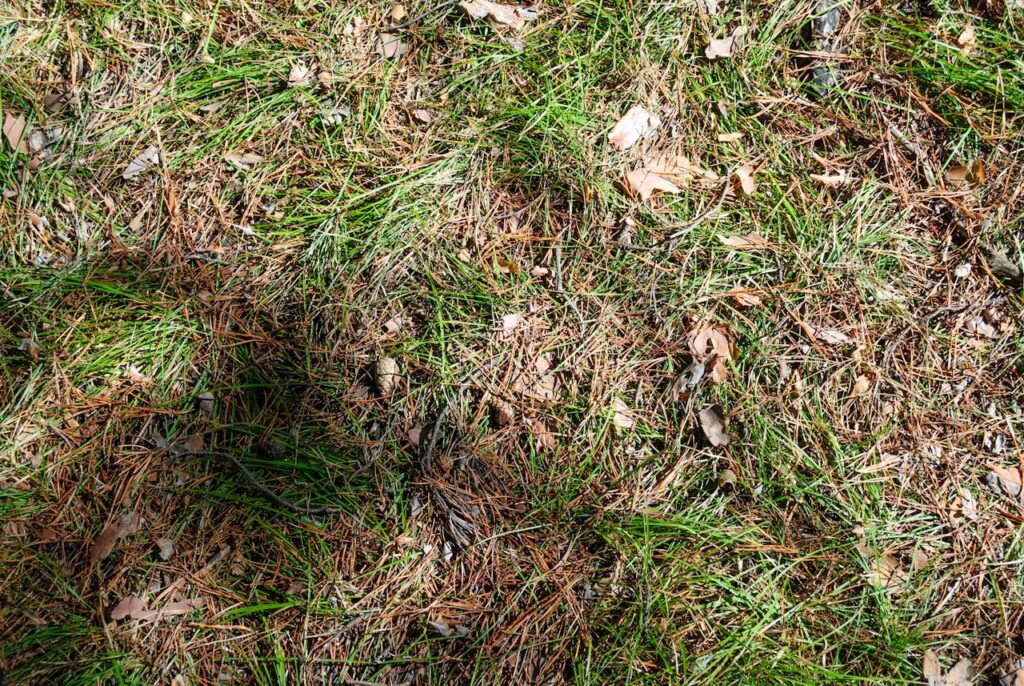
Tall, unkempt grass isn’t just an eyesore; it’s an invitation for rabbits to take up residence in your garden. Wild, dense grass provides rabbits with the perfect hiding place from predators. When grass is allowed to grow freely, it becomes an ideal shelter where they can nest and stay hidden while they feed. The solution is simple: keep your grass trimmed and manage the growth around your garden area to reduce cover for these little pests.
Growing Crops at Ground Level
Planting vegetables directly on the ground makes it easier for rabbits to access your crops. With their strong digging and hopping abilities, rabbits can easily reach these low-lying plants. To protect your plants, elevate your garden with raised beds or use plant stands to keep vegetables out of easy reach. This reduces the temptation for rabbits and provides your garden with stronger defense against these hungry creatures.
Leaving Young Plants Exposed

Young plants, especially delicate seedlings, are highly attractive to rabbits. These tender greens are soft and easy to nibble on, making them perfect for rabbit diets. Without any protective covering, these plants become easy targets. Use row covers, mesh netting, or even cloches to shield young plants from rabbit damage as they establish. This small investment can save your plants from becoming a rabbit’s feast.
Planting Vegetables Right Next to Hedges and Shrubs
While shrubs and hedges are great for privacy, they also provide rabbits with the perfect cover. If you plant your vegetables too close to these dense areas, you’re essentially inviting rabbits to have easy access to your crops. These natural fences allow them to approach your garden without being exposed in open spaces. Consider separating edible plants from thick foliage or installing barriers to keep these creatures from sneaking in unnoticed.
Providing a Free Water Source
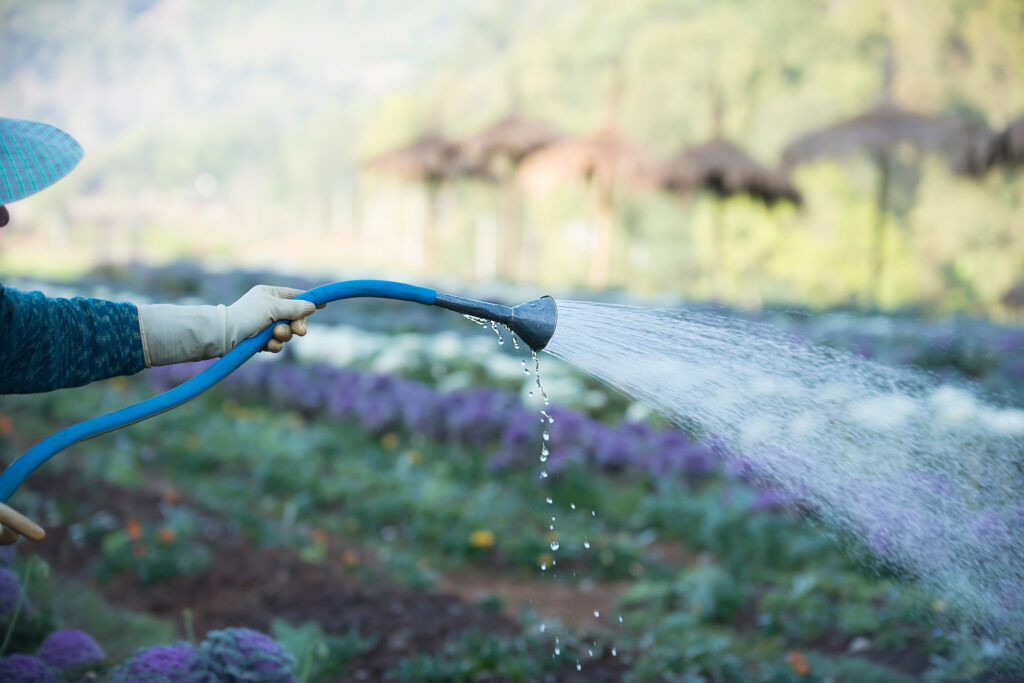
Rabbits are always on the lookout for water sources, especially during hot months. If you have a bird bath, a leaky hose, or standing water in your garden, you’re giving rabbits an additional reason to stay in the area. They’ll come back repeatedly for the free drink, and the more they come, the more comfortable they’ll become in your garden. Consider installing water features that are difficult for them to access, or remove standing water, to discourage them from hanging around.
Allowing Shelter Around Your Garden Space
Piles of firewood, brush, or leftover garden debris may seem harmless, but they can be the perfect hiding spots for rabbits. These piles serve as shelters, providing protection from predators and a safe place to nest. Remove any unnecessary debris and designate areas away from your vegetable gardens where rabbits can hide. Keep your garden free from these easy shelter spots to prevent rabbits from moving in.
Using Organic Mulch Without Barrier Protection
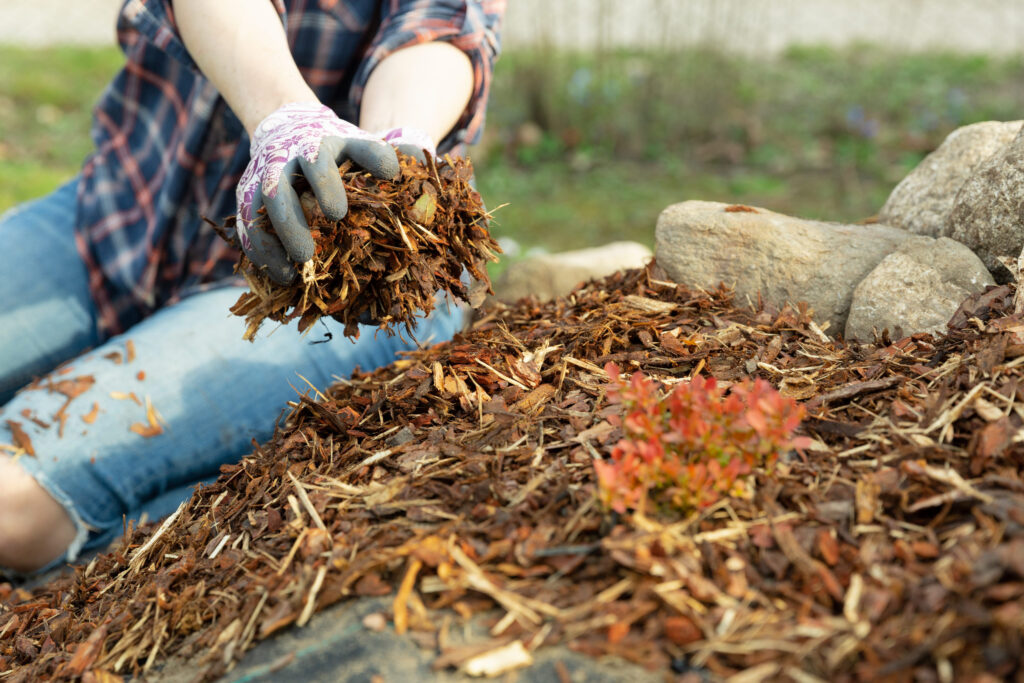
While organic mulch can be a great addition to your garden, it can also attract rabbits. Mulch not only provides a soft, easy-to-dig surface but also offers food sources such as seeds and plant material. Without barriers like chicken wire beneath the mulch, you’re inviting rabbits to feast and burrow. Place wire mesh beneath the mulch to create a barrier that prevents rabbits from using it as a haven and feeding ground.
Neglecting Active Yard Maintenance
A well-maintained yard is less inviting to rabbits. If your garden looks neglected, with overgrown weeds, fallen leaves, and abandoned garden areas, it becomes a prime location for rabbits to settle in. Regular maintenance, trimming hedges, mowing the lawn, and picking up fallen leaves will reduce the number of places rabbits can hide. A busy, active yard with people walking through it regularly also discourages rabbits from feeling safe and comfortable.
Planting Rabbit Favorites Too Close Together
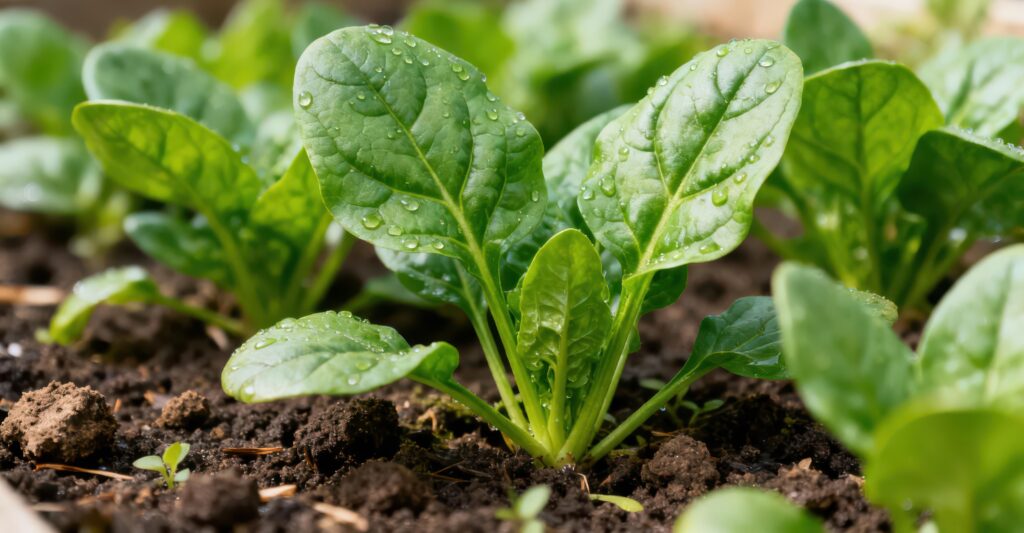
Certain plants, like lettuce, spinach, and carrots, are especially irresistible to rabbits. When you plant these tasty treats too close together or near the edge of your garden, it creates a concentrated food source that’s hard to resist. Be strategic about where you plant these favorites, and try to keep them farther from the outer edges or garden borders. You can also use raised garden beds or protective netting to keep rabbits out.
Ignoring Simple Barriers Around Vulnerable Plants
A simple fence or barrier can be the difference between a thriving garden and a rabbit-ravaged one. Without protective measures such as mesh fences or plant collars, your crops are left vulnerable to being eaten. Even small fences can discourage rabbits from hopping into your garden and snacking on your plants. Make sure to bury the base of your fence a few inches into the soil to prevent burrowing.
Conclusion
Rabbits are persistent creatures, but by adjusting a few of your gardening habits, you can make your space less inviting to them. From trimming grass to installing proper barriers and managing your plant placement, small changes can add up to a rabbit-free garden. By staying vigilant and understanding what attracts these animals, you can create a garden that flourishes without the constant threat of bunny invasions. Protect your plants and ensure your garden remains a sanctuary for growth, not a dining room for rabbits.