When winter rolls in and the cold bites, it’s tempting to position household items close to your radiator or heater to keep them warm or to make the most of precious space. Unfortunately, many common household items placed too close to heat sources can go from convenient to dangerous in an instant. Heating units generate significant radiant and convective heat and can raise the temperature of nearby objects to unsafe levels. Improper placement not only reduces the efficiency of your heating system but can also lead to fires, explosions, warped objects, melted materials, and other hazards. To protect your home and loved ones, it’s essential to know what should never be kept near radiators or heaters.
Large Furniture Pieces

Large sofas, armchairs, beds, and other bulky furniture should never be pushed up against a radiator or heater. These pieces can trap and absorb heat, leading to material degradation and potential ignition. Synthetic fabrics, for example, can warp, melt, or emit toxic fumes when consistently exposed to high temperatures. Blocking airflow around your heater also forces the unit to work harder, reducing its efficiency and driving up your energy costs, while increasing the risk of overheating combustible materials.
Aerosol Cans and Pressurized Containers
Those familiar cans of air freshener, hairspray, or cleaning products that sit on shelves or windowsills seem harmless, but they pose a significant risk near heat. The pressurized chemicals inside can expand rapidly when heated, and without proper ventilation, pressure buildup can lead to rupture or even explosion. Whether it’s a deodorant can in the bathroom or a spray lubricant in a closet, these everyday aerosol items must be stored well away from any heat source.
Curtains, Drapes, and Window Treatments

Fabric window coverings are among the most flammable things you can have near a heater. Curtains and drapes that hang too close to a radiator can discolor, shrink, blister, or ignite from prolonged exposure to heat. This danger extends to blinds and shades as well. When these treatments are too low or come into contact with the heater, they not only block heat circulation but also create a direct fire hazard, so adjustments or replacements are necessary to keep them safely distant.
Paper Products and Cardboard
Books, magazines, boxes, and stacks of paper may seem harmless, but paper is highly flammable, especially when heated over long periods. A bookshelf placed above or too close to a heat source can put all of its contents at risk. Even if a fire doesn’t start, prolonged exposure to heat weakens materials, increases the risk of smoldering, and creates unnecessary fire risk, particularly when items are left unattended or pressed against a hot surface.
Batteries of Any Kind
Battery-powered devices and loose batteries are often overlooked as potential heat hazards, but they deserve special caution. Heat can destabilize battery cells, especially lithium-ion batteries used in e-bike packs, power tools, and portable chargers. When overheated, batteries can enter a dangerous state of thermal runaway, leading to leakage, fires, or even explosions. Keeping all batteries far away from radiators and heaters is one simple step to prevent serious accidents.
Clothing and Fabrics

Leaving clothes on or near a radiator to dry might seem practical during chilly months, but it is incredibly dangerous. Fabrics can catch fire from sustained heat, and piled clothing traps heat and restricts air circulation, increasing the risk of ignition. Towels, blankets, and throw rugs should be placed on drying racks well away from heat sources to ensure safety and preserve your heater’s efficiency.
Cleaning Chemicals and Solvents
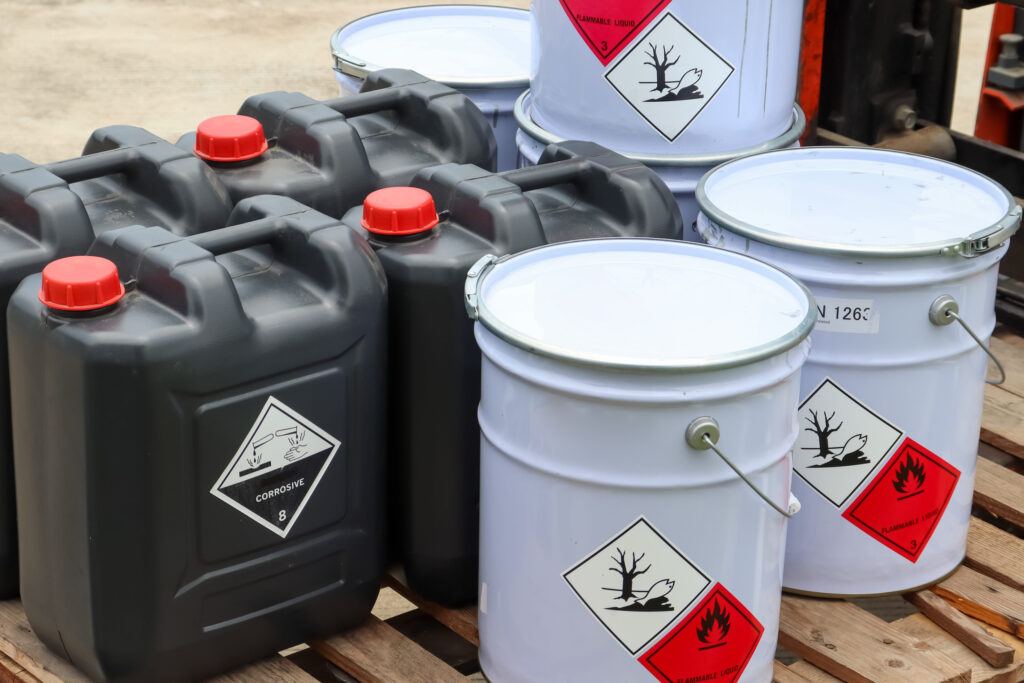
Many household cleaning products contain volatile, flammable chemicals that can vaporize or ignite when heated. Whether it’s paint thinner, aerosol cleaners, or solvents, these dangerous substances should be stored in cool, well-ventilated areas, away from heat sources. Chemical vapors can accumulate and present serious fire hazards long before any liquid comes in direct contact with heat.
Plastic Storage Bins and Containers
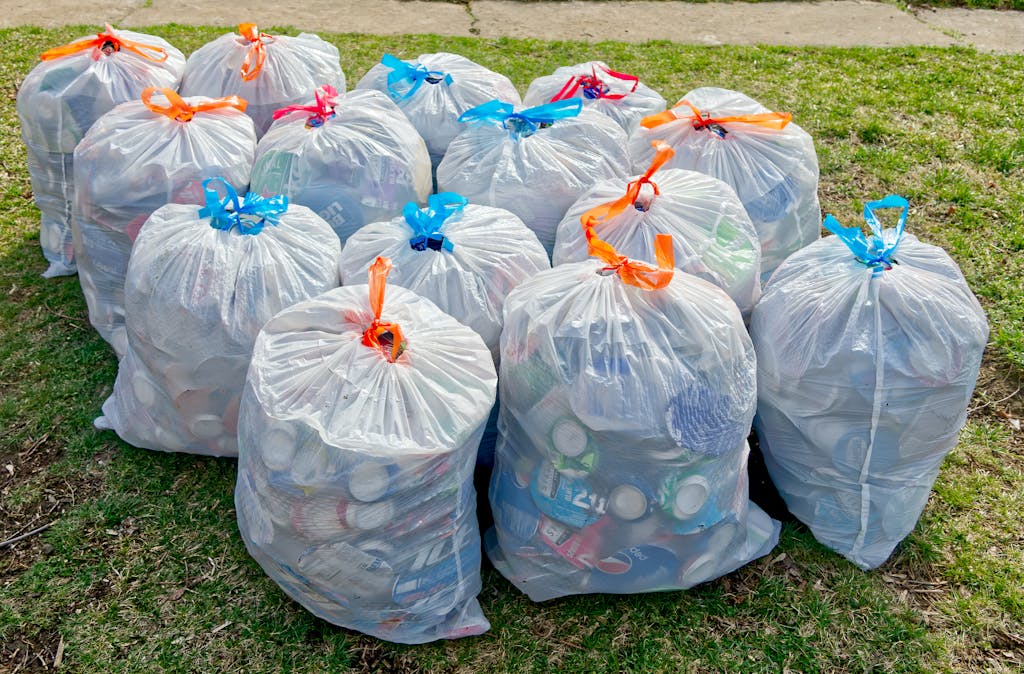
Plastic items placed near heat sources can warp, soften, or release harmful fumes. Plastic storage bins, children’s toys, and decorative pieces should be kept away from heaters and radiators. Prolonged exposure increases the likelihood of structural weakening and releases potentially toxic chemicals into your indoor air, which can affect health and safety.
Lamps and Electrical Devices
Lamps, chargers, and other electrical devices should not be placed close to radiators, as the heat can compromise insulation and electronic components. Constant exposure to high temperatures can degrade electrical parts, create shorts, or increase the risk of electrical fires. The cords themselves can become brittle or fray over time when heated, so ensure all electronics are positioned at a safe distance.
Combustible Materials Like Rugs and Padding

Rugs, carpet padding, and similar floor coverings are often overlooked but can increase fire risk when placed close to radiators or heaters. Loose fibers and padding trap heat and can ignite at lower temperatures than expected, especially when combined with dust buildup. Even if they do not catch fire, these materials can smolder unnoticed, causing severe damage before detection.
Conclusion
Recognizing and respecting the risks associated with everyday items around heat sources is a critical part of keeping your home safe. Maintaining clear space around your radiator or heater not only prevents dangerous accidents but also ensures efficient heat distribution throughout your living area. By avoiding these ten hazardous items near heat sources, you take an important step toward a secure and comfortable winter environment.