Food is an integral part of daily life, but how often do we pause to truly understand what’s on our plates? While many foods provide us with the energy and nutrients we need to thrive, there are hidden aspects of these foods that can surprise even the most seasoned food lovers. Whether it’s unexpected dangers or surprising benefits, we’re about to uncover secrets about common and exotic foods that you’ve likely never heard of before. Some of these secrets might even make you reconsider your choices the next time you sit down to a meal.
Food isn’t just about taste; it carries a wealth of history, science, and, sometimes, hidden risks. Many foods we consume every day pose dangers that can be life-threatening if not prepared properly, while others are rich in nutrients but also contain substances that can harm the body if misused. It’s important to approach food with knowledge, ensuring that what we put into our bodies isn’t only delicious but also safe. Let’s explore the shocking food secrets that you were never told, from stinky fruits to deadly toxins.
Durian
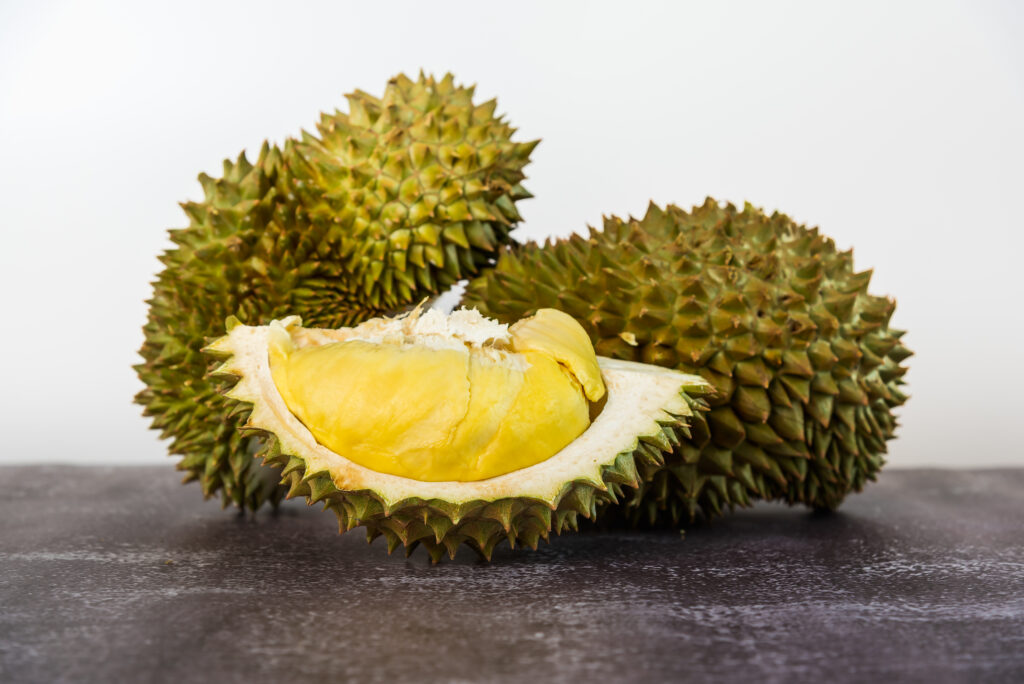
Durian, often called the “king of fruits,” is a tropical delicacy known for its overpowering odor. Its smell is so potent that it has been banned in many public places, including hotels and transportation systems throughout Southeast Asia. While some people are drawn to its sweet, creamy texture, others find the smell unbearable. What many don’t know, however, is that this fruit carries a risk when combined with alcohol.
Durian’s secret lies in its ability to inhibit aldehyde dehydrogenase, an enzyme essential for alcohol metabolism. This inhibition can lead to dangerous interactions when consumed alongside alcohol, potentially causing nausea, vomiting, or even fatal consequences. The fruit’s unique combination of over 50 chemical compounds contributes to its potent aroma, some of which were previously unknown to science until a 2009 study. Durian may be a delicacy for some, but it’s one that requires caution and understanding.
Lima Beans
Lima beans, or butter beans, are a staple in many cuisines, but these seemingly harmless legumes hide a deadly secret. They contain linamarin, a cyanogenic glycoside, which releases cyanide when the beans are damaged or consumed raw. While cyanide is present in many plants, the amounts in lima beans can be dangerously high, leading to toxic effects if eaten improperly.
Fortunately, lima beans are safe to eat when cooked properly. Boiling the beans for at least 10 minutes breaks down the harmful compounds and neutralizes the cyanide threat. Commercially sold lima beans are regulated to ensure they don’t contain dangerous levels of cyanide, but if you’re ever preparing them at home, remember: always cook them thoroughly to avoid potentially lethal consequences. Despite their toxicity when undercooked, lima beans are a nutritious and safe food when prepared correctly.
Corn
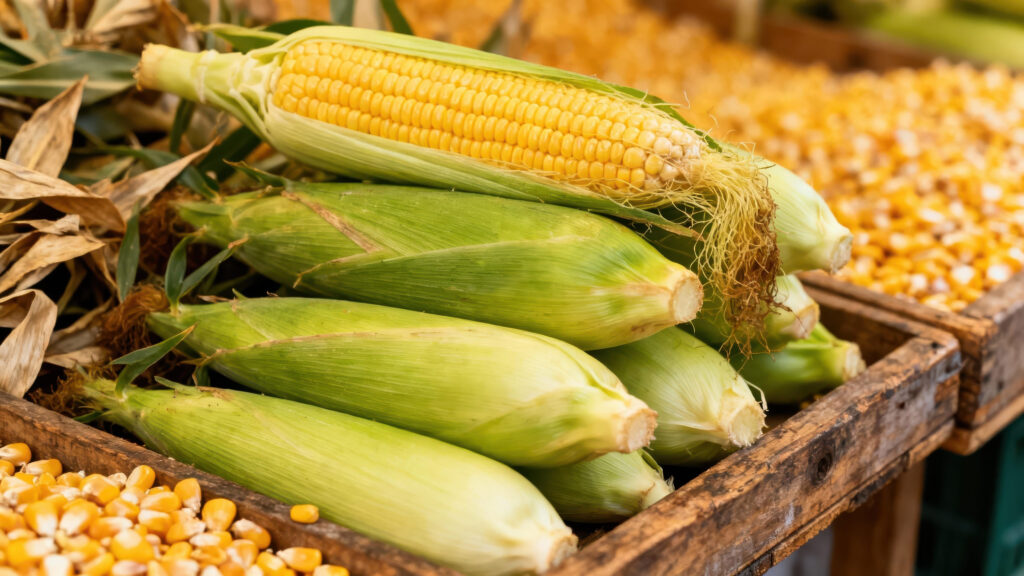
Corn has been a dietary staple for thousands of years, especially in the Americas, where it provided essential calories and carbohydrates. However, when European settlers began relying on corn as a major food source, they missed a critical step in the traditional preparation process used by indigenous cultures. The method, known as nixtamalization, involves soaking corn in an alkaline solution, typically made of lime or wood ash, which makes niacin (vitamin B3) available to the human body.
Without this crucial step, people who ate large amounts of untreated corn began to suffer from pellagra, a serious niacin deficiency. Pellagra causes a host of painful symptoms, including skin lesions, diarrhea, and memory loss, and can ultimately be fatal if left untreated. In the late 19th and early 20th centuries, pellagra became a significant health crisis in the American South, affecting tens of thousands of people. The disease went unrecognized for years until the nixtamalization process was rediscovered, saving countless lives.
Cheese with Living Mites
Cheese has been a beloved food for centuries, and certain types are made with a surprising ingredient: living mites. Though the idea of eating cheese with mites might sound off-putting to some, these tiny creatures play an important role in developing the cheese’s rich, unique flavor. In traditional cheeses like Mimolette from France and Milbenkäse from Germany, cheese mites are intentionally introduced to help the cheese ripen properly.
These mites feed on the surface of the cheese, breaking down proteins and releasing enzymes that enhance the flavor. While this may seem unusual, the result is a deeply complex and highly prized cheese. The practice of using mites in cheese production dates back centuries, and it’s a culinary tradition still maintained in certain regions of Europe today. Despite the controversy surrounding hygiene standards, these cheeses are considered delicacies for those with adventurous palates.
Star Fruit
Star fruit, with its unique star-shaped appearance and refreshing flavor, is a popular tropical fruit. However, for individuals with kidney disease, star fruit can be deadly. The fruit contains oxalates, compounds that can accumulate in the bloodstream of people with impaired kidney function, causing toxic effects. The toxin caramboxin found in star fruit can overstimulate the brain, leading to symptoms such as confusion, seizures, and, in extreme cases, death.
For individuals with healthy kidneys, star fruit poses no threat. However, for those with chronic kidney disease or renal issues, even small amounts of this fruit can lead to serious health problems. If you have any form of kidney disease, it’s essential to consult with a healthcare provider before consuming star fruit. This tropical delicacy may be delicious, but it carries hidden risks for vulnerable individuals.
Nutmeg
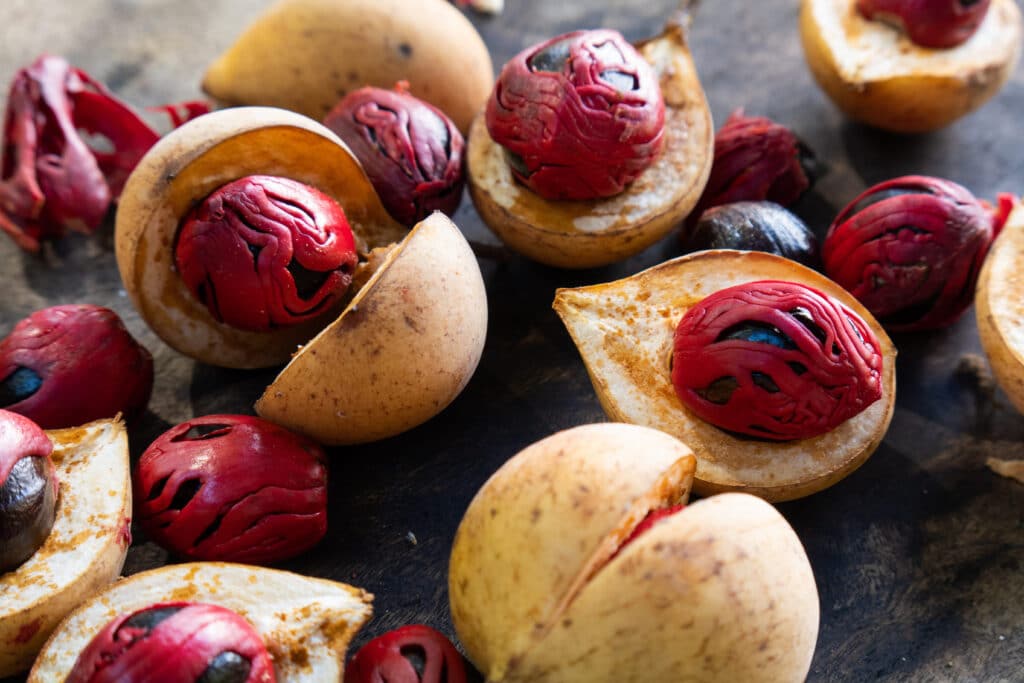
Nutmeg is a spice that’s often used to flavor holiday dishes, but few are aware of the dangers it can pose in large quantities. The compound myristicin, found in nutmeg, has psychoactive properties that can cause hallucinations, seizures, and delirium when consumed in high doses. While nutmeg is safe to use as a spice in cooking, ingesting large amounts, such as 50 grams or more, can lead to dangerous, even fatal, effects.
The dangers of nutmeg have been known for centuries, yet many people still underestimate its potency. A small amount is perfectly safe, but overindulgence can result in nausea, dizziness, and confusion. Despite its pleasant flavor, nutmeg is not to be treated lightly. Always use it in moderation, and remember that even common kitchen spices can carry unexpected risks when consumed in excess.
Unripe Ackee
Ackee, a fruit native to West Africa and Jamaica, is a delicious addition to many meals when prepared correctly. However, when consumed unripe, ackee can be deadly. The fruit contains hypoglycin A, a toxin that can cause vomiting, hypoglycemia, and even death when ingested. The secret to safely enjoying ackee lies in ensuring it is fully ripe and properly processed before consumption.
For those unfamiliar with the fruit, it’s important to know that the toxic compounds in ackee are most concentrated in the unripe fruit and its seeds. To avoid poisoning, always ensure the fruit is ripe and prepared according to strict guidelines. Ackee may be a staple in Jamaican cuisine, but its dangers should not be underestimated. Never eat ackee unless it’s fully ripe and prepared by someone knowledgeable about its risks.
Fugu
Fugu, or pufferfish, is a renowned Japanese delicacy that comes with a serious risk: it can kill you if not prepared correctly. This fish contains tetrodotoxin, a powerful neurotoxin that is deadly in even small amounts. The danger lies in the preparation process, as the toxin is present throughout the fish. Only licensed chefs who have undergone years of rigorous training are allowed to prepare fugu.
Despite the inherent risks, fugu remains a delicacy for those seeking an adrenaline rush with their meal. In Japan, the tradition of eating fugu dates back centuries, and many people consider it a luxurious treat. However, the potential for a fatal mistake means fugu should be consumed only at certified restaurants that adhere to strict preparation protocols. For the adventurous eater, fugu offers a rare and risky dining experience.
Raw Cashews
Cashews are a popular snack and cooking ingredient, but the raw cashews you often see in stores are not truly raw. In their natural state, cashews are coated in a toxic resin called urushiol, which is also found in poison ivy. This resin can cause severe allergic reactions, including skin rashes, swelling, and difficulty breathing.
To make cashews safe to consume, they undergo a steaming process that removes urushiol. This process ensures that cashews are safe to eat and free from the toxic resin. So, when you buy cashews, rest assured that they’ve been properly processed. But if you ever come across unprocessed, raw cashews, remember that they are dangerous and should not be eaten.
Rhubarb

Rhubarb is commonly used in desserts and jams, prized for its tartness. However, many people are unaware that rhubarb leaves are toxic and should never be consumed. The leaves contain oxalic acid and anthraquinone glycosides, which can lead to poisoning, kidney failure, and even death if eaten.
While the stalks are perfectly safe and delicious to eat, the leaves must always be discarded. In fact, the toxicity in rhubarb leaves is so potent that even small amounts can cause severe health problems. So, if you’re preparing a rhubarb dish, make sure to handle the plant properly by avoiding the leaves altogether.