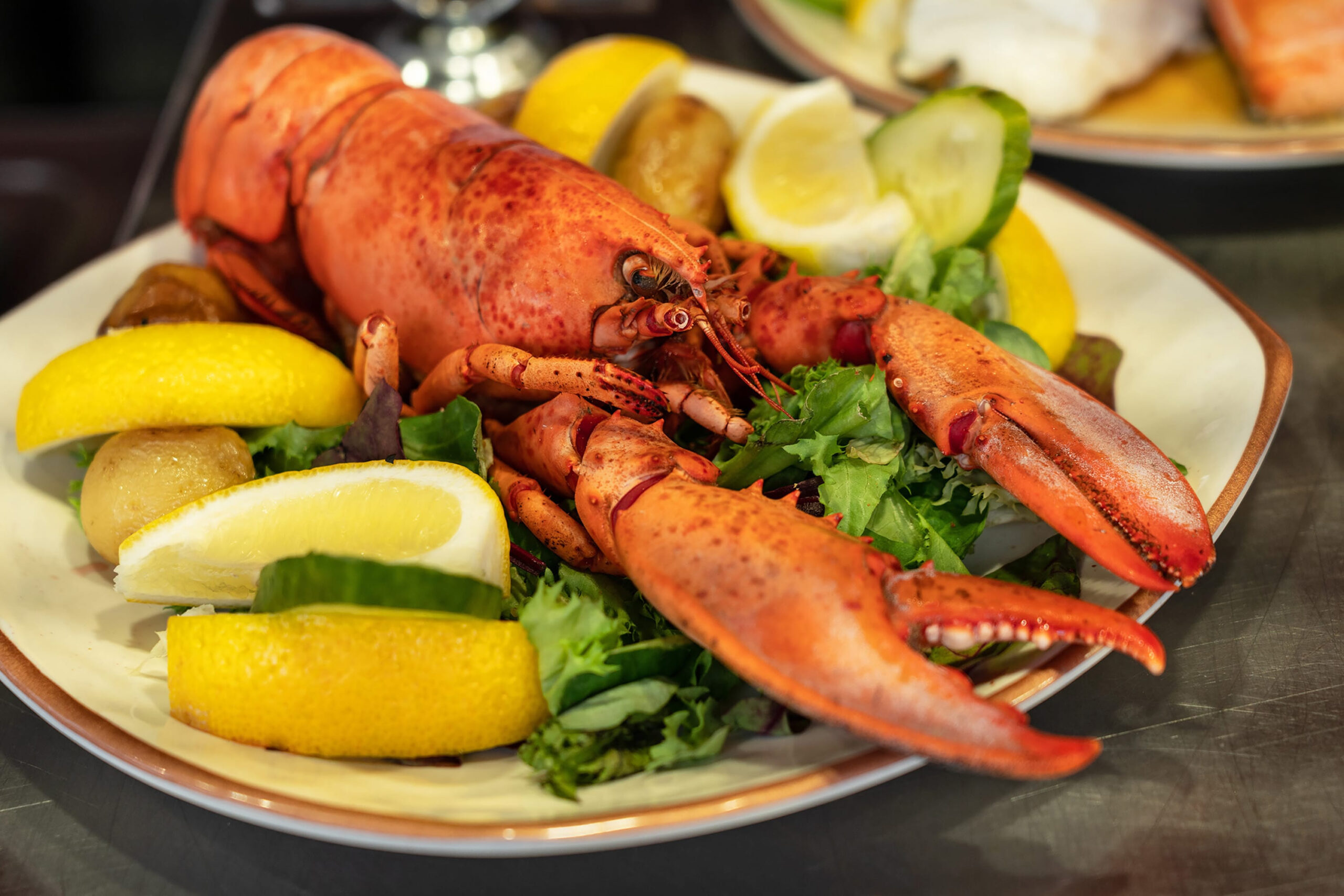
When we think about the importance of vitamins in our diet, Vitamin K often comes to mind for its essential role in blood clotting and bone health. However, like most things in life, balance is key. Some Vitamin K-rich foods, if consumed in excess, might actually have negative effects on your health. Let’s explore 8 foods high in Vitamin K that could do more harm than good if not consumed in moderation.
Kale
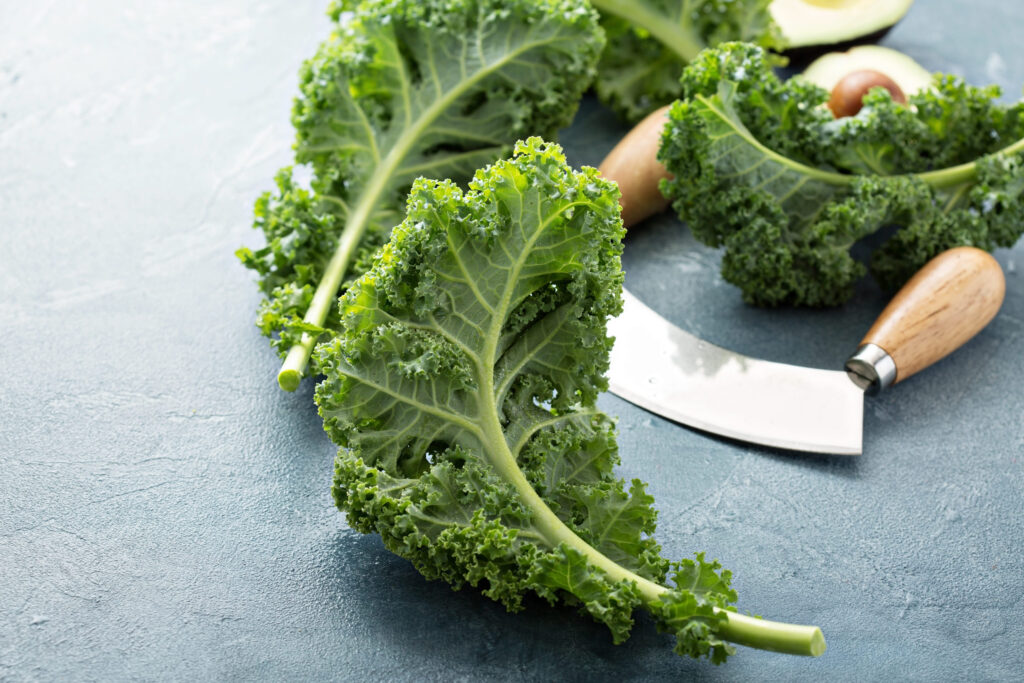
Kale, often praised as a superfood, is packed with Vitamin K, which supports blood clotting and bone health. But for those on blood-thinning medications like warfarin, kale might be more harmful than helpful. This leafy green is rich in Vitamin K1, and when consumed in excess, it can interfere with the effectiveness of the medication, leading to inconsistent blood clotting. Over time, this could increase the risk of clotting or bleeding. While a small amount may still fit into a balanced diet, it’s crucial to manage your intake carefully.
Spinach
Spinach, another green vegetable celebrated for its health benefits, also contains high amounts of Vitamin K1. While it is essential for bone health, too much spinach in your diet can present risks, especially for people on blood thinners. Just like kale, the Vitamin K in spinach can alter the anticoagulant effect of the medication, leading to dangerous fluctuations in blood clotting levels. Furthermore, spinach is high in oxalates, which can interfere with calcium absorption and contribute to kidney stone formation when consumed in excess.
Broccoli
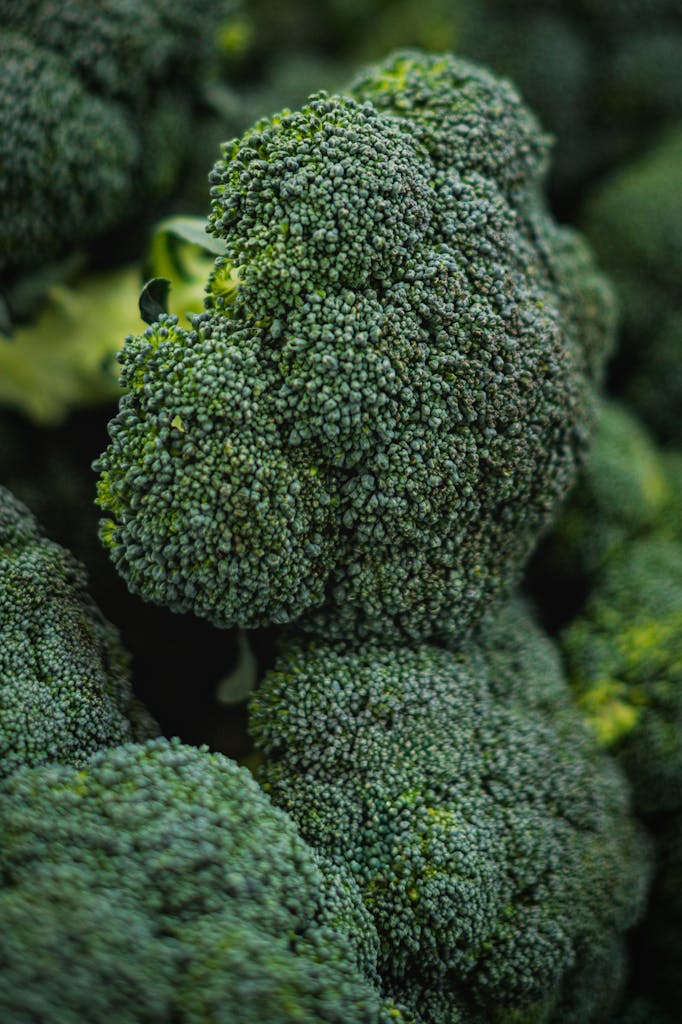
Broccoli is often lauded for its high levels of antioxidants, fiber, and vitamins, but its Vitamin K content can be a cause for concern in some cases. For people with vitamin K sensitivity, such as those taking blood-thinning medications, a high intake of broccoli can be problematic. The high Vitamin K content may counteract the effects of anticoagulants, leading to potential complications. Although broccoli is a healthy vegetable when consumed in moderation, overconsumption may lead to more harm than good, particularly for those with specific health concerns.
Brussels Sprouts
Brussels sprouts are a great source of Vitamin K, but this cruciferous vegetable can pose hidden dangers if eaten in excess. Like broccoli, Brussels sprouts can interfere with the function of blood thinners due to their high Vitamin K content. Regularly consuming large portions can lead to fluctuations in blood clotting, putting people on medication at risk. Additionally, the high fiber content in Brussels sprouts can cause digestive discomfort when eaten in large quantities, leading to bloating, gas, or cramps. Moderation is key when it comes to this vegetable.
Lettuce
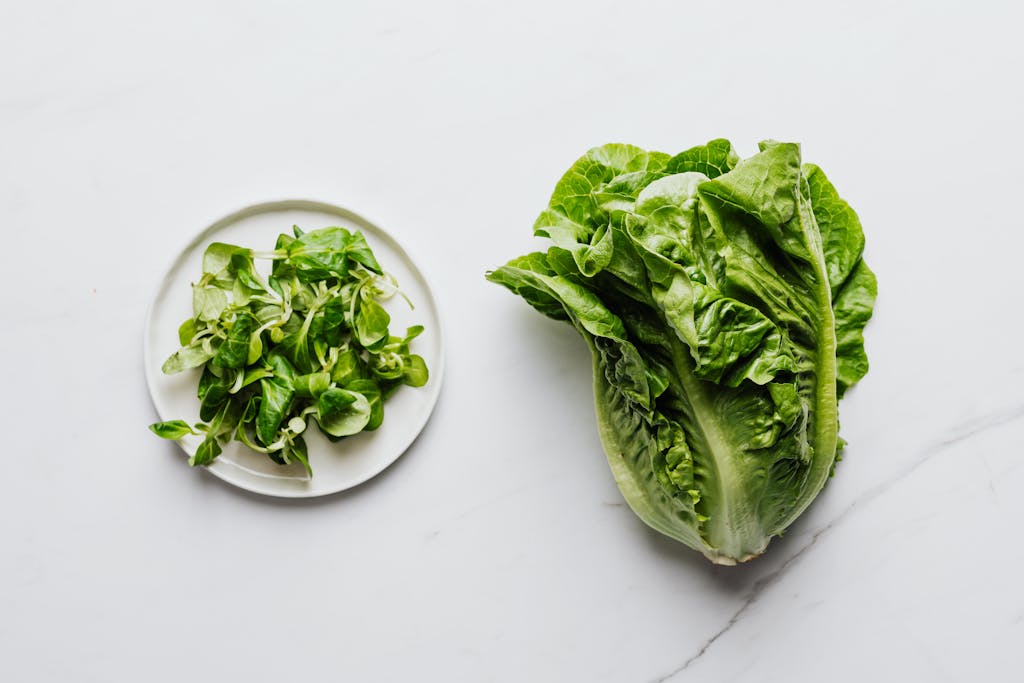
Lettuce, particularly varieties like romaine and iceberg, offers a mild dose of Vitamin K. While it’s not as concentrated as some of the other greens mentioned, excessive consumption over time could still pose a risk for those on blood-thinning medications. When paired with other Vitamin K-rich foods, even mild sources like lettuce could push your intake too high. Since Vitamin K plays a crucial role in blood clotting, a consistently high intake may interfere with anticoagulant therapy, potentially leading to adverse effects.
Cabbage
Cabbage is another vegetable high in Vitamin K, making it a potentially dangerous addition to your diet if you consume large amounts. Excessive cabbage consumption can have a negative impact on your digestive system. For individuals prone to bloating, indigestion, or gas, cabbage can exacerbate these symptoms, especially when eaten in excess. The high fiber content can also cause discomfort in the digestive tract. Additionally, like the other cruciferous vegetables, cabbage can interact with blood thinners, leading to health complications.
Asparagus
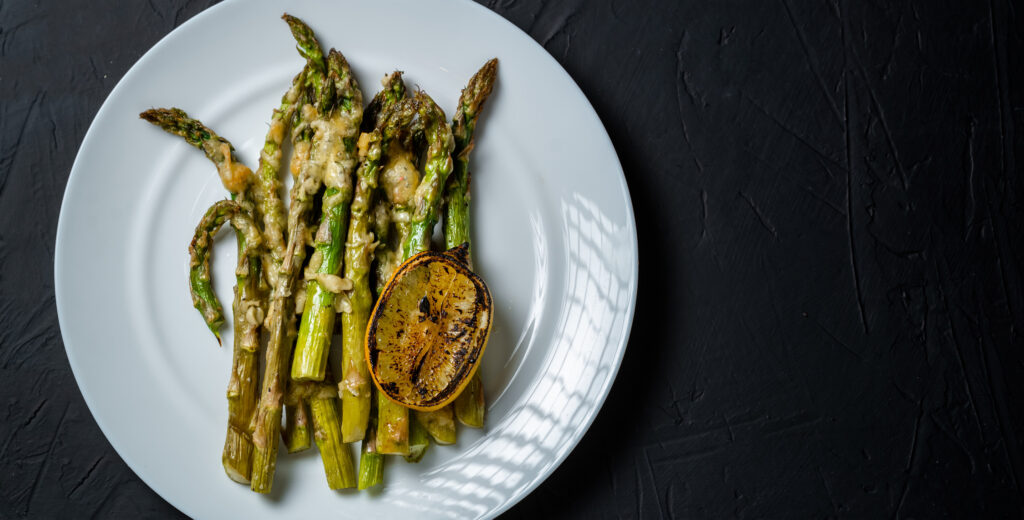
Asparagus is another vegetable that packs a punch in terms of Vitamin K. While it offers health benefits, including a high antioxidant content and a variety of essential nutrients, it can interact with anticoagulants. Asparagus’s Vitamin K content may make blood-thinning medications less effective, increasing or decreasing the risk of clotting. Eating asparagus in moderation is important for maintaining a balanced intake and avoiding interference with your medication regimen.
Prunes
Prunes, known for their ability to promote digestive health, are a surprising source of Vitamin K. While prunes are often consumed for their high fiber and potassium content, they can cause issues if consumed in large quantities. Overconsumption of prunes can lead to gastrointestinal issues, including bloating, gas, and diarrhea. Furthermore, the Vitamin K in prunes can interact with certain medications, particularly blood thinners, which could affect blood clotting. While prunes can be a beneficial part of a balanced diet, overindulging in them can pose health risks.
Conclusion
While Vitamin K is undoubtedly essential for blood clotting and bone health, it’s important to be aware of the potential risks associated with certain foods high in Vitamin K. For individuals taking blood-thinning medications or those with certain medical conditions, consuming large amounts of Vitamin K-rich foods may cause health complications. Eating these foods in moderation and consulting with a healthcare professional can help ensure you meet your nutritional needs without negatively affecting your health.