Some foods marketed as healthy can be surprisingly risky when they are packed with sugar, sodium, saturated fat, or hidden processing. Here are the “healthy” foods worth eating with a sharper eye.
The word “healthy” can do a lot of heavy lifting on a food package. It can make a sugary snack look responsible, turn a salty frozen meal into a “smart choice,” and convince busy shoppers that a product belongs in their cart without a second look. That is exactly why the FDA updated its rules around the “healthy” claim, requiring foods that use the label to meet limits for saturated fat, sodium, and added sugars.
Still, food does not become dangerous just because it appears on a wellness shelf. Most of the time, the real issue is portion size, processing, contamination risk, or the way a food is marketed. A food can be useful in one form and a problem in another. These are the “healthy” foods that deserve a closer look before they earn a regular place on your plate.
Granola
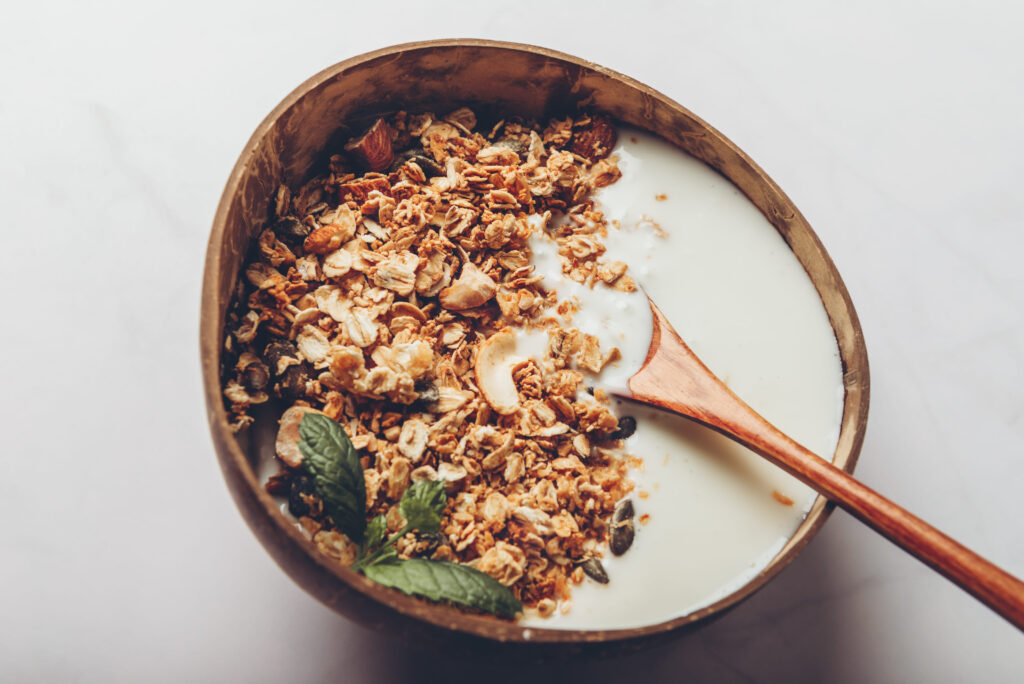
Granola has the perfect healthy image because it sounds rustic, wholesome, and outdoorsy. The problem is that many store-bought granolas are dense in calories and often sweetened with sugar, honey, syrups, or chocolate pieces. A small bowl can quickly turn into a sugar load, especially when it is poured freely rather than measured. The FDA notes that added sugars can make it harder to meet nutrient needs without going over calorie limits.
A better approach is to treat granola like a topping, not the base of breakfast. Sprinkle it over plain Greek yogurt, oatmeal, or fruit instead of filling a cereal bowl. Look for versions with nuts, seeds, oats, and very little added sugar. The healthiest granola is usually the one that looks a little boring on the front of the bag but makes sense on the nutrition label.
Flavored Yogurt
Yogurt can be a great food because it offers protein, calcium, and live cultures in many cases. The trouble starts when “strawberry,” “vanilla,” or “dessert-inspired” yogurts rely heavily on added sugar. Some flavored cups look like a light breakfast but behave more like a sweet snack. Added sugars are now one of the nutrients the FDA considers when deciding whether a packaged food can use the “healthy” claim.
Plain yogurt gives you more control. You can add berries, cinnamon, sliced banana, or a small drizzle of honey if you need a bit of sweetness. This keeps the food closer to its original nutritional strength without letting a “healthy” label do the thinking for you. The danger is not yogurt itself. The danger is assuming every yogurt cup is automatically a smart choice.
Smoothies
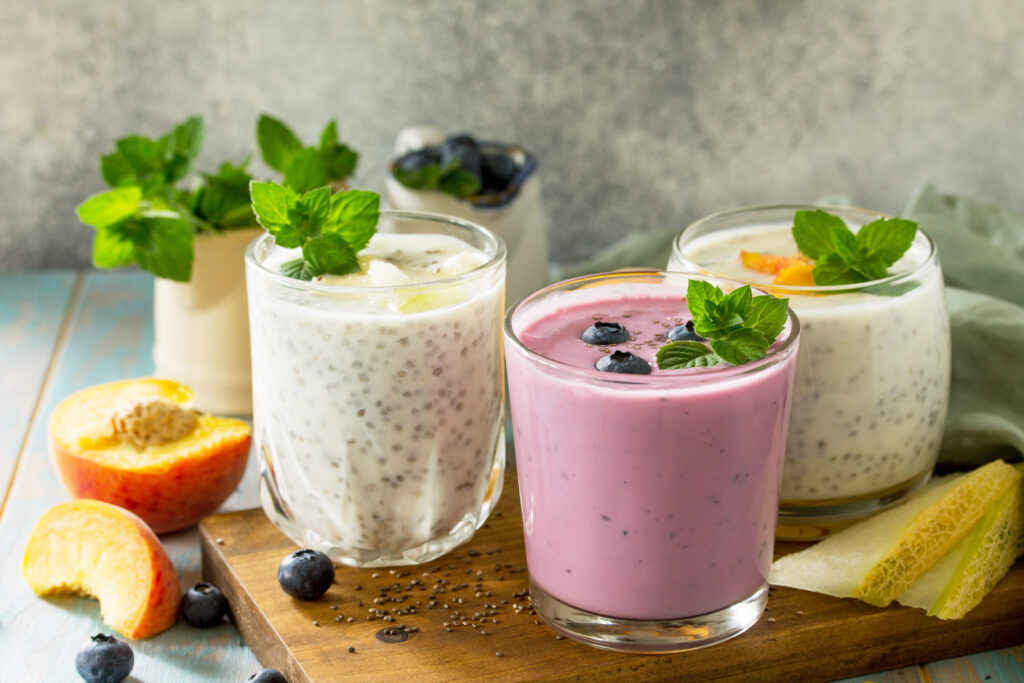
Smoothies sound harmless because they usually start with fruit. Yet bottled smoothies and oversized smoothie-shop drinks can pack in fruit juice, sweetened yogurt, syrups, frozen dessert bases, or multiple servings of fruit at once. Drinking calories is also easier than eating them, so people often finish a large smoothie and still feel ready for a meal soon after.
The smarter move is to build smoothies around balance. Use whole fruit, add protein such as plain yogurt or unsweetened protein powder, include fiber from chia seeds or oats, and avoid fruit juice as the main liquid. A homemade smoothie can be excellent. A giant commercial smoothie with sweet add-ins can quietly become a milkshake while wearing gym clothes.
Protein Bars
Protein bars are marketed to busy people, gym-goers, students, and anyone who wants a quick “healthy” fix. Some are genuinely useful. Others are ultra-processed bars with sweeteners, chocolate coatings, low fiber, and enough calories to replace a meal without the satisfaction of real food. The health halo comes from the word “protein,” but protein alone does not make a product nutritious.
Read the label before trusting the wrapper. A good protein bar should have enough protein to justify the name, modest added sugar, and ingredients you can understand without needing a chemistry break. It should also fit the moment. Eating a protein bar after a workout is different from eating one every afternoon because the package looks healthier than cookies.
Veggie Chips
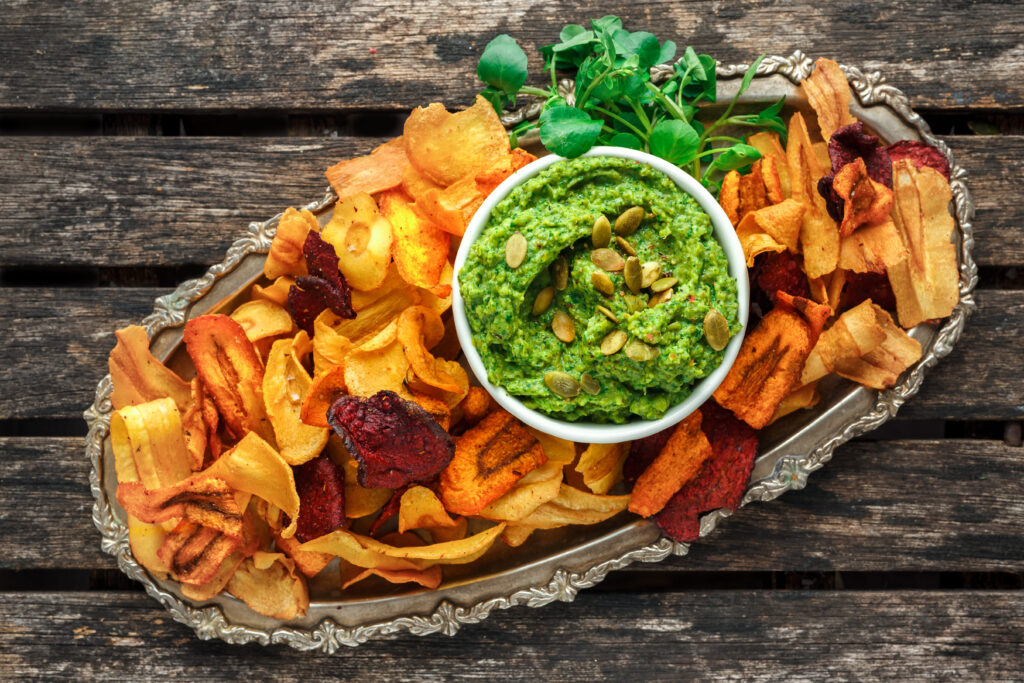
Veggie chips look like a clever upgrade from regular chips. The colors are brighter, the bag often shows vegetables, and the name suggests a snack with actual produce benefits. In many cases, though, these chips are made from vegetable powders, starches, oils, and salt. They may contain far less fiber and fewer nutrients than the vegetables they imitate.
The American Heart Association warns that more than 70% of the sodium Americans eat comes from packaged, prepared, and restaurant foods, not the salt shaker. That matters because crunchy “healthy” snacks can quickly raise sodium intake. If you want chips, enjoy them honestly as chips. If you want vegetables, carrots, cucumbers, bell peppers, or roasted chickpeas will do more for you.
Dried Fruit
Dried fruit can be nutritious, especially when it contains no added sugar. It is portable, sweet, and rich in certain nutrients. The issue is concentration. Removing water shrinks the fruit, making it much easier to eat several servings in a few handfuls. Dried mango, raisins, dates, and cranberries can add up quickly, especially when sweetened.
This does not mean dried fruit is bad. It means portion size matters. Pair it with nuts for fat and protein, or use it in oatmeal instead of eating it straight from the bag. Whole fruit is usually more filling because it contains more water and volume. Dried fruit works best as a small ingredient, not a mindless snack during a movie.
Rice Cakes
Rice cakes became famous as a diet food because they are light, low in calories, and easy to prepare. The problem is that plain rice cakes are also low in protein, fat, and fiber. That means they may not keep you full for long. Some flavored versions add sugar, salt, or artificial flavors, which further weakens the “clean snack” image.
They become more useful when paired with something filling. Peanut butter, cottage cheese, avocado, hummus, or tuna can turn a rice cake into a better snack. On its own, though, it is often just a crunchy pause before you feel hungry again. Low-calorie does not always mean helpful.
Plant-Based Meat
Plant-based meat has helped many people reduce meat intake, which can be useful for personal, ethical, or environmental reasons. Still, not every plant-based product is automatically healthier than meat. Some meatless burgers, sausages, and nuggets are highly processed and may contain high levels of sodium, saturated fat, additives, and refined oils.
The 2025 to 2030 U.S. Dietary Guidelines place fresh emphasis on limiting highly processed foods, including vegetarian or vegan options that may contain added fats, sugars, and salt. Beans, lentils, tofu, tempeh, nuts, and seeds are often better everyday choices than plant-based products designed to mimic fast food. The label “plant-based” tells you the source. It does not automatically tell you the quality.
Raw Sprouts
Raw sprouts often appear in salads, sandwiches, and health bowls because they look fresh and clean. The risk is that sprouts grow in warm, humid conditions that can also favor bacterial growth. The FDA has warned that children, older adults, pregnant women, and people with weakened immune systems should avoid raw sprouts because of the risk of foodborne illness.
Cooking sprouts lowers the risk. That may sound disappointing if you love the crunch, but it matters for people who are more vulnerable to food poisoning. This is one of the rare cases where a food’s “raw and natural” image can be misleading. Fresh does not always mean safer.
Coconut Oil
Coconut oil has been promoted as a superfood for years, but it is high in saturated fat. That matters because federal dietary guidance has long recommended limiting saturated fat intake, and Harvard’s Nutrition Source notes that the current U.S. dietary guidelines maintain the recommendation that saturated fat should not exceed 10% of daily calories.
Coconut oil can be used for flavor in small amounts, especially in dishes where it makes culinary sense. The problem is treating it like medicine or adding it to coffee, smoothies, and every pan because it sounds natural. Olive oil, nuts, seeds, avocado, and fatty fish are usually stronger choices for everyday fats. Coconut oil is not poison, but it is not magic either.
Gluten-Free Packaged Foods
For people with celiac disease or a diagnosed gluten sensitivity, gluten-free foods can be necessary. For everyone else, “gluten-free” does not automatically mean healthier. Many packaged gluten-free breads, cookies, crackers, and snacks rely on refined starches and may be lower in fiber than whole-grain options. A cookie without gluten is still a cookie.
The better question is not “Is it gluten-free?” but “What is it made from?” Naturally gluten-free foods like potatoes, beans, lentils, fruit, vegetables, quinoa, rice, eggs, fish, and plain dairy can be part of a balanced diet. Highly processed gluten-free snacks deserve the same label check as every other packaged food. The health claim should never do all the work.
Bottled Green Juices
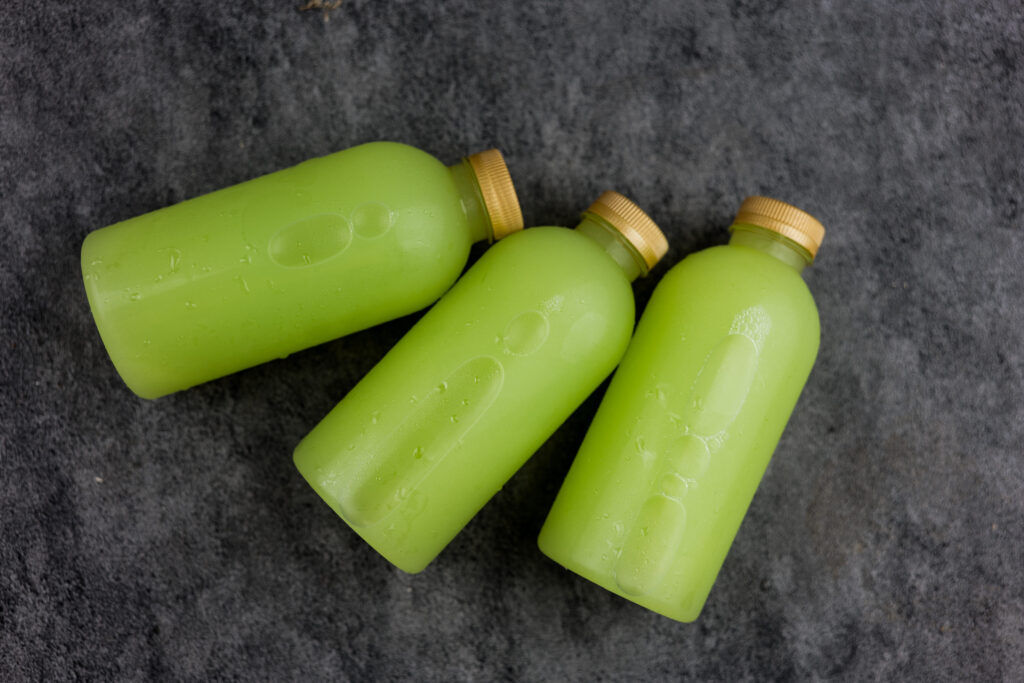
Green juice looks like wellness in a bottle. It is often expensive, cold-pressed, and colored like something your body should thank you for. Yet many juices remove much of the fiber that makes whole fruits and vegetables filling. Some also include plenty of apple, pineapple, or other sweet juices to make bitter greens taste better.
A green juice can fit into a healthy diet, but it should not replace whole vegetables. Chewing spinach, kale, cucumbers, celery, apples, and oranges provides your body with fiber, as well as vitamins and minerals. Juice is easier to overconsume because it goes down quickly. Whole produce makes you slow down, and that is part of the benefit.