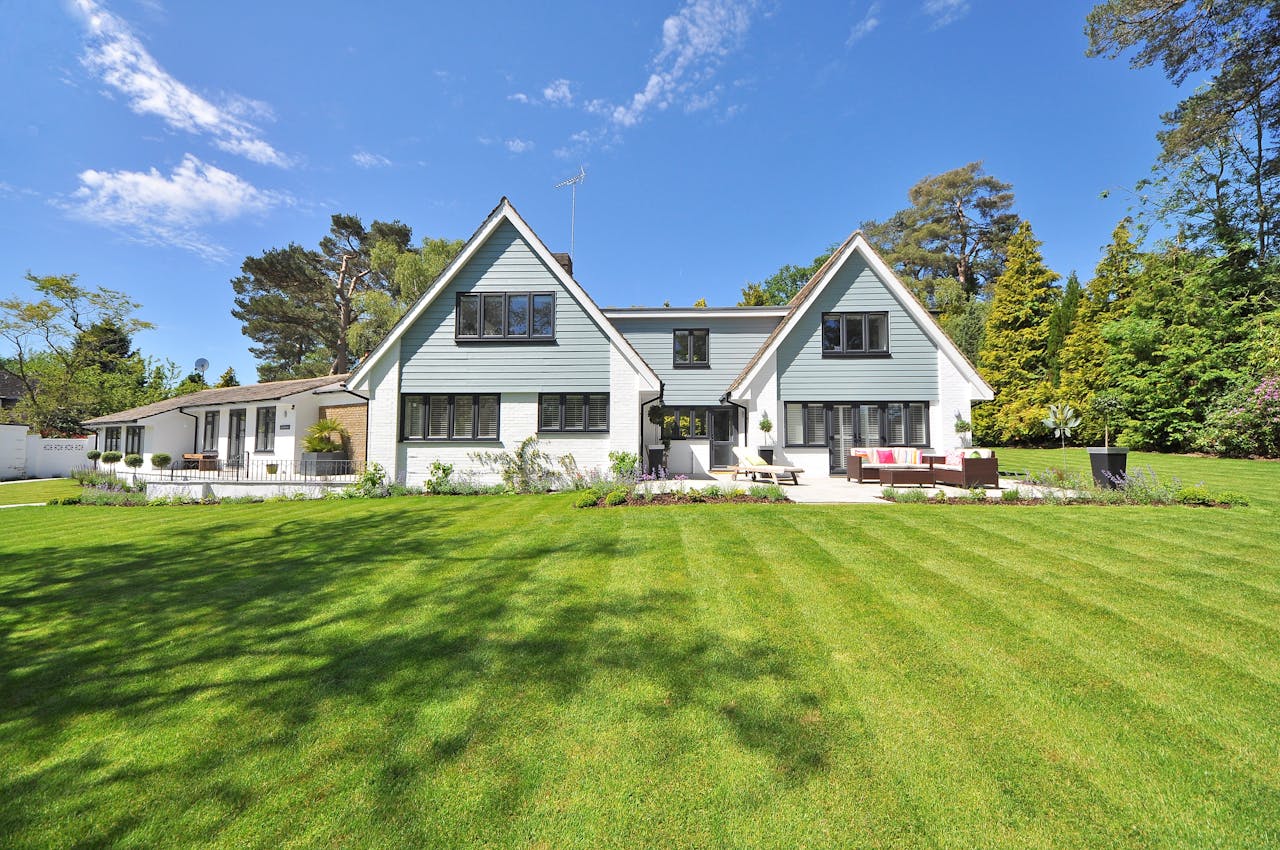
A backyard without shade can look beautiful from the kitchen window, but then feel unbearable the second you step outside. Hot chairs, blinding glare, sunbaked decking, and tired plants can quickly turn a promising outdoor space into a place everyone avoids. The mistake many homeowners make is thinking one umbrella or one tree will solve the problem. Good backyard shade works best when it is layered, flexible, and matched to how you actually use the space. These backyard shade mistakes can make your patio feel hotter, less private, and harder to enjoy.
Relying on One Small Patio Umbrella
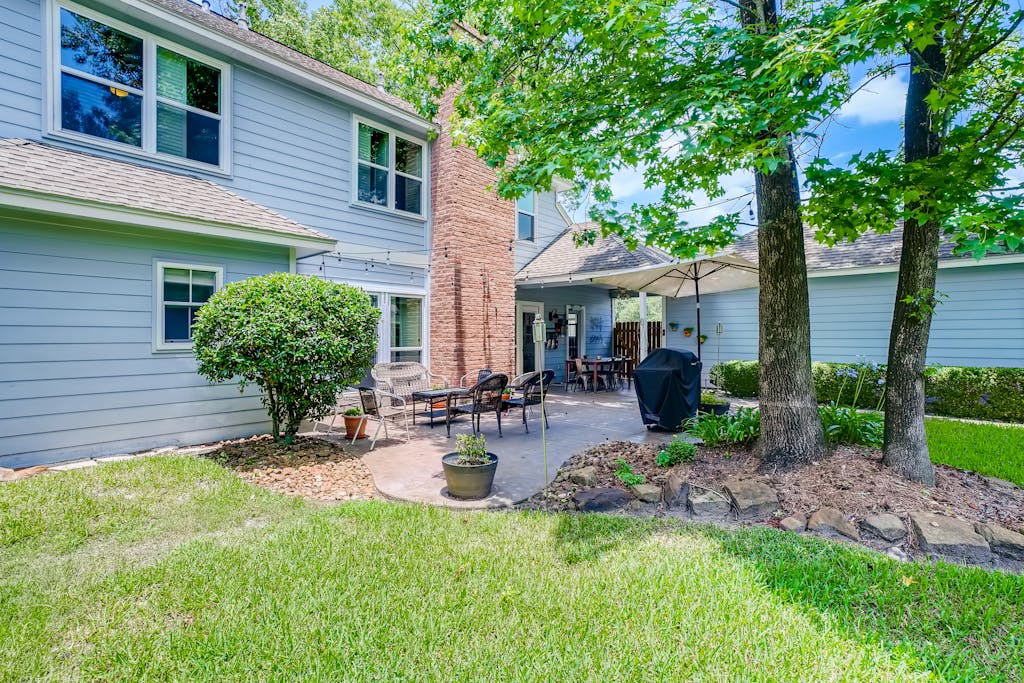
A patio umbrella is one of the easiest backyard shade ideas, but it shouldn’t carry the whole load alone. A small center-pole umbrella may cover part of a table at noon, then become almost useless when the sun shifts. If your seating area, grill station, or lounge chairs sit outside its shadow, people still end up squinting and sweating. A better option is to use a larger cantilever umbrella that can rotate or tilt with the sun. This gives you more control over shade without installing a permanent structure.
Ignoring Pergolas Because They Feel Too Expensive
Many people skip pergolas because they assume every pergola has to be a luxury renovation. That mistake can leave a backyard feeling unfinished and exposed. Pergolas come in many forms, from simple wood kits to metal frames with adjustable covers. They work especially well over dining areas, outdoor kitchens, and lounge zones because they define the space while reducing direct sun. For a stronger shade, add climbing vines, bamboo panels, outdoor fabric, or retractable canopy panels across the top.
Installing a Shade Sail Without Planning the Sun Angle
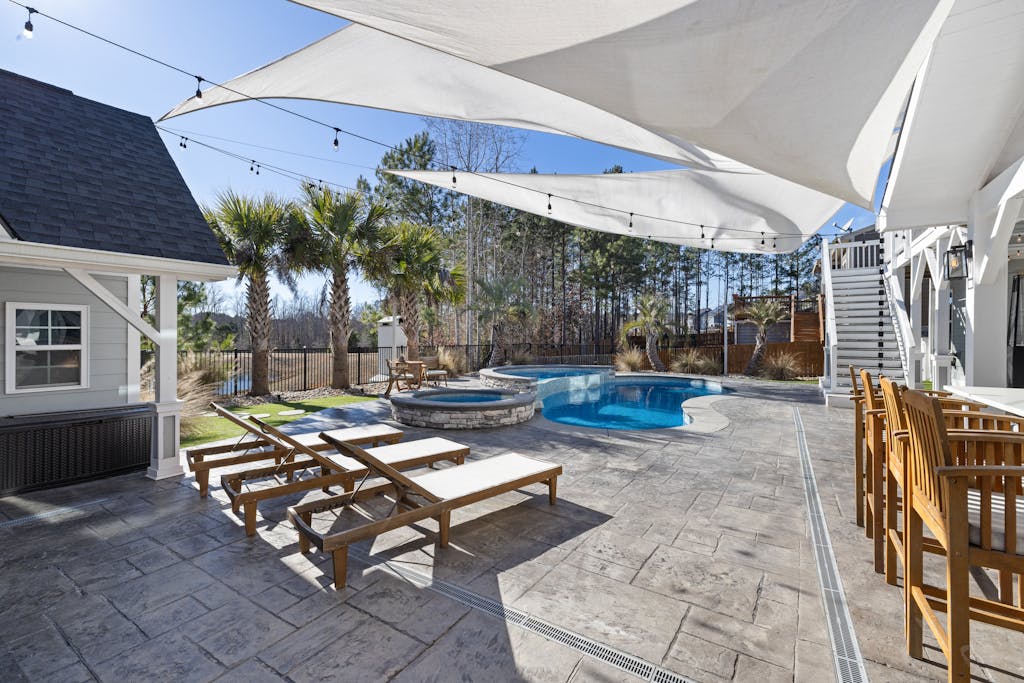
Shade sails can make a backyard look modern and relaxed, but poor placement can ruin the effect. If the sail is too flat, too small, or pointed in the wrong direction, it may shade the fence instead of the seating area. Before installing one, watch how sunlight moves across your yard in the morning, afternoon, and early evening. The best shade sail setup uses strong anchor points, proper tension, and enough height variation to shed rain and avoid sagging. A triangle sail can look stylish, but a rectangle often gives better coverage.
Waiting Too Long to Plant Shade Trees
Trees are one of the most attractive ways to create natural backyard shade, but they are not an instant fix. Homeowners often delay planting because they want a quicker solution, then regret it years later when the yard still feels bare. A well-placed shade tree can cool a patio, soften harsh light, add privacy, and make the yard feel more established. Choose trees suited to your climate, soil, and yard size so roots and branches do not become future problems. While the tree grows, use umbrellas, sails, or pergolas for temporary shade.
Forgetting About Side Shade
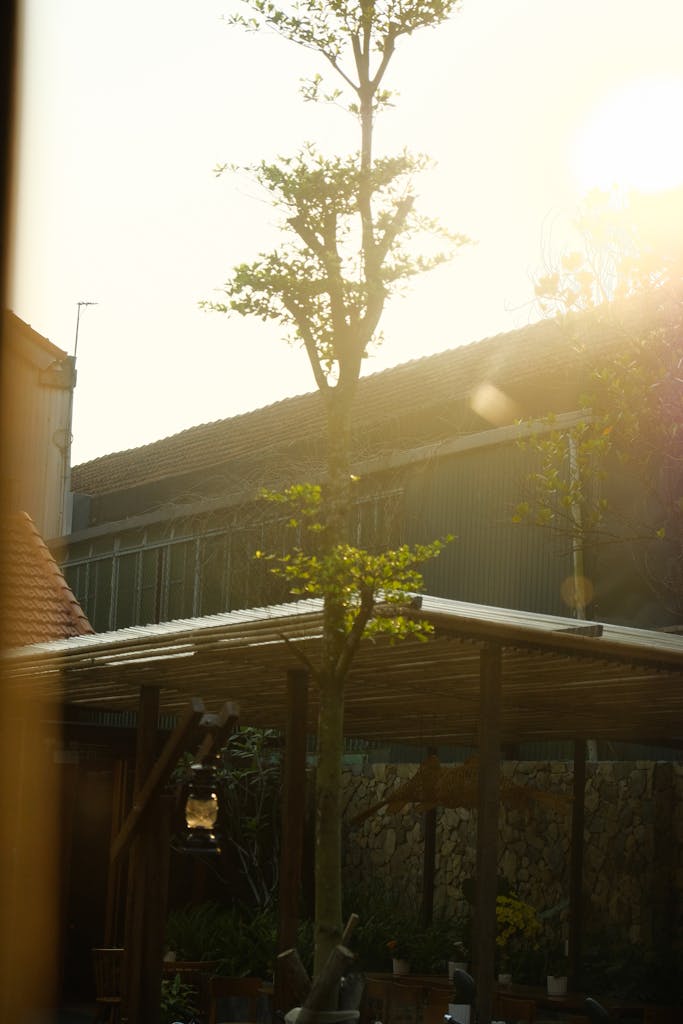
Overhead shade helps, but it does not solve the low-angle sun. Morning and late-afternoon glare can blast through the side of a patio, making the space uncomfortable even under a roof or pergola. Outdoor curtains, roll-down shades, bamboo screens, and tall planters can block that harsh side light. This is especially useful for west-facing patios that get intense afternoon sun. Side shade also adds privacy, softens the wind, and makes outdoor seating feel more like a real room instead of furniture placed in the open.
Choosing Permanent Shade in the Wrong Spot
Permanent shade can be wonderful, but it becomes frustrating when installed without considering daily use. A roof, gazebo, or fixed pergola may block light where you still want warmth, views, or open sky. Before building anything permanent, decide where people actually sit, eat, read, cook, and gather. Also, think about seasonal changes. A spot that feels perfect in July may feel too dark in cooler months. Retractable awnings, adjustable louvers, or partial pergola covers give you more flexibility.
Forgetting That Shade Should Protect Furniture Too
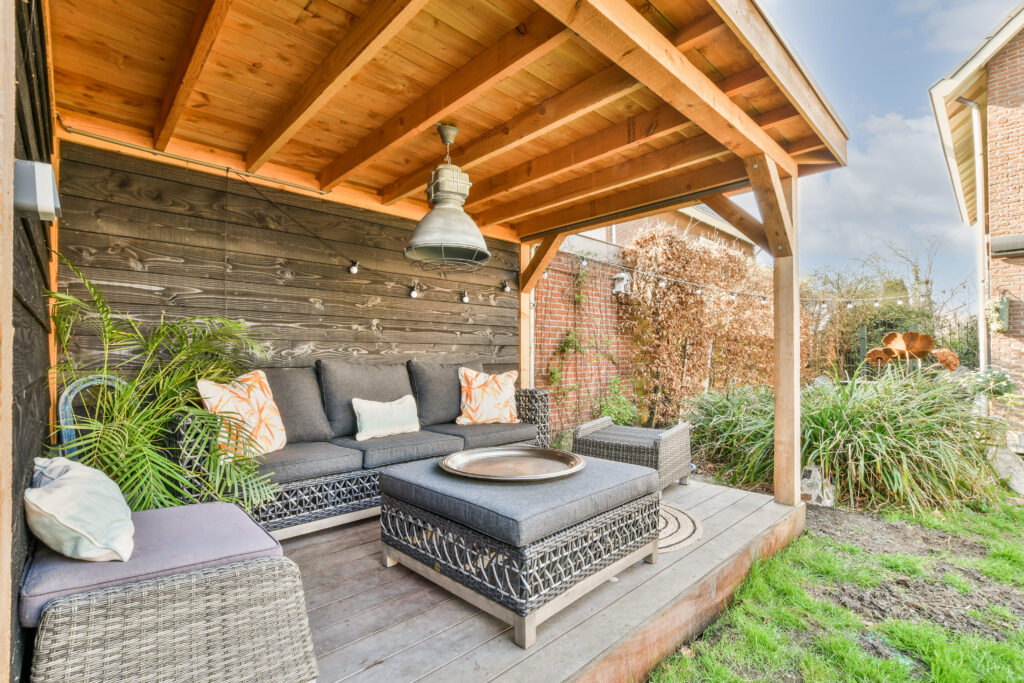
Backyard shade is not just about comfort. It also helps protect outdoor furniture, rugs, cushions, and decking from fading, cracking, and overheating. A sunny patio can wear down fabrics faster and make metal or plastic furniture too hot to touch. If your outdoor setup includes a dining table, sectional sofa, or decorative rug, place shade where those items sit for most of the day. Even partial shade can help extend the life of your furniture and make the space look fresh longer.
Treating Shade Like Decoration Instead of a Cooling System
A pretty canopy or umbrella is nice, but shade should work like part of your backyard cooling plan. The goal is to reduce direct sun, improve comfort, and keep air moving. Heavy covers with poor ventilation can trap heat, especially in small patios. Choose breathable fabrics, open-sided structures, and layouts that allow airflow. Combine natural, movable, and architectural shades for the best results. When your shade plan works properly, the backyard becomes a place people use throughout the day instead of only after sunset.
Conclusion
Creating shade in a backyard is less about buying one trendy item and more about understanding how the sun moves through your space. A good setup may include a pergola over the dining area, an umbrella near the lounge chairs, curtains for side glare, and trees for long-term natural cooling. The smartest backyard shade ideas are flexible, attractive, and practical enough for daily use. Once the shade is planned properly, your patio feels cooler, your furniture lasts longer, and your outdoor space becomes far more inviting.