Understanding your gynecological health is essential for overall well-being. Many women experience gynecological symptoms throughout their lives, and while some are normal, others may indicate a health concern that requires medical attention.
It’s crucial to understand the symptoms of gynecological disorders, how to recognize them early, and why timely intervention is important.
In this guide, we delve into the key gynecological symptoms that all women should be aware of, along with expert advice on when to seek help.
Abnormal Vaginal Bleeding

Abnormal vaginal bleeding is one of the most common signs that something may be wrong with the reproductive system. It can present in various forms, such as unusually heavy bleeding during menstruation, bleeding between periods, spotting after sexual intercourse, or bleeding after menopause. While some variations in menstrual cycles are normal, any substantial deviation from the usual pattern should not be ignored.
For example, heavy bleeding that requires changing sanitary products frequently, bleeding between periods, or postmenopausal bleeding can be signs of significant conditions, including:
- Hormonal Imbalances: A common cause of irregular bleeding, often related to perimenopause, stress, or thyroid issues.
- Fibroids and Polyps: Noncancerous growths in the uterus or cervix can lead to heavy bleeding and discomfort.
- Cervical or Endometrial Cancer: Though rare, abnormal bleeding can be a warning sign of cervical or endometrial cancer. Early detection is vital for a positive prognosis.
It’s essential to track bleeding patterns over time and report any significant changes to your gynecologist for evaluation. Early intervention, especially for conditions like cancer, can significantly improve treatment outcomes.
Persistent or Severe Pelvic and Abdominal Pain
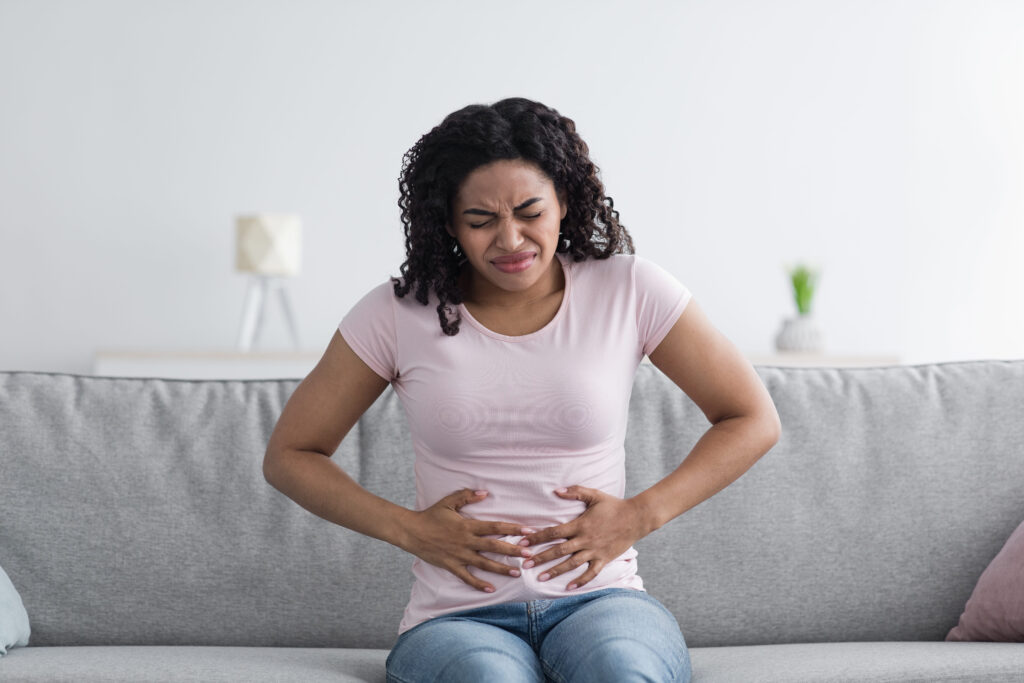
Pelvic pain is another critical symptom to monitor. While mild cramping associated with menstruation is typical, persistent or severe pelvic and abdominal pain that lasts for days or reoccurs frequently is a warning sign that something may be wrong. This type of pain can range from dull discomfort to sharp, debilitating pain.
The causes of pelvic pain can vary widely, but some common conditions include:
- Endometriosis: A condition where tissue similar to the lining of the uterus grows outside the uterus, leading to inflammation, scarring, and severe pain.
- Adenomyosis: The presence of endometrial tissue within the muscle of the uterus, causing pain, heavy periods, and bloating.
- Ovarian Cysts: These fluid-filled sacs on the ovaries can cause pain, bloating, or even rupture, leading to severe discomfort and other symptoms.
- Pelvic Inflammatory Disease (PID): An infection of the reproductive organs caused by untreated sexually transmitted infections (STIs), which can cause chronic pelvic pain and increase the risk of infertility if left untreated.
If pelvic pain is persistent, severe, or changes in nature, it is critical to consult a gynecologist to understand the cause and receive appropriate treatment. Delaying a diagnosis can lead to complications and affect reproductive health.
Changes in Bowel or Bladder Habits
Changes in bowel habits, such as constipation, diarrhea, or bloating, are common in women, but they can also be linked to gynecological issues, especially if these changes occur alongside pelvic pain or discomfort. Chronic constipation, bloating, or diarrhea that lasts for weeks or worsens with time could indicate an issue with the uterus, ovaries, or gastrointestinal tract.
Conditions that might cause these symptoms include:
- Ovarian Cysts or Cancer: In advanced stages, ovarian cancer or large cysts can affect the digestive system, leading to changes in bowel habits.
- Uterine Fibroids: These benign tumors in the uterus can apply pressure on the bladder and rectum, leading to symptoms like constipation or frequent urination.
- Endometriosis: Tissue that grows outside the uterus can affect the intestines, leading to changes in bowel function, especially during menstruation.
If bowel and bladder habits change suddenly or do not resolve on their own, it is essential to discuss these symptoms with your healthcare provider to rule out gynecological issues and obtain a proper diagnosis.
Unusual Vaginal Discharge and Odor
Vaginal discharge is a natural part of the female reproductive system, as it helps keep the vaginal area clean and healthy. However, any change in the characteristics of vaginal discharge, including its color, consistency, or odor, may indicate an infection or other gynecological condition.
Some types of abnormal discharge to watch for include:
- Thick, clumpy discharge resembling cottage cheese is often a sign of a yeast infection.
- Green, yellow, or grey discharge that may have a strong, foul odor, often linked to bacterial vaginosis or sexually transmitted infections (STIs).
- Milky, frothy, or bubbly discharge, which can be a sign of trichomoniasis, an STI caused by a parasite.
Accompanying symptoms like itching, burning, or irritation can indicate an active infection, which requires prompt treatment to prevent further complications. If you experience any unusual discharge, it’s important to consult a doctor for diagnosis and treatment, especially if the discharge is accompanied by discomfort or other symptoms.
Persistent Bloating or Abdominal Distension

While bloating is common and often linked to dietary habits, persistent bloating that doesn’t go away after a few days or is accompanied by other changes, such as weight loss, loss of appetite, or pelvic pain, can be a sign of something more serious. Persistent bloating could be related to:
- Ovarian Cysts: These fluid-filled sacs can enlarge and press against surrounding organs, causing bloating and discomfort.
- Ovarian Cancer: One of the most common symptoms of ovarian cancer is chronic bloating that feels different from the typical bloating experienced during menstruation.
- Endometriosis: This condition can cause abdominal distension and bloating due to the buildup of tissue outside the uterus.
- Gastrointestinal Issues: Sometimes, gastrointestinal conditions such as irritable bowel syndrome (IBS) can mimic gynecological symptoms, leading to bloating and discomfort.
If bloating persists for several days or is accompanied by other worrying symptoms, it is important to visit a gynecologist to rule out serious conditions.
Pain During Sexual Intercourse
Pain during sexual intercourse, or dyspareunia, is a significant symptom that often gets overlooked or dismissed. However, ongoing or severe pain can be indicative of underlying gynecological conditions, such as:
- Endometriosis: A common cause of pain during intercourse due to the presence of endometrial tissue outside the uterus.
- Pelvic Inflammatory Disease (PID): An infection of the reproductive organs caused by untreated STIs, which can make intercourse painful.
- Vaginal Atrophy: Often linked to menopause, this condition occurs when the vaginal tissues become thinner, drier, and less elastic, leading to pain during sexual activity.
Pain during intercourse should never be ignored, and medical attention should be sought to identify the root cause and begin treatment to improve comfort and overall quality of life.
Other Accompanying Symptoms Worth Noting

In addition to the symptoms above, there are other signs that could indicate a gynecological issue:
- Unexplained fatigue: Fatigue unrelated to sleep quality or daily activities can be a sign of hormonal imbalances, anemia, or even reproductive cancers.
- Genital sores, lumps, or itching: These can be signs of infections, sexually transmitted diseases (STDs), or even cancer, and should be evaluated by a gynecologist.
- Sudden weight changes: Unexplained weight gain or loss, especially if accompanied by other symptoms, can be linked to thyroid disorders or reproductive cancers.
These symptoms may seem subtle, but they can be early indicators of gynecological or other health conditions that require medical attention.